

Dapsone (Diaminodiphenyl Sulfone) – Patient Information for Australia
Dapsone (also known as Diaminodiphenyl sulfone) is a medicine used to treat certain bacterial and inflammatory conditions. In Australia, it is supplied in specific formulations and is used under medical supervision for approved indications. This guide explains how dapsone works, how it’s taken, key safety considerations, and what to expect in everyday use.
Quick Facts
- Common name: Dapsone
- Other name: Diaminodiphenyl sulfone
- Medicine type: Antibacterial and anti-inflammatory (anti-neutrophilic) agent
- What it’s used for: Conditions such as dermatitis herpetiformis and certain infections (depending on local prescribing practices)
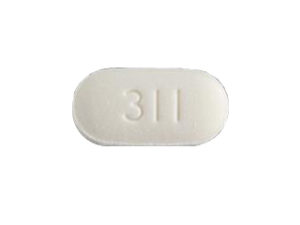
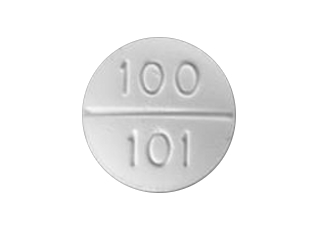
- Typical form: Oral tablets (strengths vary by brand/product)
- Common monitoring needs: Blood tests (including full blood count) and liver tests in many patients
Basic Product Information
Dapsone is an oral medicine with a long history of use. It belongs to the sulfone class of medicines. While the exact regimen depends on the condition being treated, dapsone is taken daily (or in some cases with specific schedules) to achieve and maintain control of symptoms.
Important: This information is general and may not match every individual’s plan. Always follow the instructions provided with your specific product and personalised medical advice.
How Dapsone Works (Mechanism of Action)
Dapsone’s effects come from multiple actions:
- Antibacterial activity: Dapsone interferes with folate (vitamin B9) metabolism in susceptible organisms. It is converted in the body to active metabolites that inhibit bacterial growth.
- Anti-inflammatory effect: Dapsone helps reduce inflammation in conditions where neutrophils (a type of white blood cell) play a central role—this is particularly relevant for dermatitis herpetiformis.
- Reactive blood chemistry effects: In certain settings, dapsone can alter red blood cell function and oxygen handling, which is why monitoring for blood-related side effects is important.
Pharmacokinetics (How Your Body Handles It)
Pharmacokinetics describes how the body absorbs, distributes, metabolises, and eliminates a drug.
- Absorption: After oral dosing, dapsone is generally absorbed through the gastrointestinal tract.
- Distribution: Dapsone distributes widely throughout the body.
- Metabolism: The medicine is metabolised in the liver. Some metabolites contribute to therapeutic effects and also to potential side effects (such as blood changes).
- Elimination: Dapsone is cleared more slowly than many medicines, contributing to its long duration of action. This is why daily dosing is common for many indications.
Clinical implication: Because it can remain in the body for some time, side effects may develop gradually, and dose adjustments typically occur in steps rather than abruptly stopping without guidance.
What Dapsone Is Typically Used For
In Australia, dapsone may be used for conditions including:
- Dermatitis herpetiformis: A chronic blistering/itching skin condition associated with coeliac disease.
- Certain infections caused by susceptible organisms (use depends on local guidance and the organism involved).
Note: Indications may vary based on available products, guidelines, and individual patient factors. Your healthcare professional will confirm the intended use for your specific prescription/plan.
Dosing and Timing (General Guidance)
Always follow your prescriber’s instructions and the directions on your product label. Dosing varies by condition, severity, patient response, and tolerance.
Typical timing
- Daily dosing is common for many uses.
- Try to take it at the same time each day to maintain steady blood levels.
- If you miss a dose, follow your medical team’s advice or the instructions provided with your medicine.
Starting and dose adjustment
- For inflammatory skin conditions like dermatitis herpetiformis, treatment may start at an initial dose and then be adjusted as symptoms improve.
- Some patients require careful upward or downward titration depending on response and side effects.
Practical tip: If you’re starting dapsone, plan for early follow-up and blood tests as advised. This helps confirm it’s safe for you to continue.
Food Interactions and Taking Dapsone With Meals
For many people, dapsone can be taken with or without food. However, taking it with food may help if it causes mild stomach upset.
- If nausea occurs: consider taking it with a meal or snack.
- Consistency matters: aim for a consistent routine (e.g., always with breakfast) so your body’s absorption pattern is stable.
Always check your product leaflet for specific directions for your formulation.
Alcohol and Dapsone Interactions
Alcohol can increase strain on the liver and may worsen certain side effects. Dapsone is metabolised in the liver, and some adverse effects can involve blood and liver function.
- General recommendation: limit alcohol while taking dapsone, especially if you have liver disease or elevated liver enzymes.
- Avoid heavy drinking: heavy alcohol intake increases risk of complications.
- Seek advice promptly if you develop symptoms such as unusual fatigue, abdominal pain, dark urine, yellowing of the skin/eyes, or easy bruising.
Medicine Interactions (Commonly Relevant Examples)
Dapsone can interact with other medicines, particularly those that affect blood cells, haemoglobin, or liver metabolism.
Tell your healthcare professional or pharmacist about all medicines and supplements you take, including:
- Other medicines associated with methemoglobinaemia or effects on red blood cells
- Medicines that can affect liver function
- Medicines that interact through hepatic metabolism
- Frequent or high-dose use of supplements (e.g., herbal products) that may affect the liver
Important: Don’t start, stop, or change doses of other medicines without advice. If you’re unsure whether a medicine is relevant, ask a pharmacist.
Indications and Treatment Goals
Dapsone is used with the goal of controlling symptoms, reducing inflammation or infection, and improving quality of life.
Dermatitis herpetiformis
- Primary goal: reduce itching and skin lesions
- Long-term consideration: many patients also benefit from dietary management (commonly a gluten-free diet) in line with coeliac disease care
Other infections
- Primary goal: eradicate or control specific pathogens as directed by local protocols
- Monitoring: may include symptom review and blood tests depending on the regimen
Safety Profile: What You Should Know
Like all medicines, dapsone can cause side effects. Some are uncommon but serious. Many safety measures involve baseline and follow-up blood tests.
Commonly monitored safety concerns
- Blood changes: dapsone can increase risk of haemolysis (breakdown of red blood cells) and may contribute to conditions such as anaemia.
- Methemoglobinaemia: a condition where haemoglobin can’t carry oxygen effectively—this can lead to shortness of breath, fatigue, or bluish skin.
- Liver effects: liver enzyme abnormalities can occur.
- Hypersensitivity reactions: rash and fever may occur in some people.
Seek urgent medical help if you experience
- Shortness of breath, chest pain, severe headache, dizziness, or feeling faint
- Blue/grey discoloration of lips or skin
- Yellowing of the skin/eyes (jaundice), dark urine, severe abdominal pain
- Signs of severe rash, blistering, facial swelling, or trouble swallowing
- Unusual bleeding, severe bruising, or extreme tiredness
Do not wait if symptoms suggest a serious reaction.
Who may be at higher risk
- People with glucose-6-phosphate dehydrogenase (G6PD) deficiency (increased risk of haemolysis)
- People with pre-existing anaemia or blood disorders
- People with liver disease or history of abnormal liver tests
- Those taking interacting medicines affecting blood or liver function
Practical Use Tips (Day-to-Day)
- Plan blood tests: Follow the recommended schedule for full blood count and liver monitoring, particularly early in treatment.
- Track symptoms: record changes in itching, skin lesions, fatigue, breathlessness, or headaches.
- Medication routine: taking at the same time each day improves consistency.
- Hydration and nutrition: maintain adequate fluid intake and eat regular meals; this supports overall wellbeing during treatment.
- Don’t share medication: dapsone regimens are condition-specific.
- Be cautious with other new medicines: ask a pharmacist before adding over-the-counter products or herbal supplements.
Alternative Options
Depending on the indication, there may be alternative treatments. The “best” alternative depends on your diagnosis, severity, and tolerance to dapsone.
For dermatitis herpetiformis
- Dietary management (often gluten-free diet): addresses the underlying association with coeliac disease.
- Other medications that may be used for symptom control in some patients (chosen by clinicians based on response and safety).
For infections
- Alternative antimicrobial agents may be considered depending on the pathogen and resistance patterns.
- Some infections may require combination therapy or a different duration of treatment.
Talk to your healthcare professional about what options are appropriate for your specific diagnosis and overall health.
Market and Legal Context for Australia
In Australia, medicines like dapsone are regulated under the national medicines framework. Availability may vary by formulation and indication. Some medicines are available only through appropriate channels, and supply is often guided by prescribing and dispensing requirements set by Australian regulators and professional standards.
Product access: Your local pharmacy can advise on availability, expected supply timeframes, and whether a particular brand or strength can be ordered.
Quality and safety: Licensed pharmaceutical products are supplied with approved labelling and patient information leaflets. If you have questions about a specific product, ask the pharmacy to confirm it matches the intended medicine and strength.
Recent Guidance and Ongoing Monitoring (What to Expect)
Because dapsone can affect blood and liver function, clinical practice commonly includes:
- Baseline checks (often including full blood count and liver function tests)
- Ongoing blood monitoring during treatment, especially after starting or changing doses
- Review of symptoms for signs of anaemia, methemoglobinaemia, hypersensitivity, or liver problems
Guidance can evolve with new evidence and safety updates. Your prescriber and pharmacist will use the most current recommendations available for your indication.
Delivery and Availability in Australia
Online pharmacies in Australia commonly offer delivery across many metro and regional areas. Availability may depend on stock levels, the required strength, and formulation.
- Delivery times: typically depend on location and whether the item is in stock.
- Cold chain: generally not required for dapsone tablets (unless specified for a particular product).
- Packaging: tablets are usually supplied in manufacturer packaging with clear labelling.
Tip: If your dose is time-sensitive, consider ordering ahead—especially for medicines that might require sourcing from distributors.
FAQ
1) How long does it take for dapsone to start working?
For some inflammatory skin conditions, improvement may be noticed within days to weeks, but the full effect can take longer. Symptom response varies by person and dose. Your clinician may adjust treatment based on your progress and blood test results.
2) Can I take dapsone with food?
Often yes. If it upsets your stomach, taking it with meals may improve tolerance. Follow the instructions in your product leaflet for your specific brand.
3) What blood tests are usually monitored while taking dapsone?
Many treatment plans include monitoring of full blood count (to check for anaemia or other blood changes) and liver function. Additional tests may be recommended depending on your medical history, risk factors, and local protocols.
4) What is methemoglobinaemia, and what symptoms should I watch for?
Methemoglobinaemia is a condition where haemoglobin cannot carry oxygen effectively. Symptoms may include shortness of breath, fatigue, headache, and in more severe cases bluish or grey-toned skin. If you notice these symptoms, seek urgent medical care.
5) Is it safe to drink alcohol while on dapsone?
It’s generally best to limit alcohol. Because dapsone is processed in the liver and can affect blood function, heavy alcohol intake can increase risk. If you have liver issues, ask your pharmacist or doctor for individual advice.
6) Are there people who should be particularly cautious with dapsone?
Yes. People with G6PD deficiency, pre-existing anaemia or blood disorders, and those with liver disease may be at higher risk for complications. Always ensure your healthcare team knows your full medical history.
7) What should I do if I miss a dose?
Follow the guidance provided by your healthcare professional or the product instructions. In general, if you remember soon after, you may take it as directed—however, if it’s close to the next dose, you may be advised to skip the missed dose. Do not double up unless told to.
8) What medicines and supplements could interact with dapsone?
Interactions may include medicines that affect red blood cells (or can contribute to methemoglobinaemia) and medicines that affect liver metabolism. Always tell your pharmacist about all products you use, including herbal supplements and vitamins.
9) Can I stop dapsone suddenly?
Do not stop abruptly without advice. Stopping may allow symptoms to return, and ongoing monitoring may be needed depending on your indication and current status.
10) Is dapsone available everywhere in Australia?
Availability can vary by brand and strength. Many online pharmacies can check stock and arrange delivery, but supply may depend on demand and distribution.
Summary
Dapsone (Diaminodiphenyl sulfone) is an oral medicine used for specific medical conditions in Australia, with a well-established role in conditions such as dermatitis herpetiformis. It works through antibacterial actions and anti-inflammatory effects, but it also has important potential risks—particularly involving blood cells and liver function. Safe use usually includes careful monitoring, attention to symptoms, and checking for medicine and alcohol interactions.
If you have questions about suitability, dosing, or monitoring, speak with a healthcare professional or pharmacist and ensure you have the latest product information for your specific dapsone brand and strength.