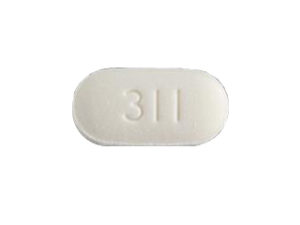

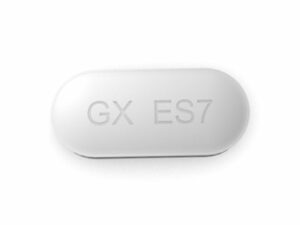
Vibramycin (Doxycycline) – Patient Information (Australia)
Vibramycin is a brand name for doxycycline, an antibiotic medicine used to treat a range of bacterial infections. This page provides patient-friendly guidance about how it works, what to expect, how to take it, and important safety information for people in Australia.
If you have questions about whether Vibramycin is suitable for you, talk to a healthcare professional or pharmacist. Always follow the instructions on the label and the advice provided with your medicine.
Key Product Information
| Feature | Details |
|---|---|
| Medicine | Vibramycin (doxycycline) |
| Type | Tetracycline-class antibiotic |
| Common forms | Oral capsules/tablets (strengths may vary by product/pack) |
| What it treats | Bacterial infections susceptible to doxycycline |
| Common uses | Respiratory infections, some skin infections, acne (in some cases), certain sexually transmitted infections, and other specific indications depending on local guidelines |
| How it works | Stops bacteria from making proteins they need to grow |
How Vibramycin (Doxycycline) Works (Mechanism of Action)
Doxycycline belongs to the tetracycline antibiotic group. It works by inhibiting bacterial protein synthesis.
- It binds to the bacterial ribosome (the protein-making machinery of bacteria).
- This prevents the bacteria from producing essential proteins needed for growth and replication.
- Depending on the organism and concentration, it can be bacteriostatic (slows bacterial growth) or in some circumstances strongly suppress bacterial growth enough for the body’s immune system to clear the infection.
Doxycycline is active against many bacteria, but not all infections respond. Correct diagnosis and choosing the right antibiotic are important to avoid treatment failure and antibiotic resistance.
Pharmacokinetics (How Your Body Handles It)
“Pharmacokinetics” explains what happens to the medicine after you take it—how it is absorbed, distributed, metabolised, and eliminated.
- Absorption: Doxycycline is generally absorbed from the gastrointestinal tract. Absorption can be reduced by certain minerals (see “Food and Mineral Interactions” below).
- Distribution: It spreads through body tissues to help treat infections where susceptible bacteria are present.
- Metabolism: Doxycycline is processed mainly by the liver to some extent; however, it is not extensively “broken down” like some other antibiotics.
- Elimination: It leaves the body through urine and faeces.
- Half-life: Doxycycline has a relatively long duration of action compared with some other antibiotics, which is why it is often taken once or twice daily depending on the dose schedule.
If you miss a dose or stop early, infection symptoms may return or fail to fully resolve—so adherence to the recommended course is important.
Typical Uses in Practice
Doxycycline may be used for infections caused by bacteria that are susceptible to it. In Australia, the choice of antibiotic depends on the suspected cause, local resistance patterns, and individual patient factors.
Common indications (examples)
- Some respiratory and ENT infections (depending on the organism and severity)
- Skin and soft tissue infections
- Acne (some cases, as advised by a clinician)
- Some sexually transmitted infections and conditions where doxycycline is an appropriate option under guidelines
- Other specific bacterial infections including certain infections transmitted by ticks or other regional causes (only for appropriate indications)
Not every infection is treated with doxycycline. Your healthcare provider will consider your symptoms, examination findings, and any available test results.
Timing and How to Take Vibramycin
Correct timing and routine helps maintain effective antibiotic levels in the body.
- Take at the same time each day to keep levels steady.
- With a full glass of water to reduce the chance of throat or stomach irritation.
- Remain upright for at least 30 minutes after taking your dose (standing or sitting upright).
- If your regimen is once daily, choose a consistent time. If it is twice daily, space doses about 12 hours apart where possible.
What to do if you miss a dose:
- Take it as soon as you remember, unless it is close to the next dose.
- If it’s close, skip the missed dose—do not double.
- If you are unsure, ask a pharmacist for advice.
Food and Interactions: What to Avoid
Doxycycline can be taken with or without food, but food may reduce stomach upset for some people. However, certain foods and supplements can interfere with absorption.
Food interactions
- Take care with dairy and calcium-rich meals. While doxycycline absorption is not always blocked completely by dairy, large amounts of calcium at the same time may reduce absorption in some people.
- If you notice reduced effect or are taking mineral supplements, consider spacing them (see below).
- If you experience nausea, taking the dose with a light meal may help.
Mineral interactions (important)
Doxycycline can bind to certain minerals, decreasing absorption. It is best to separate doxycycline from these by several hours:
- Antacids containing aluminium, magnesium
- Iron supplements
- Calcium, zinc, magnesium supplements
- Some multivitamins with minerals
A common practical approach is to separate mineral products from doxycycline by at least 2–3 hours (or as advised by your pharmacist), but exact timing can vary with product and dose. Always check the instructions provided with your specific brand.
Alcohol and Medicine Interactions
Alcohol
Moderate alcohol intake is not always an absolute contraindication for doxycycline, but alcohol may worsen side effects such as stomach upset, dizziness, or nausea.
- If you plan to drink alcohol, keep it moderate and monitor how you feel.
- If you develop significant nausea, vomiting, or worsening symptoms, avoid alcohol and seek advice.
In general, it’s safest to limit alcohol while you’re taking antibiotics, especially if you’re unwell or your liver function is a concern.
Medicine interactions (examples)
Doxycycline can interact with other medicines. Inform your pharmacist or healthcare professional about all medicines you use, including over-the-counter products.
- Isotretinoin (for acne): combining with tetracyclines may increase risk of intracranial hypertension.
- Warfarin and other blood thinners: doxycycline may affect clotting risk in some people; monitoring may be needed.
- Anti-seizure medicines (e.g., phenytoin, carbamazepine) and rifampicin: may reduce doxycycline levels.
- Oral retinoids or similar acne therapies: discuss risks before starting.
- Other antibiotics or medicines affecting the gut: may influence side effects such as diarrhoea.
- Magnesium/aluminium antacids and iron supplements: reduce absorption (separate by a few hours).
This is not a complete list. Always check with a pharmacist if you’re taking multiple medicines.
Dosing (General Guidance)
Doxycycline dosing varies depending on the indication (infection type), severity, patient age, and local guideline recommendations.
- Dose schedules commonly used include once or twice daily regimens.
- Follow your label/dispensing instructions for the exact dose and number of days.
- Do not change your dose without advice, even if you feel better—stopping early can allow infection to return.
Children and adolescents: Doxycycline is not suitable for all children and adolescents. Use in younger age groups may depend on the specific condition and clinician judgement. Discuss suitability with a healthcare professional.
Kidney disease: Doxycycline is generally considered less problematic than some other tetracyclines for people with reduced kidney function, but dosing and safety should still be confirmed by a clinician/pharmacist.
If you’d like, you can provide the strength printed on your package (e.g., mg per tablet/capsule) and your prescribed schedule, and a pharmacist can help explain how to fit it into your day.
How Long to Take It (Typical Treatment Course)
Treatment length depends on the infection and your response. Some conditions may be treated for a short period, while others require longer courses.
- Many bacterial infections begin improving within 24–72 hours after starting treatment.
- If you do not improve or your symptoms worsen, seek medical advice promptly.
- Complete the full course unless your healthcare professional stops or changes therapy.
Safety Profile: Who Should Be Careful?
Like all medicines, Vibramycin (doxycycline) can cause side effects. Many people tolerate it well, but it’s important to know what to watch for.
Common side effects
- Nausea
- Stomach upset or indigestion
- Diarrhoea
- Heartburn or mild reflux
- Headache
- Light sensitivity (sunburn occurs more easily)
Less common but important risks
- Esophageal irritation: taking without enough water or lying down soon after can increase risk.
- Allergic reactions: rash, itching, swelling, wheezing, or difficulty breathing.
- Severe skin reactions (rare): blistering or peeling skin, fever, or widespread rash.
- Vaginal thrush or other fungal infections: antibiotics can upset natural flora.
- Antibiotic-associated diarrhoea: seek advice if diarrhoea is severe, persistent, or accompanied by blood or fever.
- Raised pressure in the head (rare): severe headache with vision changes or dizziness.
When to seek urgent help
Seek urgent medical attention (or call emergency services) if you experience:
- Difficulty breathing, facial swelling, or collapse
- Severe allergic reaction
- Severe rash with blistering/peeling or fever
- Severe persistent vomiting or signs of dehydration
- Severe headache with blurred vision or neurological symptoms
- Profuse diarrhoea or diarrhoea with blood and fever
Practical Use Tips (Make Treatment Easier)
- Reduce stomach irritation: take with a full glass of water and remain upright for at least 30 minutes.
- Use sun protection: doxycycline can make skin more sensitive to sunlight. Use SPF, protective clothing, and avoid long sun exposure or tanning.
- Stay hydrated: helps reduce the feeling of nausea for many people.
- Separate minerals: space iron, calcium, zinc, and antacids from your dose.
- Track your doses: setting phone reminders can prevent missed doses.
- Don’t share antibiotics: use only for the condition it was intended for.
- Consider probiotics? Some people use probiotics to reduce antibiotic-associated diarrhoea. This is not for everyone; ask a pharmacist about timing and suitability, especially if you’re taking other medicines.
Alternative Options (Discuss with a Clinician)
If doxycycline isn’t suitable due to allergy, intolerance, pregnancy/breastfeeding considerations, age, or resistance patterns, clinicians may consider other antibiotics depending on the infection. Alternatives can include other antibiotic classes (choice depends on the suspected bacteria and site of infection).
For example, some infections may be treated with:
- Amoxicillin or amoxicillin-clavulanate
- Macrolides (e.g., azithromycin or clarithromycin)
- Cephalosporins (depending on infection type)
- Other tetracyclines in selected circumstances
The “best alternative” depends strongly on the diagnosis. Always seek advice rather than switching on your own.
Market and Legal Context for Australia
In Australia, antibiotic medicines are regulated, and the appropriate supply process depends on the specific product and formulation. Doxycycline products like Vibramycin may be supplied under Australian medicines scheduling rules and must be dispensed in line with local regulations.
Antibiotic stewardship is strongly encouraged. Australia emphasises careful antibiotic use to minimise resistance and protect individual and community health. Your pharmacist may ask questions about your symptoms, other medicines, allergies, and medical history before advising on suitability and dosing instructions.
Recent guidance (general direction): In recent years, public health and professional groups have continued to emphasise:
- Using antibiotics only when there is a clear bacterial indication
- Matching antibiotic choice to likely pathogens and local resistance patterns
- Completing the prescribed course as directed
- Reviewing treatment if there is no clinical improvement
Delivery and Availability (Online Pharmacy)
Availability can vary depending on stock levels and the strength/formulation required. When ordering online in Australia, your medicine may be dispatched to your nominated address subject to standard delivery timeframes.
- Check stock status: some strengths or pack sizes may sell out temporarily.
- Allow time for processing: your order may require verification or review steps depending on the product.
- Packaging: medicines are typically shipped in protective packaging to help prevent damage during transit.
- Storage on arrival: store at room temperature as directed on the label, and keep out of reach of children.
If you need the medicine urgently, consider confirming estimated dispatch and delivery times before placing your order.
Frequently Asked Questions (FAQ)
1) What is Vibramycin used for?
Vibramycin (doxycycline) is used for infections caused by bacteria that are susceptible to doxycycline. The exact use depends on the diagnosis and local treatment guidelines.
2) How quickly will I feel better?
Many people notice improvement within 24–72 hours. If you don’t improve, or you worsen at any time, contact a healthcare professional for review.
3) Can I take Vibramycin with food?
Yes. Taking it with a light meal may help reduce nausea. Try to avoid taking it at the same time as mineral-rich supplements or large calcium/iron products.
4) What should I avoid while taking doxycycline?
Avoid:
- Mineral supplements such as iron, calcium, magnesium, zinc close to your dose
- Antacids containing aluminium or magnesium near your dose
- Excess sun exposure (use sun protection due to photosensitivity)
5) Is it okay to drink alcohol?
Moderate alcohol may be tolerated, but it can worsen stomach upset and make you feel unwell. Many people choose to limit or avoid alcohol while taking antibiotics—especially if they’re feeling sick.
6) What if I miss a dose?
Take it when you remember if it’s not close to the next dose. Otherwise skip the missed dose and continue your schedule. Do not double up.
7) Can doxycycline cause diarrhoea?
Yes. Mild diarrhoea can occur. However, seek advice urgently if diarrhoea is severe, persistent, or includes blood or fever.
8) Who should not take doxycycline?
Suitability depends on your individual circumstances. Doxycycline may not be appropriate for certain people (for example, some children and specific pregnancy or breastfeeding situations). Discuss your history and concerns with a clinician or pharmacist.
9) Does doxycycline affect birth control?
Most antibiotics do not reliably reduce the effectiveness of hormonal contraception; however, if you experience vomiting or severe diarrhoea, absorption may be affected. Use additional contraception and seek advice if GI upset occurs.
10) Can I take other medicines with Vibramycin?
Some medicines interact with doxycycline, including antacids, iron supplements, certain seizure medicines, and blood thinners. Always review your full list of medicines with a pharmacist.
Summary
Vibramycin (doxycycline) is a tetracycline antibiotic used for a variety of bacterial infections. It works by stopping bacteria from making the proteins they need to grow. Taking it correctly—especially with plenty of water, staying upright after swallowing, and separating it from minerals—helps reduce side effects and improves absorption.
- Timing: take consistently; follow your dosing schedule.
- Food/minerals: avoid taking with antacids, iron, or calcium/zinc/magnesium products close together.
- Sun protection: use SPF and protective clothing.
- Safety: seek urgent help for severe rash, breathing difficulty, or severe diarrhoea.
For personalised advice, speak with a pharmacist—particularly if you’re taking other medicines, have allergies, have a history of antibiotic intolerance, or have ongoing medical conditions.