Tiotropium Bromide (Inhalation) — Patient Information (Australia)
Tiotropium bromide is a long-acting inhaled medicine used to help people breathe more comfortably, particularly in chronic obstructive pulmonary disease (COPD) and asthma (in suitable patients, often as an add-on therapy). It works by relaxing airway muscles and keeping airways open for longer periods, making daily breathing easier.
This guide explains how tiotropium bromide works, how to use it safely and effectively, what to expect, and how it may interact with other medicines and alcohol. It is written for Australian readers and is designed to be patient-friendly.
Basic Product Information
- Medicine name: Tiotropium bromide
- Type: Long-acting inhaled anticholinergic (muscarinic receptor antagonist)
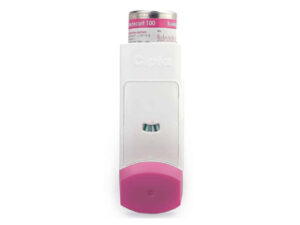
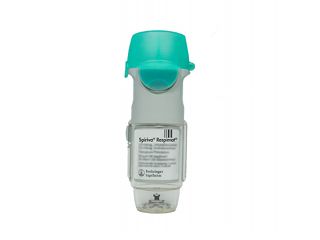
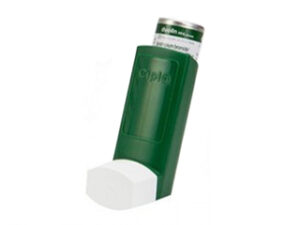
- Common forms: Inhalation devices (e.g., HandiHaler®, Respimat® or other tiotropium inhalers depending on brand and region)
- How it’s used: Regular maintenance therapy
- Typical effect: Helps reduce shortness of breath, improves airflow, and helps prevent symptom flare-ups
Important: Tiotropium bromide is not usually intended as a “reliever” for sudden breathing difficulty. For sudden symptoms, follow your individual action plan and use your prescribed reliever medicine if advised by your doctor or pharmacist.
Mechanism of Action (How Tiotropium Works)
Tiotropium bromide blocks muscarinic (cholinergic) receptors in the airways. These receptors normally promote airway narrowing (bronchoconstriction) and increase secretions. By blocking them, tiotropium helps to:
- Relax smooth muscle in the airways
- Reduce bronchoconstriction
- Improve airflow
- Decrease mucus effects that can contribute to breathing difficulty
Because it dissociates slowly from its binding sites, tiotropium provides long-lasting bronchodilation, which is why it is used once daily in many dosing regimens (device/brand and condition dependent).
Pharmacokinetics (Absorption, Distribution, Metabolism, Excretion)
Tiotropium is inhaled and acts mainly in the lungs. Key pharmacokinetic features include:
- Absorption: After inhalation, a portion of the dose reaches the lungs; some may deposit in the mouth/throat and be swallowed.
- Distribution: It has limited systemic distribution compared with oral medicines, because delivery is local to the airways.
- Metabolism: Tiotropium is not extensively metabolised in the body.
- Excretion: Tiotropium is primarily cleared by the kidneys.
Clinical implication: If you have moderate to severe kidney impairment, your healthcare professional may recommend particular caution or dose/device suitability.
Typical Use and Who It’s For
Common conditions
- COPD: Maintenance treatment for airflow limitation and symptom relief. Helps reduce the risk of exacerbations in appropriate patients.
- Asthma: Used in selected patients as an add-on therapy to improve control, particularly when symptoms persist despite standard treatments (e.g., inhaled corticosteroids). Your clinician will consider your history and treatment response.
What it can help with
- Reduced shortness of breath
- Improved ability to do daily activities
- Better symptom stability over time
- Fewer flare-ups (especially in COPD when used as part of a comprehensive plan)
How to Take Tiotropium: Timing and Routine
Regular use is important. Tiotropium works best when used consistently as directed, even when you feel well.
- Typical timing: Once daily in many COPD/asthma regimens, but the exact timing depends on your prescribed plan and inhaler device.
- Same time each day: Many people find it easiest to take at a consistent time (e.g., morning or evening).
- Not for sudden attacks: If you experience sudden worsening breathing, use your reliever medication or follow your asthma/COPD action plan.
Tip: If you accidentally miss a dose, do not double up. Use the missed dose only if it is still close to the time you would normally take it. Otherwise, skip it and take the next dose at your scheduled time—unless your pharmacist advises otherwise.
Does Food Affect Tiotropium?
Because tiotropium is inhaled and mostly acts locally in the lungs, food is not expected to significantly affect its absorption or effectiveness.
- With meals: You can generally take your inhaler at any time of day with or without food.
- Practical comfort: If you experience coughing when inhaling, try to use the device when you are not extremely full.
Alcohol Interactions
There is typically no direct interaction between tiotropium inhalation and alcohol. However, alcohol may worsen breathing symptoms or sleep quality for some people.
- Asthma/COPD symptoms: Alcohol may indirectly trigger symptoms in susceptible individuals.
- Safety: If you notice increased breathlessness or dizziness after alcohol, avoid it or limit intake and discuss with your pharmacist.
Medicine Interactions (Including Common Combinations)
Tell your pharmacist about all medicines you use, including inhalers, tablets, over-the-counter products, and herbal supplements. The most relevant interaction considerations for tiotropium include:
Other anticholinergic medicines
- Avoid combining tiotropium with other anticholinergics unless your doctor specifically recommends it.
- Using multiple anticholinergic medicines may increase the likelihood of side effects such as dry mouth, constipation, or urinary retention (particularly in people at higher risk).
Inhaled bronchodilators
- Tiotropium is commonly used alongside other inhaled medicines such as:
- Short-acting bronchodilators (relievers)
- Long-acting beta2-agonists (LABAs) (often in combination inhalers)
- Inhaled corticosteroids for asthma
- Your pharmacist can check your exact regimen for safe spacing and device technique.
Kidney impairment considerations
- Because tiotropium is primarily cleared by the kidneys, medicines that affect kidney function may be relevant. This is a “review at the pharmacy” topic, especially for older adults or those with chronic kidney disease.
Eye-related safety
- If mist or powder accidentally gets into the eyes, anticholinergic effects could theoretically cause eye discomfort. Seek advice if you get a persistent red eye or blurred vision after using your inhaler.
Indications (What Tiotropium Is Used For)
In Australia, tiotropium bromide inhalation is indicated for:
- COPD: Maintenance treatment to relieve symptoms and improve airflow.
- Asthma: Maintenance treatment in appropriate patients when added to existing therapy and recommended by a clinician.
Specific eligibility and device choice depend on the product brand, dose strength, and clinical circumstances. Your pharmacist can help ensure you’re using the correct product for your condition.
Dosing (General Guidance for Patients)
Dosing depends on the device type and the condition. Always follow the directions provided with your tiotropium product or by your healthcare professional.
General dosing patterns
- COPD: Often once daily maintenance.
- Asthma: Typically used once daily as add-on maintenance in selected patients.
Do not change dose yourself
- If your symptoms worsen, don’t increase the dose unless advised.
- Worsening symptoms may require a review of inhaler technique, adherence, or the overall asthma/COPD treatment plan.
Practical note on device technique
Correct inhaler technique is essential to deliver the medicine to the lungs. If technique is poor, the dose may not reach the airways effectively.
Safety Profile (Common and Serious Side Effects)
Like all medicines, tiotropium bromide can cause side effects. Many people tolerate it well, especially when used correctly.
Common side effects
- Dry mouth
- Sore throat or mild mouth irritation
- Cough after inhalation
- Constipation (more likely in people prone to it)
Less common, but important to know
- Urinary difficulties (e.g., difficulty passing urine), particularly in people with prostate enlargement or urinary retention history
- Blurred vision or eye pain if mist contacts the eyes
- Allergic reactions (rare): swelling of face/lips, rash, or breathing difficulty
Seek urgent medical help if
- Severe allergic reaction symptoms occur
- Sudden worsening breathing that doesn’t respond to your reliever
- Severe eye pain, redness, or significant visual changes after inhaler use
When to contact a pharmacist or clinician soon: persistent constipation, urinary symptoms, frequent coughing after each dose, or any side effect that affects daily comfort.
Practical Use Tips (How to Get the Best Results)
The main factors that improve results are correct technique, consistent timing, and adherence.
1) Learn and check your inhaler technique
- Follow the instructions provided with your specific device.
- If you’re unsure, ask your pharmacist to watch and correct your technique.
- Technique problems are a common reason medicines seem less effective.
2) Keep a simple daily routine
- Use the inhaler at the same time each day.
- Consider linking it to an existing routine (e.g., brushing teeth, before breakfast).
3) Rinse after using (if you also use inhaled corticosteroids)
- Tiotropium alone usually doesn’t require rinsing.
- However, if you also use an inhaled corticosteroid, follow that product’s instructions (often includes rinsing/spitting to reduce oral thrush risk).
4) Watch for “powder/mist in the eyes”
- Inhale in the direction required by your device instructions and avoid aiming into your eyes.
- If you do get eye exposure and develop symptoms, seek advice promptly.
5) Store and maintain devices correctly
- Store according to the product label (temperature, moisture protection where relevant).
- Replace devices when indicated or when they appear damaged.
Alternatives to Tiotropium Bromide
Depending on your diagnosis and current treatment plan, alternatives may include other long-acting bronchodilators.
Possible alternative options (not an exhaustive list)
- Other long-acting anticholinergics (LAMA class): may be suitable in some cases.
- Long-acting beta2-agonists (LABAs): used for bronchodilation, sometimes in combination with LAMAs.
- Combination inhalers: LABA/LAMA or LABA/inhaled corticosteroid depending on condition.
- For asthma: inhaled corticosteroids remain foundational; add-on options depend on control level.
Your pharmacist can help discuss options appropriate for your condition, inhaler technique ability, and any side effect history.
Delivery and Availability in Australia
Tiotropium bromide inhalers are commonly available through pharmacy supply chains in Australia and may be stocked online by participating pharmacies.
- Delivery: Delivery options depend on your chosen pharmacy, location, and stock availability.
- Availability: Stock can vary for specific brands and devices; delivery times may differ.
- Packaging: Products are typically supplied in original manufacturer packaging with patient instructions.
Tip: When ordering online, double-check you select the correct strength and device type (for example, differences between inhaler models and strengths). If you’re unsure, contact the pharmacy before purchase.
Market and Legal/Regulatory Context in Australia (Patient-Friendly Overview)
In Australia, medicines are supplied through regulated pathways and may have restrictions on how they are dispensed. Availability and advice requirements can vary by product type, brand, and strength.
- Pharmacist involvement: Pharmacists help confirm the right product, check medicine history, and provide safe-use guidance.
- Device-specific instructions: Inhalers differ; appropriate selection and technique counselling are important for safe use.
- Ongoing review: COPD and asthma are long-term conditions; treatment may be reviewed at regular intervals based on symptoms and exacerbations.
Note: Always use products according to the instructions provided by the dispensing pharmacy and the product consumer medicine information (CMI).
Recent Guidance and Clinical Approach (What to Expect)
Clinical practice for COPD and asthma typically emphasises:
- Correct diagnosis and treatment matching (COPD vs asthma vs overlap features)
- Long-term maintenance therapy with appropriate bronchodilators and anti-inflammatory medicines where indicated
- Inhaler technique education and periodic re-checks
- Personalised escalation plans during worsening symptoms
- Smoking cessation support (for COPD and many asthma cases where relevant), vaccinations, and regular monitoring
Guidance evolves over time as new evidence and treatment pathways emerge. Your pharmacist can summarise how tiotropium fits into modern COPD/asthma management based on your condition and current regimen.
Living With COPD or Asthma: When to Review Your Plan
Contact your healthcare professional if:
- You need your reliever medicine more often than usual
- You wake at night due to breathlessness or coughing
- Your symptoms gradually worsen over days
- You experience repeated flare-ups
- You notice new or persistent side effects from your inhaler
A review may include inhaler technique, adherence, correct device selection, lung function testing, and consideration of step-up therapy.
FAQ — Tiotropium Bromide (Tiotropium Bromide Inhalation)
How fast will tiotropium start working?
Some people notice breathing improvement early after starting or using a dose. For maintenance benefits (better symptom control and reduced flare-ups), regular use over time is important. If you don’t feel any improvement after several weeks, speak with your pharmacist or clinician to review technique and the overall treatment plan.
Is tiotropium a reliever inhaler?
Tiotropium is a maintenance long-acting inhaler. It is generally not intended for immediate relief of sudden symptoms. Use your prescribed reliever for acute symptoms and follow your action plan.
Can I use tiotropium with my other inhalers?
Often, yes. Tiotropium is commonly used alongside relievers and, depending on your condition, other long-acting bronchodilators or inhaled corticosteroids. However, confirm your exact regimen with your pharmacist, especially if you use other anticholinergic medicines.
What if I miss a dose?
Don’t double up. Take the missed dose only if it is close to the time you usually take it. If it’s near the next scheduled dose, skip the missed one and continue your normal schedule.
Will food interfere with tiotropium?
Food is not expected to meaningfully affect tiotropium when inhaled. It can generally be taken with or without meals.
Can I drink alcohol while using tiotropium?
There is typically no direct interaction between alcohol and tiotropium. However, alcohol may worsen breathing symptoms in some people. If you notice a link, limit alcohol and discuss with your pharmacist.
Are there any kidney-related concerns?
Tiotropium is mainly cleared by the kidneys. If you have kidney impairment, talk to your pharmacist or clinician to ensure the product and dosing are appropriate for you.
Why does correct inhaler technique matter?
Inhaler technique strongly affects how much of the medicine reaches your lungs. Incorrect technique may reduce effectiveness and increase throat irritation or coughing. A pharmacist can provide technique checks.
What should I do if I get medicine in my eyes?
If you experience eye exposure and develop pain, redness, or blurred vision, seek medical advice promptly. Avoid touching or rubbing your eyes; follow advice from a healthcare professional.
Summary
Tiotropium bromide inhalation is a long-acting anticholinergic medicine used for maintenance treatment of COPD and selected patients with asthma. It helps relax airway muscles and improves airflow for longer periods. Because it is inhaled, it primarily acts in the lungs, with limited systemic metabolism and mainly renal elimination. For best results, use it consistently at the right time, ensure correct inhaler technique, and use your reliever for sudden symptoms as per your action plan.
If you have questions about choosing the right tiotropium device, how to take it, or how it fits with your other medicines, your local Australian pharmacist can help.