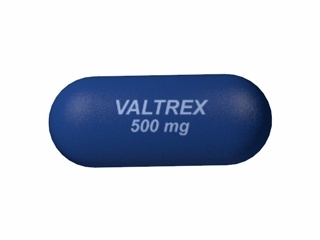


Valtrex (Valacyclovir) – Patient Guide (Australia)
Valtrex is a medicine containing valacyclovir, an antiviral used to treat and (in some cases) prevent certain viral infections caused by the herpes virus family. In Australia, it’s commonly used for conditions such as herpes simplex (cold sores and genital herpes) and shingles (herpes zoster).
This guide explains how Valtrex works, when it’s typically used, how to take it safely, what to watch for, and practical tips to get the best results.
Quick Facts
- Active ingredient: Valacyclovir
- Medicine type: Antiviral (prodrug of acyclovir)
- Common uses: Cold sores, genital herpes, shingles
- How it’s taken: Usually by mouth (tablet)
- Key benefit: Works best when started early in an outbreak (especially for shingles)
Basic Product Information
Valtrex (valacyclovir) belongs to the class of medicines known as antivirals. It is designed to reduce the ability of herpes viruses to multiply in the body.
In Australia, Valtrex may be available through pharmacy supply channels. Availability can vary depending on local supply, formulation strength, and whether the medicine is stocked by individual pharmacies.
| Feature | What to know |
|---|---|
| Brand name | Valtrex |
| Generic name | Valacyclovir |
| Drug class | Antiviral (anti-herpes) |
| Form | Oral tablets (strengths vary) |
| Typical dosing schedule | Varies by condition and your kidney function |
How Valtrex Works (Mechanism of Action)
Valacyclovir is a prodrug—meaning it’s converted in the body into the active antiviral substance.
After you take valacyclovir, it is rapidly converted mainly to acyclovir. Acyclovir works by interfering with viral DNA production:
- The active form of the medicine is taken up by infected cells more effectively than uninfected cells.
- Inside the infected cell, it is converted into a form that can block viral DNA replication.
- This slows or stops the virus from multiplying, helping shorten outbreaks and reduce symptom severity.
Importantly, antivirals like Valtrex do not permanently remove the herpes virus from the body. The virus can remain dormant and reactivate later.
Pharmacokinetics (How the Body Processes It)
Understanding pharmacokinetics helps explain why timing and dose matter.
- Absorption: Valacyclovir is absorbed from the gut and converted to acyclovir in the intestinal wall and liver.
- Active drug: The antiviral effect is mainly due to acyclovir.
- Onset: Levels of the active drug rise after dosing; taking it early in an outbreak can improve effectiveness.
- Elimination: Acyclovir is largely cleared by the kidneys.
- Kidney function matters: People with reduced kidney function may need adjusted doses to avoid excessive drug levels.
If you have kidney disease, dehydration, or are older, it’s especially important to follow dosing advice carefully and maintain adequate fluid intake (unless you’ve been advised to restrict fluids).
Typical Uses and Indications
Valtrex is used for infections caused by herpes viruses. Common indications include:
-
Herpes simplex virus (HSV) infections
- Cold sores (herpes labialis)
- Genital herpes (HSV-1 or HSV-2)
- Shingles (herpes zoster)
- Prevention of recurrent genital herpes in some patients (suppression therapy), as advised by a healthcare professional.
Your exact choice of regimen (treatment of an active episode vs longer-term prevention) depends on the condition, how often episodes occur, and your medical history.
Timing: When to Take Valtrex for Best Results
Timing is a major factor in antiviral effectiveness.
- Shingles (herpes zoster): Starting treatment as early as possible—ideally within 72 hours of rash onset—can improve outcomes.
- Cold sores and genital herpes outbreaks: For best results, start treatment at the earliest signs (tingling, itching, burning, or early lesion formation).
- Prevention (suppression): If using for recurrent disease, it’s typically taken on a regular schedule to reduce outbreak frequency and transmission risk.
If symptoms worsen rapidly, involve the eyes, or you develop fever and severe pain, seek urgent medical advice.
Dosing: How Valtrex Regimens Are Usually Set
Dosing depends on the specific condition, whether it’s treatment or prevention, and kidney function. Different regimens may apply for:
- Active outbreaks (episodic therapy)
- Prevention of recurrent infections (suppression therapy)
- Shingles
Because exact dosing schedules vary, follow the instructions provided with your medicine or from your healthcare professional. If you have kidney impairment, your dose may be reduced.
General dosing considerations
- Follow the interval: Keep the spacing between doses consistent (e.g., evenly spaced through the day) unless directed otherwise.
- Don’t stop early: Complete the course unless you’re advised to stop. Stopping early may reduce benefit.
- Hydration: Adequate fluids help support kidney clearance.
- Kidney disease: Dose adjustments are important—ask for advice if you have any kidney problems.
Food Interactions
Valacyclovir can usually be taken with or without food. Many people find it more comfortable with food, particularly if they get mild nausea.
Food typically does not substantially reduce effectiveness. However, maintaining a consistent routine (with or without meals) can help you remember doses.
Alcohol and Medicine Interactions
There is no universally required “no alcohol” rule for valacyclovir, but alcohol can affect how you feel and may worsen dehydration in some people. Since valacyclovir is eliminated via the kidneys, it’s sensible to limit alcohol and drink fluids appropriately.
Practical guidance
- Avoid heavy drinking while taking antivirals, especially if you’re already unwell.
- Stay hydrated (unless you’ve been told to restrict fluids).
- If you develop significant dizziness, confusion, vomiting, or severe headache, seek medical advice promptly.
Medication interaction overview
Some medicines may interact with valacyclovir indirectly—especially those that affect the kidneys or compete with renal clearance. It’s important to check all medicines you take, including:
- Other medicines that are cleared by the kidneys
- Nephrotoxic medicines (medicines that can stress the kidneys)
- High-dose NSAIDs used frequently (e.g., ibuprofen or similar), particularly in people with dehydration or kidney issues
If you’re unsure whether your medication list could affect dosing, consult a pharmacist for advice.
Safety Profile and Side Effects
Like all medicines, Valtrex can cause side effects. Many people experience none or only mild effects.
Common side effects
- Headache
- Nausea
- Stomach discomfort
- Fatigue
Less common but important effects
- Kidney-related issues (more likely with dehydration or kidney impairment)
- Neurological symptoms such as agitation, confusion, tremor, or hallucinations (uncommon; risk increases with renal impairment or excessive exposure)
- Allergic reactions (rare). Seek urgent help if you develop rash with swelling, breathing difficulty, or severe dizziness.
When to seek urgent medical help
- Difficulty breathing, swelling of face/lips, or severe rash
- Severe confusion, unusual behaviour, or fainting
- Very low urine output or signs of dehydration that are worsening
If you experience side effects, it’s often helpful to note the timing relative to doses and any other medicines taken. This can help healthcare professionals assess whether dose adjustment or a different option is needed.
Practical Use Tips (Day-to-Day Advice)
- Start early: Begin at the earliest signs of an outbreak (especially for shingles and cold sores).
- Take doses consistently: Set reminders so you don’t miss doses.
- Drink fluids: Adequate hydration supports kidney clearance.
- Protect others: HSV can spread even when symptoms are not obvious. Consider using barrier protection for genital herpes and avoid skin contact with active lesions.
- Sun/skin care: If you have shingles, keep the rash clean and covered as advised. Avoid scratching.
- Don’t share personal items: Avoid sharing lip balm, towels, razors, or utensils during active outbreaks.
Alternative Options
Depending on your condition, an alternative may be recommended. Options commonly include:
- Acyclovir (another antiviral; often requires more frequent dosing)
- Famciclovir (similar antiviral class; dosing varies)
- Topical treatments for some cold sores (supportive symptom relief; do not treat underlying latency)
- Supportive care (pain relief, skin care, hydration) alongside antivirals, particularly for shingles
If you’ve had side effects or kidney concerns, ask a pharmacist about which option may suit you best. Choice may depend on dosing convenience, prior response, and medical history.
Market and Legal Context for Australia
Medicines in Australia are regulated to support safe use. Supply and access to antiviral medicines can vary depending on product status, strength, and whether additional clinical steps are required.
For online pharmacies, availability may depend on licensed supply arrangements and relevant Australian regulations. Always ensure your order is processed through a reputable, compliant pharmacy service.
If your medicine is not readily available due to supply or compliance requirements, you can ask the pharmacy for alternative brands or formulations that meet your needs.
Recent Guidance and Best-Practice Notes (General Awareness)
Clinical practice emphasises early initiation of antivirals for herpes infections—particularly:
- Shingles: starting as soon as possible, typically within the first 72 hours of rash onset when feasible.
- Cold sores and genital herpes: starting during the earliest “prodrome” symptoms can shorten outbreaks.
- Prevention/suppression: ongoing therapy may be considered for people with frequent recurrences to reduce episode frequency and help reduce transmission risk.
Guidelines may evolve as new evidence becomes available, and local prescribing practices may differ. A pharmacist can help you understand what is generally recommended and how your specific situation may influence timing and dose.
Delivery and Availability (Online Pharmacy)
Availability of Valtrex can vary between online pharmacies based on stock levels and supplier timelines. Typical delivery factors include:
- Local warehouse stock or inbound shipment timing
- Standard vs express delivery options (where available)
- Order processing and verification steps
After placing an order, you’ll usually receive updates by email or in-app regarding confirmation and dispatch. Keep an eye on your delivery address details to avoid delays.
If you need Valtrex urgently—especially for shingles—contact the pharmacy directly to ask about fastest dispatch options.
FAQ – Valtrex (Valacyclovir)
1) What is Valtrex used for?
Valtrex (valacyclovir) is used to treat and, in some situations, prevent infections caused by herpes viruses, including cold sores (herpes labialis), genital herpes, and shingles (herpes zoster).
2) When should I start taking it?
For shingles, start as early as possible (commonly within 72 hours of rash onset). For cold sores or genital herpes, start at the earliest signs such as tingling, itching, burning, or early lesions.
3) Can I take Valtrex with food?
Yes. Valtrex can usually be taken with or without food. Taking it with food may help if you experience nausea.
4) Does alcohol interact with Valtrex?
Moderate alcohol is not universally prohibited, but heavy alcohol can worsen dehydration and may increase side effects for some people. It’s generally sensible to limit alcohol and drink water during treatment, especially if you have kidney concerns.
5) What if I miss a dose?
If you miss a dose, take it when you remember unless it’s close to the time of your next dose. Do not double up to make up for a missed dose. If you’re unsure, ask a pharmacist for advice.
6) How long does Valtrex take to work?
You may begin to notice improvement over the next day or two, but timing varies by condition and how early treatment starts. Starting early generally helps.
7) Is Valtrex safe for everyone?
Many people can take valacyclovir safely, but safety depends on factors such as kidney function, age, other medicines, and personal health history. People with kidney disease or dehydration risk may need dose adjustment.
8) Can Valtrex cure herpes?
Valtrex controls outbreaks by reducing viral replication, but it does not permanently remove the virus from the body. The virus can remain dormant and reactivate later.
9) Does Valtrex prevent transmission?
In some people, suppressive therapy can reduce outbreak frequency and may reduce transmission risk. However, herpes can still spread even when symptoms are not present. Barrier protection and avoiding contact with lesions are still important.
10) What side effects should I watch for?
Common effects include headache, nausea, and stomach discomfort. Seek urgent medical help if you develop signs of allergy (e.g., facial swelling, breathing difficulty, severe rash) or neurological/kidney-related symptoms.
Summary
Valtrex (valacyclovir) is an oral antiviral used in Australia for herpes infections such as cold sores, genital herpes, and shingles. It works by interfering with viral DNA replication after it is converted in your body to acyclovir. For best outcomes, start treatment early—especially for shingles and the first signs of an outbreak. Take it as directed, consider hydration and kidney health, and speak to a pharmacist if you have concerns about interactions or side effects.
If you are unsure whether Valtrex is suitable for your situation or you have kidney problems, are elderly, are taking multiple medicines, or are pregnant or breastfeeding, consult a pharmacist for tailored guidance.