Famciclovir (Famciclovir Tablets) — Patient Information (Australia)
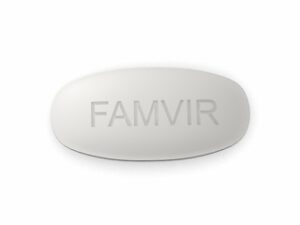
Famciclovir is an antiviral medicine used to treat certain viral infections, particularly those caused by herpes viruses. It works by slowing the growth and spread of the virus in the body, helping to reduce the duration of symptoms and the chance of complications for many people.
This page provides general, patient-friendly information about famciclovir, including how it works, how it is used, typical dosing timing, safety considerations, and practical tips. Always follow the advice provided by your healthcare professional or the instructions on your medicine label.
Key product information
| Feature | What to know |
|---|---|
| Medicine name | Famciclovir |
| Class | Antiviral (systemic) |
| Common uses | Herpes zoster (shingles), genital herpes, and some other herpes-related infections (as advised by a clinician) |
| How it works | Converted in the body to penciclovir, which helps stop viral DNA replication |
| How it’s taken | Usually as tablets by mouth, with dosing depending on the condition and your kidney function |
| Typical timing | Often most effective when started as early as possible after symptoms begin |
How famciclovir works (mechanism of action)
Famciclovir belongs to a group of medicines known as antivirals that target viruses in the herpes family. After you swallow famciclovir, your body converts it to an active form called penciclovir.
Penciclovir then interferes with viral replication. In simple terms:
- The active form becomes activated inside infected cells.
- It inhibits the virus’s ability to copy its genetic material (viral DNA).
- This reduces the spread of the virus and helps your symptoms improve faster.
Famciclovir does not “cure” herpes viruses permanently. Instead, it helps manage active infections and may be used to reduce the impact of outbreaks when appropriate.
Pharmacokinetics: how the body processes it
Understanding pharmacokinetics (what your body does to the medicine) can help you take it correctly. Key points include:
- Conversion to the active drug: Famciclovir is metabolised to penciclovir.
- Absorption: It is absorbed after oral dosing and converted to its active form.
- Distribution: The active metabolite reaches tissues where herpes viruses replicate.
- Elimination: The medicine and its metabolites are cleared mainly through the kidneys. If you have kidney disease, your dose may need adjustment.
Because renal function can affect medicine levels, dosing may differ between individuals, especially for older adults or people with reduced kidney function.
Typical uses (indications)
Famciclovir is commonly used to treat infections caused by herpes viruses. The most frequent indications include:
- Herpes zoster (shingles): Helps reduce the duration of pain and the severity of the rash when started early.
- Genital herpes: Used for treatment of episodes and sometimes for prevention of recurrent outbreaks depending on the clinical plan.
- Other herpes-related infections: In some cases, clinicians may recommend it based on diagnosis and local guidance.
Exact suitability depends on your diagnosis, symptom timing, immune status, and kidney function.
When to start: timing and effectiveness
Antiviral medicines work best when they are started as early as possible after symptoms begin. For many people:
- Shingles: Starting within the first 72 hours of rash onset is commonly recommended for best benefit. Some benefit may still occur outside that window depending on symptoms and severity.
- Genital herpes outbreaks: Starting at the first signs of an outbreak (for example, tingling, itching, burning, or early lesions) can help reduce symptom duration.
If you’re unsure when symptoms started, consider speaking with a healthcare professional promptly—timing matters.
Dosing: typical adult approaches
Dosing for famciclovir can vary by indication and individual factors. Your clinician will determine the dose and duration. The information below is presented to help you understand typical regimens.
Important: Do not change your dose without medical advice. If you miss a dose, follow the instructions given on your medicine label or seek advice from a pharmacist.
Typical dosing patterns (examples)
- Shingles (herpes zoster): A common approach involves multiple daily doses over a short course (often 7 days). Your prescriber may adjust duration and frequency.
- Genital herpes (treatment of an episode): Often taken as a short course, or sometimes as intermittent dosing depending on the outbreak pattern and your plan.
- Genital herpes (suppression/recurrence prevention): In some cases, a regular daily regimen is used to reduce the frequency of outbreaks. Your clinician may periodically review the need for ongoing use.
Kidney function and dose adjustments
Because famciclovir is eliminated mainly via the kidneys, your dose may be reduced if you have impaired kidney function. Tell your pharmacist or healthcare professional if you have:
- chronic kidney disease
- reduced urine output
- a history of kidney problems or dialysis
- elderly age with known kidney concerns
How to take famciclovir (practical use tips)
- Take at the prescribed times: Many regimens require several doses per day. Setting reminders can help.
- With or without food: Famciclovir can usually be taken with or without food. Follow your label instructions.
- Complete the course: Even if you start to feel better, finish the course unless advised otherwise.
- Hydration: Drink water as you normally would. Good hydration may be beneficial, particularly if you have kidney concerns.
- Manage symptoms: Pain relief and skin care measures may be needed alongside antiviral therapy for conditions like shingles.
Food interactions
Famciclovir is generally not significantly affected by food for most people, so it can often be taken with a meal or on an empty stomach. However, the most practical approach is to take it the way your label instructs.
If you have stomach upset when taking tablets, taking doses with food may improve comfort. Avoid starting new supplements or herbal products without checking first, especially if you have other medicines.
Alcohol and medicine interactions
Alcohol
There is no universal rule that you must avoid alcohol completely while taking famciclovir, but alcohol can:
- worsen dehydration
- increase the chance of feeling unwell
- affect sleep and pain perception (important for shingles-related discomfort)
If you choose to drink alcohol, consider limiting the amount and ensure you stay well hydrated. If you notice dizziness, nausea, or worsening symptoms, avoid alcohol and talk to a pharmacist.
Other medicine interactions
Famciclovir can interact with other medicines in some circumstances. This may be particularly relevant for:
- Medicines that affect kidney function (or are cleared by the kidneys)
- Other antiviral agents
- Medicines that affect the immune system (for example, in some transplant or immune conditions)
Always provide your pharmacist or clinician with a full list of medicines, including:
- prescription medicines
- over-the-counter medicines
- vitamins and supplements
- herbal products
This helps avoid unexpected effects and ensures the dosing plan is appropriate.
Safety profile and side effects
Like all medicines, famciclovir can cause side effects. Many people experience none or only mild effects. If you develop serious symptoms, seek urgent medical assistance.
Common side effects
- headache
- nausea
- diarrhoea
- fatigue or general unwell feeling
- dizziness (in some people)
Less common but important reactions
- Allergic reactions: rash, itching, swelling of the face/lips, breathing difficulty. Seek urgent help if you have signs of allergy.
- Kidney-related concerns: changes in urination, unusual swelling, or severe back pain (especially if you already have kidney disease).
- Severe skin reactions: blistering rash or widespread skin peeling requires urgent attention.
When to contact a healthcare professional promptly
- symptoms rapidly worsen despite treatment
- you develop fever or severe headache during an infection
- you are immunocompromised (for example, certain treatments or conditions)
- you have kidney disease or are unsure about your kidney function
Special populations
Older adults
Older adults are more likely to have reduced kidney function. Dose adjustments may be needed, and it is especially important to follow label directions and stay hydrated.
People with kidney impairment
If you have kidney disease, your prescriber may prescribe a lower dose or different schedule. Tell your clinician if you have had kidney problems or abnormal lab results.
Pregnancy and breastfeeding
The safety of famciclovir in pregnancy and breastfeeding depends on the individual situation. If you are pregnant, planning pregnancy, or breastfeeding, discuss risks and benefits with a healthcare professional.
Immunocompromised individuals
People with weakened immune systems may require different treatment approaches. If you are immunocompromised, seek medical advice early.
Indications in practical terms: what it’s used for
Below are common scenarios where famciclovir may be considered and how it may help:
- Shingles (herpes zoster): Antiviral treatment can help reduce viral replication and may lower the duration of rash and acute pain. It may also reduce risk of complications in some cases when started early.
- Genital herpes: Antiviral treatment can help treat outbreaks by reducing symptom severity and shortening healing time. Suppressive therapy may reduce the frequency of recurrences for suitable patients.
- Reducing severity at first symptoms: Taking the medicine early in an outbreak can improve outcomes.
Alternative options
Depending on your diagnosis, severity, and medical history, other antivirals may be considered by clinicians. Common alternatives include:
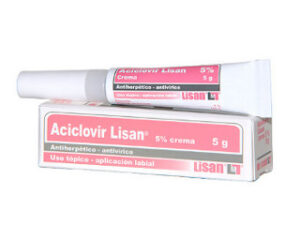
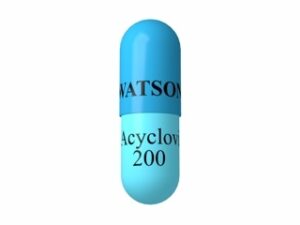
- Acyclovir
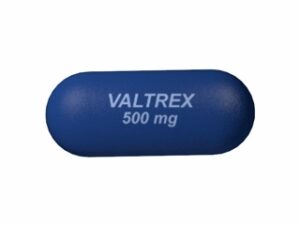
- Valaciclovir
- Other herpes-directed antiviral regimens based on the condition
Which option is best can depend on factors such as dosing convenience, kidney function, and the specific infection. A pharmacist or doctor can advise on the most appropriate choice for your situation.
Market and legal context for Australia
Medicines availability and prescribing rules can vary. In Australia, antiviral medicines such as famciclovir are regulated under the national medicines framework, and access to specific medicines depends on scheduling and clinical assessment requirements.
For online purchasing, legitimate pharmacies comply with Australian regulations, including:
- verification processes where required
- safe supply practices
- clear labelling and consumer information
- privacy and data handling consistent with Australian expectations
If you are unsure whether famciclovir is suitable for you, consider speaking with a pharmacist. They can also advise on general management of shingles and genital herpes, including supportive care and risk reduction.
Recent guidance and clinical considerations
Clinical recommendations for herpes antiviral treatment can evolve as new evidence emerges. In Australia, clinicians typically follow current national or specialist guidance, which often emphasises:
- Early initiation of antivirals when appropriate
- Appropriate dosing based on indication and kidney function
- Symptom and pain management, particularly for shingles
- Assessment of recurrence pattern for people with genital herpes
- Monitoring for complications or treatment failure
If you have recurrent outbreaks, severe symptoms, unusual rash patterns, or are immunocompromised, you should seek timely medical advice.
Delivery and availability (online pharmacy)
Availability of famciclovir may vary by brand and strength. When ordering online, you can typically expect:
- Product selection showing the form and strength (as provided by the pharmacy)
- Estimated delivery times depending on your location in Australia
- Secure packaging for temperature and handling conditions
- Tracking information where offered
If you need the medicine quickly (for example, when symptoms began recently), choose the fastest delivery method available and ensure the address is correct.
Practical care tips alongside famciclovir
Antiviral medicines work best when combined with supportive measures. Consider the following tips:
- For shingles: keep the rash clean and covered if needed to reduce irritation and contact. Avoid scratching. Use pain relief strategies as advised by your clinician or pharmacist.
- For genital herpes: avoid sexual contact during active outbreaks and consider barrier protection for periods of risk (discuss with a healthcare professional). Maintain gentle skin hygiene and avoid irritants.
- Reduce transmission risk: even with treatment, virus shedding can occur. Follow advice regarding safer sex practices.
- Observe improvement: if symptoms do not improve as expected, seek advice promptly.
FAQ about famciclovir
1) What is famciclovir used for?
Famciclovir is an antiviral medicine used for infections caused by herpes viruses, most commonly shingles (herpes zoster) and genital herpes, as determined by your diagnosis and clinical plan.
2) How soon will I feel better?
Many people notice improvement within a few days, especially when they start treatment early. However, healing time and symptom relief can vary depending on the condition and severity.
3) Can I take famciclovir with food?
Yes, it is generally possible to take famciclovir with or without food. If it upsets your stomach, taking it with a meal may help. Follow your label instructions.
4) Should I avoid alcohol?
Moderate alcohol may be acceptable for some people, but alcohol can worsen dehydration and make you feel unwell. If you have symptoms like dizziness or nausea, consider avoiding alcohol while you’re taking the medicine.
5) What if I have kidney disease?
Dose adjustment may be required. Tell your pharmacist or doctor about kidney problems and any recent kidney function test results.
6) Are there alternatives to famciclovir?
Yes. Depending on your condition, other antivirals such as acyclovir or valaciclovir may be used. A pharmacist can help discuss options based on your needs.
7) Can I take famciclovir with other medicines?
Some medicines may interact with antiviral treatment or affect kidney function. Provide a complete list of medicines and supplements to your pharmacist before starting.
8) What should I do if I miss a dose?
If you miss a dose, take it when you remember unless it’s close to the next scheduled dose. Do not double up. Refer to the instructions on your label or ask your pharmacist for guidance.
9) When should I seek medical help urgently?
Seek urgent help if you have signs of a serious allergic reaction (such as swelling of the face/lips or trouble breathing), severe skin reactions, or severe symptoms that rapidly worsen.
10) Is famciclovir the same as creams for herpes?
No. Famciclovir is an oral antiviral medicine that works systemically. Creams or topical treatments may be used for some conditions, but the choice depends on the diagnosis and severity.
Summary
Famciclovir is an antiviral medicine used to treat herpes virus infections such as shingles and genital herpes. It is converted in the body to penciclovir, which helps inhibit viral DNA replication and can reduce symptom duration when started early. Dosing varies by indication and kidney function, so it’s important to follow label instructions and seek advice if you’re unsure.
If you have questions about whether famciclovir is suitable for you or how to take it safely with other medicines, consult a pharmacist. Early treatment and supportive care can make a meaningful difference.