
Valacyclovir (Valtrex® and generics) – Patient Information (Australia)
Valacyclovir is an antiviral medicine used to treat and, in some situations, prevent herpes virus infections. It is commonly prescribed for infections caused by Herpes simplex (cold sores and genital herpes) and Varicella zoster (shingles). Many people find it helpful because it can reduce the duration of outbreaks when taken early.
This page provides patient-friendly information about how valacyclovir works, how it is used, typical timing, food and alcohol considerations, important safety notes, and practical tips. It also includes frequently asked questions relevant to consumers in Australia.
Basic product information
- Active ingredient: Valacyclovir
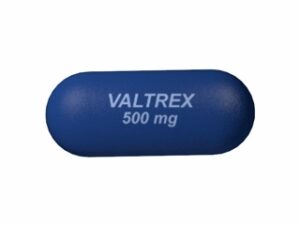
- Common brand examples: Valtrex® (brand and generic equivalents)
- Medicine type: Antiviral (nucleoside prodrug)
- Available forms (commonly): Oral tablets
- Typical strengths (may vary by brand): 250 mg, 500 mg, and other strength variants
- How it is taken: By mouth with water
Note: Brand names and tablet strengths can vary. Always check the label for the specific product you receive.
How valacyclovir works (mechanism of action)
Valacyclovir is a prodrug, meaning it is converted in the body into the active antiviral compound.
- After you swallow valacyclovir, your body converts it into acyclovir.
- Acyclovir interferes with viral DNA replication by blocking a viral enzyme involved in copying the virus.
- This slows and stops the growth of herpes viruses, allowing your immune system to clear the infection more effectively.
- Because herpes viruses rely heavily on viral replication, antiviral therapy is most effective when started early in an outbreak.
Pharmacokinetics: absorption, distribution, and elimination (what the body does)
Understanding how the medicine behaves can help explain practical dosing and timing.
- Absorption: Valacyclovir is well absorbed after oral dosing and is converted to acyclovir.
- Conversion: Conversion to acyclovir primarily happens via enzymes in the liver and intestinal wall.
- Distribution: Acyclovir distributes into body tissues, including areas affected by herpes viruses.
- Elimination: Acyclovir is mainly eliminated by the kidneys through urine.
- Kidney function matters: Because elimination is renal, people with reduced kidney function may need dose adjustments and extra hydration.
Practical takeaway: Drink water as directed and inform your clinician/pharmacist if you have kidney disease or reduced kidney function.
Typical uses (indications)
Valacyclovir is used for infections including:
1) Herpes simplex virus (HSV)
- Cold sores (herpes labialis): Helps treat outbreaks, especially when started at the earliest symptoms.
- Genital herpes (HSV-1 or HSV-2): Used to treat episodes and, in certain circumstances, to reduce recurrence.
2) Herpes zoster (shingles)
- Shingles (herpes zoster): Antiviral treatment is most beneficial when started soon after rash onset.
3) Suppression (reducing recurrences)
- Recurrent genital herpes: In some patients, longer-term therapy may be considered to reduce the frequency of outbreaks.
Important: The exact indication and schedule depend on the type of infection and your clinical situation.
Dosing and timing (how to take valacyclovir)
Dosing schedules vary by condition, severity, and kidney function. Below are common dosing patterns used in practice in Australia. Your healthcare professional should provide the exact regimen for you.
| Condition | Common adult approach (examples) | Timing and key notes |
|---|---|---|
| Cold sores (HSV) | Often a short course of tablets | Start as early as possible when symptoms begin (tingling, itching, burning, or first sore). |
| Genital herpes (episodic treatment) | Course length and number of doses vary | Start promptly at the first signs of an outbreak to get the best benefit. |
| Genital herpes (suppression) | Daily dosing may be used | Take at the same time each day; don’t miss doses. |
| Shingles (herpes zoster) | Multiple doses per day for several days | Most effective when started within 72 hours of rash onset; earlier is better. |
Kidney considerations: Because valacyclovir is removed by the kidneys, clinicians may adjust dose frequency or quantity if you have kidney impairment.
How to take it
- Swallow tablets whole with a full glass of water.
- Space doses evenly through the day if you are taking more than one dose.
- Complete the full course even if you feel better.
- If you miss a dose, take it when you remember—unless it’s near the time for your next dose. Do not double up.
Food interactions: can you take valacyclovir with meals?
Valacyclovir can generally be taken with or without food. Food may help reduce stomach upset for some people.
- If you notice nausea, consider taking it with a meal or snack.
- Stay well hydrated regardless of meals.
Tip: Follow the routine that best helps you remember doses consistently.
Alcohol and medicine interactions
For most people, moderate alcohol does not create a direct, well-known interaction with valacyclovir. However, alcohol can worsen side effects such as:
- nausea or stomach discomfort
- dizziness or drowsiness
- dehydration (which is relevant because acyclovir is cleared by the kidneys)
Safer approach:
- Consider avoiding or limiting alcohol while taking valacyclovir, especially if you feel unwell.
- Drink water regularly.
Tell your pharmacist if you drink heavily or have liver or kidney issues, as these can affect how your body handles medicines.
Medicine interactions (other medicines you should mention)
Valacyclovir can interact with certain medications, mainly by affecting how the kidneys handle drug clearance.
- Medicines that affect kidney function (for example, certain diuretics, some blood pressure medicines, and other drugs cleared by the kidneys).
- Nephrotoxic medicines (medicines that can be harmful to the kidneys in some situations).
- Other antivirals or medications that may add to kidney workload.
Important: If you take multiple medications (including over-the-counter products, herbal supplements, or pain relief medicines), ask a pharmacist to check for interactions.
Safety profile: side effects and when to get help
Like all medicines, valacyclovir can cause side effects. Many people experience none or only mild effects.
Common side effects
- headache
- nausea
- abdominal discomfort
- dizziness
- fatigue
Less common but important adverse effects
- Kidney-related effects: In rare cases, especially if dehydrated or with kidney disease, acyclovir can affect kidney function.
- Neurological effects: Very rarely, people may experience confusion, agitation, or unusual neurologic symptoms, typically in higher-risk situations such as kidney impairment.
- Allergic reactions: Hives, swelling of the face/lips, difficulty breathing, or widespread rash.
Seek urgent medical help if
- you have signs of an allergic reaction (swelling, breathing difficulty, severe rash)
- you become severely unwell, dehydrated, or have reduced urine output
- you develop severe headache, confusion, or significant behavioural changes
Who should take extra care
- people with kidney impairment
- older adults (kidney function can decline with age)
- people who are dehydrated or have vomiting/diarrhoea
- people taking other medicines that may affect kidneys
- people with a history of allergic reactions to similar antivirals
Practical use tips for better outcomes
Valacyclovir works best when used correctly and at the right time. The following tips are aimed at improving effectiveness and comfort.
- Start early: Begin at the earliest signs of an outbreak (tingling/burning, early rash, or prodromal symptoms).
- Don’t stop early: Finish the prescribed course even if symptoms improve.
- Hydrate: Drink adequate water unless you’ve been advised to restrict fluids.
- Keep to a schedule: Use phone reminders if you are on multiple daily doses or a daily suppression regimen.
- Use gentle skin care: For shingles or cold sores, keep the area clean and dry, and avoid harsh products that irritate skin.
- Reduce transmission risk: Herpes can be contagious during active outbreaks. Avoid skin-to-skin contact with sores and follow safe sex guidance.
Alternative options (other treatments you may discuss)
Depending on the virus type and your medical history, there are other antiviral options. Your pharmacist or clinician can advise which is most appropriate.
Common alternatives
- Acyclovir (often requires more frequent dosing; may be used for certain HSV or shingles regimens).
- Famciclovir (another antiviral option with different dosing schedules).
Supportive measures
- Pain relief and skin care for shingles discomfort
- Symptom management for cold sore outbreaks
- For recurrent genital herpes, strategies may include suppressive antiviral therapy and sexual health prevention measures
Note: Choice of medicine may depend on availability, dosing frequency, kidney function, and clinical goals (episodic treatment versus suppression).
Market and legal context in Australia (consumer perspective)
In Australia, medicines are regulated by the Therapeutic Goods Administration (TGA). Valacyclovir is a prescription medicine in most circumstances, and supply is usually provided through authorised channels. Pharmacy staff can provide guidance on safe use, interactions, and suitability.
Availability: In Australia, valacyclovir is commonly available through community pharmacies and reputable online pharmacy services that comply with Australian regulations and require appropriate patient assessment where necessary.
Important: Always ensure any medicine you purchase is sourced through legitimate, Australian-compliant suppliers to reduce the risk of counterfeit products.
Recent guidance and clinical considerations (current practice themes)
While individual recommendations may vary, clinical practice in Australia commonly emphasises:
- Early initiation for maximum benefit (especially for shingles and cold sore/HSV episodes).
- Kidney assessment or caution with dose selection in people with kidney impairment.
- Hydration during treatment to lower the risk of kidney-related complications.
- Adherence to dosing schedules (including daily suppression regimens when recommended).
- Monitoring for unusual symptoms, particularly in higher-risk groups.
If you are unsure about whether valacyclovir is appropriate for your specific symptoms, consult a healthcare professional.
Delivery and availability (what to expect when ordering online)
When ordering valacyclovir online through compliant pharmacy services in Australia, you can typically expect:
- Secure checkout and identity/patient detail verification as required
- Pharmacist review where applicable, including checks for suitability and interactions
- Discreet packaging and careful handling
- Delivery timeframes depending on your location (metro vs regional)
Storage: Store tablets according to the label (typically at room temperature, away from moisture and heat). Keep out of reach of children.
Availability note: Stock may vary by strength and manufacturer. If a specific strength is unavailable, a pharmacist may advise on alternatives or substitutions if appropriate.
FAQ
1) How soon will valacyclovir start working?
Many people notice improvement in symptoms within 1–2 days, but results vary depending on the condition and how early treatment begins. Starting at the earliest signs generally improves outcomes.
2) What if I’m already past the first day of a cold sore or genital herpes outbreak?
Valacyclovir can still help, but benefit is usually greatest when started early. If you’re unsure, speak with a pharmacist—timing and your history matter.
3) Can I take valacyclovir during a shingles flare if the rash started several days ago?
Antiviral treatment is most effective within 72 hours of rash onset, but clinicians may still consider treatment later depending on circumstances (for example, severity, location, or risk factors). Seek advice promptly.
4) Is valacyclovir safe for everyone?
Most people can take valacyclovir safely when used appropriately. Extra caution is needed for kidney impairment, dehydration, older age, and those taking interacting medications. Always check your situation with a pharmacist.
5) Can I take it with other medicines?
Some medicines may affect kidney function or interact indirectly by increasing renal workload. Tell your pharmacist about all medicines you take, including over-the-counter products and supplements.
6) Does valacyclovir cure herpes?
Valacyclovir controls outbreaks and reduces viral replication, but it does not permanently remove the virus from the body. People may experience recurrence over time, especially without suppression therapy.
7) Can I drink alcohol while taking valacyclovir?
Moderate alcohol may not have a direct interaction for many people, but alcohol can worsen side effects and dehydration risk. Limiting alcohol and staying hydrated is the safest approach.
8) What should I do if I miss a dose?
Take it when you remember unless it’s close to the next dose. Do not double up. If you miss multiple doses, ask a pharmacist for guidance.
9) When should I call my doctor or seek urgent care?
Seek urgent help for signs of allergy (swelling, breathing difficulty, severe rash), severe or worsening symptoms, reduced urine output/dehydration, or unusual confusion/neurologic symptoms—particularly if you have kidney issues.
10) Can valacyclovir reduce transmission?
During outbreaks, herpes is contagious. Antiviral therapy can reduce viral shedding and outbreak duration for some people. Safe sex and avoiding skin-to-skin contact with active lesions remain important.
Summary
Valacyclovir is an oral antiviral medicine commonly used to treat herpes infections such as cold sores, genital herpes, and shingles. It works by converting to acyclovir, which helps stop the virus from replicating. It is generally effective when started early, taken consistently, and supported by good hydration.
If you have kidney problems, are older, are dehydrated, or take other medicines, it’s important to get advice about the safest dosing approach. For the best results, start treatment promptly and follow your dosing schedule.