
Famvir (Famciclovir) – Patient-Friendly Medicine Information (Australia)
Famvir is a brand of the antiviral medicine famciclovir. It is used to treat certain viral infections, most commonly caused by herpes viruses such as herpes simplex and herpes zoster (shingles). This guide explains how Famvir works, how it’s typically used, what to expect, and important safety considerations.
Always follow the dosing instructions provided with your medicine. If you have questions or concerns, speak with your healthcare professional.
At a glance: key facts
- Medicine: Famvir (famciclovir)
- Class: Antiviral (nucleoside analogue)
- Common uses: Shingles (herpes zoster), genital herpes (HSV), and recurrent herpes outbreaks
- Typical dosing: Depends on the condition, severity, and kidney function
- How it helps: Reduces viral replication, helping symptoms resolve sooner and lowering duration of outbreaks
- Important notes: Dose adjustments may be needed in kidney disease; stay hydrated when possible
Basic product information
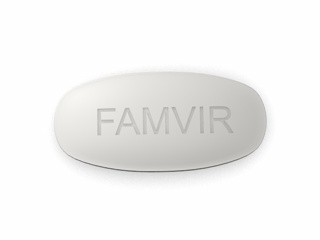
Famvir contains famciclovir, a prodrug that is converted in the body to its active form. It is available in tablet strengths in many markets, and supply may vary. In Australia, availability and brand presentation depend on current prescribing and pharmacy supply.
| Feature | Information |
|---|---|
| Active ingredient | Famciclovir |
| Common brand name | Famvir |
| Drug type | Antiviral medicine |
| Target viruses | Herpesviruses, including HSV and VZV (varicella-zoster virus) |
| Routes | Oral tablets |
| Onset of benefit | Often best when started early in the illness/outbreak |
How Famvir works (mechanism of action)
Famciclovir is converted to an active antiviral compound (penciclovir) inside the body. Penciclovir works by interfering with viral DNA replication.
In simple terms:
- Famciclovir enters your bloodstream after you take the tablet.
- It is converted to penciclovir (the active drug).
- Penciclovir is taken up by infected cells and helps stop the virus from copying its genetic material.
- The virus can’t replicate effectively, allowing your immune system to clear the infection.
Pharmacokinetics: how the medicine moves in the body
“Pharmacokinetics” describes what happens after dosing—absorption, conversion, distribution, metabolism, and elimination. Individual responses can vary, especially with kidney function.
Absorption and conversion
- After oral use, famciclovir is absorbed and rapidly converted to penciclovir.
- Peak active levels occur after dosing, with the exact timing varying between individuals.
Distribution
The active metabolite (penciclovir) reaches tissues affected by herpes virus infections. This is one reason it can be effective for localized infections such as shingles and recurrent herpes outbreaks.
Elimination and kidney function
- Penciclovir is eliminated primarily through the kidneys.
- If you have reduced kidney function, your dose may need adjustment to reduce the risk of side effects.
- Inform your pharmacist or clinician if you have kidney disease or if you’ve ever had abnormal kidney tests.
Typical uses and indications
Famvir is used to treat and manage infections caused by herpes viruses. Common clinical uses include:
- Herpes zoster (shingles): Often most effective when started soon after rash onset.
- Genital herpes (herpes simplex virus): Used for acute episodes and to reduce the frequency of recurrences in some cases.
- Recurrent herpes outbreaks: Helps manage symptoms during outbreaks and may be used in longer-term strategies depending on the situation.
The most appropriate use depends on your symptoms, history of recurrences, severity, and overall health. Your healthcare professional can confirm which condition you’re treating and what regimen fits best.
Timing: when to start Famvir for best results
Antiviral medicines generally work best when started early—ideally at the start of symptoms. If you wait until the rash is well established or pain has progressed, the benefit may be smaller.
General timing tips
- Shingles: Starting within the first 72 hours of rash appearance is often recommended for best results.
- Genital herpes outbreaks: Starting soon after symptoms begin (e.g., tingling, itching, burning, or early lesions) can help shorten the outbreak.
- If you’re unsure whether your symptoms fit, seek medical advice promptly.
Dosing: what to expect
Dosing regimens vary by indication and your kidney function. The information below is a general overview of dosing patterns people commonly encounter, but it does not replace your individual instructions.
Common dosing patterns (overview)
| Condition (examples) | Typical regimen pattern | Notes |
|---|---|---|
| Shingles (herpes zoster) | Often taken 2–3 times daily for a short course | Usually started as early as possible after rash onset |
| Genital herpes – first episode or acute outbreak | Typically taken for several days | Regimen depends on severity and clinician assessment |
| Recurrent genital herpes | Either short course at outbreak onset or longer-term strategy for prevention | May vary based on outbreak frequency |
Kidney considerations
If you have impaired renal function, your prescribed dose may be reduced and/or dosing frequency may change. Do not change your dose without medical advice.
How to take Famvir
- Take tablets as directed by your pharmacist or clinician.
- Try to take each dose at even intervals when dosing is multiple times daily.
- If you miss a dose, take it when you remember unless it’s close to the next dose. Do not take double doses.
Food interactions and taking with meals
Famciclovir is generally not significantly affected by food for most people. Many antiviral medicines of this type can be taken with or without meals.
- If your medicine label instructs “with food” or provides specific guidance, follow that instruction.
- If you find the medicine upsets your stomach, taking it with food may improve comfort.
- Stay consistent: taking it the same way each day can help you remember doses.
If you’re taking other medicines at the same time, it can help to separate doses and maintain a simple schedule unless your clinician advises otherwise.
Alcohol and medicine interactions
Moderate alcohol is not always listed as a direct interaction with famciclovir; however, alcohol can worsen overall wellbeing and may increase the chance of dehydration or missed doses.
Alcohol: practical guidance
- Best approach: Consider limiting alcohol while you’re unwell or experiencing active symptoms.
- Hydration matters: Drink adequate fluids, especially if you have fever, pain, or reduced appetite.
- Avoid binge drinking: It can worsen side effects such as dizziness or fatigue and can interfere with your routine.
Interactions with other medicines
Famciclovir is mainly eliminated through the kidneys, so medicines that affect kidney function may be relevant. Always tell your pharmacist about your complete medication list, including:
- Prescription medicines
- Over-the-counter products (including cold/flu remedies)
- Herbal products and supplements
- Recent changes to medicines or doses
If you have multiple medications or take medicines that influence kidney function, a pharmacist can check for potential interactions and clarify any spacing requirements.
Safety profile: side effects and what to do
Like all medicines, Famvir can cause side effects. Many people experience none or only mild effects. Side effects can also depend on your health status and kidney function.
Common side effects (may include)
- Headache
- Nausea or stomach discomfort
- Diarrhoea
- Dizziness or fatigue
Seek urgent medical help if you have
- Signs of an allergic reaction: swelling of face/lips, difficulty breathing, widespread rash, or severe itching
- Severe symptoms such as persistent vomiting, severe headache with confusion, or collapse
- Signs of kidney problems (especially if you already have kidney disease): reduced urination, unusual swelling, or severe back/flank pain
Who should take extra care
- People with kidney disease or reduced kidney function
- Older adults (kidney function may decline with age)
- People with a history of medication allergies
- People with weakened immune systems (e.g., after transplant or with certain conditions) — dosing and monitoring may differ
Practical use tips for day-to-day success
1) Start early
If you suspect shingles or an outbreak of herpes symptoms, contact a healthcare professional promptly. The sooner antiviral treatment begins, the better the chance of reducing symptom duration and complications.
2) Finish the course as directed
Even if you feel better, continue the medicine for the full recommended duration. Stopping early can reduce effectiveness.
3) Manage discomfort safely
Shingles and herpes can be painful. Pain relief often involves medicines such as paracetamol or ibuprofen (if appropriate for you). If you have other health conditions (e.g., ulcers, kidney disease, anticoagulant use), ask a pharmacist what’s safe for you.
4) Reduce spread where relevant
Herpes viruses can be contagious. While antiviral medication helps reduce viral activity, it does not eliminate transmission risk. Consider:
- Avoid direct contact with active lesions
- Use safe sex practices during outbreaks and discuss risk with a partner
- Keep the rash/affected area clean and covered if appropriate
- Wash hands frequently
5) Stay hydrated
Adequate fluid intake supports kidney function and can improve tolerance to medicines. Follow any fluid restrictions your clinician has provided.
Alternative options to Famvir
Depending on the viral infection, timing, and your medical history, other antiviral medicines may be considered. Alternatives commonly include antivirals in the same general family of herpes treatments.
Other medicines your healthcare professional might consider
- Acyclovir
- Valaciclovir
- Brivudine (in some countries for specific indications—availability may differ)
The best choice depends on factors such as dosing convenience, kidney function, the specific condition being treated, and local prescribing guidance. A pharmacist can help compare options if you have previously used other antivirals.
Market and legal context for Australia
In Australia, antiviral medicines like famciclovir are regulated under the national medicines framework. How they are supplied (and the requirements around obtaining them) can vary based on product status, strength, and current policy.
When ordering online, reputable pharmacies will typically use appropriate identity and medication safety checks. Always ensure you’re buying from an Australian-licensed pharmacy or a service authorised to supply medicines in Australia.
If you’re concerned about eligibility or supply, check the pharmacy’s product page for information on availability in your area and any required steps before dispatch.
Recent guidance and clinical considerations (general)
Clinical practice for antivirals in herpes viruses often emphasises:
- Early treatment for shingles (commonly within 72 hours of rash onset)
- Individualised regimens for genital herpes based on outbreak frequency and patient factors
- Kidney function assessment for dosing adjustments
- Assessment of immune status in people at higher risk of severe disease
Guidance may be updated over time based on emerging evidence and local recommendations. For personalised advice, speak with a healthcare professional or pharmacist.
Delivery and availability in Australia (online pharmacy)
Availability can vary by supplier and location. When ordering online, delivery options may include standard or express shipping. Some areas may experience longer dispatch times depending on stock levels and courier routes.
What to check before ordering
- Stock status shown on the product page
- Expected dispatch time (e.g., “ships within 24–48 hours”)
- Delivery timeframes for your postcode
- Packaging and storage instructions
- Whether your order includes any patient information sheets
If you’re running out of medicine or need urgent treatment (e.g., shingles), consider ordering as soon as possible.
How to store Famvir
- Store tablets at room temperature (unless your label states otherwise).
- Keep in the original packaging to protect from moisture.
- Keep out of reach of children.
- Check the expiry date on the pack; do not use if expired.
Frequently asked questions (FAQ)
1) Is Famvir the same as famciclovir?
Yes. Famvir is a brand name; the active ingredient is famciclovir.
2) Can I take Famvir with food?
Many people can take famciclovir with or without food. If your product instructions specify “with food,” follow that advice. If you feel nauseated, taking it with a meal may help.
3) What should I do if I miss a dose?
Take the missed dose when you remember unless it’s close to your next dose. Do not take double doses to catch up. If you’re unsure, ask your pharmacist.
4) How soon will I feel better?
Response varies by condition and timing. Starting early often improves outcomes. Some symptoms may begin to ease within a few days, while pain (especially with shingles) can take longer to resolve.
5) Does Famvir cure herpes?
Famvir helps control active viral replication and can reduce the duration and severity of outbreaks. Herpes viruses can remain in the body and may cause recurrences.
6) Can I drink alcohol while taking Famvir?
There is not always a direct, strict interaction with alcohol for everyone, but alcohol may worsen wellbeing and can contribute to dehydration. If you choose to drink, keep it moderate and monitor how you feel. If you’re unwell, consider avoiding alcohol until you recover.
7) Are there any medicines I should avoid?
Many interactions are unlikely, but because famciclovir is eliminated via the kidneys, medicines that affect kidney function may be relevant. Provide your full list of medicines and supplements to a pharmacist to check for interactions.
8) Is Famvir safe for people with kidney problems?
It can be used, but dosing often needs adjustment. If you have kidney impairment, speak with your pharmacist or clinician before starting treatment so the dose matches your kidney function.
9) What are warning signs that I should contact a doctor urgently?
Seek urgent help for suspected allergy (swelling, breathing trouble, widespread rash), severe or worsening symptoms, or signs suggestive of kidney issues such as markedly reduced urination or severe pain.
10) What if my symptoms are not typical?
Sometimes conditions can resemble herpes or shingles (for example, dermatitis, bacterial skin infections, or other causes of rash). If symptoms are unusual, severe, involve the eyes, or you are immunocompromised, get medical advice promptly.
Summary
Famvir (famciclovir) is an antiviral medicine used to treat herpes virus infections such as shingles and genital herpes. It works by stopping viral DNA replication after it is converted to its active form in the body. For best results, start treatment early and follow the recommended dosing schedule.
If you have kidney disease, are taking multiple medicines, or have a history of medicine allergies, discuss this with your pharmacist. During treatment, monitor for side effects and seek urgent help for severe reactions or concerning symptoms.