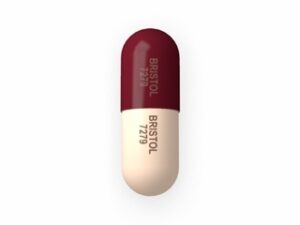


Nitrofurantoin
Nitrofurantoin is a well-established antibiotic used to treat certain bacterial infections of the urinary tract. It is commonly prescribed in Australia for specific types of bladder infections (cystitis). This page explains how nitrofurantoin works, how it behaves in the body, when it’s typically used, and practical safety and usage tips to help you use it correctly.
Quick facts
- Medicine name: Nitrofurantoin
- Common form: Capsules (often immediate-release or modified-release, depending on brand/product)
- Where it works best: In the urinary tract, particularly the bladder
- Common use: Uncomplicated urinary tract infections (UTIs), including bladder infections
- Not suitable for: Kidney infections (pyelonephritis) and some complicated UTIs
Basic product information (Australia-focused)
Nitrofurantoin is an antibiotic listed in Australian medicines references and is available through pharmacies. The exact product (brand, capsule strength, and whether it is immediate-release or modified-release) can vary. Always check the label and instructions provided with your specific product.
| Category | What to know |
|---|---|
| Antibiotic type | Nitrofuran antibiotic used mainly for bladder infections |
| Typical infection site | Urinary tract, especially bladder urine |
| Important limitation | Generally not used for suspected kidney infection |
| How it’s taken | By mouth, with timing based on the product and infection type |
How nitrofurantoin works (mechanism of action)
Nitrofurantoin is converted inside bacteria into reactive intermediates that damage essential bacterial components. This leads to bacterial cell death. It is especially effective against many bacteria that cause common urinary tract infections, such as certain strains of Escherichia coli.
A key clinical feature is that nitrofurantoin achieves therapeutic levels in urine, which helps target infection in the urinary tract. This is one reason it is used for bladder infections rather than deep kidney infections.
Pharmacokinetics: what happens in the body
Pharmacokinetics describes how the body absorbs, distributes, metabolises, and excretes a medicine. For nitrofurantoin, several practical points matter:
- Absorption: Nitrofurantoin is absorbed after you take it by mouth. Taking it with food can improve tolerability.
- Distribution: It concentrates in urine. The amount reaching urine is important for its effect.
- Metabolism: It is partly metabolised in the body.
- Elimination: It is cleared mainly through the kidneys into the urine.
- Kidney function matters: If kidney function is significantly reduced, nitrofurantoin may be less effective and may increase risk of side effects.
Because clearance depends on kidney function, clinicians consider kidney health when choosing nitrofurantoin. If you have known kidney disease, you should discuss this with a healthcare professional before using it.
Typical use and indications
Nitrofurantoin is commonly used to treat uncomplicated lower urinary tract infections, particularly bladder infections (cystitis). It may be used for adults and, in some circumstances, children depending on weight, age, and clinical assessment.
Common indications include:
- Treatment of acute uncomplicated cystitis
- Prevention of recurrent cystitis in selected patients (usage depends on individual risk factors and clinician assessment)
- Other situations where the treating clinician judges nitrofurantoin to be appropriate based on culture results and local guidance
When nitrofurantoin may not be appropriate:
- Suspected kidney infection (often associated with fever, flank/back pain, and feeling very unwell)
- Complicated UTIs (for example, infection associated with urinary obstruction, certain catheters, or other complex factors)
- Cases where a different antibiotic is more suitable based on likely bacteria and sensitivities
Timing: how to take nitrofurantoin
The exact schedule depends on the product formulation and the infection being treated. Always follow the dosing instructions on your medicine label. General timing guidance includes:
- Take at evenly spaced times to maintain effective antibiotic levels in urine.
- Finish the full course even if symptoms improve early.
- Keep regular timing (e.g., morning/evening doses) unless your product instructions say otherwise.
- If you miss a dose: take it when you remember unless it’s close to the next dose; do not take double the dose.
If you are unsure about your specific regimen (especially if your product is modified-release), check the consumer medicine information (CMI) that comes with your medicine or ask a pharmacist for clarification.
Food interactions and what to eat
Food can influence how well nitrofurantoin is tolerated and, for some formulations, how reliably it is absorbed. Many people find it easier on the stomach when taken with food.
General food guidance:
- Take with food (e.g., with meals or a snack) if your product instructions support this.
- Avoid taking it on an empty stomach if you experience nausea or stomach upset.
- Stay well hydrated—drinking water can help maintain urine flow.
Always follow the instructions specific to your product’s formulation. Modified-release and immediate-release capsules may have slightly different advice.
Alcohol interactions
Nitrofurantoin is not generally known for a classic “disulfiram-like” reaction with alcohol. However, alcohol can worsen dehydration and may make it harder to recover from urinary symptoms.
Practical approach:
- Limit alcohol while you have a UTI and while taking antibiotics.
- If you choose to drink, do so in moderation and ensure you stay hydrated.
- Stop alcohol if you notice side effects like increased nausea or dizziness.
Medicine interactions (important)
Interactions can alter how nitrofurantoin works or increase side effects. Always tell a pharmacist or healthcare professional about:
- All medicines you take (including over-the-counter medicines and herbal products)
- Any allergies
- Your kidney function history, if known
Common interaction considerations include:
- Medicines affecting uric acid and urine chemistry: Some medicines that change urine pH or uric acid levels may affect efficacy.
- Probenecid (and similar medicines): Probenecid may reduce renal clearance of nitrofurantoin, potentially decreasing urine levels.
- Antacids and gastrointestinal products: If your product includes specific instructions, follow them; not all GI products interact, but it’s safest to check.
- Other antibiotics: Combining antibiotics is sometimes appropriate, but is situation-dependent; avoid self-combining.
- Vaccines or supplements: Generally less of an issue than prescription medicines, but it’s still best to disclose everything you take.
This list is not exhaustive. If you want a personalised check, ask a pharmacist with your list of medicines and the exact nitrofurantoin brand.
Dosing: typical adult regimens (Australia)
Dosing varies based on the diagnosis, severity, kidney function, and the exact formulation. Below are general examples that are commonly used for uncomplicated bladder infections. Your medicine label and your clinician’s instructions take priority.
Typical adult dosing examples for uncomplicated cystitis:
- Common regimens: multiple daily doses over several days (often 5–7 days depending on product and guidance)
- Modified-release vs immediate-release: the number of doses per day may differ
Children and special populations: Dosing in children depends on age, weight, and clinical assessment. For pregnancy or breastfeeding, clinicians assess risks and benefits based on gestational age and the infection.
Kidney function considerations: Nitrofurantoin effectiveness and safety depend on adequate renal clearance. If you have impaired kidney function, your pharmacist/doctor may use different criteria and may choose an alternative.
If you provide the strength (e.g., 50 mg/100 mg) and whether your product is immediate-release or modified-release, a pharmacist can help interpret the label directions clearly.
Practical use tips for best results
- Start promptly: Begin your doses as directed to help prevent symptoms from worsening.
- Hydrate: Drink water regularly unless you have a fluid restriction advised by your clinician.
- Don’t skip doses: Consistent dosing helps maintain urinary antibiotic levels.
- Give it time: Many people start to feel better within 24–48 hours, but completion of the course matters.
- Symptom relief: Use appropriate supportive measures (e.g., pain relief if suitable for you) while the antibiotic works.
- Seek review if not improving: If symptoms don’t improve within the expected timeframe, contact a healthcare provider.
Safety profile: common and serious side effects
Like all medicines, nitrofurantoin can cause side effects. Many are mild and temporary, but some require urgent medical attention. The following overview is intended to help you recognise issues early.
Common side effects
- Nausea or stomach discomfort
- Headache
- Dizziness (less common)
- Loss of appetite
Allergy and urgent symptoms
Stop the medicine and seek urgent medical advice if you develop signs of an allergic reaction such as:
- Swelling of the face, lips, tongue, or throat
- Difficulty breathing or wheezing
- Severe rash, blistering, or widespread hives
Rare but important serious reactions
Nitrofurantoin has been associated (rarely) with serious adverse effects, particularly with prolonged use. Seek medical attention promptly if you experience:
- Pulmonary (lung) symptoms: persistent cough, shortness of breath, chest pain, or fever
- Liver-related symptoms: yellowing of the skin/eyes, dark urine, severe fatigue, or upper abdominal pain
- Neurological symptoms: numbness/tingling, weakness, or severe worsening symptoms
- Severe or persistent diarrhoea (especially with fever or blood/mucus)
Who needs extra care
- Older adults: may be more susceptible to side effects, especially if kidney function is reduced
- People with kidney impairment: effectiveness and safety can change
- Pregnancy: risk/benefit depends on trimester and clinical context
- People with previous nitrofurantoin reactions: avoid unless specifically advised
When to get urgent help for a UTI
Most uncomplicated bladder infections improve with appropriate antibiotics and supportive care. However, some conditions need prompt evaluation.
- Fever, chills, or feeling very unwell
- Flank/back pain (possible kidney involvement)
- Vomiting or inability to keep fluids down
- Pregnancy with suspected UTI
- Symptoms in males (UTIs in males are more likely to be complicated)
- Recurrent or persistent symptoms despite completing treatment
Alternative options for urinary infections
Alternatives depend on the likely bacteria, severity, local resistance patterns, kidney function, pregnancy status, and whether a urine culture has been done.
Common alternatives (examples only):
- Trimethoprim or trimethoprim-sulfamethoxazole (where appropriate and based on sensitivities)
- Cephalexin or other cephalosporins
- Fosfomycin (in some settings, depending on availability and guidance)
- Broad-spectrum antibiotics for complicated infections under clinical guidance
Your pharmacist or clinician can explain which option is most suitable for you. Culture results are particularly helpful when infections recur.
Market and legal context in Australia
In Australia, antibiotic use is governed through medicines regulatory and prescribing frameworks. Nitrofurantoin is supplied under appropriate healthcare pathways. Access and availability can vary by product type (for example, capsule formulations and strengths).
Antibiotic stewardship is an important public health approach in Australia. This means antibiotics are chosen carefully, taken for the right duration, and used only when needed to help reduce antimicrobial resistance.
Recent guidance and stewardship considerations
Clinical guidance in Australia for UTIs emphasises:
- Accurate diagnosis of uncomplicated bladder infection vs kidney involvement
- Appropriate first-line options based on local resistance and patient factors
- Urine cultures in recurrent cases or when initial therapy fails
- Review if not improving within an expected timeframe
- Limiting unnecessary antibiotic exposure
If you have recurrent UTIs, a healthcare professional may explore contributing factors (for example, hydration patterns, voiding habits, sexual triggers, menopause-associated changes, and urine testing).
Delivery and availability
Nitrofurantoin availability depends on product strength and formulation (immediate-release or modified-release). Online pharmacies in Australia may offer delivery to eligible locations.
- Availability: Check product listings for current stock status.
- Delivery: Delivery times vary by service provider and location.
- Packaging: Medicines are shipped in protective packaging to maintain product integrity.
- Cold chain: Nitrofurantoin typically does not require refrigeration, but always follow label storage instructions.
If a product is temporarily unavailable, you can ask the pharmacy about alternatives or similar formulations.
Storage instructions
- Store at room temperature unless the label says otherwise.
- Keep in the original pack to protect from light and moisture.
- Keep out of reach of children.
- Check the expiry date and do not use after expiry.
FAQ about nitrofurantoin
1) How quickly should I feel better?
Many people notice symptom improvement within 24–48 hours. If you’re not improving after this period, or symptoms worsen, contact a healthcare provider promptly.
2) Can I take nitrofurantoin with food?
Often, yes—taking it with food can improve stomach comfort. Follow the instructions provided for your specific product.
3) Is nitrofurantoin safe for everyone?
Not everyone is suitable. Safety depends on factors such as kidney function, age, pregnancy status, allergies, and other medicines you take. If you have kidney disease or prior reactions, seek advice before use.
4) What if I miss a dose?
Take the missed dose when you remember unless it’s close to the next scheduled dose. Do not take a double dose to make up for a missed one.
5) Can I drink alcohol while taking nitrofurantoin?
A severe interaction is not commonly expected, but it’s best to limit alcohol while you have a UTI and while taking antibiotics. Alcohol can worsen dehydration and may increase side effects in some people.
6) Does nitrofurantoin treat kidney infections?
Nitrofurantoin is mainly for bladder infections because it achieves high concentrations in urine. Kidney infections usually require different assessment and often different antibiotics.
7) What should I do if symptoms return after finishing treatment?
Recurrent or persistent symptoms may require urine testing and review of contributing factors. Contact a healthcare provider for guidance, especially if infections keep coming back.
8) Are there non-antibiotic ways to prevent UTIs?
Prevention strategies can include maintaining good hydration, safe hygiene practices, and (for some people) lifestyle adjustments. In recurrent cases, healthcare professionals may discuss targeted prevention plans.
9) Are there alternatives to nitrofurantoin?
Yes. Alternatives depend on your situation and local guidance (for example, other antibiotics may be used based on suspected bacteria, sensitivities, and medical factors).
10) When should I seek urgent care?
Seek urgent medical help if you develop fever, flank/back pain, severe illness, vomiting, difficulty breathing, or signs of an allergic reaction.
Important reminder
This information is designed to help you understand nitrofurantoin and use it more confidently. For advice tailored to your health, always refer to the consumer medicine information provided with your product and ask your pharmacist if you have any questions, particularly about interactions, kidney function, pregnancy, or recurrent symptoms.