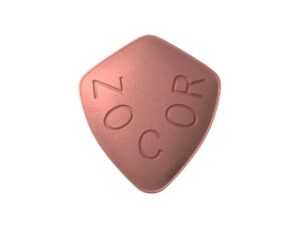
Simvastatin (Statin) – Patient Guide (Australia)
Simvastatin is a medicine used to help lower cholesterol and reduce the risk of heart and blood vessel problems. It belongs to a group of medicines called statins. This guide explains how simvastatin works, how it is taken, important interactions, and practical tips to help you use it safely.
| What it is | Statin medicine used to lower cholesterol |
|---|---|
| Common benefits | Reduces LDL (“bad”) cholesterol and helps lower cardiovascular risk |
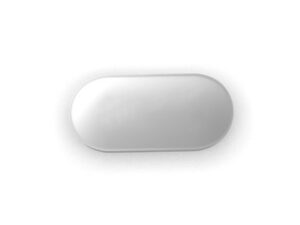
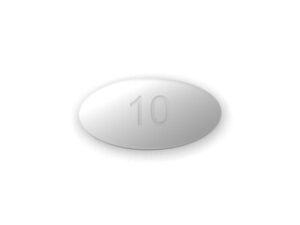
| Typical dosing forms | Tablets (strengths vary, e.g., 5 mg, 10 mg, 20 mg, 40 mg) |
| How it’s taken | Usually once daily, often in the evening |
| Key precautions | Muscle symptoms, liver concerns, and drug–drug interactions (notably with certain medicines) |
| Food/alcohol | Food can affect absorption slightly; alcohol increases liver risk in some people |
Basic Product Information
Simvastatin is a lipid-lowering medicine used in adults (and in selected situations, children) to manage cholesterol levels and lower cardiovascular risk. It may be prescribed for people with:
- High LDL cholesterol
- Mixed dyslipidaemia (raised cholesterol levels plus triglycerides)
- Established cardiovascular disease
- Diabetes or other risk factors where cholesterol lowering is recommended
Simvastatin is generally available in tablet form and is taken long-term for best effect.
How Simvastatin Works (Mechanism of Action)
Simvastatin works by lowering cholesterol production in the liver. Specifically, it inhibits an enzyme called HMG-CoA reductase, which plays a key role in the body’s cholesterol synthesis pathway.
By reducing cholesterol production:
- the liver increases removal of LDL (“bad”) cholesterol from the blood
- LDL cholesterol levels typically fall
- triglyceride levels may decrease
- HDL (“good”) cholesterol may modestly increase
Lowering LDL cholesterol is associated with a reduction in the risk of heart attack, stroke, and other major cardiovascular events.
Pharmacokinetics (What the Body Does to Simvastatin)
“Pharmacokinetics” describes how the body absorbs, processes, and eliminates the medicine. Key points include:
- Absorption: Simvastatin is absorbed through the gut and then processed by the liver. Its activation involves metabolic steps.
- Metabolism: Simvastatin is primarily metabolised by the liver (notably by CYP3A4 enzymes). This is why interactions with certain medicines can significantly increase risk of side effects.
- Active effects: The cholesterol-lowering activity depends largely on the active metabolites formed after metabolism.
- Elimination: The medicine and its metabolites are cleared mainly via bile and stool, with some renal elimination.
- Timing: Statins are often taken in the evening because cholesterol synthesis by the liver tends to be higher at night (this helps maximise effect for certain statins, including simvastatin).
Typical Use and Timing
Simvastatin is usually taken once daily. Many people are advised to take it in the evening, particularly if the dose is moderate to higher or based on prescriber guidance.
- Best timing: Evening (unless your clinician has advised otherwise).
- Consistency matters: Take it at the same time each day to maintain steady cholesterol-lowering effects.
- Missed dose: If you miss a dose, take it when you remember unless it is close to the next dose. Do not double up.
If you have questions about the best time for your dose and lifestyle, ask your pharmacist.
Indications (When Simvastatin May Be Used)
Simvastatin may be used to:
- Treat high cholesterol (especially elevated LDL cholesterol)
- Reduce cardiovascular risk in people with established cardiovascular disease
- Lower risk of events in higher-risk groups (for example, with diabetes or multiple risk factors)
- Manage mixed lipid problems where LDL is a main target, sometimes alongside other lipid-lowering approaches
Simvastatin is not a quick “rescue” medicine. It is intended for ongoing risk reduction.
Dosing (General Information)
Dosing varies by individual risk, cholesterol levels, and other medicines you take. Typical starting doses and dose ranges are commonly used in clinical practice, but your clinician will tailor your dose to your needs.
General dosing principles include:
- Start low and adjust: Doses may be started at a lower level and increased based on response and tolerance.
- Monitor response: Cholesterol levels are often checked about 4–12 weeks after starting or changing dose, then periodically.
- Maximum dose considerations: Higher doses may carry increased muscle-related risk, especially with interacting medicines. Follow your prescriber’s dose limits and avoid extra “self-adjusting”.
- Special situations: People with certain liver problems, kidney impairment, or older age may require extra caution and dose adjustments.
Important: Do not change your dose or stop simvastatin without medical advice.
Mechanism-Linked Safety: Muscle and Liver Considerations
While simvastatin is effective and widely used, it can occasionally cause side effects. Two key areas clinicians monitor are:
- Muscle effects (ranging from mild aches to rare serious muscle injury)
- Liver enzyme changes (usually detected through blood tests)
Food Interactions
Food interactions with simvastatin are generally not as dramatic as drug–drug interactions, but there are still practical points:
- Meal timing: You can usually take simvastatin with or without food. If your stomach feels sensitive, taking it with food may improve comfort.
- Grapefruit: Avoid grapefruit juice and grapefruit products. Grapefruit can inhibit CYP3A4, increasing simvastatin levels and raising the risk of muscle-related side effects.
If you regularly consume large amounts of grapefruit or tangy citrus juice, discuss this with your pharmacist or doctor.
Alcohol Interactions
Alcohol can increase the risk of liver problems. While moderate alcohol may be acceptable for some people, extra caution is important if:
- you have existing liver disease or elevated liver enzymes
- you drink heavily or binge drink
- you take other medicines that also affect the liver
For personal guidance, consider your usual alcohol intake and any past liver test results. If you have symptoms such as unusual fatigue, yellowing of the skin/eyes, dark urine, or persistent nausea, seek medical advice promptly.
Medicine Interactions (Drug–Drug Interactions)
Interactions are a central safety concern with simvastatin because it is metabolised by CYP3A4. Certain medicines can raise simvastatin concentrations, increasing the risk of muscle injury and other side effects.
High-risk interactions include:
- Strong CYP3A4 inhibitors (examples may include some antifungals and certain antibiotics)
- Some antiviral medicines used for infections such as HIV or hepatitis
- Other lipid-lowering medicines that can increase muscle risk (for example, combining a statin with certain fibrates requires careful selection and monitoring)
- Large amounts of grapefruit (food interaction, also relevant through CYP3A4 inhibition)
Other medicines to discuss with your pharmacist: any regular prescription medicine, over-the-counter products, and supplements—especially:
- fibrates (used for high triglycerides)
- niacin (where still used for lipid management)
- immunosuppressants used after transplant
- certain heart rhythm medicines and blood pressure medicines
- anticoagulants (because some interactions can affect bleeding risk or medicine levels)
Always provide your pharmacist with a complete list of medicines and supplements. This reduces the risk of harmful combinations.
Safety Profile and Side Effects
Most people tolerate simvastatin well. However, like all medicines, it can cause side effects.
Common side effects
- Headache
- Muscle aches or mild muscle discomfort
- Digestive symptoms such as nausea, constipation, or abdominal discomfort
Less common but important effects
- Muscle-related symptoms: muscle pain, tenderness, weakness, or cramps
- Elevated liver enzymes: often without obvious symptoms; detected on blood tests
Serious symptoms—seek urgent advice
Contact a healthcare professional promptly or seek urgent care if you develop:
- Severe or persistent muscle pain, weakness, or dark urine
- Yellowing of the skin/eyes (jaundice), severe tiredness, or severe upper abdominal pain
- Allergic symptoms such as swelling of the face/lips, wheezing, or widespread rash
Do not ignore muscle symptoms, particularly if they are new after starting or increasing the dose, or if you start a new interacting medicine.
Practical Use Tips (Getting the Best Results)
- Take it daily: Consistency is important. Cholesterol improvement depends on ongoing use.
- Keep your cholesterol targets in mind: Statins are most effective as part of an overall heart-healthy plan.
- Use a reminder: Set a phone alarm or link to an evening routine.
- Have follow-up blood tests: These may include lipid profile and sometimes liver function tests or other safety monitoring, depending on your situation.
- Report muscle symptoms early: Early assessment helps prevent complications.
- Stay hydrated and avoid extreme exercise changes: Sudden intense workouts can make muscle symptoms more noticeable.
Also remember that lifestyle changes (diet, exercise, weight management, stopping smoking, and controlling blood pressure and diabetes) significantly improve cardiovascular outcomes and complement medication effects.
Recent Guidance and Ongoing Monitoring (Australia Context)
In Australia, cholesterol management is guided by evidence-based recommendations and clinical pathways that emphasise:
- Risk assessment to determine who benefits most from statin therapy
- Shared decision-making about benefits and potential risks
- Monitoring and safety checks for muscle and liver effects when appropriate
- Medication review to identify interactions—especially with statin-metabolising enzymes
Guidance also commonly underscores that the choice of statin, dose, and combination therapy should be individualised. If your cholesterol response is inadequate or side effects occur, your clinician may adjust the dose or consider an alternative statin strategy.
For the latest local information, it can be helpful to review resources from Australian medicines and health authorities, and to follow advice from your GP or pharmacist.
Delivery and Availability in Australia
Simvastatin is widely used and generally available through Australian pharmacy supply chains. Online pharmacies may offer:
- Home delivery to eligible locations
- Convenient packaging and careful handling
- Order tracking where available
- Pharmacist support for medicine questions, interaction checks, and dosing guidance
Availability can vary depending on the exact brand and tablet strength. Delivery times may differ across regions. At checkout, you should see updated estimates and any shipping conditions.
To ensure a smooth experience:
- Double-check your selected strength and quantity.
- Allow time for processing and dispatch.
- Keep your confirmation and tracking details.
Alternative Options (Other Ways to Treat High Cholesterol)
If simvastatin is not suitable due to side effects, interactions, or inadequate cholesterol response, there are alternatives. Options may include:
Other statins
- Atorvastatin
- Rosuvastatin
- Pravastatin
- Pitavastatin
Different statins have different interaction profiles and dosing characteristics, which may make some better tolerated for particular people.
Non-statin lipid-lowering medicines
- Ezetimibe (reduces cholesterol absorption)
- Bempedoic acid (in some cases)
- PCSK9 inhibitors (for selected high-risk patients)
- Fibrates (primarily for high triglycerides, used with caution due to muscle risk when combined with statins)
- Omega-3 fatty acid preparations (in certain triglyceride scenarios)
Your clinician can explain which option fits your cholesterol pattern, heart risk, and other medicines.
Market and Legal Context for Australia
In Australia, statin medicines such as simvastatin are regulated under the national medicines framework. Access generally involves appropriate clinical assessment, and the safe supply of medicines is supported by Australian pharmacy standards and professional checks.
When using an online pharmacy service, you should expect:
- identity and eligibility checks where required
- medicine availability confirmation and packaging safeguards
- pharmacist interaction screening for safety (especially for dose, strength, and interaction risks)
- information on safe use, storage, and when to seek help
Always follow Australian healthcare guidance and local requirements applicable to your area and circumstances.
FAQ (Frequently Asked Questions)
1) What is simvastatin used for?
Simvastatin is used to lower cholesterol—particularly LDL (“bad”) cholesterol—and to reduce the risk of cardiovascular events in people at higher risk, including those with existing heart or blood vessel disease and certain high-risk groups.
2) When should I take simvastatin?
It is commonly taken once daily in the evening. If you are unsure, follow the instructions provided with your medicine or ask your pharmacist.
3) Can I take simvastatin with food?
Yes, it is generally possible to take simvastatin with or without food. If it upsets your stomach, taking it with a meal may help.
4) Why should I avoid grapefruit?
Grapefruit can increase simvastatin levels by interfering with the liver enzyme CYP3A4. This can increase the risk of side effects, especially muscle-related problems.
5) What should I do if I miss a dose?
Take it when you remember unless it is close to the time of your next dose. Do not take a double dose to make up for a missed tablet.
6) Are there interactions with other medicines?
Yes. Simvastatin has important drug–drug interactions, particularly with medicines that affect CYP3A4. Always tell your pharmacist about all medicines and supplements you take, including over-the-counter products.
7) Can I drink alcohol while taking simvastatin?
Alcohol may increase the risk of liver problems. If you drink, keep it moderate and discuss your situation with your clinician—especially if you have liver disease or have had abnormal liver tests.
8) What muscle side effects should I watch for?
Look out for new muscle pain, tenderness, weakness, or cramps—particularly if severe, persistent, or accompanied by dark urine. Seek medical advice promptly if these occur.
9) How long does it take to work?
Cholesterol levels typically start improving within a few weeks. Your clinician will often check lipid results after starting or adjusting the dose to confirm the response.
10) What if simvastatin doesn’t lower my cholesterol enough?
Don’t adjust the dose yourself. Instead, speak with your clinician. Solutions may include dose adjustment, switching to a different statin, or adding another cholesterol-lowering medicine.
Storage and Handling (General Advice)
- Store tablets as directed on the packaging (commonly at room temperature).
- Keep the medicine in its original container to protect from moisture and light.
- Keep out of reach of children.
- Check expiry dates before use.
When to Seek Help
If you experience symptoms such as severe muscle pain, signs of liver issues (yellow skin/eyes, dark urine), or allergic reactions, seek medical advice urgently. If you have milder side effects, contact your pharmacist or doctor for guidance on next steps.
Simvastatin can be an effective long-term medicine for cholesterol management and cardiovascular risk reduction when used safely and consistently. If you’re starting simvastatin or restarting after a break, ask your pharmacist about interactions with your current medications and lifestyle factors (including grapefruit and alcohol).