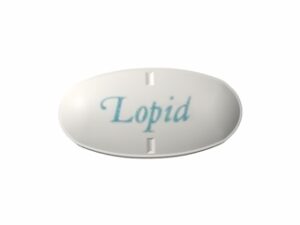
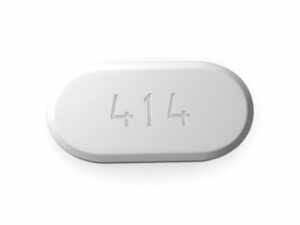
Tricor (Fenofibrate) – Patient Guide (Australia)
Tricor is a medicine containing fenofibrate, used to help improve abnormal blood fats (lipids). It is commonly prescribed to treat certain types of dyslipidaemia—especially where triglycerides are high and/or HDL (“good” cholesterol) is low. This guide explains how Tricor works, how it’s taken, key safety information, and practical tips to help you get the most benefit while reducing risk.
Always follow your healthcare professional’s instructions. If you have any questions about your specific situation, ask your pharmacist or doctor.
Quick Facts
- Active ingredient: Fenofibrate
- Common purpose: Lower triglycerides and help improve cholesterol levels
- How it works: Activates PPAR-α to influence fat metabolism
- Typical timing: Often taken once daily with food (follow your product label)
- Key safety watch-outs: Liver health, kidney function, muscle symptoms
- Alcohol considerations: Alcohol can worsen triglycerides—use caution
Basic Product Information
Tricor is a branded form of fenofibrate. Fenofibrate belongs to the fibrate class of lipid-lowering medicines.
Products may come in different strengths and formulations (for example, standard or modified-release forms). Your exact dosing schedule may vary depending on the strength and form you are using. For best results, confirm the instructions on your specific pack.
| Feature | What to know |
|---|---|
| Medicine name | Tricor (fenofibrate) |
| Therapeutic class | Fibrate (lipid-modifying medicine) |
| Primary lipid targets | High triglycerides; low HDL; mixed dyslipidaemia |
| Typical schedule | Usually once daily with food (depending on formulation) |
| Important monitoring | Kidney function, liver enzymes, muscle-related symptoms |
How Tricor Works (Mechanism of Action)
Fenofibrate works mainly by activating a pathway in the body called PPAR-α (peroxisome proliferator-activated receptor alpha). This influences gene expression related to lipid metabolism.
In practical terms, Tricor can:
- Reduce triglycerides: It increases the activity of enzymes that break down triglyceride-rich particles.
- Improve HDL (“good cholesterol”): It often increases HDL modestly.
- Affect LDL (“bad cholesterol”): The effect on LDL varies; in many people it may decrease LDL, particularly when triglycerides are high.
Trigcor’s lipid effects usually occur over weeks; your prescriber may recheck blood tests to confirm response.
Pharmacokinetics (How the Body Handles Fenofibrate)
Pharmacokinetics describes how the body absorbs, converts, and eliminates a medicine.
- Absorption: Fenofibrate is absorbed after oral dosing. How well it is absorbed can depend on the formulation and whether it is taken with food.
- Conversion: Fenofibrate is metabolised in the body; the active lipid-modifying effects relate to its metabolite profile.
- Distribution: It circulates and acts on lipid-related pathways.
- Elimination: The drug and metabolites are primarily eliminated via the kidneys. This is why kidney function matters for dosing and safety.
- Time to effect: Lipid levels often improve gradually; blood test reassessment is commonly done after several weeks of consistent use.
Your healthcare professional may adjust dosing based on kidney function and other medicines you take.
What Tricor Is Used For (Indications)
Tricor is used as part of managing dyslipidaemia (abnormal blood fats). Typical indications include:
- High triglycerides (hypertriglyceridaemia), especially when triglycerides are significantly elevated
- Mixed dyslipidaemia (elevated triglycerides with cholesterol abnormalities)
- Low HDL in certain lipid profiles (often as part of a broader management plan)
Trigcor is usually used alongside lifestyle changes such as diet modification, weight management, regular physical activity, and reducing alcohol where appropriate.
Typical Timing and How to Take Tricor
How you take Tricor can affect how well it works. Follow the directions on the product label or provided by your healthcare professional.
- Take regularly: Lipid control depends on consistent daily use.
- With food: Many fenofibrate products are recommended to be taken with food to improve absorption and reduce variability. If your label says “with food,” do not take it on an empty stomach.
- Same time daily: Choose a time that fits your routine to improve adherence.
- Swallow whole: Do not crush or break tablets unless your product information explicitly allows it.
Missed dose: If you miss a dose, take it when you remember unless it is close to the time of your next dose. Do not take double the dose.
Dosing (General Guidance)
Dosing varies by product strength, patient factors, and kidney function. Use your prescribed dose.
In general terms, fenofibrate is often taken once daily. Dose adjustments may be needed for people with reduced kidney function.
- Kidney function matters: Because fenofibrate is cleared mainly by the kidneys, your clinician may start at a lower dose and monitor closely if you have kidney impairment.
- Liver health matters: Liver enzyme testing may be done before and during therapy.
- Medication interactions may affect dose safety: Some combinations require extra caution or avoidance.
If you would like, tell us the exact Tricor strength on your pack and what other medicines you take, and we can help summarise common dosing instructions and interaction points to discuss with your pharmacist.
Food Interactions
Food can influence absorption. Key points:
- Take with food if instructed: If your Tricor product label recommends taking with food, follow this to support consistent absorption.
- Don’t change eating habits suddenly: Large changes to meal timing or fat intake may affect tolerance and lipid control.
In addition to taking the medicine correctly, lifestyle changes that reduce triglycerides—such as limiting refined carbohydrates and sugars—can enhance results.
Alcohol and Medicine Interactions
Alcohol can raise triglyceride levels in some people. If your triglycerides are high, alcohol may make the problem worse.
- Consider limiting alcohol: Ask your healthcare professional what level is safe for you.
- Watch for additive liver effects: Fenofibrate can affect liver enzymes in rare cases; alcohol may also stress the liver. Combining may increase risk.
Alcohol can also increase the likelihood of dehydration and medication side effects in some situations.
Other medicine interactions: Several medication combinations can be risky. The most important “interaction themes” for fenofibrate include:
- Statins (e.g., atorvastatin, simvastatin, rosuvastatin): Combination therapy is sometimes used, but it increases the need for monitoring due to a higher risk of muscle injury (rare but serious).
- Warfarin (blood thinner): Fenofibrate may increase the effect of warfarin in some people, raising bleeding risk. If you take warfarin, you may need more frequent blood clotting monitoring (INR/“PT”).
- Other lipid medicines: Some combinations can increase adverse-effect risk and may require dose adjustments.
- Immunosuppressants and certain antibiotics/antifungals: Some drugs can increase fenofibrate levels or affect muscle risk. Always check with your pharmacist before starting new medicines.
Provide your pharmacist with a list of all medicines, including over-the-counter products and supplements, to reduce interaction risk.
Safety Profile (What to Monitor)
Like all medicines, Tricor can cause side effects. Many people tolerate fenofibrate well, but it is important to know what to watch for and when to seek advice.
Common or manageable side effects
- Stomach discomfort, nausea, or digestive upset
- Headache
- Possible changes in lab tests (for example, liver enzymes or kidney markers)
Serious side effects (seek medical advice promptly)
- Muscle problems: If you experience unexplained muscle pain, tenderness, weakness, or dark urine, seek urgent medical advice. These symptoms can be signs of muscle injury, which is rare but serious.
- Liver issues: Watch for yellowing of the skin/eyes (jaundice), severe fatigue, dark urine, or persistent upper abdominal pain.
- Allergic reactions: Swelling of face/lips, rash, or breathing difficulties require urgent help.
Special considerations
- Kidney impairment: Increased risk of adverse effects; dosing and monitoring may be adjusted.
- Diabetes: Some people require tighter glucose and lipid monitoring.
- Older adults: May be more sensitive to side effects; kidney function monitoring is especially important.
Practical Use Tips for Getting the Best Results
- Follow lifestyle changes: Medicines work best alongside diet and activity changes. If your triglycerides are high, reducing alcohol and refined sugars can make a big difference.
- Don’t “skip and restart”: Keep daily dosing consistent unless your clinician tells you otherwise.
- Attend blood test monitoring: Your doctor may check lipid profile, liver enzymes, and kidney function. Keeping to schedule helps catch rare problems early.
- Know the interaction “red flags”: If you start a new medication—especially a statin, warfarin, or certain antibiotics/antifungals—ask your pharmacist about interaction risk.
- Hydrate sensibly: Dehydration may stress kidneys; maintain adequate fluids unless you’ve been told to restrict fluids.
- Report muscle symptoms early: Early assessment of muscle pain/weakness can reduce risk of serious outcomes.
Alternative Options (Depending on Your Lipid Profile)
The best alternative depends on whether your main problem is high triglycerides, high LDL, or mixed lipid abnormalities. Options may include:
- Statins (often first-line for high cardiovascular risk and elevated LDL)
- Omega-3 fatty acids (for certain triglyceride elevations; formulations and dosing vary)
- Ezetimibe (primarily for LDL lowering)
- Niacin (less commonly used due to side effects and current prescribing preferences)
- Bile acid sequestrants (reduce LDL; not primarily for triglycerides)
- Lifestyle-only strategies for mild cases or as an add-on to medication
Your clinician will tailor therapy based on your blood results, overall cardiovascular risk, medical history, and tolerance.
Market & Legal Context in Australia (Overview)
In Australia, lipid-lowering medicines are regulated under national medicines legislation and pharmacy standards. Many lipid medicines require clinician assessment to determine suitability, dosing, monitoring, and interaction safety.
This online pharmacy page is intended to provide general patient information about Tricor (fenofibrate), including how it is used and what precautions to consider. For advice specific to you, speak with a healthcare professional.
Availability can vary by brand and formulation. Your local pharmacy or online pharmacy may have options such as:
- Different fenofibrate strengths
- Generic fenofibrate alternatives (where available and equivalent)
- Substitution based on supply availability—typically in line with Australian pharmacy practice
Recent Guidance (General Summary)
Australian and international clinical guidance continues to emphasise:
- Risk-based lipid management using cholesterol/triglyceride measurements and cardiovascular risk factors
- Monitoring for safety (liver enzymes, kidney function, and attention to muscle symptoms when fibrates are used, especially with interacting drugs)
- Prioritising lifestyle measures alongside medication, including dietary changes and alcohol reduction where triglycerides are elevated
Recommendations may evolve as new evidence is reviewed. Always follow the latest advice from your treating clinician and the product information for your specific Tricor formulation.
Delivery & Availability (Online Pharmacy)
Tricor availability may depend on stock levels, strength, and formulation. When ordering from an online pharmacy, you can usually expect:
- Secure packaging to protect tablets during transport
- Tracking for many deliveries
- Delivery timeframes that vary by location (metropolitan vs regional)
- Substitution policies that follow Australian pharmacy practice if a specific brand/strength is temporarily unavailable
If you need it by a certain date, check estimated delivery times during checkout and consider allowing extra time for rural/remote delivery.
Frequently Asked Questions (FAQ)
1) What is Tricor used for?
Tricor (fenofibrate) is used to manage abnormal blood fats, particularly high triglycerides and mixed lipid abnormalities. It may also help improve HDL in certain profiles.
2) When should I take Tricor?
Many fenofibrate products are taken once daily with food. Follow the instructions on your specific pack or as provided by your healthcare professional.
3) How long does it take to work?
Lipid improvements are usually gradual. Your clinician may request repeat blood tests after several weeks to assess response and safety.
4) Can I take Tricor on an empty stomach?
If your product instructions say “with food,” taking it without food may reduce absorption and effectiveness. If you’re unsure, check your pack or ask your pharmacist.
5) What foods should I avoid?
There is no single “forbidden food,” but diet strongly affects triglycerides. If your triglycerides are high, reducing alcohol, refined sugars, and excess total energy intake can be helpful. Your clinician or dietitian can provide personal dietary guidance.
6) Is it safe to drink alcohol while taking Tricor?
Alcohol can increase triglycerides and may add strain to the liver. It’s best to limit alcohol and seek advice about what amount is safe for you.
7) Are there interactions with statins?
Some people may be prescribed both a fibrate and a statin under close monitoring. However, the combination can increase the risk of muscle-related side effects. Report any muscle pain, weakness, or dark urine promptly.
8) What interactions should I tell my pharmacist about?
Tell your pharmacist if you take:
- Warfarin or other blood thinners
- Statins
- Other lipid medicines
- Any new antibiotics/antifungals or immunosuppressants
- Any supplements or herbal products
Provide a complete list to reduce risk of harmful interactions.
9) What monitoring might I need?
Your doctor may check kidney function, liver enzymes, and lipid levels. Monitoring helps ensure the medicine is safe and working effectively.
10) What should I do if I miss a dose?
Take it when you remember if it’s not close to the next dose. Otherwise, skip the missed dose. Do not take a double dose to make up for it.
11) When should I seek urgent help?
Seek urgent medical attention if you develop symptoms such as:
- Severe muscle pain/weakness, or dark urine
- Yellowing of skin/eyes, severe fatigue, or persistent abdominal pain
- Signs of a serious allergic reaction (swelling, rash with breathing difficulty)
12) Are there alternatives to Tricor?
Yes. Alternatives depend on your lipid profile and overall risk. Options may include statins, omega-3 supplements (under medical guidance), ezetimibe, and other lipid-lowering strategies. Your prescriber will help choose the safest and most appropriate approach.
Summary
Tricor (fenofibrate) is a fibrate medicine used to treat lipid disorders, particularly high triglycerides and mixed dyslipidaemia. It works by influencing lipid metabolism through PPAR-α pathways. For best results, take it as directed, often with food, and keep regular monitoring appointments.
Because fenofibrate can affect kidney function, liver enzymes, and may (rarely) be associated with muscle-related side effects—especially when combined with certain medicines—report any concerning symptoms promptly and discuss interactions with your pharmacist.