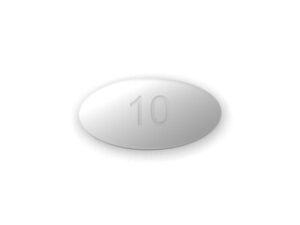
Atorvastatin (Australia) — Patient-Friendly Guide
Atorvastatin is a widely used medicine for improving cholesterol levels and reducing the risk of cardiovascular events such as heart attack and stroke. If you’ve been advised to take atorvastatin, this guide explains how it works, how to take it safely, what to watch for, and how it fits into long-term heart health in Australia.
Basic product information
| Feature | Details |
|---|---|
| Generic name | Atorvastatin |
| Medicine type | Statin (HMG-CoA reductase inhibitor) |
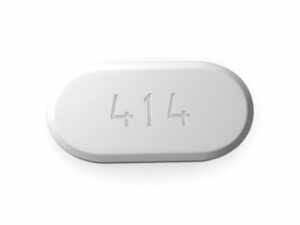
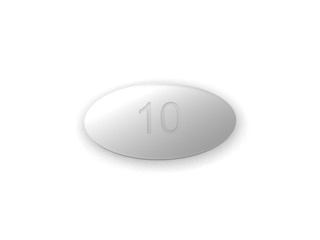
| Common dose strengths (examples) | Often available as 10 mg, 20 mg, 40 mg, and 80 mg tablets (brand options vary) |
| How it is taken | Usually by mouth once daily |
| Main benefits | Lower LDL (“bad”) cholesterol, reduce triglycerides, modestly raise HDL (“good”) cholesterol, and help reduce cardiovascular risk |
Atorvastatin is used by many Australians as part of a broader plan that also includes diet, exercise, maintaining a healthy weight, and avoiding smoking. The exact dose and treatment goals depend on your personal cardiovascular risk and cholesterol levels.
How atorvastatin works (mechanism of action)
Atorvastatin belongs to a group of medicines called statins. It helps to reduce cholesterol production in the liver. Specifically, it inhibits an enzyme called HMG-CoA reductase, which plays a key role in the body’s cholesterol-making pathway.
- Less cholesterol is produced by the liver
- The liver increases the number of LDL receptors on its surface, pulling more LDL cholesterol from the blood
- Over time, this leads to lower LDL cholesterol and improvements in other lipid measures
Beyond cholesterol lowering, statins like atorvastatin are believed to help stabilise plaque in blood vessels and reduce inflammation, which may contribute to their cardiovascular protective effects.
Pharmacokinetics (how the body handles atorvastatin)
Understanding pharmacokinetics can help you know why consistent daily use matters. While exact values may vary between individuals, the key points are:
- Absorption: Atorvastatin is absorbed after oral dosing; peak blood levels typically occur within a few hours of taking a dose.
- Metabolism: It is extensively metabolised in the liver, mainly by the enzyme CYP3A4.
- Active effects: The overall cholesterol-lowering action is due to both the parent drug and active metabolites.
- Elimination: Metabolites are eliminated primarily via bile and the digestive system.
- Duration: Even though the blood concentration may decline, atorvastatin’s lipid-lowering effect persists for about a day, supporting once-daily dosing.
Because metabolism involves CYP enzymes, certain medicines (and some foods) can affect how much atorvastatin stays in your body. This is one reason why interaction checks are important.
Typical uses in practice
Atorvastatin is commonly used to:
- Treat high cholesterol (dyslipidaemia), including raised LDL and/or triglycerides
- Reduce cardiovascular risk in people at risk of heart disease or who have established cardiovascular disease
- Manage familial hypercholesterolaemia (including certain genetic forms), often alongside other lipid-lowering strategies
In Australia, your clinician may set a specific cholesterol goal depending on your risk profile. Atorvastatin is usually part of long-term management rather than a short course.
Indications (who it’s used for)
Indications can vary slightly by product and clinical context, but commonly include:
- Primary hypercholesterolaemia or mixed dyslipidaemia — to reduce elevated total cholesterol, LDL cholesterol, and triglycerides
- Heterozygous familial hypercholesterolaemia — in combination with diet and other therapies if needed
- Homozygous familial hypercholesterolaemia — to help reduce cholesterol levels in combination with other lipid-lowering measures
- Prevention of cardiovascular events in adults at increased cardiovascular risk (examples include prior stroke/heart disease or risk factors as determined by clinicians)
If you are unsure why you were prescribed atorvastatin, ask your pharmacist or healthcare professional for a simple explanation tailored to your situation.
Dosing and timing (how to take it)
Atorvastatin is typically taken once daily. Many people take it in the evening, but atorvastatin does not generally require strict evening-only use. What matters most is that you take it consistently at the same time each day.
Typical dosing approach
- Starting dose: Often 10–20 mg once daily for many adults, but the starting dose can be higher depending on cholesterol levels and risk.
- Adjustments: Doses may be increased gradually based on response and tolerability.
- Maximum dose: Higher doses (for example up to 80 mg/day in some cases) may be used under clinician direction when needed.
When to take it
Choose a time that helps you remember. Consistency improves adherence and effectiveness. If you forget a dose, take it when you remember unless it is close to the time for the next dose—then skip the missed dose and resume your schedule.
How long it takes to work
- Cholesterol improvements can be seen within several days.
- A fuller effect is often assessed over weeks, with blood tests commonly checked after starting or changing dose as advised.
Food interactions (including grapefruit)
Many statin interactions relate to liver enzymes (especially CYP3A4). Food can play a role, most notably:
- Grapefruit and grapefruit juice: These can increase atorvastatin levels in the body for some people, potentially raising the risk of side effects. It’s commonly recommended to avoid or limit grapefruit while taking atorvastatin, unless your clinician specifically says it’s okay.
- General diet: Atorvastatin works with diet measures—such as reducing saturated fats and following heart-healthy eating patterns. It does not replace dietary changes.
For most people, taking atorvastatin with or without food is acceptable. If you experience stomach discomfort, you may find it easier to take it with food—confirm with your pharmacist if needed.
Alcohol interactions and considerations
Alcohol affects the liver and may influence the safety of medicines that are also processed through liver pathways. While atorvastatin does not have an “automatic” dangerous interaction with moderate alcohol for everyone, risk can increase with:
- Heavy or regular alcohol intake
- Existing liver disease or persistently abnormal liver tests
- Episodes of illness affecting liver function
Practical advice:
- Try to keep alcohol within recommended limits.
- If you drink heavily or have liver concerns, speak with your healthcare professional for personalised guidance.
- Seek medical advice promptly if you develop symptoms such as unusual fatigue, dark urine, persistent nausea/vomiting, or yellowing of the skin/eyes.
Medicine interactions (what to watch for)
Interactions can change atorvastatin levels or increase the chance of side effects. The most important interaction theme is: medicines that inhibit CYP3A4 (or affect transport proteins) may raise atorvastatin concentrations.
Examples of interacting medicine categories
- Some antibiotics and antifungals (particularly those that inhibit CYP3A4) may increase atorvastatin levels.
- HIV medicines can interact depending on the specific drug.
- Some medicines for hepatitis C may interact.
-
Other lipid-lowering therapies, especially:
- fibrates (e.g., gemfibrozil, fenofibrate)
- niacin (where used)
- Cyclosporine can raise atorvastatin levels.
- Digoxin: atorvastatin may slightly increase digoxin levels—clinicians may monitor if used together.
Key safety message
Always tell your pharmacist or doctor about all medicines and supplements you use, including:
- herbal products
- over-the-counter remedies
- vitamins and “natural” cholesterol products
- medicines for infections
If a new medicine is started (for example an antibiotic or antifungal), it may require an interaction check or a change in atorvastatin dose.
Safety profile (common and important risks)
Most people tolerate atorvastatin well. However, like all medicines, it can cause side effects in some individuals. The most important risks to recognise are muscle effects and liver enzyme changes.
Common side effects
- Headache
- Nausea or mild stomach upset
- Stomach discomfort or constipation/diarrhoea
- Muscle aches that are mild and transient (in some people)
Serious but less common risks
- Muscle injury (myopathy/rhabdomyolysis): Seek urgent medical help if you develop severe muscle pain, tenderness, weakness, or dark/tea-coloured urine—especially if you also feel unwell or have fever.
- Liver problems: Routine checks may be done. Contact a clinician if you develop symptoms such as yellowing of the skin/eyes, dark urine, severe fatigue, or persistent nausea/vomiting.
- Allergic reactions: Stop and seek help if you experience signs such as swelling of the face/lips, difficulty breathing, or widespread rash.
Who may have higher risk
Risk of side effects can increase with factors such as:
- Older age
- High atorvastatin doses
- Kidney problems
- Uncontrolled thyroid problems
- Concomitant interacting medicines
- Heavy exercise combined with interacting medicines
Practical use tips (to get the best results)
- Take it daily: Statins are most effective when taken consistently.
- Keep your follow-up blood tests: Cholesterol and liver-related blood tests may be checked as advised by your clinician.
- Know the warning signs: If muscle pain becomes severe or unusual, contact a healthcare professional promptly.
- Stay hydrated: Especially if you are unwell or have had vomiting/diarrhoea, as dehydration can affect muscle safety.
- Inform healthcare providers: Tell dentists, surgeons, and other clinicians you take atorvastatin.
- Use a medication reminder: Phone alarms, weekly pill boxes, or linking dosing time with a routine can help adherence.
Alternative options (other ways to manage cholesterol)
If atorvastatin isn’t suitable due to side effects, interaction concerns, or insufficient response, there are alternative approaches. Your clinician can tailor options based on your lipid profile and cardiovascular risk.
Medication alternatives
- Other statins: For example, rosuvastatin, simvastatin, pravastatin, or fluvastatin (choices depend on interactions and tolerability).
- Ezetimibe: Often used alone or with a statin for additional LDL lowering.
- Bile acid sequestrants (selected patients): can lower LDL but may cause gastrointestinal effects.
- PCSK9 inhibitors (for selected high-risk patients): injectable therapy for substantial LDL lowering.
- Other triglyceride-focused medicines: such as fibrates or omega-3 preparations in specific scenarios.
Lifestyle and supportive measures
- Heart-healthy eating (e.g., reducing saturated fat and refined carbohydrates)
- Regular physical activity suited to your health
- Weight management if needed
- Stopping smoking and managing blood pressure and diabetes
Market and legal context for Australia
In Australia, atorvastatin products are supplied through regulated channels within the broader medicines framework. Availability, brand names, and subsidisation arrangements may vary. When purchasing online, ensure you use a legitimate Australian pharmacy service and check that product details match your needs (strength, form, and quantity).
Medicines used for cholesterol and cardiovascular risk are an important part of primary and secondary prevention in Australia. Guidelines emphasise appropriate risk assessment, lifestyle measures, and medication choice based on benefit and tolerability.
Recent guidance and monitoring (general points)
Clinical guidance evolves as new evidence appears. In general, modern practice for statins includes:
- Baseline assessment: cholesterol levels and cardiovascular risk are considered before and after starting therapy.
- Monitoring for tolerability: patients are advised to report muscle pain or weakness and any possible liver-related symptoms.
- Checking adherence and interactions: reviewing all medicines (including OTC and supplements) is encouraged.
- Adjusting dose to reach goals: dose may be increased or changed depending on lipid results and side effects.
Your clinician may schedule blood tests (such as lipid profiles and liver enzymes) at times appropriate for your situation. If you have concerns about monitoring, ask your pharmacist what tests are typically recommended for your circumstances.
Delivery and availability (online pharmacy)
Atorvastatin is commonly available in pharmacies across Australia, and many reputable online pharmacies deliver to eligible locations. Availability can depend on brand, tablet strength, and stock levels.
- Packaging: Medicines are typically supplied in manufacturer packaging and clearly labelled with the strength and product details.
- Delivery: Delivery times vary by region and courier service. Check the store’s delivery estimates at checkout.
- Temperature considerations: Atorvastatin tablets generally do not require special refrigeration; however, keep them stored as directed on the label.
- Returns: Pharmacy return policies vary. Confirm the store policy before ordering.
Safety FAQ
1) Can I take atorvastatin at night or in the morning?
Yes, most people can take atorvastatin once daily at a convenient time. Many choose the evening, but consistency is more important than the exact time. If your prescriber or pharmacist has given specific timing instructions, follow those.
2) What should I do if I miss a dose?
Take it when you remember unless it is close to the time of the next dose. If it’s nearly time for your next dose, skip the missed dose and resume your regular schedule. Do not double up.
3) Does atorvastatin work without changing diet?
It helps lower cholesterol, but the best outcomes usually come from combining the medicine with heart-healthy lifestyle changes. Diet, activity, and weight management improve overall cardiovascular risk.
4) Is grapefruit juice definitely unsafe?
Grapefruit can increase atorvastatin levels in some people and may raise the risk of side effects. A common recommendation is to avoid or limit grapefruit unless your healthcare professional says it is safe for you.
5) How will I know if I’m having muscle side effects?
Mild aches can occasionally occur, but severe or unusual muscle pain, weakness, or dark urine are warning signs. If these happen, contact a healthcare professional promptly—especially if symptoms are significant.
6) Do I need liver blood tests?
Your clinician may check liver-related blood tests before treatment and/or after starting, particularly if you have risk factors or develop symptoms. Always follow the monitoring plan provided to you.
7) Can I drink alcohol while taking atorvastatin?
Many people can drink alcohol in moderation, but heavy or regular intake may increase liver risk. If you have liver disease or drink heavily, talk to your pharmacist or doctor for personal guidance.
8) What medicines are most likely to interact with atorvastatin?
Interactions depend on the exact product, dose, and other medicines you take. In general, tell your pharmacist if you are using medicines such as certain antibiotics/antifungals, HIV medicines, hepatitis C medicines, ciclosporin, or fibrates for cholesterol. Always include OTC and herbal products in the interaction check.
9) Are there alternatives if I get side effects?
Yes. Options may include lowering the dose, switching to a different statin, or adding another lipid-lowering medicine such as ezetimibe. Any change should be discussed with your healthcare professional.
10) Is atorvastatin suitable for everyone?
Suitability depends on your medical history, liver and kidney health, risk factors, and other medicines. Your pharmacist or clinician can help confirm that it is the right choice for you.
Bottom line
Atorvastatin is a proven statin medicine used in Australia to lower cholesterol and help reduce cardiovascular risk. It works by reducing cholesterol production in the liver and increasing LDL clearance from the blood. For best results, take it once daily as directed, avoid or limit grapefruit, and keep your medication review up to date—especially when starting new medicines. If you experience severe muscle pain, weakness, dark urine, or symptoms suggesting liver problems, seek medical advice promptly.
If you’d like, share your atorvastatin dose strength and any other medicines you currently take (including supplements and OTC products), and we can help you identify the most common interaction topics to discuss with your pharmacist.