
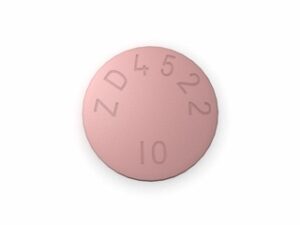
Zocor (Simvastatin) – Patient-Friendly Guide (Australia)
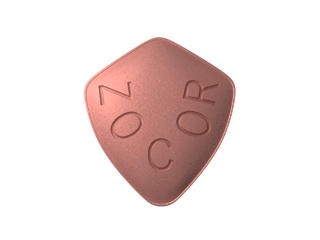
Zocor is a brand of simvastatin, a medicine used to help lower cholesterol and reduce the risk of heart and blood vessel complications. This guide explains how simvastatin works, how it’s typically used, important safety information, and what to consider with other medicines, alcohol, food, and lifestyle.
Note: This information is general and not a substitute for advice from a pharmacist or doctor who knows your medical history.
Basic product information
| Category | Details |
|---|---|
| Medicine | Zocor (simvastatin) |
| What it does | Helps lower “bad” cholesterol (LDL) and triglycerides; may modestly raise HDL |
| Medicine group | Statin (HMG-CoA reductase inhibitor) |
| Common forms | Oral tablets (strengths vary by product/market availability) |
| Where it’s used | Australia (availability depends on local supply and prescribing requirements) |
How Zocor (simvastatin) works (mechanism of action)
Simvastatin belongs to the statin family of cholesterol-lowering medicines. It works in the liver to:
- Reduce cholesterol production by blocking an enzyme called HMG-CoA reductase.
- Increase clearance of LDL cholesterol from the bloodstream by increasing the number of LDL receptors on liver cells.
- Lower LDL cholesterol (often the primary target).
- Reduce triglycerides and may increase HDL cholesterol to a small degree.
By improving cholesterol levels, simvastatin helps lower the risk of complications such as heart attack, stroke, and certain types of cardiovascular disease.
Pharmacokinetics (how the body handles simvastatin)
Understanding pharmacokinetics helps explain dosing timing and interactions.
- Absorption: Simvastatin is taken by mouth and absorbed from the gastrointestinal tract. Absorption may vary between individuals.
- Prodrug: Simvastatin is a prodrug, meaning it is converted in the body to its active form.
- Metabolism: The active forms are primarily processed in the liver, involving metabolic pathways that can be affected by certain interacting medicines.
- Peak effect timing: The cholesterol-lowering effect is related to active metabolite levels, which is one reason many people take simvastatin in the evening.
- Elimination: Metabolites are removed primarily through bile and faeces. Kidney impairment may be relevant for overall safety, but the major clearance is not purely renal.
Clinical takeaway: Because metabolism can be affected by other medicines, drug interactions are an important consideration with Zocor.
Typical uses and indications
Zocor (simvastatin) is used to improve cholesterol levels and reduce cardiovascular risk. Indications commonly include:
- Primary hypercholesterolaemia (high LDL cholesterol), including mixed dyslipidaemia.
- Familial hypercholesterolaemia (inherited high cholesterol), as part of lipid-lowering treatment.
- Prevention of cardiovascular events in people at increased risk, such as those with existing heart disease.
- Secondary prevention to reduce risk after conditions such as myocardial infarction, stroke, or established peripheral arterial disease.
Your exact indication depends on your lipid profile, overall cardiovascular risk, age, and other health factors.
When to take it (timing) and how to take it
Typical timing: Many people are advised to take simvastatin in the evening, often because cholesterol synthesis in the body tends to be higher at night. Follow your pharmacist’s or doctor’s instructions.
- Once daily: Zocor is commonly taken once a day.
- With or without food: Food can affect absorption for some medicines; many statins can be taken with food, but follow your product instructions and clinician advice.
- Consistency: Try to take it at the same time each day to maintain steady medicine levels.
- Don’t double up: If you miss a dose, take it when you remember unless it is close to the next dose. Do not take two doses at once.
Food interactions: what to know
Food is not usually the biggest issue with simvastatin interactions—medicines are. However, some foods can still matter:
- Grapefruit (and grapefruit juice): Grapefruit can increase simvastatin exposure and raise the risk of side effects. It’s generally recommended to avoid grapefruit unless your clinician has advised otherwise.
- Alcohol: Moderate or heavy alcohol intake may increase strain on the liver. See the alcohol section for further guidance.
- General meals: If your stomach feels sensitive, taking the tablet with a meal may be more comfortable for some people.
Practical tip: Keep a simple routine—take the tablet at the same time each day. If you’re unsure about food timing, ask your pharmacist.
Alcohol and medicine interactions (important safety topics)
Alcohol
Simvastatin can rarely affect the liver (transaminase levels) and, in uncommon cases, cause serious liver injury. Alcohol can also affect the liver. To reduce risk:
- Keep alcohol moderate and consider limiting alcohol if you have liver disease or consistently elevated liver tests.
- Avoid binge drinking.
- If you develop symptoms such as unusual fatigue, yellowing of the skin/eyes (jaundice), or dark urine, seek medical advice promptly.
Medicine interactions
Certain medicines can increase simvastatin levels by interfering with liver enzyme systems (and transporters). This can raise the risk of muscle problems, including myopathy and, rarely, rhabdomyolysis.
Examples of medicines commonly associated with significant interactions include:
- Some antifungals (e.g., certain azole antifungals).
- Some antibiotics (e.g., certain macrolides).
- HIV medicines (some antivirals).
- Hepatitis C treatments that may interact via metabolic pathways.
- Some calcium channel blockers (e.g., verapamil or diltiazem) can increase risk at certain doses.
- Amiodarone (antiarrhythmic) may increase risk.
- Other lipid-lowering medicines, especially fibrates (e.g., gemfibrozil) and niacin (where used), may increase muscle side-effect risk depending on the combination.
Other key considerations:
- Warfarin and other anticoagulants: Statins can affect how warfarin works in some patients. If you take warfarin, you may need extra INR monitoring after starting or changing dose.
- Digoxin: Some statins can increase digoxin levels; monitoring may be required.
- Immunosuppressants: Some drugs used after transplantation can interact and increase muscle risk.
- Do not start or stop medicines abruptly without checking with a pharmacist.
Always tell us (or your pharmacist/doctor) about: all prescription medicines, over-the-counter products, vitamins, herbal supplements, and recent antibiotics/antifungals.
Dosing: what is typical and how adjustments are made
Dose selection depends on your cholesterol levels, cardiovascular risk, age, other medical conditions, and potential interactions with other medicines.
- Common starting doses vary by indication and patient factors.
- Adjustments: Your doctor may increase or decrease the dose after blood tests and response.
- Monitoring timeframe: Lipid levels are often rechecked after starting or adjusting a statin, commonly within several weeks (your clinician will set the exact schedule).
- Maximum dose limits: Dose may be limited when certain interacting medicines are used.
Do not exceed the prescribed dose. If you experience side effects, do not stop suddenly without advice—contact your pharmacist/doctor for guidance on the safest next step.
Safety profile: side effects and when to seek help
Most people tolerate simvastatin well. However, as with all medicines, there are potential side effects. Many risks can be reduced by correct dosing and avoiding interacting medicines.
Common side effects
- Headache
- Stomach upset, nausea, constipation, or diarrhoea (varies)
- Muscle aches or mild cramps can occur in some people
Serious or less common side effects (seek medical advice urgently)
- Muscle pain, weakness, or tenderness that is severe, persistent, or accompanied by fever or feeling unwell—especially if you also have dark urine. These can be signs of rare muscle breakdown.
- Signs of liver problems: yellowing of skin/eyes, dark urine, upper right abdominal pain, or persistent nausea/vomiting.
- Allergic reactions: swelling of face/lips, breathing difficulty, or widespread rash.
What monitoring may involve
- Liver blood tests may be done before starting and after dose changes, or if symptoms suggest liver issues.
- Cholesterol/lipid tests to evaluate response.
- Kidney function may be checked in some people, particularly if muscle symptoms occur or if there are other risk factors.
Practical use tips for everyday life
- Build a routine: Take your dose at the same time each day. Consider linking it to a daily habit (e.g., dinner or bedtime).
- Keep a medicine list: Update your list of current medicines and supplements and keep it accessible.
- Watch for muscle symptoms: If you develop new muscle pain/weakness, especially after starting simvastatin or increasing the dose, contact your pharmacist/doctor promptly.
- Know your risk factors: Higher risk of muscle side effects can be associated with older age, kidney impairment, untreated thyroid problems, higher doses, and interacting medicines.
- Continue lifestyle changes: Statins work best alongside a heart-healthy diet, physical activity, smoking cessation (if relevant), and weight management where appropriate.
- Don’t “double up” on missed doses and avoid changing the dose without advice.
Alternative options to Zocor (simvastatin)
If simvastatin isn’t suitable due to side effects, interactions, or inadequate response, your clinician may consider alternatives within the statin class or other lipid-lowering medicines. Options may include:
- Other statins: atorvastatin, rosuvastatin, pravastatin, fluvastatin (choice depends on your goals and interaction profile).
- Ezetimibe: reduces cholesterol absorption in the gut (often added to a statin in some cases).
- PCSK9 inhibitors: injectable medicines used for certain high-risk patients.
- Bile acid sequestrants: help reduce cholesterol via the digestive system (not suitable for everyone).
- Fibrates or omega-3 therapies: may be considered for triglyceride-focused treatment in specific situations.
Important: “Alternative” does not automatically mean “safer.” Suitability depends on your personal medical history and other medicines you take.
Market and legal context for Australia
In Australia, cholesterol-lowering statins such as simvastatin are widely used and are provided through community pharmacies. Availability and supply can vary depending on product strength, stock, and regulatory status.
For online pharmacies in Australia, medicines are supplied according to applicable Australian laws and pharmacy practice requirements. Supply models may vary by provider; some require a valid authorisation or clinical process before medicines are dispensed. Always check the ordering requirements on the specific site you’re using.
Prescription-style medicines: While this page explains general product information, the legal and supply pathway for statins in Australia may involve clinical oversight to ensure safety and appropriate use.
Quality and safety: Only purchase from legitimate, licensed suppliers to reduce the risk of counterfeit or incorrect products.
Recent guidance and clinical considerations (overview)
Clinical practice continues to emphasise:
- Individualised cardiovascular risk management rather than a one-size-fits-all approach.
- Appropriate statin intensity based on risk, age, and comorbidities.
- Medication review for interactions before starting therapy and when new medicines are introduced.
- Monitoring and symptom awareness for muscle and liver-related adverse effects.
Local guidance may be updated by Australian professional bodies and medicines regulators over time. Your pharmacist can help align your treatment with current best practice.
Delivery and availability (online pharmacy)
Availability can vary by tablet strength and current supply. When ordering online, it’s helpful to:
- Choose the correct product strength and quantity (as listed on the website).
- Ensure delivery details are accurate, including postcode.
- Allow time for processing and dispatch.
- Check any ordering requirements shown at checkout (for example, clinical checks where required).
Delivery timeframes depend on the pharmacy’s logistics and your location within Australia. Many providers dispatch within business days when items are in stock.
Storage: Store tablets according to the package instructions, typically at room temperature in a dry place, out of reach of children.
FAQ – Frequently asked questions about Zocor (simvastatin)
1) What is Zocor used for?
Zocor (simvastatin) is used to lower cholesterol levels and reduce the risk of cardiovascular events such as heart attack and stroke, especially in people with high cholesterol or increased heart risk.
2) How long does it take to work?
Cholesterol-lowering effects begin within days, but noticeable changes are typically assessed after several weeks. Your clinician will schedule follow-up blood tests to confirm your response.
3) Can I take Zocor in the morning?
Many people take simvastatin in the evening. However, the best timing is the one that matches your clinician’s instructions. If you want to change the time, check with your pharmacist, especially if timing is specifically recommended for your dose.
4) Should I avoid grapefruit?
It’s generally recommended to avoid grapefruit and grapefruit juice because they can increase simvastatin levels and raise the risk of side effects.
5) What should I do if I miss a dose?
If you remember soon after the missed time, take it unless it’s near your next dose. If it’s close, skip the missed dose and continue as usual. Do not take a double dose.
6) What muscle symptoms should I watch for?
Look out for new muscle pain, tenderness, cramps, or weakness—particularly if severe or persistent. Seek medical advice urgently if symptoms are accompanied by fever or dark urine.
7) Is it safe to drink alcohol while taking simvastatin?
Moderation is important. If you have liver disease, elevated liver tests, or heavy alcohol use, speak to your pharmacist or doctor for personalised guidance.
8) Can Zocor be taken with other medications?
Many medicines can be taken safely with simvastatin, but some can cause important interactions. Always tell your pharmacist about all medicines and supplements you take.
9) Will simvastatin interact with antibiotics or antifungals?
Some antibiotics and antifungal medicines can significantly increase simvastatin exposure and the risk of muscle side effects. Ask your pharmacist before starting new antibiotics/antifungals.
10) Are there alternatives if I can’t tolerate simvastatin?
Yes. Depending on your situation, clinicians may consider a different statin, dose adjustment, or other lipid-lowering treatments such as ezetimibe or PCSK9 inhibitors.
11) When should I have blood tests?
Typically, liver blood tests and lipid profiles are checked before starting, after dose changes, or when symptoms suggest problems. Your pharmacist/doctor will provide a schedule based on your risk and response.
Summary
Zocor (simvastatin) is a statin medicine used in Australia to help lower cholesterol and reduce cardiovascular risk. It works by reducing cholesterol production in the liver and increasing LDL clearance. While many people tolerate it well, safety depends on correct dosing and avoiding certain medicine combinations—particularly those that can increase simvastatin levels. If you notice muscle symptoms or signs of liver problems, seek medical advice promptly. Combining simvastatin with healthy lifestyle changes provides the best long-term cardiovascular protection.