Nizoral (Ketoconazole) — Patient Information
Nizoral is a brand of ketoconazole, an antifungal medicine used to treat certain fungal infections. This page explains what Nizoral is, how it works, how it’s used, and important safety considerations—written to be clear and patient-friendly for people in Australia.
Basic product information
| Item | Details |
|---|---|
| Active ingredient | Ketoconazole |
| Common form(s) | Oral tablets (in some settings) and topical products (e.g., creams/shampoos) depending on local availability |
| Therapeutic class | Antifungal (treatment of fungal infections) |
| Brand name | Nizoral |
| Use | Targets fungi causing infections of skin, hair/scalp, or other sites (depending on formulation) |
Availability and the exact formulation may vary. If you’re unsure whether you have oral ketoconazole or a topical product, check the label on your packaging.
How Nizoral (ketoconazole) works
Ketoconazole belongs to the antifungal class of medicines that work by disrupting the production of essential fungal cell components.
Mechanism of action (MOA): Ketoconazole reduces the synthesis of ergosterol, an important part of the fungal cell membrane. Without ergosterol, the fungal cell membrane becomes weak, impairing growth and leading to fungal death or reduced spread.
What this means for treatment
- Symptoms may improve before the infection is completely cleared.
- You should usually continue treatment for the full recommended course, even if you feel better.
- If symptoms worsen or do not improve as expected, seek medical advice promptly.
Pharmacokinetics (PK): what happens in the body
Pharmacokinetics describes absorption, distribution, metabolism, and elimination. PK differs notably between oral and topical formulations.
Oral ketoconazole (general overview)
- Absorption: Oral ketoconazole absorption can be affected by stomach acidity. Products may require a low-acid environment to absorb reliably.
- Distribution: After absorption, ketoconazole distributes through body tissues.
- Metabolism: Ketoconazole is extensively metabolised by the liver (CYP450 enzymes).
- Elimination: Drug and metabolites are eliminated mainly via bile and faeces, with a smaller portion in urine.
Topical ketoconazole (general overview)
- Absorption: Skin/scalp absorption is generally lower than for oral medicines.
- Local action: The goal is to treat the fungus where it lives (skin or scalp).
- Systemic exposure: Usually much lower than oral ketoconazole, but varies by product and skin condition.
If you’re using ketoconazole for a scalp/skin condition, follow product instructions carefully for best results.
Typical uses (indications)
Nizoral is used to treat fungal infections caused by susceptible organisms. The exact indication depends on the formulation and local guidance.
Common skin and scalp indications
- Seborrhoeic dermatitis (flaky, itchy scalp or greasy scales on the skin)
- Tinea (ringworm) and other superficial fungal skin infections (for appropriate formulations)
- Pityriasis versicolor (also called tinea versicolor; discoloured patches on the trunk)
- Other superficial fungal infections where ketoconazole is considered appropriate
Serious or systemic fungal infections
Oral ketoconazole has historically been used for some more serious fungal infections. However, due to safety concerns—particularly effects on the liver—its use may be more limited compared with other antifungals in current practice.
If your treatment involves oral ketoconazole, it’s especially important to discuss monitoring and safety with your healthcare professional.
Timing and how to use Nizoral
The timing depends on whether you’re using topical ketoconazole (cream or shampoo) or an oral medicine. Always follow the directions on your product packaging or the instructions provided with your medicine.
General timing tips
- Consistency matters: Use at the same times each day where relevant.
- Don’t stop early: Continue for the full recommended course.
- Allow time to work: Some conditions improve within days; others take weeks.
- Scalp products: Many antifungal shampoos work best after being left on the scalp for a short period.
Practical “shampoo” timing example (topical)
- Wet hair and scalp.
- Apply shampoo to scalp and gently massage.
- Leave on for the time specified in the product directions (commonly a few minutes).
- Rinse thoroughly.
- Use frequency as directed (often several times per week initially, then less often for maintenance if advised).
Dosing: what’s typical
Dosing depends on the infection type, severity, formulation, and product strength. Below are common patterns used for ketoconazole-containing products. Always check your specific product label for the correct dose and schedule.
Topical dosing (general patterns)
- Scalp/seborrhoeic dermatitis: often used multiple times weekly during flare-ups, then reduced frequency for prevention.
- Skin infections (cream/gel): typically applied once or twice daily, depending on the product and infection.
Oral dosing (general patterns)
Oral ketoconazole dosing schedules vary widely by indication and clinical assessment. Because oral ketoconazole requires careful safety consideration, it’s essential that dosing and duration are guided by appropriate medical advice and the product instructions.
If you miss a dose
- Topical: Apply when you remember, unless it’s close to the next dose. Do not double up.
- Oral: If you miss a dose, take it when you remember unless near the next scheduled dose. Do not take double.
Food interactions and absorption (especially oral ketoconazole)
Food and stomach acid can affect how well ketoconazole is absorbed if taken by mouth.
Key points
- Stomach acidity: Oral absorption may be reduced if stomach acid is lowered. This includes the effect of some antacids and acid-suppressing medicines.
- Check timing with meals: If your prescriber or product instructions mention taking ketoconazole with food or at a particular time, follow those instructions carefully.
- Consistency: Keep your dosing schedule consistent to reduce absorption variability.
What to do
If you take heartburn or acid reflux medicines, ask a pharmacist about how they may interact with ketoconazole.
Alcohol interactions and other medicine interactions
Alcohol
Because oral ketoconazole is processed by the liver and can rarely cause liver injury, it’s generally wise to limit alcohol during treatment and avoid heavy drinking. If you’re unsure, speak with a pharmacist or doctor.
Important medicine interactions
Ketoconazole can interact with other medicines, particularly those processed through liver enzyme pathways (notably CYP3A4). These interactions may either increase ketoconazole levels (raising side effect risk) or reduce effectiveness.
Examples of medicines that may interact include:
- Some antibiotics and antifungals
- HIV medications (antiretrovirals)
- Some medicines for anxiety, sleep, or seizures
- Some heart rhythm medicines and other medicines that can affect heart rhythm
- Medicines that reduce stomach acid (e.g., proton pump inhibitors or H2 blockers), which may reduce absorption
- Medicines that strongly induce liver enzymes, which may lower ketoconazole levels
- Anticoagulants and other medicines requiring careful dose monitoring
This list is not complete. Always provide your pharmacist with an up-to-date list of: prescription medicines, over-the-counter medicines, vitamins, herbal products, and any recent changes.
Safety profile: common and serious side effects
Like all medicines, Nizoral/ketoconazole can cause side effects. Most people tolerate ketoconazole well when used appropriately, but it’s important to know what to watch for.
Common side effects (often mild)
- Skin irritation at the application site (for topical products)
- Itching, redness, or dryness
- Headache (more common with oral medicines)
- Nausea or stomach upset (oral)
Serious side effects: seek urgent help
Serious reactions are uncommon, but contact urgent medical care or seek immediate help if you experience:
- Signs of liver problems: yellowing of the skin/eyes (jaundice), dark urine, pale stools, severe fatigue, persistent nausea/vomiting, or right upper abdominal pain.
- Severe allergic reaction: swelling of the face/lips, difficulty breathing, wheezing, hives, or collapse.
- Severe skin reactions: blistering, widespread rash, peeling skin, or sores in the mouth/eyes.
- Heart-related symptoms (if taking interacting medicines or if advised): dizziness, fainting, or palpitations.
Who should be extra careful
- People with existing liver disease or a history of abnormal liver function tests
- People taking medicines with known interaction potential
- Pregnant or breastfeeding people (discuss risk/benefit with a healthcare professional)
- Older adults who may be taking multiple medications
Liver monitoring (oral ketoconazole)
Oral ketoconazole has been associated with liver injury in some cases. If you are prescribed oral ketoconazole, your healthcare professional may arrange liver function blood tests and advise you on what symptoms to monitor.
Do not ignore symptoms suggestive of liver trouble.
Practical tips for best results
- Keep the area clean and dry: For skin infections, gentle cleansing helps reduce fungal growth.
- Apply the right amount: Use enough to cover the affected area and a small margin around it (for creams).
- Avoid contamination: Don’t share towels. Wash hands before and after applying topical medicine.
- Follow wash-off instructions: Especially for shampoos; leaving on for too long or too briefly may reduce effectiveness.
- Check for reinfection: If the infection returns quickly, review hygiene habits, footwear, and household transmission.
- Track progress: Note changes in itch, redness, scaling, or colour over time.
- Don’t use on broken skin unless advised: Damaged skin may increase irritation and absorption.
When to seek advice
Contact a healthcare professional if:
- The infection does not improve after the expected time (for example, after 1–2 weeks for some superficial conditions).
- Symptoms worsen or spread.
- You have severe redness, pain, swelling, pus, fever, or feel unwell.
- You suspect a different condition (eczema, psoriasis, bacterial infection can look similar).
- You have recurrent infections and require assessment of the underlying cause.
Alternative options for fungal infections
If ketoconazole isn’t suitable, alternatives depend on the type of fungal infection and your situation. Pharmacists or doctors can help choose an appropriate option.
Common alternative antifungals
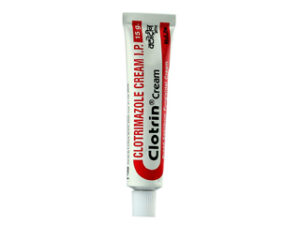
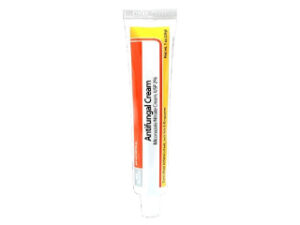
- Topical azoles: clotrimazole, miconazole, econazole (often used for skin and superficial infections)
- Allylamines: terbinafine (frequently used for dermatophyte infections like athlete’s foot and ringworm)
- Antifungal shampoos: other options may include selenium sulfide or zinc pyrithione-containing products
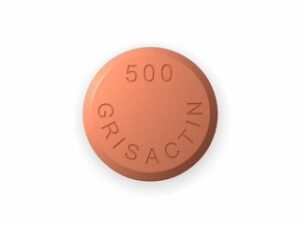
- Oral antifungals (for select cases): itraconazole, fluconazole, or terbinafine may be considered depending on indication and safety profile
The best alternative depends on the fungus involved, site of infection, severity, drug interactions, and whether you need topical or oral treatment.
Market and legal context in Australia
In Australia, medicines are supplied under the regulatory framework of the Therapeutic Goods Administration (TGA). Availability of specific ketoconazole products and the exact conditions of supply may differ by formulation and TGA scheduling.
For antifungal treatment, pharmacists can provide guidance on the most appropriate product based on symptoms and the type of infection. Some ketoconazole formulations may be available for lower-risk uses (such as topical treatment) through community pharmacy, while oral options may be subject to more restricted prescribing pathways in current practice.
Recent guidance and safety-focused trends
Over recent years, safety considerations—particularly around liver injury risk with oral ketoconazole—have influenced clinical use. Many clinicians favour other antifungals with safer liver profiles for systemic infections where appropriate. Always follow the most up-to-date advice provided by your healthcare professional for your specific condition.
Delivery and availability (online pharmacy)
Availability can vary depending on stock levels and whether you’re seeking a topical product or a different formulation. If you order online, your parcel is typically dispatched once payment is confirmed and the item is in stock.
What to expect
- Order dispatch: Usually within 1–2 business days (may vary by location and stock).
- Delivery timeframe: Commonly several business days, depending on your address and courier service.
- Packaging: Medicines are supplied in proper protective packaging to maintain product integrity.
- Support: If you’re unsure about which product matches your symptoms, contact pharmacy support before ordering.
If you need the product quickly (e.g., to manage a flare-up), check the estimated delivery times shown at checkout.
FAQ: Nizoral (ketoconazole)
1) Is Nizoral the same as ketoconazole?
Yes. Nizoral is a brand name that contains ketoconazole as the active ingredient.
2) How long does ketoconazole take to work?
Many people notice improvement within a few days, but complete clearance can take longer. For some scalp or skin conditions, a course may last several weeks depending on severity and recurrence. Continue using it for the full recommended duration.
3) Can I use it if I have a sensitive skin condition?
Ketoconazole topical products may be suitable for some people, but sensitivity varies. If you experience burning, worsening redness, or a rash, stop and seek advice.
4) What should I avoid while taking ketoconazole?
The main concerns are drug interactions (for oral ketoconazole) and irritant reactions (for topical products). Avoid or limit alcohol during oral treatment and discuss all medicines you take, including heartburn medicines and supplements.
5) Does alcohol interact with ketoconazole?
There may be increased risk to the liver with oral ketoconazole. It’s best to limit alcohol and avoid heavy drinking. If you drink regularly or have liver-related risk factors, ask a pharmacist or doctor for personalised advice.
6) Can I take ketoconazole with antacids or reflux medicines?
Some acid-reducing medicines can affect absorption of oral ketoconazole. If you use medicines for reflux, heartburn, or indigestion, ask a pharmacist about timing and interaction risk.
7) What if my infection comes back after finishing treatment?
Recurrence can happen if the fungus persists, reinfection occurs, or an underlying issue (like ongoing moisture, shared towels, or incomplete treatment) contributes. Seek advice—especially for frequent recurrences—so you can confirm the diagnosis and choose an appropriate plan.
8) Are there safer alternatives if I’m worried about liver side effects?
Options vary depending on the infection type. Many clinicians prefer alternatives to oral ketoconazole for systemic infections due to liver safety considerations. A pharmacist or doctor can help select an appropriate antifungal based on your situation.
9) Can I use ketoconazole during pregnancy or breastfeeding?
Safety depends on the formulation and your individual circumstances. Discuss use with a healthcare professional to weigh risks and benefits.
10) When should I stop and get urgent medical help?
Stop using the medicine and seek urgent help if you develop signs of an allergic reaction (swelling, trouble breathing) or severe skin reactions. For oral ketoconazole, seek urgent care if you notice symptoms suggestive of liver injury (yellowing eyes/skin, dark urine, severe fatigue, or persistent nausea/vomiting).
Summary
Nizoral (ketoconazole) is an antifungal medicine used for certain fungal infections of the skin and scalp and, in some contexts, other fungal infections. It works by disrupting fungal cell membrane formation. Treatment results depend on using the right formulation correctly, at the right times, and for the full course. If you’re using oral ketoconazole, pay special attention to liver safety and medicine interactions—especially with other medications and alcohol.