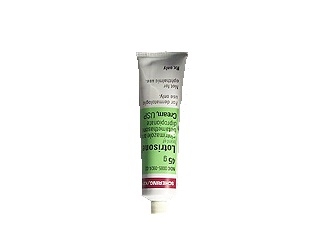
Betamethasone / Clotrimazole Cream (for skin conditions)
Betamethasone / Clotrimazole is a combination medicine used to treat certain fungal (yeast) skin infections together with inflammation, redness, itching and swelling. It contains:
- Betamethasone – a corticosteroid (anti-inflammatory)
- Clotrimazole – an antifungal medicine from the azole group
This page explains how it works, when it’s used, how to apply it safely, and what to consider in everyday life in Australia.
Basic product information
| Category | What it is |
|---|---|
| Combination medicine | Corticosteroid + antifungal |
| Common form | Cream / ointment (brand and strength may vary) |
| Active ingredients | Betamethasone + Clotrimazole |
| Main benefits | Reduces inflammation and treats fungal infection |
How it works (mechanism of action)
Understanding how the two ingredients work together can help you use the product more confidently.
Clotrimazole (antifungal action)
Clotrimazole works by interfering with the fungal cell’s ability to build and maintain its protective outer layer. It does this by blocking key steps needed to create ergosterol (a vital component of fungal cell membranes). As a result, fungal growth is slowed and the infection clears.
Betamethasone (anti-inflammatory action)
Betamethasone reduces inflammation by calming immune responses in the skin. This can:
- reduce redness and swelling
- relieve itching and discomfort
- help skin recover during treatment
Important: the steroid component treats symptoms (inflammation) while clotrimazole treats the underlying fungal cause. Using it correctly helps ensure both aspects work together.
Pharmacokinetics (what the body does with it)
After applying to the skin, only a small amount of the ingredients typically enters the bloodstream. Absorption can increase if:
- the area is inflamed, irritated, or broken skin
- large areas are treated
- the skin barrier is thin (for example, in skin folds)
- occlusive dressings are used
Once absorbed, betamethasone is processed by the liver and metabolites are eliminated mainly through the kidneys. Clotrimazole is also metabolised in the body and cleared through normal metabolic pathways. In most people when used as directed on limited areas, systemic exposure remains low.
Typical uses
Betamethasone / Clotrimazole is used for skin infections where fungal involvement and inflammation occur together. It may be used for conditions such as:
- tinea (ringworm) infections with marked inflammation
- jock itch (tinea cruris) with itch, redness and irritation
- athlete’s foot (tinea pedis) in selected presentations
- fungal skin infections in skin folds with inflammatory symptoms (brand-specific suitability varies)
It is generally not meant for fungal infections where steroid treatment could worsen the condition or mask symptoms. If your symptoms are not clearly fungal, a correct diagnosis is important.
When to apply (timing) and how to use
Follow the instructions provided with your specific product. As a general guide for many combination steroid/antifungal creams:
- Usually applied 1–2 times daily (morning and evening, or once daily), depending on product strength and clinician advice.
- Apply a thin layer to the affected area and a small margin of surrounding skin.
- Wash hands before and after application.
- Continue for the full course even if symptoms improve quickly—otherwise the fungus can return.
Practical step-by-step
- Clean and dry the affected area gently.
- Apply a thin layer of cream to the affected skin and surrounding area.
- Rub in lightly until the cream disappears.
- Wash hands (unless treating your hands).
- Keep the area dry where possible. Avoid tight clothing if treating groin/skin folds.
Do not use on broken skin unless specifically advised for your situation. Avoid contact with eyes, lips and inside the nose.
Food interactions
Because this medicine is used on the skin, food interactions are not typically relevant. There is usually little systemic absorption when used as directed. However, if you are also taking other medicines, it’s still a good idea to tell your pharmacist if you have concerns—especially if you use the cream over large areas or for prolonged periods.
Alcohol and medicine interactions
There are no well-known direct interactions between alcohol and topical betamethasone/clotrimazole when used as directed. That said, alcohol may indirectly worsen some skin issues (for example, by aggravating dehydration or affecting sleep), and drinking could reduce your ability to monitor symptom changes.
Other medicines interactions (systemic)
If systemic absorption is low, interactions are unlikely. Still, seek advice if:
- you plan to use it over large areas
- you will use it for longer than recommended
- you are immunocompromised or have widespread skin disease
- you take medicines that affect immunity or skin integrity
Indications (what it is used for)
Betamethasone / Clotrimazole is indicated for certain fungal skin conditions where inflammation is prominent. It’s intended for skin use only.
Not for all rashes: If your rash is caused by something other than a fungal infection (for example, eczema, dermatitis from chemicals, psoriasis, or bacterial infections), steroid-containing products can sometimes worsen symptoms or hide the true cause.
Dosing guidance (general)
Dosing can vary by product formulation, body site, and severity. Always use the dose stated on your packaging or as advised.
General dosing principles:
- Adults and children: age restrictions depend on the product and strength. Some combination steroid/antifungal creams are not suitable for young children or long-term use in children—check product directions carefully.
- Thin layer: use just enough to cover the affected area.
- Duration: commonly short-term (often about 1–2 weeks), but exact guidance varies. Do not use longer than directed.
- Stop and reassess: if there is no improvement after the specified period, or symptoms worsen.
Typical course timing
Many people begin to notice reduced redness and itch within a few days. However, the fungal infection may take longer to fully clear. A common approach is:
- Early response (a few days): itch and inflammation may ease.
- Continued treatment (up to 1–2 weeks): ensure antifungal action is given enough time.
- Maintenance of hygiene: keep the area dry and follow foot/groin hygiene steps to reduce recurrence.
If you are using it for the face or genitals, discuss suitability with a pharmacist or clinician, as steroid sensitivity can be higher in these areas.
Safety profile and precautions
Like all medicines, Betamethasone / Clotrimazole may cause side effects. Most are mild and occur at the application site.
Common side effects
- mild burning or stinging when applied
- skin irritation or redness
- dryness or peeling
- temporary worsening of local symptoms
Serious or urgent warning signs
Seek urgent medical advice if you experience signs of an allergic reaction, such as:
- swelling of the face, lips or throat
- difficulty breathing
- widespread rash, hives or severe itching
Also seek advice if you develop:
- rapidly spreading infection
- severe pain, pus, crusting with heat and tenderness (possible bacterial infection)
- no improvement after the recommended treatment period
- skin thinning, new stretch marks, or persistent discoloration—especially with longer use or on sensitive sites
Important precautions
- Skin thinning and steroid effects: Prolonged or excessive use of topical corticosteroids can cause thinning of skin, visible blood vessels, and other local changes.
- Avoid occlusion: Don’t cover treated areas with airtight dressings unless instructed.
- Don’t use on broken skin: unless directed.
- Do not use on the face unless advised, and avoid the eyes and eyelids.
- Keep track of response: if it’s not clearly improving, it may not be the correct diagnosis.
Special populations
- Children: Use should be carefully assessed; skin absorption can be higher in children. Follow product directions and ask a pharmacist for site/duration advice.
- Pregnancy and breastfeeding: Topical products are commonly used, but steroid potency and duration matter. Check product guidance and ask a healthcare professional if you’re unsure.
- Immunocompromised individuals: More caution may be needed for infections that can spread.
Practical use tips (to improve outcomes and reduce recurrence)
- Apply to the edge of the rash: fungus can extend beyond visible borders.
- Keep it dry: moisture supports fungal growth. Change underwear/socks daily.
- Use separate towels: prevent transfer between areas and family members.
- Wash and dry footwear if treating athlete’s foot; consider rotating shoes.
- Don’t share clothing used on affected areas.
- Clean the shower area: if treating tinea in foot/groin areas, hygiene helps reduce reinfection.
- Continue after symptom relief: stop only when your course is complete or advised—stopping early can allow the fungus to persist.
Common concerns people have
“Why does my itch improve quickly but the rash remains?”
The steroid component can reduce itch and redness early. The antifungal ingredient still needs time to clear the fungal infection. If the rash doesn’t gradually fade, reassess the diagnosis.
“Can I use it for any fungal rash?”
It’s designed for specific inflammatory fungal skin conditions. If the rash looks unusual, involves the scalp, or spreads rapidly, get appropriate advice.
“Is it safe to use on skin folds?”
Skin folds can be more sensitive to steroid effects. Short courses may be appropriate for some conditions, but use carefully and follow product directions.
Alternative options
Depending on the condition, an antifungal alone may be more suitable, particularly if inflammation is mild. Alternatives commonly considered include:
- Topical antifungals (without steroid) such as clotrimazole-only creams or other azole antifungals
- Allylamines (e.g., terbinafine) for certain dermatophyte infections
- Non-medicated care (drying measures, barrier protection) alongside antifungal therapy for comfort
If you’re unsure whether your rash is fungal or whether steroid treatment is appropriate, a pharmacist can help you choose the most suitable option based on symptoms and appearance.
Australia market & legal context
In Australia, topical combination creams containing a corticosteroid and an antifungal are regulated under the Australian medicines framework. Product classification, supply status, and restrictions may vary depending on the active ingredients, strength, and formulation.
For online purchasing, reputable pharmacies must comply with Australian consumer and medicines regulations, including correct product information, appropriate identification of the medicine, and consumer safety messaging. Always rely on the directions on the pack for the specific product you receive.
Recent guidance (general, Australia-relevant principles)
While exact recommendations can vary by year and by organisation, the following principles reflect common contemporary guidance for fungal skin infections in Australia:
- Confirm the cause when possible—misdiagnosis can lead to poor outcomes.
- Avoid prolonged steroid use for suspected fungal infections, as steroids may mask symptoms or worsen some infections.
- Use short courses for combination steroid/antifungal products unless otherwise advised.
- Support treatment with hygiene to reduce reinfection, especially for tinea pedis and tinea cruris.
- Seek advice if there is no improvement within the expected timeframe or if infection spreads.
If your rash is persistent, recurrent, widespread, or associated with fever, oozing or significant pain, professional review is recommended.
Delivery and availability in Australia
Availability varies by brand and pack size. Many pharmacies offer delivery across Australia through standard or express shipping options.
- Dispatch times: commonly within 24–48 hours on business days (varies by supplier and stock).
- Shipping options: standard and express delivery may be available depending on your location.
- Storage: store at room temperature, away from direct sunlight and heat.
If you need help checking stock, dosage strength, or suitable product choice for your condition, contact the pharmacy team.
FAQ
1) How quickly will it work?
Many people notice reduced redness and itch within a few days due to the betamethasone component. Full fungal clearance can take longer, so continue the course as directed.
2) Can I stop as soon as it looks better?
Try not to stop early. If you stop once symptoms improve, the fungus may not be fully eradicated, leading to recurrence. Follow the recommended duration on your pack.
3) What if there is no improvement after a week?
If your rash hasn’t improved within the expected timeframe, it may not be the right treatment (or the diagnosis may be different). Speak to a pharmacist or clinician for reassessment.
4) Can I use it on my groin or underarms?
Skin folds can be suitable for some fungal conditions, but steroid-containing products should be used carefully. Follow pack instructions closely and seek advice if you’re unsure about duration or suitability.
5) Is it safe for long-term use?
Combination steroid/antifungal products are generally intended for short courses. Long-term use increases the risk of skin thinning and other steroid-related effects.
6) Can I use it with other creams?
Avoid layering multiple steroid products on the same area. If you also use moisturisers or antifungals, separate application times may help, but ask a pharmacist to confirm compatibility and best schedule.
7) Can I use it if I have eczema or sensitive skin?
It depends on the cause of your symptoms. A rash from eczema is not necessarily fungal, and steroid use may not be appropriate for your condition. If you’re uncertain, seek advice.
8) Does it stain clothes or bedding?
Some creams can leave a residue. Consider allowing the cream to absorb before wearing clothing, and use clean, breathable garments.
9) What should I do if I miss a dose?
Apply when you remember unless it’s close to your next dose. Do not double up to compensate—use the normal schedule.
10) When should I stop and get medical advice?
Stop and seek advice if you develop signs of allergy, if the rash worsens quickly, spreads, becomes very painful, or shows no improvement after the recommended treatment period.
Key takeaways
- Betamethasone / Clotrimazole treats fungal infections while reducing inflammation and itch.
- Use a thin layer on the affected area and surrounding margin.
- Don’t use longer than directed to reduce the risk of steroid-related skin effects.
- Hygiene and dryness are important to prevent recurrence.
- If it’s not improving, don’t keep repeating—get advice to confirm the diagnosis.