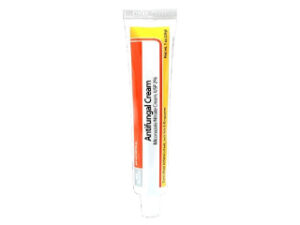
Nizoral Shampoo (Ketoconazole 2%) — Patient Information (Australia)
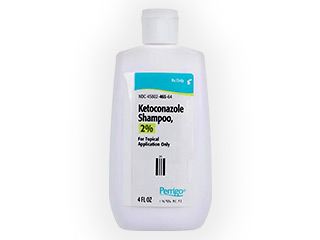
Nizoral Shampoo contains ketoconazole 2%, an antifungal medicine used to treat scalp conditions linked to yeast and fungi. It is commonly used for problems such as seborrhoeic dermatitis (dandruff) and certain fungal scalp infections.
This guide is written to help you understand what the product does, how to use it properly, what to expect, and when to seek advice from a healthcare professional.
Quick overview
| Product | Active ingredient | Strength | Common uses |
|---|---|---|---|
| Nizoral Shampoo | Ketoconazole | 2% | Dandruff / seborrhoeic dermatitis; some fungal scalp conditions |
| Also known as | Ketoconazole | — | Antifungal shampoo |
| Form | Shampoo | — | Use on the scalp |
What is Nizoral Shampoo?
Nizoral Shampoo is an antifungal shampoo designed for the scalp. The active ingredient, ketoconazole, helps reduce the yeast/fungal processes that can contribute to dandruff and inflammation.
It works best when used consistently, with the correct contact time on the scalp.
How ketoconazole works (mechanism of action)
Ketoconazole belongs to a group of antifungal medicines. It targets key fungal processes by inhibiting the synthesis of ergosterol, an essential component of the fungal cell membrane. Without ergosterol, fungal cells cannot maintain their structure and function effectively.
Because the scalp is often colonised by yeast species such as Malassezia, which can contribute to dandruff and seborrhoeic dermatitis, reducing fungal activity can reduce symptoms such as:
- Itching
- Flaking and scaling
- Redness and irritation
- Oily or greasy dandruff
Pharmacokinetics (how the medicine behaves in the body)
When ketoconazole shampoo is used as directed on the scalp, systemic absorption is generally low. Most of the medicine acts locally on the scalp surface and within the superficial layers of skin.
Key points for patient understanding:
- Local action: The main effect occurs where it is applied—on the scalp.
- Low absorption: Compared with oral ketoconazole, topical shampoo usually results in minimal absorption into the bloodstream.
- Metabolism and elimination: Any absorbed fraction is processed by the body and eliminated over time, but this is not expected to be clinically significant for most people using shampoo as directed.
If you have concerns about absorption due to large scalp areas, broken skin, or prolonged use beyond recommendations, consult a healthcare professional.
What is it used for? (Indications)
Nizoral Shampoo is used for scalp conditions where yeast/fungal involvement is suspected or confirmed. In everyday practice, it is commonly recommended for:
- Seborrhoeic dermatitis (dandruff): recurrent flaking, scaling, and scalp irritation.
- Dandruff: including mild to moderate cases with itching and visible flakes.
- Other ketoconazole-sensitive fungal scalp conditions: when recommended by a clinician or pharmacist based on the presentation.
Note: If your scalp symptoms are severe, painful, associated with pus, or you have patches elsewhere (body/face/groin), you may need assessment to confirm the cause.
Typical dosing and how to time your treatment
Correct dosing depends on the condition being treated. The schedules below reflect common, practical use patterns for ketoconazole 2% shampoo.
Adults and adolescents (typical use)
- For dandruff / seborrhoeic dermatitis (active flare): apply to affected scalp and lather. Leave on for about 3–5 minutes before rinsing. Repeat 2 times weekly.
- For maintenance (prevention of recurrence): once symptoms improve, use once weekly or as advised to help prevent relapse.
Children
Children may also be treated, but dosing frequency should be tailored by a healthcare professional or pharmacist, based on age, severity, and scalp sensitivity.
If you miss a dose
Use it as soon as you remember. If it is close to the next dose, skip the missed dose and continue your regular schedule. Do not apply extra amounts to make up for a missed dose.
Step-by-step: Practical instructions for best results
- Wet the scalp thoroughly with water.
- Apply enough shampoo to cover the affected areas.
- Massage gently into the scalp using your fingertips.
- Leave it on for 3–5 minutes to allow ketoconazole to work.
- Rinse well with plenty of water.
- Repeat on the next scheduled day.
Hair styling tips: If you use conditioner, apply it after rinsing the ketoconazole shampoo (and mainly to hair lengths rather than the scalp) unless your pharmacist advises otherwise. This can reduce the chance of diluting the medicine on the scalp.
Expectations: Improvement often occurs within 2–4 weeks for many people, but dandruff can be recurrent. Maintenance use may be necessary to keep symptoms controlled.
When to use (timing) and what to avoid
Because ketoconazole works locally and needs a brief contact time, timing is mainly about:
- Contact time: leave on for 3–5 minutes before rinsing.
- Consistency: use it on a schedule (e.g., twice weekly) rather than only when symptoms become severe.
- Rinsing: rinse thoroughly to reduce irritation.
There is generally no special time of day requirement. Choose a time when you can keep the shampoo on the scalp for several minutes without rushing.
Food interactions
Food interactions are not expected with ketoconazole 2% shampoo because the medicine is applied to the scalp and systemic absorption is typically low.
For completeness: if you are also taking other medicines by mouth, they may have interactions independent of the shampoo. If you are unsure, ask a pharmacist.
Alcohol and medicine interactions
Alcohol
There is typically no known interaction between alcohol and ketoconazole shampoo because the shampoo is used topically with minimal absorption.
Other medicines
Because the shampoo is applied to the scalp, significant interactions are not commonly expected. However, practical precautions include:
- Other topical products: Avoid applying other harsh medicated scalp products (such as strong keratolytics or irritant treatments) at the same time unless advised, as this may increase irritation.
- Ongoing medical treatments: If you are using prescription or medicated scalp preparations, spacing them out by several hours or following professional advice may improve tolerability.
- Skin conditions: If your scalp is inflamed or broken, avoid layering multiple products at once and seek advice if reactions occur.
If you are using other antifungal products or steroids on the scalp, it’s helpful to confirm an appropriate routine with a pharmacist.
Safety profile and side effects
Like all medicines, Nizoral Shampoo can cause side effects, though not everyone experiences them. Most reactions are mild and related to the scalp.
Common or mild side effects
- Scalp irritation or burning sensation
- Dryness
- Itching
- Redness
- Hair or scalp sensitivity
Less common
- Increased flaking at the beginning of treatment (often settles)
- Contact dermatitis (allergic-type skin reaction) in sensitive individuals
Seek urgent medical advice if
- You develop swelling of the face, lips, or eyes
- Breathing difficulties occur
- Severe rash or widespread hives appear
- Severe scalp pain, blistering, or oozing develops
General precautions
- Avoid eyes and mouth: If it gets into your eyes, rinse immediately with water.
- Do not ingest: This is for scalp use only.
- Broken skin: Use caution if you have cuts, wounds, or heavily damaged skin on the scalp.
- Stop and seek advice: If irritation becomes significant or persists after discontinuing.
Practical use tips for better control of dandruff
Dandruff and seborrhoeic dermatitis can be stubborn. These tips can help you get the most from treatment:
- Use enough product: Ensure the scalp (not only the hair) is well covered.
- Massage gently: This helps contact between the shampoo and the skin.
- Don’t shorten the contact time: Rinsing too quickly can reduce effectiveness.
- Stick to the schedule: Sporadic use may delay improvement and increase recurrence.
- Consider triggers: Stress, cold weather, and oily hair products may worsen symptoms for some people.
- Maintenance helps: Many people benefit from weekly use once symptoms settle.
If you wear hair products (gels, oils, sprays), you may prefer to wash the scalp thoroughly on ketoconazole days and avoid heavy oily products that can aggravate flaking.
Alternative options (if you need a different approach)
Depending on your symptoms and tolerance, other treatments may be considered. Options can include:
- Selenium sulfide shampoos: help reduce yeast on the scalp.
- Zinc pyrithione or zinc-based shampoos: may help control dandruff.
- Salicylic acid or keratolytic shampoos: assist with flake removal (often used alongside antifungals).
- Coal tar shampoos: can help reduce scaling (availability varies).
- Prescription options: if symptoms are severe, persistent, or complicated, a clinician may recommend other therapies.
Choosing an alternative: If you notice burning or significant irritation with ketoconazole, consider discussing an alternative shampoo with a pharmacist. Sometimes switching active ingredient or adjusting frequency can improve tolerability.
Australia market and legal context (patient-friendly)
In Australia, antifungal shampoos such as Nizoral (ketoconazole 2%) are generally supplied through pharmacies and may be available as an OTC (over-the-counter) or through pharmacy channels depending on the specific product presentation and regulatory requirements.
Availability and listing can change over time. Our pharmacy website helps you choose appropriate products, while pharmacists can advise on suitability for your scalp condition and whether ketoconazole is the best first option.
Product quality: We source medicines from reputable channels in line with Australian supply standards. Always check that the product label and expiry date are current.
Recent guidance and clinical considerations
Recent clinical guidance worldwide continues to emphasise evidence-based use of antifungal shampoos for seborrhoeic dermatitis and dandruff, including:
- Local treatment first for typical scalp disease.
- Using correct contact time (a few minutes) rather than short rinses.
- Maintenance therapy to reduce relapse for recurrent conditions.
- Assessing alternate causes when symptoms do not improve (e.g., psoriasis, eczema, contact dermatitis, tinea capitis, or other scalp disorders).
If your symptoms do not improve after a reasonable course (often within several weeks), it’s important to seek advice to confirm the diagnosis and consider alternative therapies.
Delivery and availability (online pharmacy)
Order Nizoral Shampoo conveniently online. Delivery availability depends on your location and the shipping options offered at checkout.
Common delivery points:
- Metro and regional delivery options may be available.
- Packaging is typically designed to protect the bottle and label during transit.
- Delivery times are shown at checkout and may vary due to carrier schedules.
Stock availability: If an item is temporarily out of stock, delivery estimates may be updated or you may see alternative options on the site.
Always check: expiry date on arrival and confirm the product is the correct strength (ketoconazole 2%).
Frequently Asked Questions (FAQ)
1) How long does it take for Nizoral Shampoo to work?
Many people notice some improvement within 2–4 weeks. If your symptoms are severe or you have frequent relapses, you may need ongoing maintenance once controlled. If you see no improvement after several weeks of correct use, seek advice.
2) Can I use it every day?
Nizoral Shampoo is typically used 2 times weekly during flare-ups and once weekly for maintenance. Daily use may increase the chance of scalp irritation. Follow the schedule provided on the pack or by your pharmacist.
3) Should I use conditioner after shampooing?
Yes, you can use conditioner. For best results, consider applying conditioner mainly to hair lengths (not the scalp) after rinsing thoroughly, so you don’t reduce contact of the medicine with the skin.
4) Is it safe for colour-treated or chemically treated hair?
Ketoconazole shampoo is designed for scalp use and is generally considered compatible with most hair types. However, any shampoo can contribute to dryness or colour fading depending on how frequently you wash. If you notice increased dryness, adjust conditioning and hair care routines.
5) Can I use Nizoral Shampoo with other dandruff products?
You may be able to, but to avoid irritation and confusion about which product is working, it’s often best not to combine multiple medicated shampoos at the same time. If you want to rotate products, ask a pharmacist for a simple plan.
6) Will it stop dandruff permanently?
Dandruff and seborrhoeic dermatitis can be recurrent. Many people control symptoms effectively with repeated courses and maintenance use. The goal is long-term management rather than a one-time cure for everyone.
7) What should I do if my scalp feels worse or burns?
Mild irritation can occur. If you experience persistent burning, swelling, significant redness, or rash, stop using the shampoo and seek advice from a healthcare professional.
8) Can pregnant or breastfeeding people use ketoconazole shampoo?
Because systemic absorption from shampoo use is generally low, it is often considered a reasonable option for scalp conditions. However, individual circumstances differ. If you are pregnant or breastfeeding, discuss with a healthcare professional or pharmacist.
9) Is there any interaction with medications I take by mouth?
Significant interactions are not expected with ketoconazole shampoo due to minimal absorption. Still, tell your pharmacist about all medicines you use, especially if you take other antifungal medicines or have complex medical conditions.
10) What if I don’t see improvement?
If there is no improvement after several weeks of appropriate use—or if symptoms worsen—your scalp condition may be different from dandruff or may need additional treatment. Seek advice for diagnosis and adjustment of therapy.
When to seek further help
Consult a healthcare professional or pharmacist if you have:
- Severe, painful, or oozing scalp lesions
- Large areas of scaling that don’t respond to treatment
- Hair loss in patches, swollen lymph nodes, or fever
- Symptoms spreading beyond the scalp
- Frequent recurrence despite maintenance
Important: This information is intended as a patient guide. Always follow the directions on the product label and ask your pharmacist if you have questions about how Nizoral Shampoo fits your situation.