Sporanox (Itraconazole) – Patient-Friendly Guide (Australia)
Sporanox is a brand of itraconazole, an antifungal medicine used to treat certain fungal infections. This page explains how it works, typical uses, how to take it, key interactions (including with food, alcohol and other medicines), safety information, and practical tips to help you use it correctly.
1) Basic product information
| Feature | Details |
|---|---|
| Generic name | Itraconazole |
| Brand name | Sporanox |
| Medicine class | Azole antifungal (triazole) |
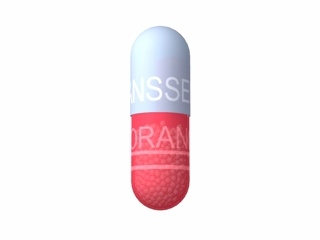
| Common forms | Capsules and oral solution (product availability varies by brand/stock) |
| Who it’s for | Adults and, in some situations, children—depending on the specific infection and clinician guidance |
| How it works best | Consistent dosing for the full course, with attention to food interactions (especially for capsules) |
Note: Different formulations of itraconazole can have different absorption patterns. Always follow the instructions on your specific product and the directions given by your healthcare professional.
2) How Sporanox works (mechanism of action)
Itraconazole belongs to the triazole class of antifungal medicines. It works by blocking the production of ergosterol, an essential component of fungal cell membranes.
By inhibiting an enzyme involved in ergosterol synthesis, itraconazole makes fungal cell membranes unstable and prevents proper fungal growth. In many infections, this results in either stopping the spread of the fungus and/or gradually clearing the infection.
3) Pharmacokinetics: how the body absorbs, distributes and clears itraconazole
Pharmacokinetics describes what the body does to a medicine. Understanding it can help explain why food timing and medicine interactions matter with itraconazole.
- Absorption: Itraconazole absorption can vary depending on formulation and stomach conditions. Capsules generally require acidic stomach conditions and are influenced by food. Oral solution may absorb differently and is often taken with specific timing instructions.
- Distribution: Itraconazole concentrates in certain tissues where fungi cause infection. It can remain in the body for an extended period after dosing stops.
- Metabolism: It is metabolised primarily in the liver via the cytochrome P450 system. This is why many medicines can interact with it.
- Elimination: Itraconazole is cleared slowly, and traces can persist for days. This influences both dosing schedules and interaction risk during and after a course.
Because itraconazole can stay in the body for some time, it’s especially important not to start or stop interacting medicines abruptly.
4) Typical uses and indications
Itraconazole is used for a range of fungal infections. The most appropriate choice depends on the site of infection, the type of fungus, severity and patient factors (e.g., liver health and interacting medicines).
Common indications include:
- Dermatophyte infections (fungal infections of skin, and sometimes nails, as guided by your clinician)
- Candidiasis (yeast infections), depending on severity and location
- Other systemic or serious fungal infections (when indicated and appropriate monitoring is possible)
- Oropharyngeal and mucosal fungal infections may be considered in specific circumstances
Your healthcare professional may choose itraconazole when the expected fungus is likely to respond, when other options are not suitable, or when certain infection types require itraconazole’s profile.
5) Timing and how to take Sporanox
Timing depends on the formulation. If you’re taking capsules, food matters more than for some other antifungals. The sections below provide general guidance—always confirm with your product label.
5.1 Capsules and food interactions
For Sporanox capsules, absorption is improved when taken with food. A common instruction is to take it immediately after a full meal.
- Take with a meal: Helps improve uptake of the medicine.
- Be consistent: Try to take it at the same time each day.
5.2 Oral solution (if prescribed)
If you are using an oral solution, absorption can be different from capsules. Your product label may specify timing instructions (often with regard to stomach contents). Follow those instructions carefully.
5.3 Missed dose
- If you miss a dose, take it as soon as you remember if it’s close to the next scheduled dose.
- If it’s almost time for the next dose, skip the missed dose and continue as normal.
- Do not double the dose to make up for the missed one.
5.4 Completing the course
Fungal infections may improve before the course is finished. Completing the full regimen reduces the risk of relapse and resistance.
6) Food and stomach acidity interactions
Itraconazole absorption depends partly on the conditions in your stomach. Some medicines and foods can reduce absorption. This is particularly relevant for capsules.
- Acid-reducing medicines: Proton pump inhibitors (PPIs) and some acid reducers can reduce itraconazole absorption. Examples of PPIs include omeprazole and esomeprazole (availability and suitability vary).
- Antacids: Antacid timing may be important. Your pharmacist or doctor can help schedule doses safely.
- General food advice: For capsule formulations, taking with food is often key.
If you regularly take acid-reducing medicines for reflux or ulcers, tell your healthcare professional before starting itraconazole. Sometimes an alternative medicine is chosen, or dosing is adjusted.
7) Alcohol interactions
Alcohol does not usually have a single “direct” interaction with itraconazole like some antibiotics do, but it can still increase risks in real-world use.
- Liver strain: Itraconazole is metabolised by the liver. Drinking alcohol, especially in higher amounts or with liver disease, can increase stress on the liver and raise the risk of side effects.
- Decision guidance: It’s generally recommended to avoid or limit alcohol during treatment, particularly if you have any history of liver problems or you develop symptoms that could suggest liver irritation.
If you’re unsure how much alcohol is safe for you, discuss it with a healthcare professional.
8) Medicine interactions: key safety points
Itraconazole can interact with many medicines because it affects enzymes involved in drug metabolism. Some interactions are serious, including interactions that can lead to heart rhythm issues or severe side effects.
Common interaction categories to be aware of:
- Medicines that strongly inhibit or induce drug metabolism: Certain medications can significantly change itraconazole levels.
- Other antifungals: Combining antifungals may increase side effects or change drug levels.
- Some heart/rhythm medicines: A number of drugs that affect cardiac rhythm can interact and may increase risk.
- Statins (cholesterol-lowering medicines): Some statins can accumulate, raising the risk of muscle injury.
- Blood thinners: Warfarin and other anticoagulants may interact depending on the regimen and patient factors.
- Some immunosuppressants: Adjustments may be needed for medicines used after transplants or for immune conditions.
- Antivirals (HIV or hepatitis medicines): Interactions can be significant.
- Diabetes medicines: Glucose levels may change depending on interaction direction.
Practical advice:
- Tell your pharmacist or healthcare professional about all medicines you take, including OTC products and supplements.
- Keep a list (or photos) of your medicines for quick reference.
- Do not start new medicines while on itraconazole without checking interactions.
9) Dosing: typical regimens and how they’re chosen
Dosing depends on the infection type, severity, and which formulation you’re using. Because itraconazole regimens vary, it’s not possible to give one universal dose on this page.
How dosing is commonly determined:
- Site of infection: Skin, nails, mucosal areas, or deeper/systemic sites
- Severity and duration: Some infections require longer courses
- Formulation: Capsules vs oral solution
- Patient factors: Liver function, other medicines and individual risk
9.1 Nail and skin infections (general concept)
For certain nail and skin fungal infections, regimens may involve a longer duration or specialised schedules. Nail infections often require time because nails grow slowly.
9.2 Serious fungal infections
For more serious infections, clinicians may use structured dosing schedules and may consider monitoring. If you’re being treated for a severe infection, follow your healthcare professional’s plan closely.
Important: Always follow the dose on your prescription/label and do not change it unless instructed. If you’re unsure about how to take your specific product, ask your pharmacist.
10) Safety profile: what to watch for
Like all medicines, itraconazole can cause side effects. Many people experience mild or manageable effects, but some reactions require urgent medical attention.
10.1 Common side effects
- Nausea
- Headache
- Stomach discomfort or indigestion
- Diarrhoea or constipation
- Skin rash
10.2 Serious side effects (seek medical help urgently)
Contact a healthcare professional urgently or seek emergency care if you develop signs of a serious reaction, such as:
- Liver problems: Yellowing of the skin/eyes (jaundice), dark urine, severe tiredness, persistent nausea/vomiting, or right upper abdominal pain
- Allergic reactions: Swelling of the face/lips, difficulty breathing, severe rash or blistering
- Heart rhythm symptoms: Fainting, dizziness with palpitations, or chest symptoms
10.3 When extra caution is needed
- Liver disease or elevated liver enzymes
- History of heart failure or significant cardiac disease
- Current use of interacting medicines
- Existing electrolyte disturbances (e.g., low potassium or magnesium) that may increase rhythm risk
11) Practical tips for using Sporanox effectively
- Take capsules with food: If your product instructions say so, take right after a meal to maximise absorption.
- Keep a daily routine: Choosing a consistent time helps you avoid missed doses.
- Check interactions early: Before starting, confirm all medicines and supplements.
- Track symptoms: Note whether symptoms are improving, stable or worsening.
- Don’t stop early: Completing the full course matters, especially for fungal infections.
- Consider nail timing: Visible improvement in nail infections may take weeks to months after infection clears.
- Stay hydrated and eat normally: This can reduce stomach upset for many people.
12) Alternative options to consider
The “best” antifungal depends on the fungus involved, the location of infection, and your medical history. Alternatives may include other azole antifungals or different medicine classes.
Examples of alternative treatments (depending on indication):
- Topical antifungals: creams, gels, sprays for certain skin infections (often for localised disease)
- Terbinafine: commonly used for dermatophyte infections
- Fluconazole: used for some yeast infections
- Other systemic antifungals: chosen based on severity and fungal type
If itraconazole isn’t suitable (for example, due to interactions, intolerance, or liver concerns), your healthcare professional may consider another option.
13) Sporanox in the Australian market: legal and guidance context
In Australia, medicines are supplied according to regulatory classification and prescribing/dispensing requirements. Availability through online pharmacies depends on local compliance and your eligibility for supply.
Itraconazole products are generally regulated as prescription-only medicines in Australia, and pharmacists follow legal processes to ensure safe supply. Always ensure you follow the requirements of your chosen pharmacy and provide any necessary details for safe dispensing.
13.1 Recent guidance and practical updates
Ongoing safety monitoring and clinical guidance may evolve, particularly regarding:
- Drug interaction screening (especially with cardioactive drugs, statins and certain immunosuppressants)
- Liver safety considerations
- Formulation-specific advice (capsule absorption and stomach acidity)
For the most up-to-date clinical recommendations in Australia, clinicians typically refer to current product information and local guidelines. Your pharmacist can also help interpret how guidance applies to your specific situation.
14) Delivery and availability (online pharmacy)
Online pharmacies in Australia commonly offer delivery for eligible medicines. Availability can vary by strength and formulation. Delivery time depends on the pharmacy’s dispatch schedule and your location.
- Check stock: Some itraconazole formulations may be temporarily unavailable.
- Packaging: Medicines are typically shipped in manufacturer-approved packaging.
- Storage: Store as directed on the label (commonly at room temperature, protected from moisture and heat).
- Tracking: Many deliveries provide tracking updates.
If you need urgent treatment, confirm expected dispatch and delivery time before placing an order. If the medicine is not in stock, some pharmacies can offer alternative formulations where clinically appropriate.
15) Frequently Asked Questions (FAQ)
How long does it take Sporanox to work?
Many fungal infections begin to improve within days to weeks, but complete resolution depends on the infection type. Nail infections often improve slowly because nails grow gradually, so treatment effects may take months to be fully visible.
Can I take Sporanox with food?
For Sporanox capsules, taking the medicine with food is often important for absorption. Follow the instructions on your specific product. If you take antacids or acid-reducing medicines, ask for timing advice.
Is it safe to drink alcohol while taking itraconazole?
It’s generally best to limit or avoid alcohol during treatment due to potential added stress on the liver. If you drink alcohol regularly or have liver issues, seek personalised advice.
What if I miss a dose?
Take it when you remember if it’s close to your next dose time. If it’s nearly time for the next scheduled dose, skip the missed dose and continue—don’t double up.
Are there foods I should avoid?
Food mainly affects absorption for capsule formulations. Rather than avoiding foods entirely, focus on taking it at the recommended time (commonly after a meal). Be cautious with stomach acid changes caused by medicines.
What medicines interact with itraconazole?
Itraconazole has many potential interactions. It’s especially important to check medicines for: heart rhythm effects, statins, blood thinners, immunosuppressants, and acid-reducing medicines. Always review your full medicine list with your pharmacist.
Do I need liver monitoring?
Monitoring requirements vary with your health history and dosing duration. If you have risk factors for liver problems or you’re on prolonged treatment, your clinician may recommend blood tests. Stop and seek medical advice promptly if you develop signs of liver problems.
Can itraconazole be used for athlete’s foot or ringworm?
It may be used in some cases, depending on the severity, location and type of fungus. Sometimes topical antifungals are sufficient for mild, localised skin infections.
What should I do if I develop a rash?
Mild skin changes may occur, but a severe rash, blistering, or swelling of the face/lips or breathing difficulty could signal a serious allergic reaction. Seek urgent medical advice if symptoms are severe or rapidly worsening.
16) Summary
Sporanox (itraconazole) is an antifungal medicine that works by disrupting fungal cell membrane formation. Its effectiveness depends on correct dosing and—particularly for capsules—taking it with food to optimise absorption. Because itraconazole can interact with many medicines and may affect the liver, it’s important to follow safety advice and check interactions before and during treatment.
If you have questions about timing, interactions, or whether itraconazole is suitable for your specific infection, contact a pharmacist for guidance.