
Dexilant (Dexlansoprazole) – Patient-Friendly Guide (Australia)
Dexilant is a medicine used to reduce stomach acid and help treat conditions related to acid reflux. This page explains what Dexilant does, how it works, how to take it, what to expect, and key safety and interaction considerations for people in Australia.
Always read the product packaging and your pharmacist’s advice. If you have symptoms that are severe, worsening, or include red flags (such as difficulty swallowing, vomiting blood, black/tarry stools, or unexplained weight loss), seek medical care promptly.
1) Basic product information
| Item | Details |
|---|---|
| Generic name | Dexlansoprazole |
| Brand name | Dexilant |
| Medicine type | Proton Pump Inhibitor (PPI) |
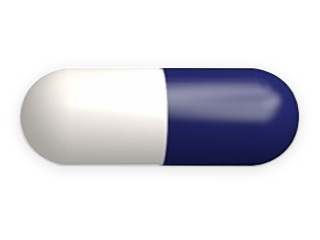
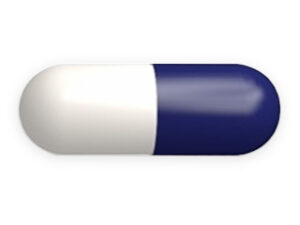
| Common forms | Oral delayed-release capsules (strengths may vary by country/stock) |
| How it’s designed to act | Delayed-release formulation with extended acid suppression |
| Main purpose | Reduce gastric acid to treat reflux-related symptoms and healing of erosive disease |
Availability and pack sizes can vary. In Australia, supply may depend on distributor/stock levels. Your pharmacist can advise on the exact strength and formulation you’re purchasing.
2) Mechanism of action (how Dexilant works)
Dexilant (dexlansoprazole) belongs to the proton pump inhibitor (PPI) group. PPIs work by blocking the “proton pumps” in the stomach lining—specialised cells that produce acid.
By reducing acid production, Dexilant:
- lowers acidity in the stomach
- helps relieve heartburn and acid-related discomfort
- supports healing of inflamed or damaged lining in certain reflux conditions
- can reduce the risk of symptom recurrence for some people when taken regularly
Dexilant uses a delayed-release approach that is designed to provide a longer duration of acid control through its specialised release pattern after swallowing.
3) Pharmacokinetics (absorption, onset, and how the body handles it)
“Pharmacokinetics” describes what happens to the medicine in the body—absorption, distribution, metabolism, and elimination.
- Onset: Many people feel symptom improvement within the first few days, but the full benefit can take longer—especially for healing of erosive disease.
- Delayed release: The capsule’s formulation delays release of the active medicine until it reaches the appropriate part of the digestive tract, helping maintain prolonged acid suppression.
- Absorption profile: Dexlansoprazole is designed to produce an extended effect, with a pharmacokinetic pattern that can include more than one “peak” level over time.
- Metabolism: PPIs are generally metabolised in the liver. Activity depends on liver enzyme pathways; drug interaction potential can reflect this.
- Elimination: The medicine and its metabolites are cleared mainly via metabolic breakdown and excretion processes.
People with liver impairment may have higher exposure to certain PPIs; dosing advice should follow the specific product instructions and clinician guidance.
4) Typical use in Australia
Dexilant is used for acid reflux and related conditions. Depending on your diagnosis, it may be used for:
- symptom relief in gastro-oesophageal reflux disease (GORD)
- healing of reflux-related erosive oesophagitis (inflammation/erosion of the oesophagus)
- longer-term management for people at risk of recurrence (your prescriber may advise a maintenance plan)
In practice, PPIs like Dexilant are commonly considered when lifestyle changes and/or other measures have not controlled symptoms adequately, or when there is erosive disease.
5) Timing: when to take Dexilant for best results
PPIs work best when taken consistently because they suppress acid production during periods when the stomach pumps are active and for enough time to allow healing of reflux-related damage.
Common timing guidance
- Usually once daily: Many people take Dexilant once per day.
- With or without food: Dexilant’s design typically allows flexibility, but it is still best to follow the specific directions on your pack.
- Try to take it at the same time each day: This helps maintain steady acid suppression.
Practical example schedule
- Morning dose: Take on waking, with a consistent routine (breakfast may or may not be required depending on product directions).
- If advised twice daily: Split doses according to instructions and maintain a steady interval.
If you miss a dose, take it when you remember unless it’s close to the next dose. Do not double the dose.
6) Food interactions (what to know about meals)
Unlike some acid-suppressing medicines, Dexilant is generally considered flexible with meals because it is a delayed-release formulation. Food can influence gastric conditions, but the formulation is intended to help maintain effectiveness.
Practical tips:
- Stick to a consistent routine: If you usually take Dexilant with breakfast, keep that habit. If you take it without food, keep that pattern too—consistency often improves perceived control.
- Avoid large trigger meals: Even when on a PPI, very large or high-fat meals can worsen reflux.
- Alcohol and reflux: See the alcohol section below—alcohol can aggravate symptoms even if acid is reduced.
If your pharmacist has advised taking it at a particular time relative to meals, follow that advice.
7) Alcohol interactions
There is no single “always unsafe” rule for alcohol with PPIs, but alcohol can worsen reflux symptoms by:
- relaxing the lower oesophageal sphincter (the “valve” that helps prevent reflux)
- irritating the oesophagus and stomach lining
- increasing heartburn sensations in some people
If you choose to drink alcohol, consider limiting quantity and avoiding triggers (such as late-night drinking). Stop and seek advice if you experience severe symptoms or complications.
8) Medicine interactions (important considerations)
PPIs can interact with other medicines for a few reasons, including changes in stomach acidity (which can affect absorption) and shared liver enzyme pathways.
Medicines where interaction risk may be higher
- Medicines that require stomach acidity for absorption: Some drugs depend on an acidic environment to absorb properly. Your pharmacist may need to review your list if you take medicines for fungal infections, certain antivirals, or other specialised drugs.
- Anticoagulants (blood thinners): Warfarin is one example where close monitoring may be needed if therapy changes. Report any unusual bruising or bleeding.
- Clopidogrel (antiplatelet medicine): PPIs can potentially reduce activation of clopidogrel. Not all PPIs carry the same level of concern; discuss your regimen with a healthcare professional.
- Some cancer medicines and immunosuppressants: Effects may vary depending on the exact medicine. Check with your pharmacist if relevant to you.
- Other acid-suppressing agents: Combining PPIs with certain other reflux medicines may increase the chance of side effects without added benefit; use combination therapy only if advised.
Herbal and dietary supplements
- Always mention supplements (e.g., St John’s wort) and herbal products, as they may affect metabolism.
Best practice: Provide your pharmacist with a complete list of medicines, including over-the-counter products, supplements, and occasional doses. This helps identify whether any spacing or adjustments are needed.
9) Indications (when Dexilant is used)
While the exact approved indications can vary by local product labelling and regulatory updates, Dexilant is generally used for acid reflux conditions such as:
- GORD: symptoms such as heartburn, regurgitation, and discomfort related to reflux
- Erosive oesophagitis: healing and symptom control for reflux-related erosions or inflammation
- Maintenance of remission: for selected patients where recurrence is a concern
If you’re unsure whether Dexilant is right for your diagnosis, ask your pharmacist or doctor to explain the intended goal: symptom relief, healing, or maintenance.
10) Dosing: typical instructions
Dosage depends on your condition, severity, and response. Follow the instructions on your pack or the advice from your healthcare professional.
Common dosing patterns
- Adults: Often once daily for reflux-related conditions.
- Erosive disease: Some patients may require different dosing schedules based on severity.
Do not adjust the dose yourself—especially if you have been instructed to complete a course for healing. If symptoms persist despite consistent use, seek advice rather than increasing the dose without guidance.
How to take Dexilant capsules:
- Swallow the capsule whole with water.
- Do not crush or chew unless the product instructions specifically allow the contents to be used as directed.
- If you have difficulty swallowing, discuss options with your pharmacist (formulations vary and may include alternative preparations).
Special populations
- Liver impairment: Higher exposure may occur. Dosing should be guided by local labelling and clinician advice.
- Pregnancy and breastfeeding: Use should be assessed by a healthcare professional considering benefits and risks.
- Children: Use depends on age and indication; follow paediatric guidance from healthcare professionals.
11) Safety profile: what to watch for
Like all medicines, Dexilant can cause side effects. Many are mild and resolve as your body adjusts. However, report severe or persistent symptoms to a healthcare professional.
Commonly reported side effects
- headache
- nausea
- abdominal pain or discomfort
- diarrhoea or constipation
- flatulence
Less common but important risks
- Infections: Long-term acid suppression can be associated with increased risk of certain gastrointestinal infections. Contact a clinician if you develop persistent diarrhoea or signs of infection.
- Vitamin/mineral effects: With prolonged use, there may be effects on nutrient absorption (for example, magnesium). Your healthcare professional may consider monitoring in selected patients.
- Bone health: Long-term PPI therapy has been linked in some studies with fracture risk. This does not mean everyone will experience this, but it supports using the lowest effective dose and regular review.
- Kidney issues: Rare kidney-related adverse effects have been reported with PPIs. Seek advice if you notice reduced urine output, swelling, or unusual fatigue.
- Allergic reactions: Seek urgent help for swelling of the face/lips, breathing difficulty, or widespread rash.
When to seek urgent help
- trouble swallowing or painful swallowing
- vomiting blood or material that looks like coffee grounds
- black/tarry stools
- unintentional weight loss
- severe chest pain (especially if not typical for your reflux)
12) Practical use tips (how to get the best results)
PPIs often work best alongside reflux lifestyle measures. Consider these practical steps:
- Take it regularly: Don’t rely only on occasional doses if you’ve been advised a daily regimen.
- Reassess after a treatment course: If symptoms improve, discuss whether you still need the same dose or duration.
- Limit trigger factors: Reduce spicy foods, fatty meals, chocolate, peppermint, and acidic foods if they trigger symptoms.
- Timing with meals: Avoid lying down for at least a few hours after eating, especially in the evening.
- Elevate the head of your bed: Helpful for night-time reflux for some people.
- Maintain a healthy weight: Weight reduction can significantly improve reflux for many individuals.
- Avoid smoking: Smoking can worsen reflux and oesophageal irritation.
If your symptoms don’t improve after the expected time or keep returning quickly, it’s important to review the diagnosis and consider whether another condition is involved (for example, functional heartburn or other gastrointestinal issues).
13) Alternative options for reflux management
Depending on your symptoms and diagnosis, there are alternative approaches. Your pharmacist can help you compare options.
Medication alternatives (common categories)
- Other PPIs: There are multiple PPIs available. Switching may be considered if one product isn’t effective or causes side effects.
- H2 receptor antagonists: These reduce acid but generally less powerfully than PPIs for erosive disease. They may be used for milder symptoms or specific night-time control in some plans.
- Antacids: Provide quick, short-term relief by neutralising existing acid. Useful for occasional breakthrough symptoms.
- Alginate-based products: Form a “raft” barrier to reduce reflux episodes after meals. Often used for intermittent symptoms.
Non-medicine alternatives
- diet and lifestyle modification
- weight management
- sleep and posture adjustments
- in selected cases, referral for further evaluation if persistent symptoms occur
14) Delivery and availability in Australia
Availability can vary by supplier. When ordering online, confirm:
- the exact Dexilant strength and pack size you are purchasing
- the expected dispatch and delivery timeframe
- storage requirements (typically keep in a cool, dry place)
Many pharmacies offer home delivery across Australia, and shipping options may include standard or express services. If you need your medicine urgently, contact the online pharmacy to check current stock and dispatch times.
15) Market and legal context for Australia (general)
Medicines in Australia are regulated under the Therapeutic Goods Administration (TGA). Products can be categorised as prescription-only or available under other prescribing/supply frameworks depending on the indication, formulation, and local regulatory status.
Online pharmacies generally operate under Australian pharmacy and medicines regulations, including requirements for appropriate supply, consumer information, and safety checks.
If you’re unsure about eligibility to obtain Dexilant through an online service, speak with the pharmacy team.
16) Recent guidance and ongoing review (what to keep in mind)
In recent years, clinical guidance internationally has consistently emphasised:
- using the lowest effective dose for the shortest necessary duration
- reviewing ongoing need for long-term PPI therapy
- checking for contributing factors such as lifestyle triggers, medication-related reflux, and alarm symptoms
- appropriate step-down strategies when symptoms are controlled
Your pharmacist or doctor may recommend periodic review, especially if you’ve been taking a PPI for an extended period.
17) FAQ (Frequently asked questions)
How quickly will Dexilant work?
Many people notice symptom improvement within a few days. Healing of erosive disease may take longer, so continue taking the medicine as directed even if you feel better early.
Can I take Dexilant with food?
Dexilant is typically taken with or without food depending on product instructions. For best results, choose a routine that fits your day and take it consistently.
Should I take Dexilant before breakfast or after?
Follow the dosing instructions on your pack. If you’re taking it in the morning, many people find that establishing a consistent time (with or without breakfast as advised) improves results.
What should I do if I miss a dose?
Take it when you remember unless it’s close to the next scheduled dose. Do not take a double dose to make up for a missed one.
Is it safe to take Dexilant long term?
Some people require longer-term therapy under medical guidance. Long-term use should be reviewed periodically to ensure you still need the PPI, and to use the lowest effective dose. Discuss your individual risk factors with your pharmacist or doctor.
Can I stop Dexilant suddenly?
Stopping a PPI abruptly can lead to rebound acid-related symptoms in some people. If you’ve been taking Dexilant for a while, talk to your pharmacist about a step-down plan.
Are there any dietary habits that make Dexilant less effective?
Large or late meals, alcohol, smoking, and certain foods can still trigger reflux even when acid is reduced. Lifestyle measures can significantly improve control.
Does alcohol interact with Dexilant?
Alcohol may not directly “cancel” Dexilant, but it can worsen reflux symptoms and irritate the oesophagus. If you drink, consider keeping it minimal and avoiding triggers, especially in the evening.
What medicines should I tell my pharmacist about?
Tell them about all medicines and supplements you use, including blood thinners, antiplatelet medicines, antifungals, antivirals, and any non-prescription reflux treatments. This helps identify possible absorption or liver metabolism interactions.
Who should be cautious when using Dexilant?
People with liver problems, those on complex medicine regimens, pregnant or breastfeeding individuals, and anyone with alarm symptoms should seek professional advice before use.
When should I seek medical advice for reflux?
Seek medical advice promptly if symptoms persist despite treatment, worsen, or you experience alarm symptoms such as difficulty swallowing, vomiting blood, black stools, unintentional weight loss, or chest pain not typical for your reflux.
18) Quick safety checklist (before and while you take Dexilant)
- Read the pack instructions and follow your pharmacist’s advice.
- Take Dexilant regularly at the recommended time.
- Keep a list of your medicines and review it with your pharmacist when starting or changing therapy.
- Contact a healthcare professional if you develop severe diarrhoea, signs of allergy, or symptoms of bleeding.
- If you’ve used a PPI for a long time, schedule a periodic review to confirm ongoing need and dose.