
Urso (Ursodiol) — Patient-Friendly Information (Australia)
Urso (ursodiol) is a medicine used to treat certain liver and bile-duct conditions. It works by improving how bile flows and by helping protect liver cells from harmful bile components. This guide explains what Urso is, how it works, how it’s taken, and what to expect—written for patients and carers.
| What you need to know | Details |
|---|---|
| Active ingredient | Ursodiol (also known as ursodeoxycholic acid) |
| Common uses | Primary biliary cholangitis (PBC), certain cholesterol gallstones (selected cases) |
| How it works | Changes bile composition, reduces bile toxicity, supports bile flow |
| Typical dosing | Varies by condition; often taken once or divided across the day |
| Key practical tip | Take consistently at the same time(s) daily; follow food guidance from your clinician |
| Safety notes | Most people tolerate it well; seek advice for new/worsening symptoms |
Basic product information
Urso contains ursodiol (ursodeoxycholic acid). It is used in specific liver and gallbladder disorders where bile plays an important role.
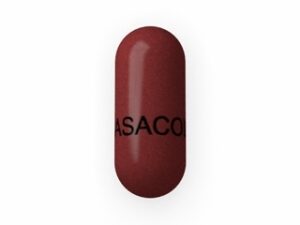
Urso products may be available in different strengths depending on the manufacturer and formulation. Your pharmacist can confirm the exact strength you have.
How Urso works (mechanism of action)
Urso alters bile chemistry and helps improve the environment in the bile ducts and liver. While the exact mechanism is complex, the main effects include:
- Improving bile composition: Ursodiol becomes part of the bile acid pool and can shift bile towards a less irritating, more “protective” pattern.
- Reducing bile acid toxicity: It may lower the proportion of bile acids that can damage cells lining the bile ducts.
- Supporting bile flow: Ursodiol can help stimulate more favourable bile flow, which may improve symptoms related to cholestasis (reduced bile flow).
- Protecting liver cells: By reducing harmful bile exposure, it may help protect hepatocytes (liver cells) over time.
For gallstones, ursodiol can gradually dissolve certain types of gallstones by changing bile composition, though it is not suitable for all gallstone types or situations.
Pharmacokinetics (how your body handles it)
Pharmacokinetics describes what the body does with a medicine—absorption, distribution, metabolism, and elimination. Ursodiol has the following general features:
- Absorption: Absorption occurs mainly in the small intestine. The extent of absorption can be influenced by bile secretion and intestinal conditions.
- Distribution: Ursodiol circulates and is taken up into bile acid pools in the liver and bile.
- Metabolism: It undergoes transformation by liver processes and gut bacteria; bile acids can be reabsorbed and recycled.
- Elimination: Ursodiol and its metabolites are mainly eliminated through bile and faeces.
In plain terms, ursodiol is designed to work through the bile system, and regular dosing helps maintain steady bile acid effects.
Typical uses and indications
Urso is used for selected conditions involving the liver and bile ducts, and in certain cases for gallstones.
1) Primary biliary cholangitis (PBC)
Ursodiol is commonly used for primary biliary cholangitis, a long-term autoimmune disease where bile ducts become inflamed and can be damaged, leading to cholestasis and scarring over time.
2) Cholesterol gallstones (selected patients)
Ursodiol may be used to dissolve selected cholesterol gallstones in the gallbladder. Suitability depends on factors such as stone type, size, number, gallbladder function, and whether surgery or other options are appropriate.
Not all gallstones dissolve with ursodiol, and stone dissolution may take months to years.
Who can benefit most (and who should be cautious)
Urso can be beneficial for patients with conditions where bile composition and bile-duct protection are central to management. However, suitability depends on your diagnosis and overall liver function.
- Often considered: PBC patients who are prescribed ursodiol as part of a long-term management plan.
- Gallstone cases: Only if your clinician determines the stones are likely to respond and that medical dissolution is appropriate.
- Use with caution: If you have significant bile-duct obstruction (for example, a blocked duct) or certain non-cholesterol gallstones, because effects may be reduced or risks increased.
If you’re unsure why Urso was chosen for you, ask your pharmacist or clinician for a simple explanation based on your diagnosis.
Timing and how to take Urso
Follow the dosing instructions provided with your medicine. Doses vary based on the condition being treated and your personal factors (including weight and response).
General timing guidance
- Take it consistently: Try to take Urso at the same time(s) each day.
- With or after food: Many patients are advised to take ursodiol with food to improve tolerability and support bile-related effects. Your specific product instructions may vary—follow the advice given to you.
- Multiple doses: If prescribed more than once daily, space doses evenly across waking hours.
Practical example schedule
- Once daily: Take with a meal (commonly dinner) at the same time each day.
- Twice daily: Take with breakfast and with dinner, roughly 10–12 hours apart.
Food interactions (what to consider with meals)
Because ursodiol works through bile and digestion-related pathways, your meal pattern can matter. Key points include:
- Take with food if advised: Food may support bile secretion and can improve comfort.
- Be consistent with meal timing: Regular timing helps maintain stable effects and may reduce stomach upset.
- High-fat meals: Very high-fat eating patterns can sometimes change bile flow dynamics. If you notice symptoms worsen after certain meals, discuss this with your clinician.
If you have dietary restrictions (for example, due to liver disease), it’s usually best to keep the medicine timing stable and follow your clinician’s diet guidance.
Alcohol interactions
Alcohol can harm the liver and can worsen certain liver conditions. With medicines like Urso, which are used to manage liver/bile-duct disease, it’s generally wise to:
- Avoid or minimise alcohol unless your clinician says it is safe for you.
- Seek advice if you have ongoing liver test abnormalities, itching, fatigue, or other symptoms that could be influenced by alcohol.
Alcohol and liver disease together can increase the risk of complications. Even if there is no direct “drug-drug” interaction, the underlying organ strain matters.
Medicine interactions (important examples)
Ursodiol can interact with certain medicines, particularly those that affect bile acids or cholesterol. Always review your current medicines and supplements with a pharmacist.
Medicines that may reduce effectiveness
- Bile acid sequestrants (bile binders) such as some agents used for cholesterol: these can bind bile acids and may reduce ursodiol absorption/effect. If used, dosing separation may be needed.
Medicines that affect bile acid handling
- Some antacids or medications that bind bile components may also reduce absorption if taken close together. Your pharmacist can advise spacing.
Other points to discuss
- Hormonal medicines and some lipid-lowering drugs may affect cholesterol balance in bile; this can matter particularly for gallstone dissolution goals.
- Herbal products: Some supplements may affect liver enzymes or bile flow. Provide a list of all supplements to your pharmacist.
If you start, stop, or change the dose of any medicine while taking Urso, let your pharmacist know so they can check for interactions.
Dosing (how much to take)
Dosage depends on the condition being treated. The most appropriate dose for you should be provided by your clinician based on diagnosis, weight, kidney function, liver tests, and response over time.
Do not change your dose without medical advice.
General dosing principles
- Weight-based dosing may apply: In some indications, dosing is guided by body weight.
- Divided dosing: Some patients are prescribed multiple daily doses to improve tolerability and maintain effect.
- Long-term use: PBC usually requires ongoing treatment; gallstone dissolution may require long-term therapy if deemed appropriate.
Example dose patterns (for understanding only)
Many patient regimens in practice involve one of the following patterns:
- Once daily (often with an evening meal), or
- Twice daily (with breakfast and dinner).
Your exact number of tablets/capsules and strength should match your prescription label and your clinician’s instructions.
How long it takes to work
- PBC: Symptoms such as fatigue or itching may improve for some people over weeks to months, while blood test changes (e.g., liver enzymes) may take longer. Long-term adherence is important.
- Gallstones: Dissolution—when it occurs—typically takes months to years. Your clinician may use ultrasound to monitor progress.
If there is no meaningful response after a reasonable period, your clinician may review whether ursodiol is still appropriate or consider additional approaches.
Safety profile (side effects and when to seek help)
Most people tolerate ursodiol well. Like all medicines, it can cause side effects in some individuals.
Common side effects
- Mild gastrointestinal symptoms such as nausea, diarrhoea, abdominal discomfort, or indigestion
- Occasional changes in stool consistency
Less common but important effects
- Allergic reactions (rare): rash, itching, swelling of face/lips, difficulty breathing
- Worsening liver symptoms: increased jaundice (yellowing of eyes/skin), severe fatigue, dark urine, or pale stools
Seek urgent medical attention if
- You have trouble breathing, swelling of the face/lips, or widespread rash
- You develop severe or rapidly worsening jaundice or abdominal pain
Report to a healthcare professional soon if
- Diarrhoea is persistent or severe
- You notice new/worsening itching, fatigue, or changes in urine/stool colour
Your clinician may also monitor liver function tests periodically to confirm ongoing benefit and safety.
Practical use tips for best results
- Take it regularly: Don’t skip doses. If you miss one, take it when you remember unless it’s nearly time for the next dose—then skip the missed dose.
- Keep a routine: Link dosing to a daily habit (e.g., breakfast or dinner).
- Don’t double up: Avoid taking extra to “catch up” unless your clinician advises otherwise.
- Use medication reminders: Phone alarms or pill boxes can help with long-term therapy.
- Attend monitoring appointments: For PBC and gallstone therapy, periodic check-ups and blood tests or imaging may be recommended.
- Review your full medicine list: This includes prescription medicines, over-the-counter drugs, and supplements.
Alternative options (what else may be used)
Alternatives depend on the condition being treated. Below are common categories of options that clinicians may consider.
For primary biliary cholangitis (PBC)
- Other bile-flow or liver-directed therapies may be considered depending on response and guidelines.
- Supportive care for symptoms such as itching (e.g., anti-pruritus strategies) and management of fatigue.
- Vaccinations and bone health support may be recommended, because chronic liver disease can affect nutrition and bone density.
For cholesterol gallstones
- Surgery (such as cholecystectomy) is often considered when appropriate.
- Other procedures may be used for selected bile-duct or gallbladder problems.
- Lifestyle measures may help reduce risk of new stones, though they usually cannot dissolve existing ones reliably.
Discuss alternatives with your clinician. Do not stop Urso without advice, especially if you’re taking it for PBC.
Market and legal context in Australia (overview)
In Australia, medicines are regulated under the national medicines framework. Supply of prescription and certain regulated products is subject to Australian rules and the quality, safety and distribution standards of approved suppliers.
The exact status of Urso products (for example, whether they are prescription-only or have other regulatory classifications) can vary by strength, formulation, and the product’s regulatory schedule. A pharmacy can confirm the correct supply pathway and documentation requirements at the point of purchase.
Importantly, patients should use medicines only as directed by their healthcare professionals and report adverse effects through appropriate channels.
Recent guidance and monitoring (what’s commonly emphasised)
Clinical practice for PBC and gallstone management in recent years has generally focused on:
- Early and consistent ursodiol therapy for PBC where appropriate
- Regular monitoring of liver enzymes and markers of bile duct function
- Assessment of response over time to decide whether additional or alternative therapies may be considered
- Symptom management (itching, fatigue) alongside liver-focused treatment
Your clinician may use blood test trends and symptom changes to guide ongoing care. If symptoms worsen, don’t wait—contact your healthcare team promptly.
Delivery and availability (online pharmacy information)
Availability can vary by strength and formulation. When ordering online through an Australian pharmacy, delivery options typically include standard or express shipping depending on location and stock status.
Key points to expect:
- Stock checks: Orders may be processed after confirming availability.
- Packaging: Medicines are supplied in protective packaging and labelled according to Australian pharmacy standards.
- Tracking: Dispatch tracking may be provided for eligible orders.
- Cold-chain: Ursodiol products usually do not require refrigeration, but always follow the packaging instructions.
- Timeframes: Delivery time depends on your address and courier service.
For the most accurate information, check the product page and checkout details. If your item is unavailable, customer support can advise on expected restock or suitable alternatives.
FAQ about Urso (Ursodiol)
1) What is Urso used for?
Urso (ursodiol) is used mainly for primary biliary cholangitis (PBC). It may also be used for selected cholesterol gallstones when dissolution is an appropriate treatment strategy.
2) When should I take Urso?
Follow your instructions on the medicine label. Many people take ursodiol with food and at consistent times each day (for example, with breakfast and dinner or with an evening meal).
3) Can I take Urso with food?
In most cases, ursodiol can be taken with food. If your clinician advised a particular approach (with meals or after meals), follow that advice. Consistency matters.
4) What should I do if I miss a dose?
If you miss a dose, take it when you remember unless it’s close to the time for the next dose. In that case, skip the missed dose. Don’t double up.
5) Are there medicines I should avoid while taking Urso?
Certain medicines can interfere with ursodiol’s absorption or bile-acid effects. In particular, bile acid sequestrants and some bile-binding products may reduce effectiveness. Talk to your pharmacist about your full list of medicines and supplements.
6) Does Urso interact with alcohol?
Alcohol can worsen liver health and may complicate conditions that Urso is used to treat. It’s generally safest to avoid or limit alcohol unless your clinician says it’s okay for you.
7) How long does it take to see results?
With PBC, some people notice symptom changes within weeks to months, while blood test improvements may take longer. For gallstone dissolution, it can take months to years if stones are suitable for dissolution.
8) What side effects are most common?
Common side effects include mild gastrointestinal symptoms such as nausea, diarrhoea, or abdominal discomfort. If side effects are severe or persistent, contact a healthcare professional.
9) When should I seek urgent help?
Seek urgent care if you have signs of an allergic reaction (swelling, trouble breathing, widespread rash) or if you experience severe or rapidly worsening jaundice or abdominal pain.
10) Can I stop Urso once I feel better?
For long-term conditions like PBC, ursodiol is usually continued to protect the liver over time. Don’t stop without clinician guidance, even if you feel better.
Summary
Urso (ursodiol) helps manage certain bile-duct and liver conditions by improving bile composition, reducing bile irritation, and supporting healthier bile flow. It’s commonly used for primary biliary cholangitis and may be used for selected cholesterol gallstones. For best outcomes, take it consistently—often with food as advised—avoid interacting medicines when possible, and attend regular monitoring.
If you have questions about your personal dosing schedule, food timing, or possible interactions with other medicines, ask your pharmacist.