
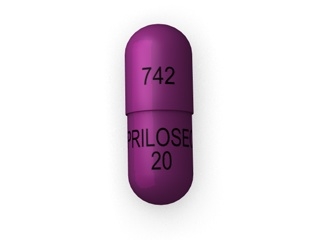
Prilosec® (Omeprazole) – Patient Guide (Australia)
Prilosec is a well-known medicine containing omeprazole, a proton pump inhibitor (PPI) used to reduce stomach acid. It is commonly used for conditions such as reflux (heartburn/GERD) and stomach or duodenal ulcers. This guide explains how Prilosec works, when and how to take it, what to expect, common safety information, and practical tips to get the best results.
Key product information
- Active ingredient: Omeprazole
- Medicine type: Proton pump inhibitor (PPI)
- How it works: Reduces acid production in the stomach
- Common uses: Heartburn/acid reflux, reflux esophagitis, ulcer prevention and treatment (as appropriate), and related acid-related conditions
- Availability (Australia): Often supplied through pharmacies; some strengths and packs may be available without a prescription depending on product type and local regulations
How Prilosec works (mechanism of action)
Omeprazole works by blocking the proton pumps in the stomach lining. These pumps are responsible for producing acid. When the pumps are inhibited, the amount of acid released into the stomach is reduced.
Because the medicine works on acid-producing machinery, Prilosec is most effective when taken as directed over a short course (for symptom relief) or over a longer course (for healing and prevention). It may take a few days for full benefit in some people.
Pharmacokinetics (how the body handles omeprazole)
Understanding pharmacokinetics can help explain dosing timing and why certain interactions matter.
Absorption
Omeprazole is absorbed from the gut after an oral dose. The medicine is designed to work best when taken before food, because meal-triggered acid production makes the proton pumps more active and available for inhibition.
Onset of action
Symptoms may improve within the first day, but maximum acid suppression and ulcer healing typically require several days of consistent dosing.
Distribution and metabolism
Omeprazole is metabolised primarily in the liver (by enzymes in the CYP system). Variations in liver metabolism and drug interactions can influence effects.
Elimination
The medicine is cleared from the body mainly through metabolism and excretion of breakdown products.
What Prilosec is used for (indications)
Prilosec is used for conditions where reducing stomach acid helps relieve symptoms and heal the lining of the digestive tract.
Common indications include:
- Gastro-oesophageal reflux disease (GORD): Heartburn, acid reflux, and reflux-related discomfort
- Reflux oesophagitis: Inflammation of the oesophagus due to acid exposure
- Stomach and duodenal ulcers: Treatment of ulcers and/or prevention in at-risk patients (exact regimen depends on clinical context)
- Zollinger–Ellison syndrome and other conditions with excessive acid production (specialist management)
- Prevention of ulcers in certain circumstances when risk is higher (for example, with ongoing factors affecting the stomach lining)
If your symptoms are new, severe, recurring, or accompanied by warning signs (see “When to seek medical help”), it’s important to get appropriate advice.
Typical dosing and how to take Prilosec
Dosing depends on the condition being treated, the formulation, and your individual situation (including age, liver function, and other medicines). Always follow the instructions on your specific product label.
General timing instructions (very important)
- Take once daily before food, ideally 30–60 minutes before a meal (most commonly before breakfast).
- Swallow the capsule/tablet whole as directed. If you have difficulty swallowing, ask a pharmacist about the best approach for your specific product.
- Try to take your dose at the same time each day for the best effect.
Example dosing patterns (general guidance)
Many commonly available regimens for reflux start with once-daily dosing. Some conditions may require different schedules. Your product packaging will specify the dose and duration.
| Condition | Typical starting approach | Notes |
|---|---|---|
| Heartburn/acid reflux (GORD symptoms) | Once daily before breakfast | Symptom relief may occur quickly; if symptoms persist, discuss further advice. |
| Short course for recurrent symptoms | Once daily for a set number of days as labelled | Do not exceed recommended duration without advice. |
| Ongoing reflux management | Often once daily; sometimes tailored | Longer-term use should be regularly reviewed. |
| Ulcer-related conditions | Dose and duration vary | Some ulcer regimens require combination therapy depending on cause. |
If you miss a dose
- Take it as soon as you remember if it is the same day and your next dose is not due soon.
- If it’s close to your next scheduled dose, skip the missed dose and return to your usual routine.
- Do not take a double dose to make up for a missed one.
Timing: why taking it before food matters
Omeprazole is most effective when stomach acid production is actively “switched on,” which happens after meals. Taking it before food helps the medication reach the acid-producing cells and inhibit the proton pumps at the right time.
Taking Prilosec at bedtime without eating for a period can also work for some people in certain schedules, but for most reflux uses, the simplest approach is before breakfast as directed on the product.
Food interactions and what to avoid
Food does not usually “cancel” omeprazole, but timing with meals can reduce effectiveness. For best results, take Prilosec at least 30 minutes before food (or as specified on your label).
Practical tips
- If you eat late, take your dose before your first meal of the day.
- A glass of water is usually sufficient—avoid taking it with large amounts of fluid right away if your product instructions recommend a specific method.
- Do not take it with antacids at the same time; if you need quick relief, antacids may be used separately as advised by your pharmacist.
Alcohol and medicine interactions
Moderate alcohol is not automatically contraindicated for everyone taking omeprazole, but alcohol can worsen reflux and irritate the stomach lining. If you notice that alcohol triggers heartburn, limiting or avoiding it may improve symptoms.
Alcohol-related considerations
- Reflux symptoms: Alcohol may increase the likelihood of heartburn, regurgitation, and throat irritation.
- Stomach irritation: Alcohol can irritate the stomach and oesophagus in some people.
- Liver health: As omeprazole is metabolised in the liver, people with significant liver impairment should follow label guidance and seek advice.
Important medicine interactions
Omeprazole can change stomach acidity and may influence the absorption and effects of certain medicines. It is also metabolised by liver enzymes that can interact with other drugs. Always review your full medication list with a healthcare professional or pharmacist if you are unsure.
Common interaction themes
- Medicines that require an acidic environment for absorption may have reduced absorption.
- Certain drugs metabolised by the same liver pathways may have changed levels.
- Some medicines may increase or decrease acid-related symptoms depending on their effects on the stomach and oesophagus.
Examples of medicines to check with your pharmacist
The list below is not exhaustive, but it highlights medicines often discussed with PPIs:
- Clopidogrel (a medicine used to reduce clotting risk)
- Warfarin (blood thinner) – may require monitoring
- Antiretrovirals (some HIV medicines) where absorption depends on stomach pH
- Ketoconazole/itraconazole (some antifungals)
- Iron supplements and vitamin B12 (long-term PPI use may affect absorption in some people)
- Some antifungal/antibacterial medicines and other agents metabolised by liver enzymes
If you take multiple medicines, bring them (including OTC products) to a pharmacy for a quick compatibility check.
Safety profile: who should be cautious
Prilosec is generally well-tolerated for many adults when used as directed. However, like all medicines, it can cause side effects and may not be suitable for everyone.
Common side effects
- Headache
- Diarrhoea or constipation
- Nausea
- Abdominal pain, bloating, or gas
- Rash (less common)
Serious side effects (seek urgent medical help)
Contact a healthcare professional urgently if you experience symptoms suggestive of an allergic reaction or serious complications, such as:
- Swelling of the face, lips, tongue, or throat; difficulty breathing
- Severe or persistent diarrhoea, especially with fever or blood in stool
- Severe skin rash, blistering, or peeling skin
- Unexplained weakness or symptoms of electrolyte imbalance (particularly if used for long periods)
- Unusual bruising or bleeding if on blood-thinning medicines
Long-term use considerations
If you need omeprazole for an extended period, discuss ongoing need and dose review with a clinician. Long-term PPI use can be associated with:
- Lower magnesium levels in some cases
- Vitamin B12 absorption issues over time
- Increased risk of certain infections (because stomach acid is one barrier to pathogens)
- Changes in bone mineral density may occur in some long-term users, particularly with other risk factors
Not everyone experiences these issues. Regular assessment helps ensure the benefits still outweigh the risks for your situation.
Practical use tips (to improve results)
- Take it consistently: PPIs work best when taken daily at the right time.
- Keep the timing: 30–60 minutes before breakfast (or your first meal of the day).
- Give it time: If you have reflux symptoms, improvement can occur quickly, but healing may take longer.
- Use lifestyle supports: Avoid lying down after meals, consider smaller meals, and reduce trigger foods.
- Use “as-needed” relief appropriately: If you need quick relief between doses, discuss the safest option with a pharmacist (often an antacid or alginate product is used).
When to seek medical advice (important warning signs)
Please consider prompt medical review if you have any of the following:
- Difficulty swallowing or pain when swallowing
- Vomiting blood or passing black/tarry stools
- Unexplained weight loss
- Persistent vomiting
- Chest pain that could be heart-related
- Symptoms that start after age 55 (or a significant change in long-standing symptoms)
- Recurrent symptoms despite taking Prilosec as directed
- Severe or worsening symptoms
Alternative options for reflux and acid-related symptoms
Depending on your diagnosis, alternatives may include other medicines or different approaches. Some options people consider:
Other medication categories
- H2-receptor antagonists (e.g., famotidine): may reduce acid but generally have a different onset and duration compared with PPIs.
- Antacids (e.g., aluminium/magnesium hydroxide, calcium carbonate): provide faster, short-lasting symptom relief.
- Alginate-based products: form a “raft” to reduce reflux for some people.
- Sucralfate (where appropriate): helps protect the mucosa in certain ulcer-related situations.
Non-medicine strategies
- Diet adjustments to reduce triggers (common triggers include spicy foods, fatty foods, chocolate, caffeine, and carbonated drinks)
- Avoiding late meals and staying upright after eating
- Weight management if relevant
- Elevating the head of the bed for night-time symptoms
Your pharmacist can help you compare options based on your symptoms, medical history, and other medicines.
Market and legal context in Australia (overview)
In Australia, medicine availability and labeling are governed by the Therapeutic Goods Administration (TGA) and the Poisons Standard (scheduling), along with state/territory pharmacy regulations. Omeprazole products may be available in different pack sizes and strengths, including “pharmacy-only” or other classifications depending on the exact product and indication.
Over-the-counter access may vary by formulation and whether it is intended for short-term relief of reflux symptoms. Always check the specific product label and the instructions provided by your pharmacy.
For persistent symptoms, a clinician may recommend assessment to confirm the cause and determine the most suitable duration and dose.
Recent guidance and best-practice considerations
Modern practice focuses on using PPIs at the lowest effective dose for the shortest time necessary, with periodic review for ongoing therapy. Many guidelines encourage:
- Proper timing before meals for maximum benefit
- Assessment if symptoms do not respond as expected
- Reviewing long-term use and considering step-down therapy when appropriate
- Checking interactions with medicines that can be affected by reduced stomach acidity or liver metabolism
If you have been using omeprazole for months, it can be helpful to discuss whether continuing is still necessary and whether your dose can be adjusted.
Delivery and availability
Prilosec (omeprazole) is commonly available through Australian pharmacies and online pharmacy services, subject to local stock availability and product scheduling. Delivery times vary by provider and location within Australia.
- Availability: Check product page for current stock status and pack sizes
- Delivery: Standard and express options may be available depending on your suburb/postcode
- Packaging: Medicines are typically dispatched in secure, temperature-appropriate packaging
- Delivery conditions: If the product requires any special storage (e.g., below a certain temperature), follow the label instructions
Keep medicines in the original packaging until use, and store them away from moisture and direct sunlight.
FAQ – Prilosec (Omeprazole)
1. How long does it take to work?
Many people notice improvement within the first day, but for full symptom control and healing, it can take several days of consistent daily dosing.
2. Should I take Prilosec before breakfast or at night?
Most reflux regimens work best when taken before breakfast (or before your first meal of the day), typically 30–60 minutes prior. If you have a specific schedule, ask a pharmacist for timing advice based on your routine and product label.
3. Can I take antacids with Prilosec?
Antacids may be used for quicker, short-term relief if needed. To maximise benefit from the PPI, avoid taking antacids at the exact same time—use separate timing as directed on product labels or advised by your pharmacist.
4. What if my symptoms come back after I stop Prilosec?
Reflux may return if the underlying cause persists. If symptoms repeatedly return, it’s important to review your diagnosis and consider longer-term management strategies with appropriate advice.
5. Is Prilosec safe to take long term?
Many people use PPIs for longer periods when needed, but it should be regularly reviewed. Discuss the lowest effective dose and ongoing need—particularly if you’ve used it for months or more.
6. Can I drink alcohol while taking omeprazole?
Alcohol isn’t universally prohibited, but it can worsen reflux and irritate the stomach/oesophagus. If you notice triggers, reducing or avoiding alcohol may help symptoms.
7. Will Prilosec interact with my other medicines?
Omeprazole can interact with some medicines. It’s especially important to check with a pharmacist if you take blood thinners (e.g., warfarin), clopidogrel, antifungals, or certain HIV medicines. Always provide a complete list of your medicines and supplements.
8. What should I do if I accidentally take too much?
If you take more than directed, contact a healthcare professional or the Poisons Information Centre (Australia) for advice. Keep the medicine packaging available.
9. Are there symptoms that mean I should stop and seek help?
Seek urgent help for possible allergic reactions, severe diarrhoea, black/tarry stools, vomiting blood, or severe chest pain. For persistent or worsening symptoms, get medical advice promptly.
10. What alternatives exist if I can’t tolerate omeprazole?
Alternatives may include other acid-reducing medicines such as H2-receptor antagonists, antacids, or alginate products, depending on your condition and symptom pattern. A pharmacist can help select the most suitable option for your needs.
Summary
Prilosec (omeprazole) reduces stomach acid by blocking proton pumps. It is commonly used for reflux and other acid-related conditions. For best results, take it before food (typically 30–60 minutes before breakfast), consistently for the recommended duration, and review your therapy if you are using it beyond a short course. If you have warning signs or persistent symptoms, seek appropriate medical advice.