
Protonix (Pantoprazole) – Patient Guide (Australia)
Protonix is a medicine containing pantoprazole, a proton pump inhibitor (PPI) used to reduce stomach acid. This guide explains what Protonix does, how it works in the body, when to take it, common uses, safety information, and practical tips. It’s written for patient understanding and is suitable for general information.
Always follow the directions given by your healthcare professional or the medicine label. If you are unsure about your dose or timing, speak with a pharmacist.
Basic product information
- Active ingredient: Pantoprazole
- Medicine class: Proton pump inhibitor (PPI)
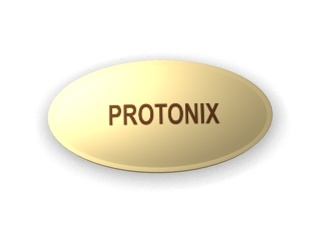
- Common forms: Oral tablets (strengths vary by product)
- How it helps: Lowers acid production in the stomach
- Where it’s used: Australia-wide pharmacy supply
How Protonix works (mechanism of action)
Protonix works by blocking the final step of acid production in the stomach. It targets the proton pumps (H+/K+-ATPase) located in acid-producing cells (parietal cells). When the pumps are blocked, the stomach produces less acid.
Unlike some acid reducers that neutralise acid already present in the stomach, PPIs reduce acid secretion over time. For this reason, they often work best when taken consistently, typically before meals.
Pharmacokinetics: what happens in the body
Pharmacokinetics describes how the body absorbs, distributes, metabolises, and eliminates a medicine. For pantoprazole, key points include:
- Absorption: Pantoprazole is absorbed from the gut and reaches peak blood levels typically within a few hours. Swallowing before a meal helps because acid-producing activity is highest when food stimulates the stomach.
- Onset of effect: Acid reduction starts after dosing, but symptom relief can take several days for the stomach lining to settle, especially in conditions with ongoing irritation.
- Metabolism: The medicine is broken down in the liver. The process involves enzyme systems that can be affected by other medicines.
- Elimination: Pantoprazole and its metabolites are removed primarily via the kidneys and bile.
- Duration: Although the medicine’s blood levels may fall, its acid-suppressing effect can persist because it binds to the proton pumps and reduces their activity.
Typical uses (indications)
Protonix is used to treat conditions where stomach acid plays a role. Your exact use depends on your diagnosis and medical history. Common indications include:
- Gastro-oesophageal reflux disease (GORD/GERD): For symptoms such as heartburn and acid regurgitation.
- Erosive oesophagitis: Healing of inflamed or damaged oesophageal lining caused by acid reflux.
- Maintenance therapy in some patients to help prevent relapse of reflux-related inflammation.
- Zollinger–Ellison syndrome (rare): A condition causing excessive acid production.
- Prevention or treatment of acid-related problems in specific clinical situations, as determined by a healthcare professional.
When and how to take Protonix (timing guidance)
Correct timing is important for best effectiveness. As a general rule:
- Take Protonix once daily before food, ideally in the morning.
- Swallow tablets whole with water. Do not crush or chew unless your product instructions say otherwise.
- Take on an empty stomach: Many patients take it about 30–60 minutes before breakfast. Follow your label or pharmacist’s instructions if they differ.
- If prescribed twice daily, the second dose is typically taken before the evening meal (timing should match your dosing instructions).
Why timing matters: Proton pumps are most active after food stimulates the stomach. Taking a PPI before meals allows it to reach and inhibit pumps as they are activated.
Food interactions
Food generally does not “cancel” Protonix, but it can reduce how well a dose works if you take it with or immediately after a meal. To improve effectiveness:
- Avoid taking Protonix with food. Take it before meals.
- If you miss a dose, do not double up. Take the next dose at the usual time unless your pharmacist advises otherwise.
Alcohol interactions
There is no specific alcohol–pantoprazole interaction that applies to all patients in the same way as with some antibiotics. However, alcohol can worsen reflux symptoms and irritate the stomach and oesophagus.
- Best approach: Limit alcohol if you have GORD symptoms.
- Watch for symptoms: If you notice increased heartburn, regurgitation, or stomach pain after alcohol, reducing or avoiding alcohol may help.
Medicine interactions (important)
Protonix can affect the stomach acidity, and this may change how some medicines are absorbed or processed. Also, pantoprazole is metabolised in the liver, so some medicines can alter its levels.
Medicines that may be affected
Tell your pharmacist if you use any of the following (this is not a complete list):
- Clopidogrel: Some PPIs can reduce clopidogrel effectiveness. Panthoprazole is often preferred compared with some other PPIs, but you should still discuss your medicines with a healthcare professional.
- Antifungal medicines (e.g., ketoconazole, itraconazole) and HIV medicines (certain products) where absorption depends on stomach acid.
- Warfarin and other anticoagulants: Monitoring may be needed if you start or stop a PPI.
- Methotrexate (particularly high-dose therapy): Your clinician may need to adjust timing or monitor for toxicity.
- Iron supplements and vitamin B12: Long-term PPI use can reduce absorption in some people.
- Magnesium-containing products: In rare cases, PPIs can be associated with low magnesium, especially with prolonged use.
Practical interaction tips
- Keep a list of all medicines and supplements you take, including over-the-counter products.
- If you start Protonix, ask whether you need monitoring for conditions such as clotting risk or blood tests (e.g., INR if on warfarin).
- Do not stop any long-term medicines without medical advice.
Dosing: common regimens (general information)
Dosing depends on your diagnosis, severity, and other medical factors. The information below is general and may differ from your specific label. Always use the prescribed instructions on your product packaging.
| Condition (examples) | Typical dosing approach | Notes |
|---|---|---|
| GORD / reflux symptoms | Often once daily | Taken before breakfast; symptom improvement may take several days. |
| Erosive oesophagitis | Often once daily; may vary | Duration depends on healing and clinician assessment. |
| Maintenance therapy | Lower dose strategy in some patients | Discuss long-term needs with your clinician. |
| Zollinger–Ellison syndrome | Higher or multiple daily doses may be required | Care is usually specialist-led with monitoring. |
If you have kidney or liver problems, dosing may need adjustment. Your pharmacist can guide you on the product you have and the appropriate use for your situation.
Safety profile: what to know
Protonix is generally well tolerated when used at recommended doses. As with all medicines, side effects can occur. Many side effects are mild and improve as your body adjusts.
Common side effects
- Headache
- Nausea
- Diarrhoea or constipation
- Abdominal discomfort (stomach pain)
- Gas or bloating
Less common but important risks (discuss with a healthcare professional)
- Infections: Lower stomach acidity can increase risk of certain gut infections in some people.
- Low magnesium: Rare, usually with long-term use. Symptoms can include muscle cramps, weakness, dizziness, or abnormal heart rhythms.
- Vitamin and mineral effects: With long-term use, absorption of vitamin B12 and minerals such as iron and magnesium may be reduced.
- Bone fracture risk: Some studies suggest a slightly increased risk of fractures with prolonged high-dose PPI use, especially in older adults or those with other risk factors.
Seek urgent medical advice if
- Severe or persistent vomiting
- Vomiting blood or material that looks like “coffee grounds”
- Black/tarry stools
- Unintentional weight loss
- Difficulty swallowing or painful swallowing
- New or worsening symptoms, particularly in older adults
- Chest pain that could indicate a heart problem (do not assume it is only reflux)
Practical use tips (to get the best results)
- Be consistent: Take Protonix at the same time each day.
- Use the right timing: 30–60 minutes before breakfast is a common approach for once-daily dosing.
- Manage reflux triggers: If symptoms continue, consider lifestyle changes such as avoiding late meals, reducing fatty/spicy foods, and elevating the head of the bed.
- Don’t switch abruptly: If you’ve been taking Protonix long-term, ask a clinician/pharmacist about the safest way to reduce.
- Keep track of response: Note when symptoms improve and report any lack of response after the agreed trial period.
- Know your plan: If you have been using a PPI for a set time, confirm whether you should stop, step down, or continue.
What to expect: onset of symptom relief
Many people feel partial relief within a few days, but full healing and best symptom control can take longer—particularly for erosive oesophagitis. If you do not experience improvement after the time frame advised by your healthcare professional or label instructions, seek medical advice rather than increasing the dose on your own.
Alternative options to consider
Depending on your symptoms and diagnosis, alternatives may include:
- Other PPIs: Different PPIs have similar overall mechanisms. Switching may be considered if one is not effective or not suitable.
- H2-receptor antagonists: Medicines such as famotidine reduce acid secretion and may be used for certain situations.
- Antacids: Provide fast, short-term relief by neutralising acid (useful for breakthrough symptoms).
- Alginate-based antacids: Form a “raft” barrier to reduce reflux reaching the oesophagus.
- Lifestyle measures: Weight management, avoiding trigger foods, smoking cessation, and reducing late-night eating.
Choice of alternative depends on how frequent symptoms are, the severity of damage (if any), and your overall medication profile. A pharmacist can help you compare options and typical timing.
Market and legal context in Australia (overview)
In Australia, access to proton pump inhibitors and similar medicines is guided by the Australian Therapeutic Goods Administration (TGA) and state/territory regulations. Some PPIs may be available via pharmacy supply under specific conditions, while others may require assessment. Availability can vary by brand, strength, and pack size.
For safe use, healthcare professionals may recommend evaluation of symptoms—particularly if symptoms are persistent, severe, or associated with alarm features such as weight loss, difficulty swallowing, or bleeding.
Recent guidance and best-practice considerations
Clinical guidance in many healthcare systems, including Australia, emphasises:
- Using the lowest effective dose for the shortest necessary duration.
- Reviewing ongoing need for long-term therapy and stepping down where appropriate.
- Checking for underlying causes if symptoms persist despite therapy.
- Monitoring risk factors for long-term PPI users (e.g., low magnesium risk, vitamin B12, bone health, infection risks).
If you’ve been using Protonix for weeks or months, it’s a good idea to ask your pharmacist or doctor whether a periodic review is needed.
Delivery and availability (online pharmacy)
Protonix is commonly stocked in Australia, and availability may depend on the product strength and formulation you select. When ordered online, delivery timeframes can vary by location and courier service.
- Availability: Subject to stock levels of the selected strength and pack size.
- Dispatch: Orders are typically dispatched after processing and payment confirmation.
- Delivery: Delivered to your nominated address in Australia using standard courier services.
- Tracking: Many orders include tracking once dispatched.
If you require Protonix at a specific strength, or need assistance selecting the correct product, you can contact our pharmacy team before completing your order.
FAQ – Protonix (pantoprazole)
1) How long does Protonix take to work?
Many people notice improvement within a few days, but healing and full symptom control can take longer. If symptoms do not improve within the time frame given on your product instructions or by your healthcare professional, seek advice.
2) What time of day should I take Protonix?
For once-daily dosing, take it in the morning before breakfast, usually 30–60 minutes before eating. If you are prescribed twice daily, take the second dose before your evening meal.
3) Can I take Protonix with food?
It’s generally less effective when taken with or after food. Take it before meals to achieve the best acid suppression.
4) What if I miss a dose?
If you miss a dose, take it when you remember unless it is close to the time of your next dose. Do not take a double dose to make up for the missed one. Ask a pharmacist if you’re unsure.
5) Can I drink alcohol while taking Protonix?
There is no single universal prohibition, but alcohol may worsen reflux symptoms and irritation. If you notice symptom flare-ups, limiting or avoiding alcohol may help.
6) Are there medicines that should not be taken with Protonix?
Some medicines may interact through absorption or metabolism. Examples can include clopidogrel, warfarin, certain antifungals, and medicines where stomach acid strongly affects absorption. Tell your pharmacist about all medicines and supplements you use.
7) Is Protonix safe for long-term use?
Many people use PPIs for extended periods when medically appropriate. Safety depends on your dose, duration, and risk factors. Current best practice encourages regular review and using the lowest effective dose. Discuss long-term plans with your healthcare professional.
8) What side effects should I watch for?
Common effects include headache, nausea, diarrhoea, constipation, and abdominal discomfort. Seek urgent medical care if you experience bleeding, black stools, vomiting blood, or severe symptoms such as persistent vomiting, unexplained weight loss, or trouble swallowing.
9) Can Protonix be used during pregnancy or breastfeeding?
Use in pregnancy or breastfeeding should be considered case-by-case. Discuss with your doctor or pharmacist, who can advise based on your health situation and the benefits versus risks.
10) What are alternatives if Protonix doesn’t help?
Options may include another PPI, an H2-receptor antagonist, antacids or alginate products for breakthrough symptoms, or lifestyle modifications. If symptoms persist, your clinician may investigate other causes or adjust treatment.
11) Does Protonix cure reflux?
Protonix controls symptoms and helps heal inflammation, but reflux can return if underlying factors persist. Many patients require a treatment plan that includes lifestyle measures and periodic reassessment.
Summary
Protonix (pantoprazole) reduces stomach acid by blocking the proton pumps that produce acid. It is commonly used for reflux-related conditions such as GORD and erosive oesophagitis. For best results, take it before meals—often 30–60 minutes before breakfast. While generally well tolerated, it’s important to be aware of potential interactions and to seek advice if you have alarm symptoms or persistent issues.