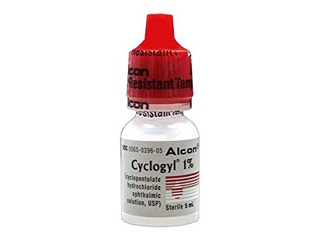

Cyclopentolate (Eye Drops) — Patient Information (Australia)
Cyclopentolate is an eye medicine used to dilate the pupil and relax focusing muscles. It is commonly used in eye examinations and for certain eye conditions where controlled dilation and cycloplegia (temporary paralysis of the focusing ability) are helpful.
This page explains how cyclopentolate works, how it is used, what to expect, and important safety information for people in Australia.
Basic product information
- Medicine name: Cyclopentolate
- Form: Eye drops (strength varies by product/brand)
- Also known as: Often referred to as “cycloplegic” drops
- Main actions: Pupil dilation and cycloplegia (reduced focusing)
- Common setting: Eye tests, ophthalmology/optometry clinics
Different brands may contain slightly different concentrations. Always check the exact product label and strength supplied by your pharmacy.
How cyclopentolate works (mechanism of action)
Cyclopentolate is an antimuscarinic agent. It blocks muscarinic receptors in the eye.
- Pupil dilation (mydriasis): Blocking muscarinic pathways allows the iris muscle that constricts the pupil to be inhibited, so the pupil enlarges.
- Cycloplegia: The focusing muscle (ciliary muscle) is relaxed, making it harder to focus on near objects.
The result is temporary blurred near vision and light sensitivity—useful for examinations, particularly when accurate measurement of refractive error is needed.
Pharmacokinetics (what happens in the body)
Cyclopentolate eye drops act locally in the eye, but some absorption can occur through the eye tissues and the nasal/respiratory pathways.
- Onset: Pupil dilation and cycloplegia typically begin within about 20–30 minutes after dosing.
- Peak effect: Often reached within 30–60 minutes (may vary by age and individual response).
- Duration: Effects commonly last several hours; in some people, particularly children, it can persist longer.
- Metabolism and clearance: Like many antimuscarinic medicines, absorption (if it occurs) is cleared by normal body elimination pathways. Small amounts may reach the bloodstream; this is one reason careful use is important, especially in children.
Because systemic absorption can occur, the following practical tips (especially nasolacrimal occlusion) can reduce unwanted effects.
What cyclopentolate is used for (typical uses)
Cyclopentolate is most often used to create a controlled dilated and cycloplegic state.
Common indications
- Eye examinations: Helps optometrists/ophthalmologists measure refractive error accurately.
- Conditions needing cycloplegia: Sometimes used where relaxation of focusing muscles aids assessment or management.
- Ocular inflammation/injury (as directed): In specific clinical situations, dilation/cycloplegia may reduce discomfort and help control symptoms.
Use should be based on an individual clinical assessment. If you are unsure why cyclopentolate is being used for you, check with the prescribing clinician or eye-care professional who arranged the treatment.
Timing and what to expect after use
Cyclopentolate usually causes noticeable changes in vision fairly quickly. Planning around the expected effects is important.
Typical timeline
- 0–30 minutes: Blurred vision begins; pupils enlarge; sensitivity to light may start.
- 30–60 minutes: Usually the effect is strongest.
- Several hours: Light sensitivity and difficulty focusing on near objects continue. For many people, normal near vision returns later that day.
- Next day (sometimes): In some cases—especially children or in those who are more sensitive—effects may take longer to fully wear off.
Practical advice after dosing
- Avoid driving until vision is clear and pupil response has returned to normal.
- Use sunglasses outdoors to reduce glare and light discomfort.
- Prepare for blurred near vision: Reading and screen use may be difficult during treatment.
- Be cautious with falls in bright or unfamiliar environments due to visual changes.
Food interactions
Because cyclopentolate is used as eye drops and acts largely locally, food interactions are unlikely.
- No specific dietary restrictions are typically required.
- However, if the medicine causes nausea or dizziness in sensitive individuals, consider taking it alongside normal meals where appropriate (as advised by your eye-care professional).
Always follow the instructions given with your product and seek advice if you have concerns.
Alcohol and medicine interactions
Cyclopentolate has the potential for systemic antimuscarinic effects if absorbed significantly (especially if too much is used, if dosing is frequent, or if nasolacrimal occlusion is not done). Systemic effects can include dry mouth, flushing, dizziness, or increased heart rate.
Alcohol
- Alcohol may increase dizziness or drowsiness in some people, especially if systemic absorption occurs.
- To reduce risk, it’s generally wise to avoid alcohol until you know how cyclopentolate affects you.
Other medicines
Potential interactions are mainly theoretical and relate to additive antimuscarinic effects. Discuss your medicines with a pharmacist if you are taking:
- Other anticholinergic/antimuscarinic medicines (for example, some medicines for bladder overactivity)
- Medicines that can affect heart rate
- Medicines that may worsen narrow-angle glaucoma symptoms (see safety section below)
- Medicines used in the context of eye disease (for example, other eye drops), as dosing schedules may need to be separated.
If you’re unsure whether any medicines you take could interact, a pharmacist can help check for compatibility with your specific product.
Dosing (how much and how often)
Dosing depends on the reason for use, the age of the patient, and the strength/concentration of the specific cyclopentolate product. Always use the exact dose and schedule given on the product label or by your eye-care professional.
General guidance for eye drop use
- Dose: Typically a small number of drops into the affected eye(s), as directed.
- Timing: Eye-care professionals may repeat dosing at specific intervals to achieve the desired level of dilation/cycloplegia.
- Do not exceed the recommended number of drops.
Common administration routine
- Wash your hands.
- Check the label. Confirm concentration and dosing instructions.
- Tilt your head back and look slightly upward.
- Gently pull down the lower eyelid to create a small pocket.
- Instil the prescribed number of drops into the eye pocket—avoid touching the dropper tip to the eye.
- After instilling: consider nasolacrimal occlusion (below).
- Wipe away excess. Use a clean tissue.
- Replace the cap and store properly.
Nasolacrimal occlusion (important for safety)
After using eye drops, you can reduce how much medicine drains into the nose (and potentially the bloodstream).
- Close the eye gently.
- Press lightly on the inner corner of the eye (near the nose) for about 1–2 minutes.
If using more than one eye medicine
- Wait at least 5–10 minutes between different eye drops unless your clinician advises otherwise.
- Use eye drops in the correct order as recommended.
Safety profile: who should be careful
Cyclopentolate can be very effective, but it may cause side effects due to its antimuscarinic actions. Most people tolerate it well, but it is important to recognise warning signs early—particularly in children.
Common side effects
- Blurred vision (especially near vision)
- Light sensitivity
- Redness or irritation of the eye
- Dry mouth or mild discomfort (more likely with higher absorption)
Less common but important effects
- Dizziness
- Headache
- Increased heart rate (palpitations)
- Fever or unusual overheating (rare, more likely in children)
Seek urgent medical help if
Get urgent advice (Australia: call 000 for emergency or Poison Information Centre if overdose is suspected) if you observe signs of a significant antimuscarinic reaction, such as:
- Severe confusion or extreme agitation
- Uncontrolled drowsiness
- High fever or inability to cool down
- Fainting, severe dizziness, or persistent vomiting
- Very fast heartbeat or severe palpitations
- Breathing difficulties
People with narrow-angle glaucoma risk
Antimuscarinic medicines can potentially precipitate problems in people with narrow-angle (closed-angle) glaucoma.
- If you have a history of glaucoma, are at risk of narrow angles, or have been told you have “narrow angles,” inform your eye clinician.
- After administration, severe eye pain, worsening headache, halos around lights, nausea, or marked redness may require urgent attention.
Children and sensitive individuals
- Children may be more susceptible to systemic effects.
- Use only the prescribed amount and consider nasolacrimal occlusion.
- Keep sunglasses/hat coverage ready, and supervise play/activities to reduce injury risk while vision is blurred.
Pregnancy and breastfeeding
Systemic exposure is typically low with eye drops, but cyclopentolate can be absorbed. If you are pregnant, trying to conceive, or breastfeeding, discuss risks and benefits with a health professional.
Practical use tips (to get the best results and reduce side effects)
- Remove contact lenses if the product instructions recommend doing so. Many exam-drops are intended for use without contacts.
- Use good technique: avoid touching the dropper tip to the eye to reduce contamination risk.
- Don’t rush: instil the drops calmly; blinking normally is fine.
- Use nasolacrimal occlusion for 1–2 minutes to reduce systemic absorption.
- Plan for light sensitivity: schedule the appointment/usage when you can stay indoors if needed.
- Record timing: note what time the drops were used so you can anticipate when vision will return.
- Avoid rubbing the eyes after dosing—this can increase irritation and may move the medicine around.
Alternative options
Depending on the reason for dilation and cycloplegia, your eye clinician may consider other cycloplegic or mydriatic agents. Availability and suitability vary.
Possible alternatives (examples)
- Atropine eye drops (longer acting; used in some conditions)
- Homatropine (cycloplegic/midriatic)
- Tropicamide (often used for pupil dilation, usually shorter acting than cyclopentolate)
- Other clinic-specific regimens tailored to age and assessment needs
Your eye-care professional will select the agent based on examination requirements, age, medical history, and expected duration of effect.
Market and legal context for Australia
In Australia, eye drops containing cyclopentolate are supplied under established pharmacy and medicines regulations. Your ability to obtain cyclopentolate may depend on:
- The strength and brand you are requesting
- Local supply rules and classification
- The intended use (for example, clinic-led eye examinations)
Online pharmacy listings may include product-specific supply conditions. If you are unsure about eligibility or availability, contact the pharmacy team.
Recent guidance and clinical considerations
Eye-care practices can evolve, particularly around safer administration, paediatric dosing, and minimising systemic absorption. Common contemporary recommendations include:
- Careful dosing based on age and concentration
- Nasolacrimal occlusion to reduce systemic exposure
- Safety screening for glaucoma risk
- Appropriate follow-up advice for blurred vision and light sensitivity
Your local clinic may also provide specific instructions tailored to your appointment time and measurement goals.
Delivery and availability (online pharmacy)
Availability can vary by stock levels and product concentration. When cyclopentolate is listed, online pharmacies in Australia typically offer delivery options such as standard or express shipping depending on your location.
What to expect
- Dispatch time: depends on local warehouse stock.
- Delivery timeframe: varies with service level and postcode.
- Packaging: eye drops are usually packed to protect the container and prevent leakage.
Storage instructions
- Store according to the label (commonly at room temperature unless otherwise stated).
- Keep out of reach of children.
- Check expiry date before use.
FAQ — Frequently asked questions
How long will my vision stay blurred?
It varies, but cyclopentolate commonly affects near vision and causes light sensitivity for several hours. Some people (especially children) may notice effects lingering into the next day. If you need to drive or make decisions requiring clear vision, wait until your vision has fully returned.
Can I drive after using cyclopentolate?
Usually no. Vision changes and light sensitivity can impair driving safety. Wait until your pupils and focusing ability have recovered sufficiently. When in doubt, arrange alternative transport.
What if I accidentally used too many drops?
Contact a pharmacist or seek medical advice, especially for children. If overdose is suspected and your child shows unusual symptoms (agitation, high fever, confusion, fast heartbeat), seek urgent help. You can also contact Australia’s Poison Information Centre for guidance.
Why do clinics use cyclopentolate for eye tests?
Cyclopentolate dilates the pupil and relaxes the focusing system. This makes it easier to measure refractive error accurately and improves the quality of certain examinations.
Is cyclopentolate safe for children?
It can be used in children as directed by eye-care professionals. Children are more susceptible to systemic side effects, so correct dose, careful technique, and nasolacrimal occlusion are important. Supervision is recommended until vision is clear.
Should I remove contact lenses before using the drops?
Many eye drops advise removing contact lenses prior to use. Follow the instructions on the product label. After instilling, wait the recommended period before reinserting lenses.
What should I do if the eye becomes very painful or red?
Mild irritation can occur, but severe pain, marked redness, halos around lights, nausea, or a sudden worsening after dilation may signal a serious reaction (for example, glaucoma-related complications). Seek urgent medical advice.
Can I use cyclopentolate with other eye drops?
Often yes, but timing matters. Wait 5–10 minutes between different eye drops unless your clinician gives different instructions. Use the order recommended by your eye-care team.
Will cyclopentolate affect other medicines I take?
Most interactions are related to other medicines with anticholinergic effects. Tell your pharmacist or clinician about all medicines you use, including tablets, patches, and other eye drops.
Summary
Cyclopentolate eye drops temporarily dilate the pupils and relax focusing. This makes it valuable for eye examinations and certain clinical situations. Effects usually begin within 20–30 minutes and can last for several hours, with light sensitivity and blurred near vision being common. Use correct dosing technique, consider nasolacrimal occlusion to reduce systemic absorption, and be cautious with driving and alcohol. If you have glaucoma risk or experience severe pain or worsening symptoms, seek urgent medical advice.
For the safest outcome, follow the instructions on your product label and the advice provided by your eye-care professional.