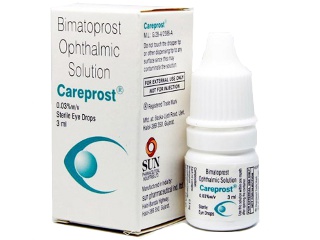
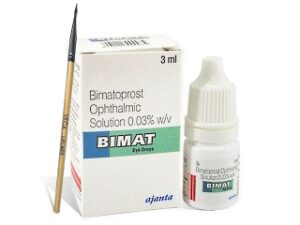
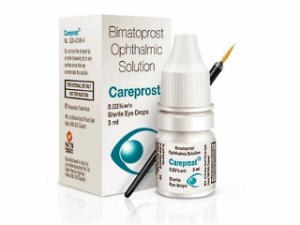
Careprost (Bimatoprost) — Patient Guide (Australia)
Careprost is a prescription-strength eye medicine containing bimatoprost. It is used to help reduce eye pressure in certain glaucoma conditions and to enhance the appearance of eyelashes in specific approved uses. This page explains how Careprost works, how it’s typically used, what to expect, and important safety information for people in Australia.
Important: Follow the instructions provided by your eye doctor. This information is designed to be patient-friendly and does not replace medical advice.
Key Product Information
| Feature | Details |
|---|---|
| Medicine name | Careprost |
| Active ingredient | Bimatoprost |
| Medicine type | Ophthalmic (eye) solution |
| Common strength | Usually supplied as a low-concentration bimatoprost eye drop solution (varies by brand/product pack) |
| How it’s used | Usually once daily in the evening (commonly for eyelash or some eye pressure indications—follow your prescriber’s directions) |
| Typical effects | Improves fluid drainage (reduces pressure) and/or increases lash length, thickness, and darkness over time |
How Careprost Works (Mechanism of Action)
Bimatoprost belongs to the prostaglandin analogue class (often described as a prostamide-like agent). It helps your eye by increasing the outflow of fluid from inside the eye, which can lower intraocular pressure (IOP).
In simplified terms, it:
- Improves aqueous humour drainage (the fluid inside the eye) mainly through pathways that move fluid out of the eye.
- Supports normal pressure control, which can help slow progression of conditions related to raised eye pressure.
- May also affect hair growth cycles in the eyelid area, contributing to cosmetic improvements in eyelashes when used for approved eyelash indications.
For pressure-related conditions, lowering IOP is one of the key measures used to reduce the risk of optic nerve damage. For eyelash enhancement, results reflect changes to eyelash growth characteristics.
Pharmacokinetics (What the Body Does to the Medicine)
After using Careprost eye drops, bimatoprost can be absorbed through the eye tissues. Once absorbed, it undergoes metabolism and is cleared from the body.
While exact measurements vary between individuals and studies, general pharmacokinetic points include:
- Local absorption: Bimatoprost penetrates ocular tissues after topical eye administration.
- Metabolism: The medicine is metabolised in the body to less active metabolites.
- Excretion: Metabolites are eliminated primarily via renal (urine) and biliary routes.
- Systemic exposure: Systemic levels are generally low when used as directed; however, side effects can still occur.
If you have kidney or liver conditions, discuss this with your clinician; they may monitor you more closely or adjust your plan.
Typical Use in Australia
Careprost is used for:
- Glaucoma or ocular hypertension: to lower intraocular pressure when indicated by your eye doctor.
- Eyelash enhancement (where applicable): for people using an approved eyelash-growing indication.
Note: The exact approved indication and product instructions depend on the specific formulation and local regulatory approvals. Always use Careprost exactly as directed for your situation.
Indications (When Careprost Is Used)
Depending on your diagnosis and the product you were given, Careprost may be indicated for:
- Ocular hypertension (raised eye pressure).
- Open-angle glaucoma (a condition where eye pressure can damage the optic nerve).
- Other specific glaucoma/IOP situations as assessed by your eye specialist.
- Eyelash hypotrichosis (in jurisdictions/products where approved), to improve lash appearance.
Your doctor will decide whether Careprost is the right option based on your eye pressure, optic nerve status, visual fields, and your medical history.
Dosing & Timing: How to Use It Safely
Most regimens for ophthalmic bimatoprost are once daily in the evening, because this is when maximum effects can be observed for IOP lowering in many patients. However, always follow your specific instructions.
Typical dosing pattern
- Once daily in the evening (commonly).
- One drop to the affected eye(s) as instructed.
- Use consistently at the same time each day when possible.
If you miss a dose
- Use the missed dose as soon as you remember if it is still close to your usual evening time.
- If it is near the time of the next dose, skip the missed dose.
- Do not use extra drops to make up for a missed dose.
If you use multiple eye medicines
Spacing between eye drops matters. A common approach is to wait at least 5–10 minutes between different eye drops (or as your clinician advises). Use Careprost last if that’s what your plan states, or follow the order provided by your eye care team.
How Long Until It Works?
Response can differ depending on whether you’re using Careprost for eye pressure or eyelash appearance.
- For eye pressure: IOP reduction may start within days, with full effects often assessed after several weeks by your eye doctor.
- For eyelashes: visible changes typically take several weeks, with maximum cosmetic results often occurring over 2–4 months (individual results vary).
Do not stop early if you don’t see results immediately—continue until your clinician advises otherwise. For glaucoma, ongoing treatment is important even when symptoms are absent.
Food Interactions
Food interactions are not typically expected with bimatoprost eye drops because the medicine is applied topically to the eye and systemic absorption is generally low. You can usually take your meals normally.
If you have concerns about your overall medication schedule (for example, multiple medicines requiring timing), discuss it with your pharmacist or clinician.
Alcohol & Medicine Interactions
Alcohol
There is no well-established direct interaction between alcohol and bimatoprost eye drops. However, alcohol may worsen side effects such as dizziness or dryness in some people and can indirectly affect adherence to your medication schedule.
If you drink alcohol, consider:
- Using your drops at your usual evening time to maintain routine.
- Avoiding activities that require sharp vision immediately after drops if your eyes feel irritated.
Other medicines
Eye drop regimens can interact indirectly by affecting the eye surface, irritation level, or scheduling. Key practical interaction points include:
- Other glaucoma drops: Do not add or stop glaucoma medicines without medical advice.
- Contact lenses: Some preservatives may irritate lenses. Typically, remove lenses before instilling and wait before reinserting—follow your specific product instructions.
- Ocular irritation medicines: If you use lubricating drops, separate them from Careprost by the recommended interval.
- Eye infection treatments: If you develop infection or inflammation, get advice before continuing or while treating.
Tell your pharmacist or clinician about all medicines you take, including eye drops, gels, ointments, and any herbal products.
Safety Profile: Common and Serious Side Effects
Like all medicines, Careprost can cause side effects. Many are mild and tend to improve as your eyes adapt, but some require medical attention.
Common side effects
- Eye redness or irritation
- Burning/stinging sensation after instillation
- Itching or discomfort
- Dry eyes or watery eyes
- Conjunctival injection (redness of the white part of the eye)
- Changes around the eyelids (especially in eyelash-use): eyelid pigmentation changes may occur
Eyelash-related changes (if used for lashes)
- Increased lash length, thickness, and/or darkness
- Possible abnormal lash growth (e.g., lashes growing in unwanted directions)
- Skin or eyelid pigmentation changes (can be permanent in some cases)
Less common but important side effects
- Swelling of the eyelids
- Eye pain or worsening irritation
- Blurred vision that persists
- Sensitivity to light
- Changes in the iris colour (reported in some patients; may be long-lasting)
When to seek urgent medical help
Seek prompt medical care or contact your eye doctor urgently if you experience:
- Severe eye pain
- Significant or worsening redness
- Marked light sensitivity
- Vision changes (especially sudden or persistent)
- Signs of eye infection (e.g., significant discharge, crusting, worsening irritation)
Practical Use Tips (How to Get the Best Results)
Step-by-step technique
- Wash your hands before using the drops.
- Check the drop bottle for cleanliness and expiry date.
- Tilt your head back and gently pull down the lower eyelid to form a small pocket.
- Instill one drop into the eye pocket—avoid touching the tip to the eye or eyelids.
- Close your eyes gently for 1–2 minutes.
- Press lightly on the inner corner of your eye (near the nose) for about 1 minute (if you were taught to do so). This “nasolacrimal occlusion” can reduce drainage into the nose and may improve local effect.
- Do not rub your eye after applying.
Contact lenses
If you wear contact lenses:
- Remove lenses before instilling Careprost, if your product guidance states so.
- Wait the recommended time (commonly at least 15 minutes, but follow your pharmacist’s or product instructions) before reinserting.
Cosmetic and colour changes
If you use Careprost for eyelash enhancement, be aware that eyelid and lash changes are part of the intended effect for many people—but some pigment changes may persist. Discuss expectations with your clinician.
Keep to schedule
Because glaucoma can progress without symptoms, consistent daily dosing is crucial. If you frequently forget doses, consider setting a phone reminder.
Alternative Options
Depending on your diagnosis (IOP/glaucoma vs eyelash appearance) and your eye health, alternatives may include other prostaglandin analogues or different drug classes.
For eye pressure (examples of alternative classes)
- Prostaglandin analogues (different active ingredients in the same class)
- Beta-blockers
- Alpha-adrenergic agonists
- Carbonic anhydrase inhibitors
- Miotic agents
For eyelash enhancement
- Other approved lash-growth options where available
- Non-medicine approaches (cosmetic lash products) for those who cannot use prescription-type treatments
Your eye doctor can explain which alternative is suitable based on your eye pressure level, side effect tolerance, and current eye conditions.
Market & Legal Context in Australia
In Australia, medicines are regulated by the Therapeutic Goods Administration (TGA). Eye drops containing bimatoprost are subject to approval and scheduling requirements, including rules about supply through authorised channels.
For online purchasing, reputable suppliers should provide product details, clear labelling, and appropriate shipping to Australian customers. Always check:
- That the product is supplied legally and with suitable packaging and identification
- That the correct strength and formulation are provided
- That the expiry date is valid and visible
- That you receive patient information consistent with local requirements
Recent guidance: Over time, eye care guidance emphasises correct drop technique, adherence, and monitoring for side effects such as iris or eyelid pigmentation changes. Your prescribing clinician may also review your response by measuring intraocular pressure and assessing optic nerve health.
Delivery, Availability & How to Order (Online Pharmacy)
Availability can vary by supplier and product formulation. When ordering online in Australia, consider these practical points:
- Stock status: Some pack sizes may be limited—check “in stock” status.
- Shipping times: Delivery time depends on your location and courier services.
- Cold chain: Most ophthalmic solutions do not require refrigeration; store according to the label.
- Packaging: Ensure the outer carton is intact and the bottle label is clear.
After delivery, store Careprost according to the instructions on the pack and keep it out of reach of children.
Storage Instructions
- Store at the temperature indicated on the product label.
- Keep the bottle tightly closed when not in use.
- Avoid contamination—do not touch the drop tip to the eye or skin.
- Do not use beyond the expiry date.
FAQ: Careprost (Bimatoprost) — Common Questions
1) Is Careprost safe to use long term?
Many people use bimatoprost long term for glaucoma management. Long-term use is often part of standard care, but regular eye check-ups are essential to monitor pressure control and side effects. If you notice new symptoms (pain, persistent redness, vision changes), contact your eye doctor promptly.
2) Will Careprost stop working if I miss a dose?
Missing one dose may temporarily reduce pressure control. However, it usually doesn’t “reset” treatment completely. Resume your usual schedule the next day—don’t double up unless your doctor instructs otherwise.
3) Can I wear makeup or use lash cosmetics?
You may be able to, but avoid applying products directly to the lash line immediately after using drops if it increases irritation. If you experience irritation or swelling, pause cosmetics and seek advice.
4) Why do my eyes look red after using the drops?
Redness is a commonly reported side effect. If redness is mild and improves, it may be expected. Persistent or severe redness, pain, or vision changes should be reviewed urgently.
5) Will my iris colour change?
Changes in iris pigmentation have been reported with bimatoprost in some people. This can be long-lasting. If you have concerns about colour change, discuss with your clinician before using.
6) Does Careprost interact with other eye drops?
It can interact mainly through how eye drops are scheduled and tolerated. Use spacing (often 5–10 minutes) between different drops unless told otherwise. Let your doctor know what other eye medicines you use.
7) Can I use Careprost if I have dry eye?
Some people with dry eyes may experience irritation or dryness. If you have significant dry eye, ask your eye doctor or pharmacist about lubricating drops and how to schedule them around Careprost.
8) What should I do if I accidentally get the drop in my nose?
This can happen because some drops drain through the tear duct. It usually isn’t harmful, but it may cause irritation. Gentle nasolacrimal occlusion (pressing the inner corner after applying) can reduce drainage. If you experience unusual symptoms, contact a healthcare professional.
9) How soon will I see results for eyelashes?
Improvements generally take several weeks, with maximum visible effects often around 2–4 months. Individual results vary.
10) Is Careprost suitable for children?
Suitability depends on the indication and the specific product’s approved use. A clinician should confirm suitability and dosing for children.
Disclaimer: This is general information for educational purposes. Your personal medical advice should come from a qualified healthcare professional familiar with your eye condition and history.