Lumigan (Bimatoprost) – Patient Information (Australia)
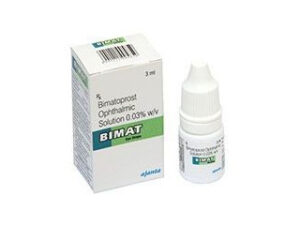
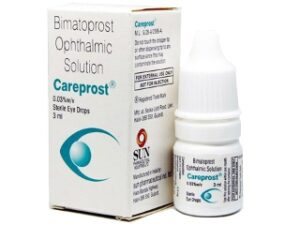
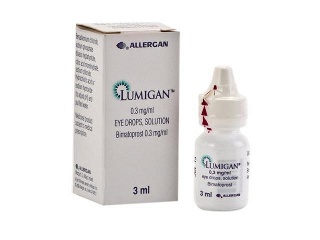
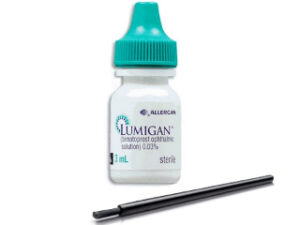
Lumigan is a brand of medicine containing bimatoprost, used to treat certain eye conditions. This page explains how Lumigan works, how it is typically used, what to expect, safety information, and practical tips for using eye drops.
Note: Product information can vary slightly depending on the strength and formulation available in Australia. Always check the label on your specific bottle and follow advice from your eye care professional.
Basic product information
| Item | Details |
|---|---|
| Medicine | Lumigan |
| Active ingredient | Bimatoprost |
| Type | Ophthalmic (eye) drops |
| How it is usually used | Once daily in the affected eye(s) (commonly at night) |
| Common strengths | Typically 0.03% (check your product pack) |
| Therapeutic area | Glaucoma and ocular hypertension (and, in some countries, eyelash cosmetic use under different approvals—verify your local product indication) |
What Lumigan is used for (indications)
In Australia, bimatoprost products are commonly used to help lower pressure in the eye. Elevated intraocular pressure is a major risk factor for glaucoma and can contribute to optic nerve damage over time.
Typical indications include:
- Open-angle glaucoma
- Ocular hypertension (raised eye pressure)
- Used when your eye doctor decides a prostaglandin-type medicine is appropriate, alone or as part of combination therapy
Only use Lumigan for the condition and age group described for the specific product you have, and as advised by your healthcare professional.
How Lumigan works (mechanism of action)
Bimatoprost belongs to the class of medicines often referred to as prostaglandin analogues (and related agents). It helps reduce intraocular pressure by increasing outflow of aqueous humour—the fluid inside the eye.
In simple terms:
- It promotes fluid drainage from the eye through pathways in and around the eye’s drainage system.
- This reduces pressure, helping to protect the optic nerve from damage caused by high eye pressure.
Pharmacokinetics (how the body handles bimatoprost)
Understanding pharmacokinetics can help explain why eye drops are dosed as they are.
- Absorption: After instillation, bimatoprost can be absorbed through the eye tissues and may enter the bloodstream in small amounts.
- Distribution: The drug’s systemic levels are generally low following eye-only administration.
- Metabolism: Bimatoprost is metabolised in the body, including by pathways involving enzymes and oxidation.
- Elimination: Metabolites are excreted mainly by the kidneys (urine) and to a smaller extent through other routes.
Clinical relevance: Because systemic exposure is typically low, most side effects are local to the eye (for example, redness) rather than widespread effects.
When and how to take Lumigan (typical timing)
Most patients use Lumigan once daily, usually in the evening or at bedtime. This timing can help align with the medicine’s effect on eye pressure across the day and night.
Typical schedule:
- Once daily (often at night)
- Use consistently at the same time each day when possible
Important: If you miss a dose, do not double up. Use the next dose at the usual time unless your eye care professional advises otherwise.
Dosing (general guidance)
Dosing depends on the patient’s condition, age, and the specific product strength. Below is general information used by many patients; follow the directions on your label or provided by your clinician.
- Usual dose: One drop in the affected eye(s) once daily.
- If using both eyes: Your prescriber may instruct one drop in each affected eye.
Do not change the dose frequency unless instructed. Using more than prescribed will not necessarily lower eye pressure further and may increase the risk of side effects.
How to use Lumigan correctly (practical tips)
Eye drops can be tricky. The steps below can improve results and reduce contamination.
- Wash your hands before touching the bottle or your eye.
- Check the drop: Make sure the dropper tip is not cracked or dirty.
- Shake gently if your product instructions indicate it (many eye drops are not required to shake, but check your label).
- Tilt your head back and pull down the lower eyelid to form a small pocket.
- Instill one drop into the pocket. Avoid touching your eye with the nozzle.
- Close your eye gently.
- Press the inner corner of your eye (near the nose) with a finger for about 1 minute (if you can). This is called punctal occlusion and may reduce drainage into the nose and throat.
- Wipe away excess with a clean tissue.
- Replace the cap securely.
Wait if using other eye medicines: If you use more than one eye drop, separate doses by at least 5–10 minutes unless your clinician instructs otherwise. This helps prevent dilution and improves absorption.
Contact lenses: If you wear contact lenses, remove them before using the drops. Wait before reinserting—follow the advice on your product label or from your eye care professional.
Food interactions
Food interactions are unlikely with Lumigan because it is applied to the eye and systemic absorption is generally low.
- There are no well-known specific dietary restrictions.
- However, if you notice side effects such as eye irritation or systemic discomfort after dosing, consider whether the timing of meals is coincident and discuss with your clinician.
Alcohol interactions
There is no widely established direct interaction between alcohol and bimatoprost eye drops.
- Moderate alcohol intake is unlikely to affect the medicine’s intended local effect.
- However, alcohol can worsen dehydration or irritation and may make ocular discomfort feel more pronounced. If your eyes feel dry or irritated, consider limiting alcohol and using lubricating drops (if suitable for you).
Medicine interactions (including common concerns)
Because Lumigan is used in the eye, major drug interactions are uncommon. Still, it’s important to consider all medicines you use, including eye drops and creams.
Tell your eye doctor/pharmacist if you use:
- Other glaucoma medicines (to ensure correct timing and avoid overuse)
- Eye drops containing other prostaglandin analogues (using two medicines from the same class may increase side effects without additional benefit)
- Medicines that affect the eye (for example, steroid eye drops) and whether they change your risk profile
- Any medicines you take for chronic conditions (to check overall safety)
General interaction principles:
- Maintain dosing intervals between different eye drops.
- Do not stop or start other glaucoma treatments without medical advice.
Safety profile: side effects and what to watch for
Like all medicines, Lumigan can cause side effects. Many people experience mild effects, especially related to the eye’s surface and appearance.
Common side effects
- Redness of the eye (conjunctival hyperaemia)
- Itching or mild burning/stinging
- Dry eyes or a gritty sensation
- Increased eyelash growth and/or thickening (if this is a cosmetic effect for your region)
- Changes in eyelid/eye pigmentation (brownish darkening may occur with prolonged use in some individuals)
- Possible darkening around the eye (periorbital skin pigmentation)
- Tearing
Less common but important risks
- Eye pain or significant irritation
- Swelling around the eye
- Blurred vision shortly after instillation (usually temporary)
- Changes in cornea symptoms such as unusual light sensitivity or worsening discomfort
Rare or serious warning signs
Seek prompt medical advice (urgent if severe) if you experience:
- Severe eye pain
- Marked vision changes
- Severe redness that worsens quickly
- Symptoms of inflammation (for example, significant photophobia/light sensitivity)
- Signs of an allergic reaction (swelling of eyelids, rash, difficulty breathing)
Who should be extra cautious?
- People with a history of eye inflammation (uveitis) or certain eye conditions
- People with macular oedema risk (fluid swelling in the central retina)
- People who have undergone eye surgery (your clinician may monitor more closely)
- Those with severe dry eye or corneal disease
Safety considerations with long-term use
Some effects, such as eyelash changes and pigmentation, may develop gradually. Eyelid or periocular skin darkening can persist even after stopping in some cases. If appearance changes are a concern, discuss it with your eye doctor.
It’s also common to have mild redness in the first weeks of treatment. If redness becomes intense or persistent, review your technique, dosing, and whether you need supportive treatment for dryness.
Practical use tips for better results
- Use at the same time every day to maintain consistent pressure control.
- Don’t touch the dropper tip to your eye or eyelid to reduce contamination.
- Keep drop size consistent: try not to blink immediately after instilling.
- Separate other drops by 5–10 minutes.
- Consider lubricating drops if you have dryness—choose products recommended for contact with glaucoma medicines and confirm compatibility with your eye doctor.
- Adherence matters: glaucoma damage can be progressive even when you feel fine, so regular use is important.
Alternative options to Lumigan (bimatoprost)
If Lumigan isn’t suitable or side effects are problematic, your eye doctor may consider other options. Alternatives may include different prostaglandin-type medicines or medicines from other classes.
Common alternative categories include:
- Other prostaglandin analogues/prostamide medicines (often once daily at night)
- Beta-blocker eye drops (often used once or twice daily; may be limited by breathing or heart conditions)
- Alpha-adrenergic agonists
- Carbonic anhydrase inhibitors (some are used twice daily)
- Combination drops (to reduce the number of bottles)
- Laser or surgical options for selected patients
Your ideal alternative depends on your eye pressure targets, side effects, other medical conditions, and how your eyes respond to treatment.
Market and legal context in Australia
In Australia, medicines for eye conditions are regulated through the Australian Therapeutic Goods Administration (TGA) and must comply with local requirements regarding safety, quality, and labelling.
Availability: Prescription status and supply pathways can vary by product and indication. Some eye medicines are dispensed through pharmacies with professional oversight. Always follow local requirements and the instructions provided with your specific brand and strength.
Quality assurance: Reputable online pharmacies operate under Australian regulations and should provide clear product details (active ingredient, strength, expiry date, and manufacturer) along with advice on safe use.
Recent guidance and monitoring (what to expect in care)
While recommendations can change over time, general best practice for glaucoma/ocular hypertension management in Australia typically includes:
- Regular intraocular pressure monitoring and optic nerve/visual field checks
- Assessment of side effects (redness, dryness, inflammation signs)
- Review of adherence and technique if eye pressure isn’t controlled
If you experience new symptoms or if eye pressure readings are above target, your clinician may adjust therapy, timing, or add/replace medicines.
Delivery and availability (online pharmacy information)
Online pharmacies can offer convenient delivery of eligible medicines across Australia. Availability depends on stock levels and local supply chains.
What to check when ordering:
- That you are ordering the correct active ingredient and strength (for example, bimatoprost 0.03%).
- That the pack is within its expiry date.
- That the product is the intended formulation (for eye use).
- Delivery estimates for your location and any required customer details for safe dispensing.
Storage: Keep the bottle tightly closed and store at the temperature stated on the pack. Protect from light and follow any instructions about use after opening or discarding once opened beyond the stated timeframe.
Frequently Asked Questions (FAQ)
1) How long does Lumigan take to start working?
Many patients notice eye pressure effects within days, but the full benefit is typically assessed at follow-up visits. The exact timeframe varies between individuals and depends on the condition being treated.
2) Can I use Lumigan more than once a day if my pressure is high?
Do not increase the frequency unless your eye doctor instructs you. Using more drops than prescribed can increase the risk of side effects without improving outcomes.
3) What if I miss a dose?
If you miss a dose, use it when you remember unless it is close to the next scheduled dose. In general, do not double up. If you’re unsure, ask your pharmacist or eye care professional.
4) Will Lumigan change the colour of my eyes?
Bimatoprost can cause pigment-related changes in some people around the eye. Eye colour change (iris colour) is not usually the focus of routine eye pressure treatment, but pigmentation changes around the eyelids or eye area can occur. Discuss your concerns with your clinician.
5) My eye looks red—should I stop?
Mild redness can happen. However, if redness is severe, painful, worsening, or accompanied by vision changes or light sensitivity, seek medical advice promptly rather than stopping on your own.
6) Can I wear contact lenses while using Lumigan?
Often, contact lenses should be removed before applying eye drops and can be reinserted after a suitable interval. Follow your product label and your eye care professional’s advice.
7) What should I do if I get the drop on my skin?
Wipe excess gently with a clean tissue. Wash your hands after applying the drops. Avoid rubbing your eyes to reduce irritation.
8) Are there any restrictions with driving or operating machinery?
Some people experience temporary blurred vision after using eye drops. Avoid driving or operating machinery until your vision is clear.
9) Can Lumigan be used with other glaucoma drops?
Often, yes—many patients use multiple treatments. The key is correct timing and avoiding duplicate medicines from the same class unless your clinician recommends it.
10) What if I’m pregnant or breastfeeding?
Use during pregnancy or breastfeeding should be discussed with your clinician. They can balance the benefits for your eye condition against potential risks.
Summary
Lumigan (bimatoprost) is an eye drop used to help lower intraocular pressure in conditions such as open-angle glaucoma and ocular hypertension. It works by improving drainage of fluid within the eye. Most patients use it once daily, commonly at night.
The most common side effects are local, such as redness, dryness, and mild irritation. Some people may notice eyelash growth and pigmentation changes around the eye. If you experience severe pain, significant vision changes, or signs of inflammation, seek urgent medical advice.
For the best results, apply the drops correctly, keep a consistent schedule, and attend regular follow-ups to monitor eye pressure and optic nerve health.