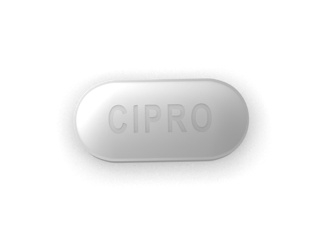


Cipro (Ciprofloxacin) — Patient-Friendly Guide (Australia)
Cipro (active ingredient: ciprofloxacin) is a widely used antibiotic medicine from the fluoroquinolone group. It’s used to treat certain bacterial infections in adults and some children, depending on the condition and local prescribing guidelines. This guide explains how Cipro works, what it’s commonly used for, how it’s taken, and key safety and interaction information to help you use it more confidently.
| Product name | Cipro |
|---|---|
| Active ingredient | Ciprofloxacin |
| Medicine class | Fluoroquinolone antibiotic |
| Typical forms | Tablets (and in some settings: oral suspension/infusion depending on availability) |
| How it works | Stops bacterial DNA replication |
| Common uses | Selected urinary, gastrointestinal, respiratory (certain) and other bacterial infections |
Important note
Antibiotics are effective against bacterial infections but not viral illnesses such as colds and influenza. Taking Cipro when it isn’t needed can increase the chance that bacteria become resistant, making future infections harder to treat.
What is Cipro?
Cipro is an antibiotic containing ciprofloxacin. It is designed to target bacteria causing infection. In Australia, availability may vary by dose strength and formulation. Your pharmacist can confirm the exact product you have (for example, tablet strength and instructions).
How does ciprofloxacin work? (Mechanism of action)
Ciprofloxacin works by interfering with bacterial enzymes essential for DNA replication:
- DNA gyrase (topoisomerase II)
- Topoisomerase IV
By blocking these enzymes, ciprofloxacin prevents bacteria from copying and repairing their DNA, leading to bacterial death or loss of ability to multiply. This antibacterial action is most effective when the medicine level stays sufficiently high for long enough during the dosing period.
Pharmacokinetics (how the body processes Cipro)
Pharmacokinetics describes how ciprofloxacin is absorbed, distributed, metabolised, and eliminated.
Absorption
When taken by mouth, ciprofloxacin is generally well absorbed. However, absorption can be reduced by certain substances, especially those containing minerals such as calcium, magnesium, aluminium, and iron. This is a major reason for timing separation from specific foods and supplements (see “Food and interactions” below).
Distribution
Ciprofloxacin distributes throughout the body, including tissues and fluids relevant to common infections. Concentrations may vary by infection site and patient factors.
Metabolism
Only a portion of ciprofloxacin is metabolised. Most is eliminated in active form.
Elimination
Ciprofloxacin is primarily eliminated via the kidneys. In people with reduced kidney function, dosing may need adjustment to maintain appropriate effectiveness and minimise side effects.
Typical uses of Cipro
Cipro may be used for a variety of susceptible bacterial infections. The exact choice and dosing depends on the infection type, severity, likely organisms, and your health factors.
Common indications (examples) include:
- Urinary tract infections (UTIs) caused by susceptible bacteria
- Prostatitis (bacterial, when indicated)
- Gastrointestinal infections such as certain diarrhoea-causing bacteria (as advised by clinical guidance)
- Bone and joint infections in selected situations
- Some respiratory tract infections caused by susceptible bacteria (where appropriate)
- Other bacterial infections where a clinician determines ciprofloxacin is suitable
Not all infections are appropriate for ciprofloxacin. Resistance patterns and infection location matter, so it’s important to follow local clinical recommendations and test results when available.
Timing and how to take Cipro
How often you take Cipro depends on the infection being treated and the prescribed regimen. It’s important to keep consistent dosing intervals to maintain effective antibiotic levels.
General timing tips
- Take doses at regular intervals (for example, morning and evening, or as directed).
- Try to take each dose at the same times daily.
- If you miss a dose, take it when you remember unless it is nearly time for the next dose—then skip the missed dose and return to schedule.
- Do not double doses.
How long to take it
Even if you start to feel better, complete the planned course unless advised otherwise. Stopping early can allow surviving bacteria to grow and may increase the chance of recurrence or resistance.
Food interactions and what to avoid
Food can influence how much ciprofloxacin your body absorbs. The most clinically important interactions are with minerals and some fortified products.
Mineral-containing products
Be especially careful with the following, as they can reduce absorption:
- Antacids containing aluminium or magnesium
- Sucralfate
- Oral supplements with iron, zinc, magnesium, or calcium
- Multivitamins containing minerals
Practical rule: Separate ciprofloxacin from these products by several hours (your pharmacist can confirm the best separation for your specific dosing schedule and product). In many cases, taking ciprofloxacin either well before or well after mineral-containing supplements reduces interaction risk.
Dairy and beverages
Dairy products can sometimes affect absorption due to minerals such as calcium. This doesn’t mean you can never eat dairy, but consider spacing if you notice issues or if you’re also taking mineral supplements.
Staying hydrated
Drink enough fluids during treatment. Hydration supports normal kidney function and can help reduce discomfort for some patients.
Alcohol and medicine interactions
Moderate alcohol intake may not directly counteract ciprofloxacin’s antibacterial activity, but alcohol can worsen certain side effects and may increase the risk of feeling unwell, dizzy, or dehydrated—especially if you have diarrhoea, fever, or reduced appetite.
Safety advice:
- It’s generally best to limit or avoid alcohol while you’re taking an antibiotic and are recovering from infection.
- If you choose to drink, keep it minimal and stay hydrated.
Other key medicine interactions
Cipro can interact with several medicines. Some interactions increase side effect risk; others reduce effectiveness.
Common interaction areas
- Medicines affecting heart rhythm (QT prolongation): Caution is advised when taken with other medicines that may affect QT interval.
- Blood thinners (anticoagulants): Ciprofloxacin may increase the effect of some anticoagulants, raising bleeding risk in certain people.
- Certain medicines for seizures: Some combinations may change medicine levels or increase risk of side effects.
- Caffeine: Ciprofloxacin can increase caffeine levels, potentially causing jitters, anxiety, or sleep disturbance.
- Probenecid: Can affect ciprofloxacin levels.
- Non-steroidal anti-inflammatory drugs (NSAIDs): In some patients, combinations may increase risk of central nervous system side effects.
Check before starting
Before using Cipro, tell your pharmacist or doctor about all medicines and supplements you’re taking, including:
- Prescription medicines
- Over-the-counter medicines
- Herbal products and vitamins
- Antacids, mineral supplements, and antidiarrhoeal agents
Indications and clinical appropriateness
In clinical practice, ciprofloxacin is used when the infection is likely or confirmed to be caused by bacteria susceptible to it. Appropriateness depends on:
- Infection site (urinary, gastrointestinal, etc.)
- Local resistance patterns
- Severity and risk factors
- Whether alternative antibiotics may be safer or more effective
- Patient characteristics such as age, kidney function, and history of tendon problems
Because fluoroquinolones can have important safety considerations, they are generally reserved for situations where benefits outweigh risks or where other antibiotics are unsuitable.
Dosing: general information for adults
Dosing must be individualised based on the condition, severity, kidney function, and local guidelines. Below is general information to help you understand how dosing regimens are often structured. Always follow the instructions provided with your specific medicine.
Typical dosing patterns (examples)
- Twice daily regimens are common (e.g., morning and evening doses)
- Once or twice daily dosing may be used depending on the infection and severity
- Duration varies widely depending on the diagnosis
Kidney function considerations
If you have reduced kidney function, your prescriber may adjust the dose or dosing interval. This is important because ciprofloxacin is largely removed by the kidneys.
Children and adolescents
In paediatric use, ciprofloxacin is generally restricted to specific situations where the benefits outweigh risks and where it aligns with guideline recommendations. Dosing must be carefully calculated based on weight and the specific condition.
Safety profile: what to watch for
Most people tolerate ciprofloxacin well. However, it can cause side effects, and some reactions require prompt medical attention. If you experience severe symptoms, seek urgent medical advice.
Common side effects
- Nausea
- Diarrhoea
- Headache
- Stomach upset
- Vaginal itch/discharge (in some people due to yeast overgrowth)
Serious but less common risks
Fluoroquinolones, including ciprofloxacin, have been associated with rare but serious adverse effects. Be alert for:
- Tendon inflammation and rupture (often involving the Achilles tendon). Stop the medicine and seek medical advice urgently if you develop tendon pain, swelling, or difficulty using a joint.
- Nerve symptoms such as burning, tingling, numbness, or weakness. Seek medical advice if these occur.
- Severe skin reactions (rash with blistering, peeling, or widespread hives), facial swelling, or breathing difficulties.
- Severe diarrhoea (especially watery or bloody) that may indicate a condition called antibiotic-associated colitis. Contact a clinician promptly.
- Changes in heart rhythm symptoms such as palpitations, fainting, or severe dizziness.
- Low blood sugar symptoms (shaking, sweating, confusion), particularly in people with diabetes taking certain medicines.
- Central nervous system effects such as agitation, confusion, hallucinations, tremor, or seizures (seek urgent advice if these occur).
- Worsening muscle weakness in people with myasthenia gravis (fluoroquinolones may worsen this condition).
Risk factors to discuss
Tell your clinician if you have any of the following, as they may affect risk/benefit decisions:
- History of tendon problems related to fluoroquinolones or other causes
- Known heart rhythm issues or use of medicines that prolong QT interval
- Diabetes (especially if using insulin or sulfonylureas)
- Neuropathy or conditions affecting nerves
- Older age or use of systemic corticosteroids
- Myasthenia gravis
Practical use tips (getting the best results)
- Take at the correct times: Set reminders if doses are spaced across the day.
- Separate from minerals: Keep distance from antacids, iron, magnesium, zinc, and calcium supplements if advised by your pharmacist.
- Stay consistent with meals: If your doctor/pharmacist advised “with or without food,” follow those instructions. In general, ciprofloxacin may be taken with food if it reduces nausea, but confirm for your specific product.
- Hydrate: Drink water regularly during your course.
- Do not save leftover antibiotic: Different infections require different treatments.
- Seek review if not improving: If symptoms worsen or don’t improve within the expected timeframe, contact a clinician.
Missed dose guidance
If you miss a dose:
- Take it as soon as you remember.
- If it’s close to the next dose, skip the missed dose.
- Do not take two doses at once.
For complex dosing schedules, your pharmacist can advise the best approach.
Alternative options to consider
Depending on the infection type and local resistance patterns, alternative antibiotics or treatment strategies may be used. Alternatives may include:
- Nitrofurantoin or trimethoprim-sulfamethoxazole for selected uncomplicated urinary tract infections (depending on susceptibility and patient factors)
- Amoxicillin-clavulanate for certain respiratory or skin infections
- Cephalosporins for specific bacterial infections
- Macrolides in selected settings
- Other fluoroquinolones in narrow circumstances (with similar class considerations)
In some cases, additional steps such as urine culture, stool testing, imaging, or supportive care are important. The “best” alternative depends on the bacteria suspected or confirmed and your medical history.
Market and legal context for Australia
In Australia, antibiotics are regulated medicines and are supplied according to relevant Therapeutic Goods Administration (TGA) requirements and pharmacy legislation. Availability of particular antibiotic formulations (such as tablet strengths) may vary by supplier and stock.
For patient safety, antibiotics should be used only when clinically indicated and according to current Australian clinical guidance and antimicrobial stewardship principles. Antimicrobial stewardship helps reduce inappropriate antibiotic use and slows the emergence of resistant bacteria.
Recent guidance and stewardship themes
Over recent years, Australian and international health agencies have emphasised:
- Appropriate antibiotic selection based on likely pathogens and local resistance
- Right duration (not longer than necessary)
- Reviewing fluoroquinolone use due to known class-related risks
- Using cultures/tests where appropriate for targeted treatment
Your healthcare professional may use these principles when deciding whether ciprofloxacin is the best choice for your infection.
Delivery and availability (online pharmacy)
Online pharmacies in Australia typically supply Cipro where it is legally permitted and clinically appropriate. Stock levels can change due to manufacturer supply or demand. Availability may differ by:
- Dose strength (for example, different tablet strengths)
- Pack size
- Formulation (tablets vs other forms where offered)
Delivery options may include standard or express shipping depending on your location. Keep an eye on:
- Cold-chain requirements (usually not needed for standard ciprofloxacin tablets, but check product storage instructions)
- Delivery timeframes especially if you need treatment urgently
- Ensuring correct dose and instructions match what you were expecting
Frequently Asked Questions (FAQ)
1) What is Cipro used for?
Cipro (ciprofloxacin) is used to treat infections caused by susceptible bacteria. Common examples include certain urinary tract infections, prostatitis, and some gastrointestinal infections. The right use depends on the infection and bacterial resistance patterns.
2) How fast should I feel better?
Many people notice symptom improvement within one to three days, depending on the infection. If you’re not improving or symptoms worsen, contact a clinician promptly.
3) Can I take Cipro with food?
Food may affect absorption. Some people find ciprofloxacin easier on the stomach with food. Follow the exact instructions from your product information and pharmacist advice.
4) Is it safe to take with dairy or calcium?
Dairy products can contain minerals that may reduce absorption. It’s usually best to separate ciprofloxacin from mineral-heavy supplements and some antacids. Ask your pharmacist about the best timing for your specific routine.
5) Do I need to avoid alcohol?
Alcohol is not always directly prohibited with ciprofloxacin, but it may worsen side effects like dizziness, nausea, or dehydration—especially during an infection. Limiting alcohol is advisable while recovering.
6) What should I do if I miss a dose?
Take it when you remember if it’s not close to the next dose. Otherwise, skip it and continue your schedule. Do not double up.
7) What side effects are most common?
Common side effects include nausea, diarrhoea, headache, and stomach upset. If you develop severe diarrhoea, rash, tendon pain, or nerve symptoms, seek medical advice urgently.
8) When should I seek urgent help?
Seek urgent medical advice if you experience signs of a serious reaction such as:
- Tendon pain/swelling or sudden difficulty moving a joint
- Severe allergic reaction (swelling of face/lips, trouble breathing)
- Severe rash or blistering/peeling skin
- Severe or bloody diarrhoea
- Fainting, severe dizziness, or palpitations
9) Can ciprofloxacin interact with other medicines?
Yes. Important interactions can involve antacids/minerals, anticoagulants (blood thinners), QT-prolonging medicines, caffeine, and diabetes medicines. Always review your medication list with your pharmacist.
10) Are there alternatives if ciprofloxacin isn’t suitable?
Yes, alternatives depend on the infection and organism. Your clinician may choose another antibiotic or a different management approach based on your condition and test results.
Summary
Cipro (ciprofloxacin) is a fluoroquinolone antibiotic used for selected bacterial infections in Australia. It works by stopping bacteria from replicating their DNA. While many people tolerate it well, it can cause side effects and has rare but important risks, including tendon injury, nerve effects, severe diarrhoea, and allergic reactions. Taking it correctly—at the right times, with careful attention to food and mineral interactions, and avoiding unnecessary alcohol—helps maximise benefits and reduce complications.
If you have questions about whether Cipro is suitable for your situation, how to space it from minerals or other medicines, or what to do if side effects occur, speak with your pharmacist or healthcare professional.