Aralen (Chloroquine) – Patient Information (Australia)
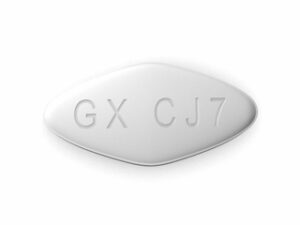
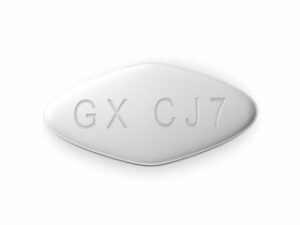
Aralen is a brand of the medicine chloroquine. It has been used for many years to prevent and treat certain infections, particularly malaria. In some situations, it may also be used for inflammatory or autoimmune conditions where appropriate.
This page explains how Aralen works, how it’s used, important safety information, and practical guidance to help you use chloroquine more confidently and safely in Australia.
Key product information
| Category | Details |
|---|---|
| Medicine | Aralen (chloroquine) |
| Active ingredient | Chloroquine |
| Common forms | Oral tablets (form strength varies by product and supplier) |
| Use | Malaria prevention and treatment (where indicated); sometimes for certain inflammatory conditions |
| How it’s taken | Usually by mouth; schedules depend on the reason for use |
Note: Always check the exact label for your pack (strength, dose instructions, and expiry). If instructions on your pack differ from general guidance, follow the pack and your healthcare professional’s advice.
How Aralen works (mechanism of action)
Chloroquine is a medicine that affects the way certain organisms survive inside the body. Its key actions include:
- Malaria (Plasmodium) action: Chloroquine concentrates inside malaria parasites in their digestive vacuoles. There, it interferes with the parasite’s ability to process haem (heme), which the parasite needs for survival.
- Prevention of infection: By disrupting parasite survival during early development, chloroquine can reduce the chance that malaria establishes itself in the body.
- Anti-inflammatory/immunomodulatory effects: In certain non-infectious conditions, chloroquine may help calm abnormal immune activity by altering signalling within immune cells and lysosomes.
Because malaria resistance varies by region, the effectiveness of chloroquine depends heavily on where infection is acquired.
Pharmacokinetics (how the body handles chloroquine)
Pharmacokinetics describes absorption, distribution, metabolism, and elimination.
- Absorption: Chloroquine is absorbed after oral dosing, though absorption can vary between individuals.
- Distribution: It spreads widely throughout the body, including to tissues. Chloroquine has a large volume of distribution.
- Metabolism: It is metabolised in the liver.
- Elimination: Chloroquine is cleared slowly, with a long terminal elimination half-life (often measured in weeks). This means it can remain in the body for an extended time after stopping.
Why this matters: Because chloroquine remains in the body for a long time, dosing schedules for prevention and treatment are designed to maintain protective levels, and long-term safety monitoring may be needed in some circumstances.
Typical uses and indications
Aralen (chloroquine) may be used for:
1) Malaria prevention and treatment
- Prevention: In areas where chloroquine remains effective, it may be used to reduce the risk of malaria.
- Treatment: It may be used to treat malaria caused by chloroquine-sensitive strains, depending on local resistance patterns and clinical judgement.
Important: Resistance is common in many malaria regions. In many circumstances, other antimalarial medicines are preferred over chloroquine.
2) Certain inflammatory conditions (selected cases)
- Chloroquine has immunomodulatory properties and may be used for certain conditions where its benefits outweigh risks.
Your healthcare professional will confirm whether chloroquine is appropriate for your diagnosis and situation.
Timing: when to take Aralen
Timing depends on why you’re taking it:
- For malaria prevention: Common schedules use weekly dosing for people travelling to areas where chloroquine is appropriate. A typical approach is to start before travel, continue during travel, and for a period after leaving the area (exact schedule depends on current medical guidance and travel details).
- For malaria treatment: Treatment schedules are usually shorter but may involve multiple doses over a set period.
- For other conditions: Dosing may be daily or at intervals, depending on the condition and response.
Practical tip: Choose a routine time of day and keep it consistent. If you miss a dose, follow the advice on your pack or from your healthcare professional (do not double up unless instructed).
Dosing information (general guidance)
Dose is individualised based on age, weight, the reason for use (prevention vs treatment), and local resistance patterns.
- Adults: Dosing differs for prevention versus treatment and may vary by malaria species/strain.
- Children: Doses are often weight-based, and careful calculation is essential.
- Older adults and people with liver impairment: Dose selection and monitoring may be adjusted due to slower metabolism and higher risk of adverse effects.
Safety note: Chloroquine can be harmful if taken in the wrong dose. Use only the exact dose and schedule stated by your healthcare professional or on the product label.
Food interactions and taking with meals
Chloroquine can be taken with or without food, but taking it with food or milk may reduce stomach upset.
- If you experience nausea, stomach discomfort, or vomiting, try taking your dose with a meal or a snack.
- Stay consistent—avoid large changes in meal patterns when possible.
What to avoid with food: There are no universal food restrictions for chloroquine, but maintaining hydration and taking it with a light meal can make side effects easier to manage.
Alcohol and medicine interactions
Alcohol
Alcohol may increase the risk of dizziness, drowsiness, stomach upset, and liver stress. While moderate alcohol may not be strictly prohibited for every person, it’s generally advisable to:
- Limit alcohol while taking chloroquine, especially if you notice side effects.
- Avoid binge drinking.
- Be extra cautious if you have liver problems or take other medicines that affect the liver.
Medicine interactions (important)
Chloroquine can interact with several medicines. Tell your healthcare professional or pharmacist about all medicines you take, including over-the-counter products, vitamins, and herbal supplements.
- Medicines that affect heart rhythm (QT prolongation): Combining chloroquine with other drugs that can affect heart rhythm may raise the risk of irregular heartbeat.
- Other antimalarials or treatments for infections: Some combinations may increase side effects or require careful timing.
- Medicines that affect liver enzymes: Because chloroquine is metabolised by the liver, enzyme inducers/inhibitors may alter chloroquine levels.
- Medicines that also lower seizure threshold: Caution is needed if you have a history of seizures or take medications that increase seizure risk.
If you’re travelling, it’s especially important to review your medication plan—bring a list of all medicines and consider checking interaction risks before you leave.
Safety profile: side effects and when to seek help
Like all medicines, Aralen can cause side effects. Many people tolerate it well, but some effects require prompt attention.
Common or mild side effects
- Nausea or stomach upset
- Headache
- Dizziness
- Loss of appetite
- Skin reactions (e.g., rash) in some people
Serious side effects (seek urgent medical advice)
- Vision changes: blurry vision, difficulty focusing, or new visual disturbances. Report promptly; long-term use especially requires eye screening.
- Irregular heartbeat, fainting, severe palpitations: possible heart rhythm effects, particularly if combined with other QT-prolonging medicines.
- Severe dizziness, confusion, seizures: potential central nervous system effects—seek urgent care.
- Allergic reactions: swelling of the face/lips, breathing difficulty, or widespread hives.
Overdose warning
Chloroquine overdose can be life-threatening. If you or someone else takes too much, seek emergency help immediately. Keep medicines out of reach of children, and store them in a safe location.
Practical use tips
- Use a dosing calendar: For weekly prevention schedules, mark the day you take the tablet and the date you stop.
- Take with food if needed: This can help reduce nausea.
- Stay consistent: Take at the same time of day. If you’re travelling, consider time zone adjustments—try to keep a stable schedule.
- Track malaria risk: If you develop fever or flu-like symptoms during or after travel, seek medical assessment promptly—malaria can be serious.
- Don’t stop early if continuing prevention is advised: Stopping too soon may reduce protection.
- Eye and skin monitoring (for longer-term use): If chloroquine is used for chronic conditions, arrange regular follow-up for vision and any persistent skin effects.
Alternative options (depending on the reason for use)
Alternatives depend on whether you are using chloroquine for malaria prevention/treatment or for an inflammatory condition.
For malaria prevention (common alternatives)
- Atovaquone/proguanil
- Doxycycline
- Mefloquine
For malaria treatment
- Treatment depends on the malaria species, severity, and resistance patterns in the region. Options can include combination therapies and other antimalarials.
For inflammatory/autoimmune conditions
- Hydroxychloroquine is sometimes considered as an alternative, depending on the condition and patient risk profile.
Important: Do not switch or combine antimalarial strategies without professional guidance. Resistance and patient-specific factors strongly influence which medicine is safest and most effective.
Market and legal context for Australia
In Australia, medicines are regulated through the Therapeutic Goods Administration (TGA) and are classified by scheduling. Availability can vary based on the product strength and regulatory classification.
When purchasing medicines online in Australia, ensure:
- The pharmacy is operating lawfully in accordance with Australian requirements.
- The product is TGA-listed or supplied through appropriate channels.
- The label includes the correct active ingredient, strength, batch/expiry details, and manufacturer information.
Always follow local travel health advice from trusted Australian sources (e.g., travel medicine services and public health guidance) because malaria recommendations change over time with resistance patterns.
Recent guidance and practical considerations
Malaria prevention recommendations can change as resistance patterns evolve. Before travel, it’s important to review current advice for your destinations, including:
- Whether chloroquine remains effective for that region
- Whether an alternative antimalarial is recommended
- Timing for starting prevention and continuing after return
- Local outbreaks and seasonal risk
If you’re unsure whether chloroquine is appropriate for your destination, seek travel medicine advice before departure. Using an ineffective prophylaxis can lead to a false sense of security.
Delivery and availability (online pharmacy)
Aralen (chloroquine) availability may vary depending on stock levels and the specific tablet strength supplied. In an online pharmacy context, typical steps include:
- Order confirmation: Your order is checked for correct product and stock availability.
- Processing time: Dispatch usually occurs after payment confirmation and stock verification.
- Delivery timeframes: These depend on your location and chosen shipping method within Australia.
- Packaging: Medicines should arrive in protective packaging with clear labelling.
Temperature and storage: Follow the storage instructions on the carton (commonly “store below 25°C” unless otherwise specified). Keep away from moisture and out of reach of children.
When your order arrives, check:
- Product name and strength
- Expiry date
- That tablets are intact and packaging is not damaged
FAQ: Aralen (Chloroquine)
1) Is Aralen used for malaria prevention?
Yes, in certain regions where chloroquine-sensitive malaria remains a concern, it may be used to prevent malaria. Recommendations depend on current resistance patterns for your destination.
2) When should I start taking it before travel?
Start timing depends on the prevention schedule recommended for the specific destination and your personal plan. Many regimens start before travel to ensure protective levels are reached.
3) Can I take Aralen on an empty stomach?
It can be taken with or without food, but taking it with food may reduce nausea and stomach upset.
4) What should I do if I miss a dose?
Follow the instructions provided on your pack or the advice given by your healthcare professional. In general, don’t double your dose without guidance. Your risk depends on whether you are using it for prevention or treatment.
5) Can I drink alcohol while taking Aralen?
Alcohol can worsen side effects and may add strain to the liver. It’s best to limit alcohol and seek advice if you have liver disease or experience side effects.
6) Are there medicines I should avoid while taking chloroquine?
Yes. Medicines that affect heart rhythm (QT prolongation), certain seizure-related medicines, and some medicines affecting liver metabolism may require extra caution. Always provide a complete list of your medicines to your pharmacist or healthcare professional.
7) What vision symptoms require urgent attention?
Seek prompt medical advice if you notice blurry vision, difficulty focusing, persistent eye discomfort, or new visual disturbances. Long-term use especially requires eye monitoring.
8) How long does chloroquine stay in the body?
Chloroquine can remain in the body for a long time due to a slow elimination process. This is one reason dosing schedules for prevention and follow-up after travel are designed carefully.
9) Is it safe for children?
Chloroquine dosing in children must be weight-based and should be carefully calculated. Children may be more vulnerable to dosing errors, so follow labelled and professional instructions strictly.
10) What if I develop fever after travel?
If you develop fever or flu-like symptoms during or after travel to a malaria region, seek urgent medical assessment. Malaria requires timely treatment.
When to seek medical advice
Contact a healthcare professional promptly if you experience:
- Persistent vomiting, severe dizziness, fainting, or irregular heartbeat
- New vision changes
- Rash, swelling, or breathing difficulties
- Any symptoms that concern you, especially after travel
Remember: This information is educational and doesn’t replace personalised medical advice. If you have questions about whether Aralen is suitable for you, or if you want to review your travel health plan, ask a qualified healthcare professional.