Aldara (Imiquimod) – Patient Guide (Australia)
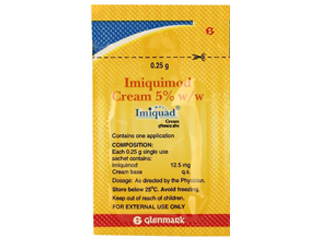
Aldara is a prescription-strength medicine containing imiquimod, commonly supplied as a cream. It is used to treat certain skin conditions where local immune activity is helpful. This guide explains how Aldara works, how it is typically used, what to expect, and important safety information for people in Australia.
Always follow the instructions provided by your healthcare professional and the product packaging. Your treatment may be adjusted based on the specific condition, location on the body, and your skin response.
Key Product Information
| Feature | Details |
|---|---|
| Medicine name | Aldara (imiquimod) |
| Dosage form | Cream (topical) |
| Active ingredient | Imiquimod |
| Typical strength | Commonly 5% cream (as supplied) |
| How it works | Stimulates local immune responses in the skin |
| Main uses (examples) | Selected skin conditions such as superficial basal cell carcinoma and genital warts (HPV-related), depending on local indications |
Availability and exact indications can vary. In Australia, product access is governed by the regulatory status of the medicine and the condition being treated.
How Aldara Works (Mechanism of Action)
Imiquimod is an immune response modifier. When applied to the skin, it helps activate elements of the local immune system. Specifically, it stimulates the release of signalling proteins (cytokines), including interferon-alpha and related immune mediators. This leads to:
- Local antiviral and antitumour activity (relevant to HPV-related lesions and certain superficial skin cancers, depending on indication).
- Increased immune cell activity in the treated area.
- Inflammation that can help clear abnormal tissue over time.
The “reaction” you may see—such as redness, irritation, crusting, or swelling—often reflects the intended immune activity. The goal is controlled, appropriate inflammation; excessive reactions should be discussed with your clinician.
Pharmacokinetics (Absorption, Distribution, Metabolism, Excretion)
Aldara is applied to the skin and is intended to act locally. After topical application, only a small amount of imiquimod typically enters the bloodstream.
- Absorption: Systemic absorption is generally low when used as directed on intact skin. Absorption may be higher if applied to irritated, inflamed, broken, or ulcerated skin.
- Distribution: Any absorbed drug distributes systemically in small amounts.
- Metabolism: Imiquimod is metabolised in the body (primarily by enzymatic processes).
- Excretion: Metabolites are eliminated mainly via the kidneys and to a lesser extent through other routes.
Because systemic levels are generally low, many side effects relate to the local skin reaction rather than widespread drug exposure. If you have concerns about absorption or you are using Aldara on large areas, talk to your healthcare professional.
Typical Uses (Indications)
Aldara is used for specific conditions where enhancing local immune response is appropriate. In Australia, its approved indications may include:
- External genital warts caused by human papillomavirus (HPV) in certain patient groups.
- Superficial basal cell carcinoma (a type of skin cancer) in selected situations.
- Other conditions where topical imiquimod is considered appropriate, depending on current regulatory approvals and clinical guidance.
Your clinician will confirm whether Aldara is suitable for your condition and whether alternative options are preferable.
When and How to Use Aldara (Timing & Routine)
Timing can affect tolerability and effectiveness. Aldara is usually applied in the evening, allowed to remain on the skin for a set period, and then washed off.
General pattern (may vary by indication)
- Apply at night (commonly before bedtime).
- Keep it on the skin for a specific number of hours as instructed (often ~6–10 hours, depending on the regimen).
- Wash off afterwards with mild soap and water.
- Frequency commonly ranges from several times per week to once daily for certain treatment courses—follow your plan closely.
Practical routine checklist
- Wash and dry the area before application.
- Use a thin layer (enough to cover the treated area as directed, not a thick coating).
- Wash hands after applying (unless your clinician instructs otherwise).
- Avoid covering with bandages or occlusive dressings unless specifically advised.
- Stop or seek advice if the skin reaction becomes severe, painful, or infected.
Food Interactions
Aldara is a topical medicine. Direct interactions with food are not generally expected because systemic absorption is low. You typically do not need to change your diet due to Aldara.
However, overall treatment comfort matters: if your skin reaction affects sleep or appetite, plan for easier meals and hydration, and discuss significant symptoms with your healthcare professional.
Alcohol and Medicine Interactions
Alcohol
There is no specific alcohol restriction universally required for imiquimod topical therapy. Because imiquimod absorption is limited, alcohol is not expected to meaningfully affect drug levels.
That said, alcohol may worsen dehydration, delay healing if you’re unwell, or affect tolerance of skin irritation. If you notice increased flushing, burning, or discomfort after alcohol, consider avoiding it during treatment and ask your clinician.
Other medicines
General interaction concerns for topical imiquimod include:
- Other topical products: Avoid applying other strong irritants (e.g., certain acids, harsh antiseptics, or exfoliants) to the treated area unless your clinician says it’s okay.
- Immunomodulating therapies: If you use systemic immune-related medicines (for example, immunosuppressants), inform your clinician, as treatment planning may be affected.
- Bleeding or open skin: Using on broken skin may increase absorption and irritation. Keep the area protected and follow guidance.
- Vaccines/immune effects: If you have concerns related to immune system activity, discuss them with your healthcare professional.
Tell your clinician about all medicines, supplements, and skin products you use, including non-prescription items.
Dosing (Typical Regimens)
Dosing depends on the specific condition being treated and the body area involved. Below are common regimens used for Aldara 5% cream; your exact schedule may differ. Always follow the regimen provided for you.
Common dosing approaches (examples)
- Genital warts (HPV-related): Often applied several times per week for a defined number of weeks, with the schedule determined by clinical guidance and response.
- Superficial basal cell carcinoma: Often applied to the lesion on specific days each week for a set treatment duration.
How much to apply: Apply a thin layer to cover the affected area. Do not apply more frequently or use a larger amount than recommended, as this increases irritation and does not reliably improve results.
If you miss a dose: Apply it when you remember unless it is close to your next dose. Do not double up. If you are unsure, check your instruction sheet or speak to your pharmacist.
What to Expect During Treatment
Aldara commonly causes local skin reactions. Mild-to-moderate reactions can be normal. Typical effects include:
- Redness (erythema)
- Swelling (oedema)
- Burning, itching, or pain
- Dryness, scaling, or flaking
- Crusting and sometimes erosion
- Changes in pigmentation
Reactions often begin after several applications and may intensify before improving. If your skin becomes very sore, blistered, ulcerated, or shows signs of infection (such as increasing warmth, pus, fever, or spreading redness), contact your healthcare professional promptly.
Safety Profile (Side Effects & Warnings)
Local side effects
The most frequent side effects are typically local and may include:
- Skin irritation at the application site
- Itching and burning sensations
- Redness, swelling, tenderness
- Crusting or scabbing
- Peeling or erosions
Serious but less common reactions
Seek medical advice urgently if you experience:
- Severe allergic reaction (e.g., facial swelling, wheezing, widespread rash)
- Severe skin ulceration or rapidly worsening pain
- Signs of infection (increasing redness, warmth, pus, fever)
- Significant systemic symptoms such as persistent fever, severe fatigue, or flu-like illness
Who should be extra cautious?
- People with broken, inflamed, or ulcerated skin in the treated area.
- People with a history of significant skin hypersensitivity.
- Those using other immunomodulating therapies or who are immunocompromised (discuss with your clinician).
If you have questions about suitability—particularly if you have complex medical conditions—ask your healthcare professional.
Practical Use Tips (How to Get the Best Outcome)
1) Apply correctly
- Use clean, dry hands and apply only to the affected area.
- Avoid rubbing vigorously; apply gently.
- Do not use the cream on eyes, inside the mouth, or other sensitive mucosal areas unless specifically directed.
2) Avoid irritants during treatment
- Avoid harsh soaps, scrubbing, or exfoliating products on the treated site.
- Use mild, fragrance-free cleanser around the area.
- Wear loose clothing to reduce friction (especially for genital areas and groin regions).
3) Manage irritation
- Do not cover the treated area unless your clinician instructs you to.
- If the area is very irritated, ask whether you should temporarily pause or adjust frequency.
- Do not apply other creams (including steroids or barrier creams) without professional guidance, as they may change how Aldara works.
4) Hand hygiene and contact precautions
- Wash hands after applying to avoid spreading to other skin.
- If the treatment site can transfer to others (e.g., genital warts), follow safe-contact advice from your healthcare professional.
5) Patience and follow-up
Clearance can take time. Even after symptoms lessen, treatment schedules and follow-up assessments are important. Do not stop early unless advised.
Alternative Options
Depending on the condition, there may be different treatment approaches. Alternatives can include:
- Cryotherapy (freezing) for certain lesions.
- Topical therapies other than imiquimod.
- Surgical approaches for skin cancer lesions (such as excision or other procedures).
- Other immunotherapies in specialist settings for selected conditions.
- Supportive measures for symptom control (e.g., reducing friction, wound care if erosions occur).
Your best option depends on lesion size, location, previous treatments, skin sensitivity, and personal preferences. Ask your clinician to compare expected outcomes and side-effect profiles.
Market & Legal Context in Australia (What This Means for Access)
In Australia, medicines are regulated by the Therapeutic Goods Administration (TGA). Aldara is classified according to its regulatory status. This affects:
- Supply requirements (some medicines require prescriber involvement before dispensing).
- Approved indications and wording on product information.
- Safety monitoring and consumer medicine information (CMI) availability.
For the most accurate, up-to-date information, refer to the Consumer Medicine Information provided with your medicine and current guidance from Australian health authorities and clinical practice.
Recent guidance (general)
Clinical practice for topical immune therapies and lesion management evolves. In Australia, clinicians typically consider current evidence on effectiveness, recurrence rates, local reaction intensity, and patient factors such as immune status and skin condition.
- Regular review of treatment response is emphasised, especially for skin cancer management.
- Patients are commonly advised to follow the prescribed regimen exactly and report severe reactions early.
- Sun protection and skin surveillance are reinforced for relevant dermatology conditions.
If you’d like, tell us your condition and where the medicine is being used, and we can help you understand what questions to ask your clinician during follow-up.
Delivery & Availability (How Online Pharmacies Usually Work)
Aldara may be available via online pharmacy services depending on product status and dispensing policies. Availability can vary between brands, pack sizes, and treatment formats.
- Stock availability: Online pharmacies typically display real-time availability where possible.
- Packaging: The medicine should arrive in original packaging with patient information.
- Delivery timeframe: Delivery depends on location, courier service, and pharmacy dispatch times.
- Temperature: Store according to the label and keep away from heat and direct sunlight.
If you have urgent needs (for example, upcoming travel or limited treatment window), contact customer support to confirm dispatch timing.
Storage & Handling
- Storage conditions: Store the cream as directed on the packaging (commonly at room temperature, protected from heat and light).
- Keep out of reach of children.
- Check expiry date: Do not use after the expiry date.
- Hygiene: Replace the cap securely and avoid contamination of the cream tube.
FAQ – Frequently Asked Questions
1) How long does it take to see results with Aldara?
Local reactions may start within the first few applications, but visible improvement and complete response often take weeks. The timeline depends on the condition being treated and your specific regimen. Follow-up assessments are important to confirm response.
2) Is Aldara safe to use if I have sensitive skin?
Many people experience irritation with Aldara. If you have a history of sensitive skin or eczema, discuss this with your clinician before starting. They may advise strategies to reduce discomfort and monitor your skin response more closely.
3) Can I shower or wash normally?
You should follow the “apply, wait, then wash off” approach specified for your treatment. After washing off, use mild soap and water. Avoid scrubbing the area and avoid strong skin products during the course unless your clinician advises otherwise.
4) What if the area becomes very red, painful, or ulcerated?
Mild-to-moderate irritation can be expected, but severe reactions require medical advice. Contact your healthcare professional promptly if symptoms are intense, spreading, or there are signs of infection.
5) Will Aldara affect intimacy or sexual activity?
For genital conditions, your healthcare professional may recommend precautions to reduce irritation, prevent friction, and limit transfer. If you experience pain during activity, increased inflammation afterward, or bleeding, pause and seek advice.
6) Can I use other creams at the same time?
Generally, you should avoid applying other products to the treated area unless your clinician confirms it’s safe. Some moisturisers or barrier products may be appropriate in certain situations, but timing and compatibility matter.
7) Does Aldara interact with sunscreen or moisturisers?
Aldara is applied to specific skin areas. If the treated area is on the face or exposed areas, discuss sun protection. Use sunscreen and moisturisers exactly as advised; do not apply products that increase irritation or interfere with the planned treatment routine.
8) Is there any food interaction?
Food interactions are not typically expected with topical imiquimod because systemic absorption is low. Focus on skincare and avoiding irritants rather than changing diet.
9) Can I drink alcohol during treatment?
There is no universal alcohol restriction for topical imiquimod. However, alcohol can affect comfort and overall health. If you notice you feel worse or have increased irritation, avoid alcohol and speak to your clinician.
10) What should I do if I accidentally get Aldara on other skin?
Wash the area thoroughly with mild soap and water. Avoid further contact. If irritation persists or spreads, seek medical advice.
When to Seek Medical Advice
Contact a healthcare professional promptly if you experience:
- Signs of infection (pus, fever, rapidly spreading redness)
- Severe swelling, blistering, or painful ulceration
- Widespread rash or symptoms suggesting an allergic reaction
- Bleeding that does not settle or increasing pain
- No improvement where expected or concerns about the diagnosis
Disclaimer: This information is intended as a general patient guide for Australia and does not replace personalised medical advice. For the most accurate directions for your condition, refer to the medicine’s Consumer Medicine Information and the guidance provided by your healthcare professional.