

Sustiva (Efavirenz) — Patient Information (Australia)
Sustiva is a brand of the antiviral medicine efavirenz. It is used as part of combination therapy to treat HIV (Human Immunodeficiency Virus). This page explains how Sustiva works, how it is taken, key safety considerations, and practical tips to help you use it effectively and safely in everyday life in Australia.
Important: Your individual treatment plan should be guided by your HIV specialist or other qualified healthcare professional. Information below is general and may not cover every personal situation.
1. Basic Product Information
- Medicine: Sustiva
- Active ingredient: Efavirenz
- Medicine class: Non-nucleoside reverse transcriptase inhibitor (NNRTI)
- Uses: Treatment of HIV infection, usually as part of combination antiretroviral therapy (ART)
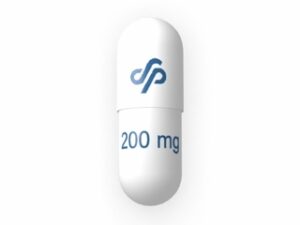
- Formulations: Commonly available as oral tablets (strengths may vary by product presentation)
Brand names may differ depending on supply and local availability; efavirenz may also be available as a generic in some settings. Ask your pharmacist what exact product you have.
2. How Sustiva Works (Mechanism of Action)
HIV uses an enzyme called reverse transcriptase to copy its genetic material inside human cells. This copying step is essential for HIV to multiply.
Efavirenz belongs to the NNRTI class. It binds to reverse transcriptase and blocks its function. Without an active reverse transcriptase enzyme, HIV cannot replicate effectively, allowing the immune system to recover and lowering the amount of virus in the body (often referred to as “viral load”).
Sustiva works best when combined with other HIV medicines (often two additional agents). Combination therapy helps reduce the risk of drug resistance and improves long-term control of HIV.
3. Pharmacokinetics (Absorption, Distribution, Metabolism, Elimination)
- Absorption: Efavirenz is absorbed after oral dosing. The amount absorbed can be influenced by food.
- Onset: Antiviral activity starts within days, but the full effect on viral load is assessed over weeks to months.
- Distribution: Efavirenz is widely distributed throughout the body, including into the central nervous system.
- Protein binding: It binds to blood proteins, which influences its distribution.
- Metabolism: Efavirenz is mainly metabolised in the liver by CYP450 enzymes (including CYP2B6 and CYP3A4). This means it can interact with other medicines that affect these enzymes.
- Elimination: The drug is eliminated mostly via the liver and bile, and its metabolites leave the body primarily through faeces.
- Half-life: Efavirenz has a relatively long half-life, which supports once-daily dosing but can also mean side effects may persist for some time after stopping.
4. Typical Use in HIV Treatment
Sustiva is used as part of combination antiretroviral therapy to treat HIV. The exact regimen depends on factors such as previous treatment history, resistance testing, viral load, co-infections, and individual tolerability.
In practice, clinicians may use efavirenz-containing regimens in situations where they are appropriate and supported by local treatment standards.
Common goals of therapy
- Reduce viral load to undetectable or as low as possible
- Allow immune recovery (increase CD4 cells)
- Maintain long-term treatment success with good adherence and tolerability
5. Timing & How to Take Sustiva
When to take it
Efavirenz is often prescribed as a once-daily dose. Many people are advised to take it at bedtime to help reduce potential night-time or early-day side effects (particularly sleep-related effects such as vivid dreams, dizziness, or drowsiness).
Take it consistently
- Try to take your dose at the same time each day.
- If you miss a dose, follow your prescriber/pharmacist’s instructions. In general, take it when you remember unless it’s close to the next dose.
- Do not double up unless specifically advised.
With or without food
Food interactions are important for efavirenz—see the next section for details. Some people take Sustiva with a light meal if it helps with nausea or improves tolerability, but follow the guidance given for your particular prescription.
Do not stop your HIV medicines without medical advice. Stopping suddenly can allow viral replication and may increase the risk of resistance.
6. Food Interactions
Efavirenz absorption can be affected by food. In particular, taking efavirenz with high-fat meals may increase drug levels, potentially increasing the likelihood or intensity of certain side effects.
Practical guidance:
- Avoid heavy, high-fat meals close to your dose when possible.
- If you feel nauseated, you may find that taking it with a small meal or snack helps—ask your pharmacist what is best for your situation.
- If your dose timing changes (for example, travel or shift work), discuss how to manage dosing with food with your healthcare team.
If you notice worsening side effects after meals, consider whether food type or meal timing has changed and speak to your clinician or pharmacist.
7. Alcohol and Medicine Interactions
Alcohol
Efavirenz can cause dizziness, sleep disturbance, and feelings of drowsiness or impaired concentration in some people. Alcohol may increase these effects, raising the risk of accidents (for example, when driving or operating machinery).
- To stay safe, it’s generally wise to limit alcohol and avoid binge drinking.
- If you drink, consider taking your dose at bedtime and avoid alcohol on the same evening until you know how your body responds.
Important medicine interactions (especially liver enzymes)
Efavirenz is metabolised by liver enzymes and can also affect enzyme activity. This can lead to lower or higher levels of other medicines, potentially reducing effectiveness or increasing toxicity.
Always check interactions before starting any new medicine, including over-the-counter products and supplements.
Examples of medicines commonly requiring careful review (not exhaustive):
- Hormonal contraceptives (including some oral contraceptives) — may require additional contraception guidance
- Anticonvulsants (for seizures) — enzyme induction can alter efavirenz levels
- Antifungals and certain antibiotics — can influence metabolism
- Antidepressants or antipsychotics — because of possible central nervous system effects and interactions
- St John’s wort (Hypericum perforatum) — may significantly reduce efavirenz levels and should generally be avoided
- Medicines for hepatitis (depending on your regimen) — interaction potential should be assessed
If you are taking multiple medicines, ask your pharmacist for a medication interaction check.
8. Indications (What Sustiva is Used For)
Sustiva (efavirenz) is indicated for the treatment of HIV-1 infection. It is used as part of combination therapy to suppress viral replication.
Your clinician will determine whether efavirenz is appropriate based on:
- Previous HIV treatment and resistance history
- Your current viral load and CD4 count
- Potential drug-drug interactions with your existing medicines
- Co-existing conditions (e.g., liver disease)
- Tolerance of efavirenz-related side effects
9. Dosing (General Information)
Dosing must be individualised. The dose of efavirenz depends on factors such as age, weight (for some populations), and co-medications, and whether it is used with other specific agents.
Typical adult dosing
Efavirenz is commonly prescribed as a once-daily oral dose for adults. Your exact dose should follow the instructions on your medication label.
Children and adolescents
Efavirenz dosing for children may be weight-based and based on formulation. This should be managed by a paediatric HIV service or specialist.
Missed doses
- Take the missed dose as soon as you remember, unless it is close to the next scheduled dose.
- Do not take two doses at once unless told to.
- If you frequently miss doses, talk to your clinician—adherence support can help reduce resistance risk.
If you stop treatment
Stopping efavirenz and/or other HIV medicines can lead to rapid viral rebound. Always discuss changes to therapy with your healthcare team.
10. Safety Profile: What to Expect and When to Get Help
Like all medicines, Sustiva can cause side effects. Many people tolerate it well, especially when taken at bedtime and with appropriate counselling. However, some adverse effects require prompt medical attention.
Common side effects
- Sleep-related effects (for example, vivid dreams)
- Dizziness or light-headedness
- Headache
- Nausea
- Fatigue
- Rash (usually early in treatment; severity varies)
Central nervous system (CNS) effects
CNS symptoms can occur particularly in the early weeks of treatment. Taking the medication at bedtime is often recommended to reduce daytime impact. If symptoms interfere with driving, work safety, or sleep, contact your healthcare team.
Serious skin reactions
Some rashes can be serious. Seek urgent medical help if you develop:
- Blistering or peeling skin
- Rash with fever
- Rash affecting eyes, mouth, or genitals
- Severe swelling or breathing difficulty
Mental health and mood changes
In some patients, efavirenz may be associated with mood changes, anxiety, depression, or unusual behaviour. If you experience significant changes in mood, suicidal thoughts, or severe agitation, seek urgent medical attention.
Liver-related concerns
Efavirenz is metabolised in the liver. Liver disease or concurrent hepatitis can increase risk. Your clinician may monitor liver function tests. Get medical advice promptly if you develop:
- Yellowing of the skin/eyes (jaundice)
- Dark urine
- Severe abdominal pain
- Unexplained persistent nausea or vomiting
Laboratory monitoring (typical)
- Routine HIV monitoring (viral load, CD4 count)
- Blood tests to monitor liver function
- General safety labs as recommended by your clinician
11. Practical Use Tips for Everyday Life
- Take at bedtime to reduce daytime dizziness and sleep-related side effects (unless your clinician advises otherwise).
- Be consistent—set a daily alarm and use a pill organiser if helpful.
- Know your food pattern—try to avoid high-fat meals around dosing if you’ve been advised to do so.
- Plan for early side effects—they may be more noticeable at the start of therapy; discuss expectations with your clinician.
- Be careful with driving—avoid driving or hazardous activities if you feel dizzy or drowsy after taking your dose, especially when starting or changing timing.
- Hydrate and manage nausea (small snacks or anti-nausea strategies may help, but ask your pharmacist).
- Do not skip or stop doses—adherence is essential for long-term viral control.
When to contact your healthcare team: If you have persistent or severe dizziness, significant mood changes, severe rash, symptoms suggesting liver problems, or any side effects that concern you.
12. Alternative Options
HIV treatment regimens vary widely. If efavirenz is not suitable due to side effects, drug interactions, pregnancy considerations, or other clinical factors, your clinician may consider alternative antiretroviral options. Alternatives depend on your specific treatment history and resistance profile.
Possible alternative classes (examples, not a full list)
- Integrase strand transfer inhibitors (INSTIs) (often preferred in many modern regimens due to favourable tolerability)
- Other NNRTIs (depending on suitability and resistance considerations)
- Protease inhibitors (often used with specific boosting strategies)
- Combination single-pill options (where appropriate)
Your doctor will choose alternatives based on what best matches your clinical situation, co-morbidities, and interaction risk.
13. Market & Legal Context for Australia
In Australia, medicines used to treat HIV are generally dispensed under established healthcare pathways and supply arrangements. HIV medicines are made available through regulated distribution channels and must meet Australian regulatory requirements.
- Regulatory framework: Medicines used in Australia must be listed/approved by the relevant Australian medicines regulator.
- Prescription access: Access to HIV medicines typically involves involvement of authorised healthcare professionals and pharmacy supply processes consistent with Australian requirements.
- Quality and safety: Products supplied should be sourced via legitimate channels and meet Australian quality standards.
Availability can vary by region and supply timing. Your pharmacy can advise on current stock status and alternatives if supply is limited.
14. Recent Guidance and Treatment Considerations
HIV treatment guidance is updated as new evidence and tolerability data emerge. Over recent years, many guidelines have increasingly favoured modern regimens that may reduce long-term side effects and simplify adherence. Efavirenz remains a key NNRTI in some circumstances, but whether it is used can depend on individual patient factors.
Clinicians may review efavirenz use based on:
- Adverse effect profile (especially CNS effects and rash)
- Drug-drug interaction risk
- Suitability for pregnancy planning and early pregnancy management (this is an area where efavirenz has specific considerations)
- Virologic response and viral resistance history
- Local guideline updates and evidence
If you are starting or switching therapy, ask your healthcare team how the choice of efavirenz aligns with the most current treatment standards for your situation.
15. Delivery and Availability (Online Pharmacy)
Online pharmacy services may offer delivery across Australia, depending on the supplier and state/territory regulations. Availability of specific brands and strengths can vary due to market supply fluctuations.
What you can typically expect:
- Stock confirmation at the time of order
- Packaging and temperature considerations (most tablets do not require cold storage, but follow product instructions)
- Delivery timeframes that depend on location and courier service
- Alternative options if a specific brand strength is temporarily unavailable (subject to pharmacy policy and clinical appropriateness)
If you need the medicine urgently to avoid missed doses, contact the pharmacy before placing an order or ask about expedited options.
16. Summary Table (Quick Reference)
| Topic | Key Points |
|---|---|
| Medicine | Sustiva (Efavirenz) |
| Class | Non-nucleoside reverse transcriptase inhibitor (NNRTI) |
| Typical schedule | Often once daily; frequently taken at bedtime |
| Main job | Blocks HIV reverse transcriptase to reduce viral replication |
| Food interaction | Avoid heavy/high-fat meals around dosing if advised; food can affect absorption |
| Alcohol | May worsen dizziness/drowsiness; limit alcohol and be cautious |
| Common side effects | Sleep disturbance, vivid dreams, dizziness, headache, nausea, rash |
| Serious warnings | Severe rash, mood changes, liver problems—seek urgent medical help |
| Drug interactions | Efavirenz can interact with many medicines via liver enzymes—check before starting new drugs |
17. FAQ (Frequently Asked Questions)
1) What is Sustiva used for?
Sustiva (efavirenz) is used to treat HIV-1 infection as part of combination antiretroviral therapy to suppress viral replication.
2) How should I take efavirenz (Sustiva) for best results?
Many people take it once daily at bedtime to reduce potential sleep-related and dizziness side effects. Take it consistently each day, and follow advice about food intake.
3) Can I take Sustiva with food?
Food can affect how much efavirenz your body absorbs. Heavy/high-fat meals may increase drug levels. Ask your pharmacist or clinician for the most suitable approach based on your regimen and side effects.
4) What are the most common side effects?
Common side effects include vivid dreams or sleep disturbance, dizziness, headache, nausea, fatigue, and sometimes rash, especially early in treatment.
5) Will alcohol make side effects worse?
Alcohol may increase risks of dizziness, drowsiness, and impaired concentration. If you drink, limit alcohol and consider avoiding it around the time you take your dose—particularly until you know how your body reacts.
6) What medicines commonly interact with efavirenz?
Efavirenz can interact with many medicines due to liver enzyme effects. This can include some antibiotics, antifungals, seizure medicines, antidepressants, hormonal contraceptives, and herbal products such as St John’s wort. Always check with your pharmacist before starting anything new.
7) What if I miss a dose?
Take it when you remember unless it’s close to the next dose. Do not double up unless your healthcare team instructs you. If you’re unsure, ask your pharmacist for guidance.
8) Is it safe to drive after taking Sustiva?
If you feel dizzy, drowsy, or unfocused after taking efavirenz—especially at the start—avoid driving or operating machinery. If symptoms persist, speak to your clinician.
9) When should I seek urgent help?
Seek urgent medical help for severe rash (especially with fever or blistering), breathing difficulty, severe mood changes, suicidal thoughts, or symptoms that may indicate liver problems such as jaundice.
10) Are there alternatives to Sustiva?
Yes. Depending on your situation, your healthcare provider may recommend different antiretroviral medicines or regimen combinations with different side effect profiles and interaction risks.
18. Key Takeaways
- Sustiva (efavirenz) is an NNRTI used as part of combination therapy for HIV.
- It works by blocking HIV reverse transcriptase to reduce viral replication.
- It is often taken once daily at bedtime to help manage sleep or dizziness side effects.
- Food, alcohol, and drug interactions can affect safety and effectiveness—always review interactions.
- Report concerning symptoms promptly, especially severe rash, mood changes, or signs of liver problems.
If you’d like, share the dose strength and your current medication list (or a photo of your medication label), and I can help you identify common interaction questions to discuss with your pharmacist or clinician.