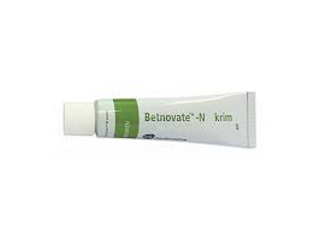
Diprolene (Betamethasone) – Patient-Friendly Guide (Australia)
Diprolene is a brand name containing betamethasone, a potent corticosteroid medicine used to treat a range of inflammatory and itchy skin conditions. It works by reducing inflammation and calming the immune response in the skin. In Australia, Diprolene products are commonly used for eczema, dermatitis, and other steroid-responsive skin problems, depending on the specific formulation (for example, cream, ointment, or lotion).
This guide explains how Diprolene works, what it’s used for, how to use it safely, and what to watch for. It also covers food, alcohol, and medicine interactions, plus a practical FAQ for everyday questions.
Basic product information
| Feature | What to know |
|---|---|
| Active ingredient | Betamethasone (a corticosteroid) |
| Common forms | Cream, ointment, lotion (strength and formulation may vary) |
| Therapeutic use | Relieves inflammation, redness, swelling, itching and irritation in steroid-responsive skin conditions |
| How it’s used | Topical application to affected skin only |
| Key safety focus | Avoid use on infected skin unless specifically directed; avoid long-term/overuse due to skin thinning and systemic steroid absorption risk |
| Availability in Australia | Typically available via pharmacist and may be regulated depending on product strength/formulation |
How Diprolene works (mechanism of action)
Betamethasone is a corticosteroid. When applied to the skin, it reduces inflammation by:
- Suppressing immune activity in the skin, which decreases redness and swelling.
- Reducing inflammatory chemical signals (such as cytokines and other mediators) that drive itch and irritation.
- Limiting abnormal inflammatory responses that occur in conditions like eczema/dermatitis.
The result is improved comfort (less itching and burning) and visible improvement in inflamed patches.
Pharmacokinetics (how the body handles it)
For topical medicines, “pharmacokinetics” describes absorption, distribution, metabolism, and elimination. With Diprolene, most of the drug acts locally in the skin.
-
Absorption: Betamethasone can be absorbed through the skin, especially when:
- the skin is damaged or inflamed
- the area is larger than expected
- it’s used under occlusion (covered with tight bandages/film)
- used on thinner skin areas (face, groin, armpits)
- long-term or high-dose treatment is used
- Metabolism: If absorbed, it is metabolised primarily in the liver.
- Elimination: Metabolites are excreted mainly via the kidneys (urine).
In general, appropriate topical use leads to low systemic absorption, but this risk increases with the factors above. Following the correct amount and duration is important for safety.
Typical use: what conditions it treats
Diprolene is used for inflammatory, itchy skin conditions that respond to corticosteroids. Common steroid-responsive conditions include:
- Eczema (including atopic and other forms, as advised)
- Dermatitis (inflammatory skin reactions)
- Inflammatory dermatoses where corticosteroid treatment is appropriate
The exact suitability depends on the cause of the rash. It’s important to note that corticosteroids may worsen certain infections (for example, fungal or some bacterial infections) if they are the main problem.
Indications and when to use it
Diprolene is indicated for the relief of inflammatory symptoms such as:
- redness
- swelling
- itching
- irritation
- inflammatory thickening in some chronic conditions
If you’re unsure whether your rash is suitable for steroid treatment, it’s wise to confirm the diagnosis with a healthcare professional—particularly if symptoms are:
- spreading rapidly
- oozing, crusting, or very painful
- associated with fever
- present in skin folds, the face, or around the eyes
- not improving after a short trial
How to apply Diprolene (dosing guidance)
The right dose depends on the formulation (cream/ointment/lotion), the strength, the condition, and the site of application. Always follow the dosing instructions provided with your specific product and advice from a qualified healthcare professional.
General topical dosing principles:
- Use a thin layer over the affected area.
- Start once or twice daily if directed by your healthcare professional or product instructions.
- Use for the shortest time needed to control symptoms. If symptoms improve, reduce frequency as advised.
- Avoid routine use on large body areas unless specifically recommended.
- Do not use on infected areas (unless specifically instructed and treated appropriately for infection).
Timing during the day: If applying twice daily, a common schedule is morning and evening. Choose times that are easy to remember and keep consistent.
Hands: Wash your hands after applying unless your hands are the treatment site.
When will it start to work?
Many people notice symptom relief within a few days, with clearer improvement over one to two weeks—depending on the condition and how well the skin responds. If there is no meaningful improvement within about 7–14 days, or symptoms worsen, stop and seek medical advice (or pharmacist guidance) to confirm the diagnosis and whether another treatment is needed.
Food interactions
Because Diprolene is applied to the skin, it usually has no direct food interactions. Food does not affect how topical betamethasone works in the skin in the same way that tablets do.
However, if you are taking other medications systemically (such as tablets), those medications may have their own food-related interactions. If you have concerns about your current medicines, speak to a pharmacist.
Alcohol and medicine interactions
Alcohol
There are generally no specific alcohol interactions expected with topical betamethasone at normal use levels. The main safety concerns relate to the steroid itself and the skin condition being treated.
If Diprolene is used over large areas, for extended periods, or under occlusion, any systemic absorption increases. In those situations, it is prudent to discuss overall risk with a healthcare professional.
Medicine interactions
Topical betamethasone has limited systemic interaction potential compared with oral corticosteroids because absorption is typically low when used correctly. Still, interactions can occur indirectly (for example, when steroids are used with medicines that affect immunity).
- Other topical treatments: Using multiple products on the same area can change absorption or irritation. Consider a simple routine (e.g., moisturiser at a different time) unless advised otherwise.
- Immunosuppressive medicines (systemic): In general, avoid applying high amounts or for long periods without guidance.
- Infection treatments: If your rash is infected or suspected to be infected, steroids alone may delay appropriate treatment.
Tell your pharmacist or doctor about all medicines you use, including creams, ointments, and tablets, so they can advise the safest combination.
Safety profile: important precautions
Diprolene (betamethasone) can be very effective when used appropriately, but corticosteroids require careful use. The biggest risks come from using too much, too often, for too long, or on sensitive areas.
Common side effects (topical)
- temporary burning, stinging, or irritation
- dryness or increased sensitivity
- skin thinning (atrophy), especially with prolonged use
- stretch marks (striae) in some cases
- changes in skin colour
- acne-like eruptions or folliculitis
Serious side effects (seek medical advice urgently if)
- signs of severe allergy: swelling of the face/lips, difficulty breathing, widespread rash
- rapid worsening of the rash, significant pain, or spreading redness
- signs of infection: pus, increasing warmth, marked tenderness, fever
- eye-related symptoms if used near the eyes: pain, redness, vision changes
- if used in children or over large areas for longer periods, symptoms suggestive of systemic steroid effects
When to avoid or use with extra caution
- Infection: Do not use on fungal, bacterial, or viral skin infections unless specifically directed.
- Face, eyelids, groin, armpits: These areas have thinner skin and absorb more—use only under professional guidance.
- Children: Steroid absorption can be higher relative to body weight; follow guidance carefully.
- Pregnancy and breastfeeding: Topical steroids can be used, but safety depends on amount and duration. Seek medical advice before use.
- Large surface area or occlusion: Increased absorption raises risk; avoid unless advised.
Practical use tips (to get the best results safely)
- Apply only to affected skin; avoid healthy surrounding skin.
- Use the fingertip unit (FTU) concept (for adults) to estimate a consistent amount—your pharmacist can help you work out the right quantity.
- Moisturise appropriately: If you also use moisturiser, apply it after the steroid has absorbed (or at a different time of day) to reduce irritation.
- Don’t cover tightly (unless told): tight bandages/plastic coverings can increase absorption.
- Keep treatment short: once symptoms settle, reduce frequency or stop as advised.
- Avoid abrupt stopping if long-term use: If you’ve used it for extended periods, ask a healthcare professional about tapering to reduce rebound symptoms.
Hygiene: Keep the container clean, don’t share your cream/ointment, and close the lid after use.
Alternative options (discuss with a pharmacist or doctor)
Treatment choice depends on diagnosis, severity, location, and your skin type. Alternatives to betamethasone may include:
- Weaker topical corticosteroids: Often used for milder inflammation or sensitive areas.
- Non-steroidal anti-inflammatory skin treatments (for suitable cases): These may be considered for long-term control to reduce steroid exposure.
- Moisturisers and emollients: The foundation of eczema care to restore the skin barrier and reduce flare-ups.
- Antifungal or antibacterial treatments if infection is present or suspected.
- Wet wrap or other dermatology techniques (only with correct guidance), especially for severe eczema flares.
Your pharmacist can help compare options and explain which approach is safest for your specific symptoms.
Market and legal context in Australia (overview)
In Australia, topical corticosteroids are regulated within the Therapeutic Goods Administration (TGA) framework. Availability and restrictions can vary depending on the specific product strength and formulation. Some corticosteroid products are available from pharmacies under certain conditions, while others may have stricter supply requirements.
Pharmacies may also apply counselling requirements to ensure the medicine is used appropriately—particularly because incorrect use can worsen infections or cause skin damage.
For up-to-date supply rules and product-specific information, refer to the product label and advice from your pharmacist, or check the TGA database for details related to the exact product.
Recent guidance and best-practice updates (what matters now)
Dermatology guidance worldwide (and within Australia) consistently emphasises:
- Using the lowest effective strength and the shortest effective duration.
- Correct diagnosis before starting steroid treatment, especially for rashes that could be infectious or non-eczema causes.
- Skin care optimisation (regular moisturisers, trigger reduction, gentle cleansing) to reduce relapse.
- Careful use around sensitive sites (face, eyelids, genitals) to minimise steroid-related side effects.
If your symptoms persist or recur frequently, consider review by a healthcare professional to confirm the diagnosis and develop a long-term prevention plan rather than repeated short courses without assessment.
Delivery and availability (online pharmacy)
Availability of Diprolene depends on the exact formulation and strength. When ordering online, make sure you select the correct product (cream/ointment/lotion) and concentration as required for your condition.
- Dispatch time: Many pharmacies dispatch within 1–2 business days (times vary by supplier and location).
- Delivery options: Standard and express shipping may be available depending on the region.
- Packaging: Products are typically packed securely and may arrive with protective seals intact.
- Storage: Store as directed on the label, usually at room temperature away from direct heat and sunlight.
If you need help choosing the correct formulation, a pharmacist can guide you based on where the rash is and the type of skin involvement (for example, thicker patches may respond well to ointments, while lotion forms may suit hair-bearing areas).
FAQ about Diprolene (betamethasone)
1) Can I use Diprolene on my face?
It may be used only if specifically advised and with caution. The face has thinner skin and is more prone to steroid-related side effects. Avoid eyelids and the area around the eyes unless instructed by a clinician.
2) What’s the difference between Diprolene forms (cream, ointment, lotion)?
Different formulations are designed for different skin types and areas. Ointments are often more occlusive and suitable for very dry, thick patches. Creams are usually less greasy. Lotions are frequently used for less solid or hair-bearing areas. Your product label will guide how to use that specific form.
3) How many times a day should I apply it?
Many regimens use once or twice daily, depending on the product strength and severity. Follow the dosing instructions on the label or advice from a pharmacist/doctor. Do not increase frequency to “make it work faster.”
4) Should I stop when symptoms improve?
Often, yes—once redness and itch settle, the dose should be reduced or stopped as directed. Continuing longer than needed increases risk. If you’ve used it for a prolonged time, ask about tapering.
5) Can Diprolene be used for ringworm (tinea)?
Steroids alone can sometimes worsen fungal infections and mask symptoms. If ringworm is possible, you need appropriate antifungal treatment and correct diagnosis before using a steroid.
6) Can I use it under a bandage or dressing?
Avoid tight or occlusive covering unless you have been told to do so. Occlusion increases absorption and side effects. If wet-wrap therapy is recommended for eczema, it should be done using an appropriate method and instructions.
7) Is Diprolene safe for children?
Children can be more susceptible to steroid absorption. Use only with clear dosing instructions and guidance. If your child has a rash that is not improving, seek advice rather than continuing.
8) What if I miss a dose?
Apply it when you remember unless it’s close to the next dose. Do not apply extra amounts to catch up.
9) Are there any lifestyle tips to prevent flare-ups?
Yes. For eczema and dermatitis, moisturising regularly, avoiding known irritants (fragranced soaps, harsh detergents), using gentle cleansers, and managing dry skin can reduce recurrence.
10) When should I seek medical advice?
Seek advice if the rash worsens, spreads, becomes very painful, shows signs of infection (pus, oozing, fever), affects sensitive areas (eyes, eyelids, genitals), or does not improve after about 7–14 days of correct use.
Summary
Diprolene (betamethasone) is a potent topical corticosteroid used to reduce inflammation, redness, swelling, and itch in steroid-responsive skin conditions. It works locally in the skin, but absorption can increase when used on large areas, under occlusion, on thin skin, or for prolonged periods. Using Diprolene correctly—applying a thin layer to affected areas for the shortest effective time—helps maximise benefit and reduce the risk of side effects.
If you’re unsure whether your symptoms match a steroid-responsive condition, or if you have recurrent flare-ups, speak to a pharmacist or healthcare professional for diagnosis and a personalised plan.