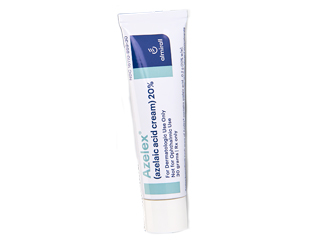
Azelex (Azelaic Acid) – Patient-Friendly Guide (Australia)
Azelex contains azelaic acid, a naturally derived dicarboxylic acid used to treat a range of skin concerns, most commonly acne and rosacea. It is valued for its ability to help clear pores, reduce inflammation, and support more even-looking skin tone—often with a relatively low risk of antibiotic resistance compared with some acne treatments.
This guide is designed to help you understand how Azelex works, how to use it safely and effectively, and what to expect in the first weeks of treatment. Always follow the instructions provided with your product and talk to a health professional if you have questions about what is suitable for you.
Quick Product Information
| Item | Details |
|---|---|
| Medicine | Azelex (azelaic acid) |
| Active ingredient | Azelaic acid |
| Common strengths | Often available as topical creams/gels (strength depends on local product presentation) |
| How it’s used | Topical application to affected skin |
| Main skin concerns | Acne; rosacea-related redness and bumps; uneven tone/hyperpigmentation (in some cases) |
| Where it works | Helps reduce follicular blockage, bacteria-related inflammation, and pigment-related irregularities |
What Is Azelaic Acid?
Azelaic acid is a topical medication used for acne and rosacea. It has several actions that make it useful for different types of blemishes and inflammatory skin conditions. It does not rely on a single pathway; instead, it acts on both skin cells and microbial/inflammatory processes within the skin.
How Azelex Works (Mechanism of Action)
Azelaic acid works through multiple mechanisms:
- Anti-acne action: Helps reduce keratin build-up inside pores, supporting clearer follicles.
- Anti-inflammatory effects: Calms inflammatory processes that contribute to redness, swelling, and acne lesions.
- Antimicrobial activity: Helps reduce growth of acne-associated bacteria on the skin (it is not an antibiotic in the classic sense).
- Normalises skin cell turnover: Promotes more balanced shedding of skin cells.
- Skin tone support: Can help reduce the appearance of dark marks by interfering with pigment production (tyrosinase activity) and supporting more even-looking skin.
Because it targets more than one problem area, many users notice a gradual improvement rather than an instant “hit” like some fast-acting spot treatments.
Pharmacokinetics (How the Body Handles It)
Topical azelaic acid is absorbed to a limited degree through the skin. Key points for patient understanding include:
- Absorption: After topical application, only a small portion is absorbed systemically compared with many oral medicines.
- Distribution: Once absorbed, azelaic acid behaves like other small dicarboxylic acids and is distributed throughout the body.
- Metabolism: It is broken down into smaller components through natural metabolic pathways.
- Elimination: Predominantly eliminated through the kidneys (in urine) as metabolites and unchanged drug.
In most people using azelaic acid as directed, systemic exposure is low, which is one reason it is commonly used as a well-tolerated topical option.
Typical Uses in Australia
Azelex may be used for:
- Acne vulgaris: Including inflamed lesions (papules/pustules) and comedones.
- Rosacea: Particularly for bumps and redness associated with the condition.
- Hyperpigmentation / dark marks: Depending on the specific product and clinical guidance, it may be used to reduce the look of post-acne marks or uneven tone.
Important: The exact approved indications and strength can vary by product formulation. For best accuracy, check the pack instructions or consult a pharmacist for the intended use of your specific Azelex product.
When to Use It and Timing
Azelex is usually applied , depending on your condition and tolerance. If you’re using it for the first time, a slower start can help minimise dryness or irritation.
Common starting schedule (example)
- Week 1: Apply once daily (often at night) to the affected areas.
- Week 2: If tolerated, move to twice daily or follow your clinician’s instructions.
Best time of day
- Night-time: Many people prefer night application because it reduces exposure to sun and other irritants.
- Morning (if twice daily): Apply and allow it to dry, then use sunscreen during the day.
Consistency is key. Results typically build over several weeks.
Food Interactions
Topical Azelex: Because it is applied to the skin and systemic absorption is low, it has no well-established direct food interaction for most users.
If you are taking other medications, it’s still important to inform a pharmacist or doctor—especially if you have complex skin regimens that include other topical actives or if you have a history of severe skin reactions.
Alcohol and Medicine Interactions
Alcohol
There is no specific, confirmed “alcohol interaction” with topical azelaic acid. However, for people with rosacea, alcohol (particularly red wine) is a common trigger for flushing in some individuals. If you notice your redness worsens after drinking, consider limiting or avoiding alcohol and track your triggers.
Other medicines
Azelaic acid may be used alongside many common skin-care products, but irritation risk can increase when combined with other strong topical actives.
- Potential irritation risk (use carefully): Other products such as strong exfoliants, high-strength acids (e.g., glycolic/salicylic/mandelic), retinoids, or benzoyl peroxide used at the same time may increase dryness, stinging, or peeling.
- How to reduce irritation: Use a gentle moisturiser and consider staggering applications (e.g., azelaic acid one time of day and another actives at a different time).
- Oral medicines: No major systemic interactions are expected due to low absorption, but always seek advice if you are unsure—particularly if you have a history of medication reactions.
If you experience significant burning, swelling, or hives, stop use and seek medical advice promptly.
Dosing (How Much to Apply)
Dosing depends on your skin condition and the product strength. A common approach is:
- Amount: Apply a thin layer to the affected area (or areas prone to breakouts), rather than a thick coating.
- Frequency: Usually once daily to start, then twice daily if tolerated.
- Duration: Continue regularly for at least several weeks to judge effectiveness.
Missed dose
- If you miss a dose, apply it when you remember unless it’s nearly time for the next application.
- Do not apply double the amount to catch up.
Practical Tips for Effective Use
These tips can improve comfort and results:
- Clean skin gently: Wash with a mild, non-scented cleanser and pat dry.
- Apply to dry skin: If your skin is damp, azelaic acid can sting more. Wait a few minutes after washing.
- Use moisturiser: A bland moisturiser can reduce dryness and improve tolerance.
- Start slowly: Especially if your skin is sensitive, begin once daily and increase gradually.
- Be patient: Improvement often occurs gradually; early irritation may settle as your skin adapts.
- Sun protection: Use broad-spectrum sunscreen daily. It helps reduce dark marks and protects irritated skin.
How to layer products
A simple routine for many users:
- Morning: Cleanse → moisturiser → (optional) azelaic acid → sunscreen
- Night: Cleanse → azelaic acid → moisturiser
Adjust based on irritation and the rest of your skincare routine.
Safety Profile and Common Side Effects
Like all medicines, Azelex can cause side effects. Many people experience mild, temporary skin irritation during the first days or weeks.
Common side effects
- Skin dryness
- Stinging or burning (especially at first or if the skin is damp)
- Redness
- Itching
- Peeling or mild flaking
Less common but important reactions
- Severe or worsening irritation after normal use
- Swelling
- Hives or widespread rash
Seek medical advice urgently if you develop signs of an allergic reaction (e.g., swelling of the face/lips, difficulty breathing, hives).
Who should take extra care
- People with very sensitive skin
- Those using multiple active skincare ingredients (retinoids, strong acids, benzoyl peroxide)
- Individuals with a history of eczema or dermatitis
- Anyone experiencing significant worsening of symptoms
Pregnancy/breastfeeding: Many topical treatments are used during pregnancy and breastfeeding when benefits are likely and risks are considered. Talk to a pharmacist or doctor for personal advice.
When to Stop and Get Advice
Consider stopping Azelex and seeking advice if:
- Your skin pain/burning becomes severe or persists
- There is marked swelling, blistering, or a rapidly spreading rash
- Your acne/rosacea appears to worsen dramatically after a short period
- You develop eye irritation (avoid applying near the eyes)
For accidental eye contact, rinse thoroughly with water and seek advice if irritation continues.
Indications (What Conditions It Can Help)
Depending on the specific product and your healthcare advice, Azelex may be indicated for:
- Acne vulgaris: Helps reduce inflammation and clogged pores.
- Rosacea: Helps reduce redness and inflammatory bumps.
- Hyperpigmentation: Can assist with the appearance of dark marks (often post-acne marks).
Results can vary based on severity, skin type, and how consistently it’s used.
What to Expect: Improvement Timeline
Understanding the timeline can help you avoid giving up too early:
- First 1–2 weeks: Some people notice reduced redness or fewer new inflammatory spots; others mainly feel dryness/stinging as skin adjusts.
- 3–6 weeks: More noticeable improvement in blemishes and inflammation for many users.
- 8–12+ weeks: Best evaluation period for visible changes in acne and pigment-related marks.
Progress may not be perfectly linear—some flare-ups can occur, especially with hormonal changes, stress, or skincare changes.
Alternative Options
If Azelex isn’t suitable or doesn’t give you the results you want, there are other commonly used treatments for acne and rosacea. Options may include:
For acne
- Benzoyl peroxide: Helpful for inflammation and bacterial load; can bleach fabrics.
- Topical retinoids (e.g., adapalene/tretinoin): Useful for comedones and overall acne control.
- Salicylic acid: Helps unclog pores and exfoliate.
- Oral therapies for moderate–severe acne may be considered by clinicians when topical options aren’t enough.
For rosacea
- Topical anti-inflammatory agents that target redness and papules
- Laser/light therapies for persistent visible blood vessels or redness (depending on cause)
- Trigger management (heat, spicy foods, alcohol, and hot beverages can worsen symptoms)
A health professional can help you select alternatives based on your symptoms, skin sensitivity, and whether you’re treating acne, rosacea, or pigmentation concerns.
Market and Legal Context (Australia)
In Australia, medicines are regulated under the national framework overseen by the Therapeutic Goods Administration (TGA). Availability and supply can vary by:
- Formulation strength and pack presentation
- Product registration status and approved indications
- Local pharmacy supply practices and stock levels
When purchasing online, reputable pharmacies ensure correct handling, appropriate product identification, and safe supply. Always check that the product you receive matches the intended strength and formulation for your condition.
Note: Availability can change as brands and formulations are updated in the Australian market.
Recent Guidance and General Updates (What to Watch)
Clinical guidance for acne and rosacea typically emphasises:
- Consistency with topical treatment for an adequate trial period (often several weeks to months)
- Minimising irritation by starting gradually and using moisturisers
- Sun protection to reduce pigment changes and support skin recovery
- Tailoring regimens to skin sensitivity and severity
- Trigger management for rosacea (heat, alcohol, spicy foods, and certain skincare irritants)
Because clinical recommendations evolve, it can be helpful to review advice from trusted sources (such as Australian dermatology guidance) or talk to a pharmacist for current product-use tips relevant to your formulation.
Delivery and Availability
Online pharmacies in Australia commonly offer delivery options that can vary by location and order size. When ordering Azelex, consider:
- Stock status: If a specific strength or formulation is out of stock, you may be offered alternatives.
- Delivery timeframes: Estimated dispatch and delivery times depend on your postcode.
- Packaging: Medicines are generally supplied in protective packaging to maintain quality during transport.
For the most accurate availability and delivery estimate, check the product page and checkout options.
How to Store Azelex
- Store at room temperature away from direct heat and sunlight.
- Keep the container tightly closed.
- Keep out of reach of children.
FAQ – Azelex (Azelaic Acid)
1) How long does it take to see results?
Many users begin noticing improvements within 3–6 weeks, with clearer results after 8–12 weeks. If you experience early irritation, this can improve as your skin adapts—still, adjust the frequency if needed.
2) Can I use Azelex with other acne treatments?
Often, yes, but it can increase irritation. If combining with strong actives (retinoids, strong acids, benzoyl peroxide), consider staggering products by time of day and moisturising well.
3) Will it bleach clothes or towels?
Azelaic acid products are generally less known for fabric bleaching compared with benzoyl peroxide. However, any topical can stain if it transfers—use caution with towels and pillowcases initially.
4) Is it safe for sensitive skin?
Some people tolerate azelaic acid very well, while others feel stinging early. Starting once daily, applying to dry skin, and using moisturiser can improve comfort. If irritation is significant, seek advice.
5) Can I apply Azelex after shaving or waxing?
Avoid applying immediately after hair removal if your skin is irritated or broken. Wait until the skin has calmed and is fully intact, as it may sting more.
6) Can Azelex be used on the whole face?
It depends on your skin concern. For acne or uneven tone, some people apply to areas prone to breakouts. For rosacea, follow guidance about where to apply. If you’re unsure, start with the affected areas.
7) Can I use it during the day?
Yes, if you tolerate it. Daily sunscreen is recommended to protect skin and help minimise darkening of marks.
8) Does it interact with alcohol?
There is no direct medicine interaction expected from topical use. However, alcohol may trigger rosacea flushing in some people—monitor your response.
9) What if I miss a dose?
Apply it when you remember unless it’s close to the next dose. Do not double up.
10) What should I do if my skin burns badly?
Stop using the product and seek advice. Severe persistent burning may indicate irritation or sensitivity. In the meantime, use a gentle cleanser and moisturiser.
Disclaimer: This information is general and intended to support understanding of Azelex (azelaic acid). It does not replace personalised medical advice from a qualified healthcare professional. If you have questions about your skin condition, other medicines, or how to build a routine that’s right for you, consult a pharmacist or doctor.