Betamethasone (Betamethasone) – Patient Information (Australia)
Betamethasone is a corticosteroid medicine used to reduce inflammation and calm overactive immune responses. It is available in several forms, including tablets and topical preparations (such as creams/ointments). In hospital and specialised settings, it may also be used as an injectable medicine for specific indications (for example, to support lung development in some circumstances).
This page provides patient-friendly information to help you understand what betamethasone is, how it works, typical uses, and important safety considerations. Always follow the directions supplied with your specific product and talk to a healthcare professional if you are unsure.
Quick overview
- Generic name: Betamethasone
- Medicine type: Corticosteroid (anti-inflammatory)
- Common forms: Tablets, topical creams/ointments; other forms may be available in specialised care
- Common benefits: Reduces redness, swelling, itching, and inflammation
- Key cautions: Can affect immunity, cause skin thinning (topicals), and may cause steroid side effects (especially with higher doses or long use)
- Where it’s used: Skin conditions, allergic/inflammatory conditions, certain lung-related uses in specialised care, and other medical indications
Basic product information
Betamethasone belongs to a group of medicines called glucocorticoids. Glucocorticoids mimic the effects of cortisol, a natural steroid hormone produced by the body. Betamethasone is designed to be potent and long-acting in the body, which makes it useful for conditions where inflammation needs rapid and sustained control.
Brand names and strengths may vary depending on the formulation and manufacturer. If you have a specific product in hand, check the label for the exact strength (for example, tablet strength) and formulation (cream, ointment, injection, etc.).
How betamethasone works (mechanism of action)
Betamethasone works at the cellular level to reduce inflammation and suppress certain immune reactions. It does this by altering gene expression in immune and inflammatory cells, leading to:
- Reduced production of inflammatory chemicals (such as cytokines and prostaglandins)
- Decreased migration of inflammatory cells to affected tissue
- Reduced swelling, redness, and itching
- Stabilisation of cell membranes and reduced tissue irritation
- Suppression of immune activity that contributes to many inflammatory and allergic conditions
In skin disease, topical betamethasone targets local inflammation. In systemic use (such as tablets or certain injections), it helps control widespread inflammation through the bloodstream.
Pharmacokinetics (how the body handles it)
Pharmacokinetics describes what the body does with a medicine: absorption, distribution, metabolism, and elimination. Exact values can vary depending on the formulation (tablet vs topical), dose, and individual factors.
Absorption
- Tablets (systemic betamethasone): Typically absorbed through the gastrointestinal tract.
- Topical products: Absorption through skin varies with the strength, skin condition, area treated, duration of use, and whether the skin is intact.
- Injection (specialist settings): Direct entry into circulation provides predictable systemic exposure for the given preparation.
Distribution
- Betamethasone binds to plasma proteins and distributes into tissues where it can exert anti-inflammatory effects.
Metabolism
- It is metabolised primarily in the liver.
Elimination
- Metabolites are cleared mainly through the kidneys (urinary excretion).
Important note: Because betamethasone is a corticosteroid, repeated use—especially at higher doses—can influence the body’s own steroid balance (the hypothalamic–pituitary–adrenal axis), which is why long courses may require careful tapering under medical guidance.
Typical use and timing
The “best timing” depends on the condition being treated and the formulation you use:
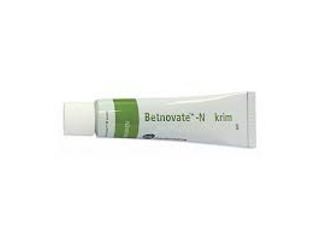
- Topical use: Usually applied once or twice daily depending on the product strength and condition. Apply to affected skin only, and wash your hands after use unless the hands are the treated area.
- Oral (tablet) use: Many corticosteroids are taken in the morning to better match the body’s natural cortisol rhythm and may reduce certain side effects like insomnia. However, follow your specific product instructions.
- Specialist/systemic dosing: Timing will be planned by healthcare professionals based on the indication.
How soon it works: For many inflammatory skin conditions, topical improvement may be seen within a few days, with fuller effects over 1–2 weeks (depending on the diagnosis). If symptoms worsen or do not improve, reassess with a healthcare professional.
Food interactions
Betamethasone generally has no major food interactions. However, oral corticosteroids may cause stomach irritation in some people. Taking tablets with food or after meals may help reduce nausea or gastric discomfort.
- Take with food if your stomach feels upset (unless the specific product instructions differ).
- Maintain stable nutrition during longer courses, as corticosteroids can affect appetite and blood sugar.
Alcohol interactions
Moderate alcohol is not typically listed as a direct interaction with betamethasone, but there are important practical considerations:
- Stomach irritation risk: Alcohol may worsen gastric irritation, particularly with oral steroids.
- Blood sugar and mood: Alcohol can affect blood sugar control and can worsen mood or sleep disturbances—issues corticosteroids may also influence.
- Infection risk: Corticosteroids can suppress immune responses; alcohol may further reduce resilience in some people, especially with heavy use.
If you plan to drink alcohol while using betamethasone, discuss with your pharmacist or doctor—especially if you have diabetes, a history of stomach ulcers, liver disease, or are using the medicine for a prolonged period.
Indications (what betamethasone is used for)
Betamethasone is used for a range of inflammatory and immune-related conditions. Indications differ by formulation.
Common indications for topical betamethasone
- Inflammatory skin disorders where corticosteroids reduce redness and swelling
- Moderate to severe flare-ups of steroid-responsive dermatoses
- Itching and inflammation associated with appropriate diagnoses
Topical corticosteroids may be used alone or as combination products (depending on the exact formulation). Some betamethasone products may be combined with other ingredients (for example, an antibacterial or antifungal component) if clinically appropriate.
Common indications for systemic betamethasone (tablets/injections)
- Inflammatory and autoimmune conditions that require systemic anti-inflammatory effects
- Severe allergic or inflammatory reactions (managed in a medical context)
- Special lung-related uses in specific clinical circumstances (typically in hospital settings)
The exact indication should match the formulation and strength you are using.
Dosing guidance (general information)
Dosing varies widely depending on the condition, severity, formulation, and patient factors such as age and response to treatment. The information below is general and not a substitute for the directions on your medication label or advice from a healthcare professional.
Topical dosing (cream/ointment)
- Apply a thin layer to the affected area as directed.
- Do not apply to broken skin unless specifically advised.
- Avoid excessive use—using more does not necessarily mean better results and can increase side effects.
- Duration: Use for the shortest time that achieves control. Many topical corticosteroids are used for days to a couple of weeks depending on the diagnosis.
- Do not stop abruptly after long use without advice if you’ve been using higher strengths or on larger areas.
Oral dosing (tablets)
- Follow the exact schedule provided for your condition.
- Often taken in the morning to align with natural cortisol rhythms.
- Long courses: may require gradual tapering to reduce withdrawal effects and allow the adrenal glands to recover.
Missed dose
- Topical: Apply when you remember, unless it’s close to the next dose. Do not double up.
- Oral: If you miss a dose, take it when you remember unless it is near the time of the next dose. Do not take double doses.
If you’re unsure what to do after missing a dose, contact your pharmacist.
Safety profile and side effects
Like all medicines, betamethasone can cause side effects. The type and severity depend on dose, duration, and route (topical vs oral).
Common side effects (more likely with systemic use or stronger regimens)
- Increased appetite
- Stomach irritation or indigestion
- Changes in sleep (for some people)
- Elevated blood sugar
- Mood changes (such as irritability or anxiety)
Topical side effects (skin-related)
- Skin thinning (atrophy) with prolonged use
- Stretch marks (striae)
- Increased visible blood vessels
- Discolouration of skin
- Acne-like eruptions or folliculitis
- Perioral dermatitis or irritation around the mouth/eyes (depending on location)
Serious but less common risks
- Infection risk: Corticosteroids may reduce immune response, potentially masking infection symptoms or increasing susceptibility.
- Eye effects: Long-term steroid exposure (particularly systemic or extensive topical use) may increase risks such as cataracts or glaucoma—eye health should be monitored.
- Adrenal suppression: With prolonged use, the body’s steroid production may slow; do not stop suddenly after long courses.
- Bone effects: Long-term systemic use may contribute to osteoporosis risk.
- Blood pressure and fluid retention: Some people may develop raised blood pressure.
When to seek urgent medical advice
- Signs of severe infection (fever, chills, worsening pain, rapidly spreading redness)
- Vision changes, severe eye pain, or sudden blurred vision
- Severe allergic reaction (swelling of face/lips, difficulty breathing)
- Black or bloody stools, vomiting blood, or severe stomach pain (especially if using oral steroids)
Practical use tips (to get the best results safely)
Topical tips
- Use on affected areas only. Avoid covering large areas unless specifically instructed.
- Apply gently—a thin layer is usually sufficient.
- Wash hands after application (unless treating your hands).
- Avoid occlusion (covering with tight dressings or plastic) unless directed, because it can increase absorption and side effects.
- Be cautious on delicate skin (face, groin, armpits). These areas absorb more steroid and may need different formulations.
- Do not use on untreated infections (for example, untreated fungal or viral skin conditions), unless combined with appropriate treatment and guided by a clinician.
Oral tips
- Take in the morning if possible, unless your regimen says otherwise.
- Monitor blood sugar if you have diabetes or prediabetes.
- Watch sleep and mood. If you experience significant insomnia, agitation, or mood changes, contact a healthcare professional.
- Do not stop suddenly after prolonged use.
Alternative options
Alternatives depend on the underlying condition and the required route (topical vs systemic). Your healthcare professional may consider:
For inflammatory skin conditions
- Other topical corticosteroids of varying strengths and formulations
- Topical calcineurin inhibitors (in some conditions/locations)
- Barrier repair creams or emollients for supportive care
- Combination therapies where infection is suspected/confirmed (doctor-directed)
For systemic inflammatory/autoimmune conditions
- Other corticosteroids (different potency/duration)
- Non-steroidal immunomodulators or disease-modifying therapies (condition-dependent)
- Supportive therapies for symptom control
If you’re considering switching, discuss with a pharmacist or doctor—especially for long-term treatment where tapering strategies may differ between medicines.
Market and legal context in Australia
Medicines in Australia are regulated through the Therapeutic Goods Administration (TGA). Betamethasone products may be supplied under different scheduling categories depending on formulation and strength. Availability may vary by product type (topical versus oral) and by whether it is classified as prescription-only or includes pharmacist-only options.
For online pharmacies, orders must comply with Australian rules for supply and identification where required. Always verify that the product you receive matches the intended formulation and strength.
Always check the label for active ingredients, strength, and the intended route of administration.
Recent guidance and important updates (general)
Ongoing clinical guidance for corticosteroid use typically emphasises:
- Using the lowest effective dose for the shortest appropriate time
- Monitoring risk for infection, blood sugar changes, bone effects, and eye complications (especially with longer courses)
- Proper skin technique for topical products to reduce avoidable side effects
- Careful tapering after prolonged systemic use to avoid adrenal suppression
Local advice may differ based on the condition you’re treating. If you have concerns about side effects, ask a pharmacist for guidance tailored to your product.
Delivery and availability (online pharmacy)
Availability of betamethasone products depends on stock levels, formulation, and strength. When ordering online, you can typically expect:
- Secure packaging to protect the product during transit
- Tracking options (depending on the pharmacy service)
- Delivery to metro and regional areas across Australia, subject to service coverage
Delivery times vary by location and product availability. To avoid delays, confirm:
- Correct address and contact details
- Product strength and formulation match your needs
- Expiry date on receipt (if provided on the label/pack)
If you need the medicine urgently, contact customer support to discuss dispatch timelines.
Frequently Asked Questions (FAQ)
1) What is betamethasone used for?
Betamethasone is used to reduce inflammation and calm overactive immune responses. Topical products are commonly used for certain inflammatory skin conditions, while systemic forms may be used for broader inflammatory or immune-related conditions and specific hospital indications.
2) How long does it take to work?
For topical skin inflammation, improvement may be noticed within a few days, with more consistent improvement over 1–2 weeks (depending on the diagnosis and severity). Oral/systemic effects can begin sooner, but the full benefit depends on the underlying condition.
3) Can I use betamethasone on my face or in skin folds?
These areas absorb steroid more readily and are more prone to side effects. Only use on the face, groin, armpits, or eyelids if specifically directed by a healthcare professional and with the correct product/formulation.
4) Should I apply it to infected skin?
Corticosteroids can mask symptoms of infection and may worsen certain infections if used alone. If the affected area might be infected (for example, fungal or viral infection), seek advice to determine whether betamethasone alone is appropriate or whether combination/alternative treatment is needed.
5) What happens if I stop suddenly?
Stopping topical treatment after short use is usually not a problem. However, if you’ve used systemic betamethasone for a prolonged period, the body’s natural steroid production may be suppressed, and stopping suddenly could be unsafe. Tapering may be necessary under medical guidance.
6) Are there food interactions?
Generally there are no major food interactions. If you have stomach upset with tablets, taking them with food may help.
7) Can I drink alcohol while taking betamethasone?
There is no universal “absolute” prohibition, but alcohol may increase stomach irritation and may worsen sleep, mood, or blood sugar control—especially with oral steroids. If you plan to drink, consider your personal health factors and discuss with a pharmacist if unsure.
8) What side effects should I watch for?
Seek advice if you develop signs of infection, eye symptoms, severe stomach pain or bleeding, or sudden vision changes. For topical products, watch for skin thinning, stretch marks, or worsening irritation—particularly if used over large areas or for longer than recommended.
9) Can betamethasone be used with other medicines?
Betamethasone can interact with some medicines. Tell your pharmacist about all products you use, including over-the-counter medicines, supplements, and skin treatments. This is especially important if you use diabetes medications, blood thinners, antifungals, or certain anti-seizure medicines.
10) How do I use topical betamethasone correctly?
Apply a thin layer to affected skin, typically once or twice daily as instructed. Avoid contact with eyes and do not use on broken skin unless advised. Wash hands after application (unless treating your hands).
Summary
Betamethasone is a potent corticosteroid used to treat inflammation and immune-related conditions. When used correctly—especially with attention to dosing, duration, and application technique—it can provide significant symptom relief. Because corticosteroids can affect immunity and cause side effects (which may be more likely with higher doses, prolonged use, or large areas for topical products), follow product directions carefully and consult a healthcare professional if you have questions or develop concerning symptoms.