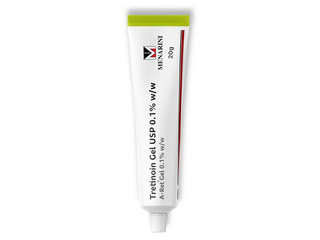
A-Ret (Tretinoin) — Patient-Friendly Guide (Australia)
A-Ret (tretinoin) is a topical medicine used to treat skin conditions such as acne and, in some formulations, signs of photoageing. This guide explains how A-Ret works, how to use it safely and effectively, and what to expect during treatment.
Information below is written for general education for people in Australia. Your skin and needs may differ—always follow your health professional’s advice and the directions on your product label.
Quick Overview
| Topic | What to know |
|---|---|
| Active ingredient | Tretinoin |
| Form | Topical cream/gel (depending on brand and strength) |
| Main uses | Acne (including comedonal and inflammatory acne); sometimes photoageing-related concerns depending on the product/strength |
| How it works | Normalises skin cell turnover, helps prevent clogged pores, and reduces inflammation |
| Typical start-up period | Dryness/irritation may appear early; visible improvement often takes several weeks |
| Timing | Usually once daily at night (follow your specific directions) |
| Common side effects | Dryness, redness, peeling, burning/stinging, sensitivity |
Basic Product Information
A-Ret contains the active ingredient tretinoin, a vitamin A (retinoid) derivative used on the skin. It is commonly used in dermatology for acne management and, depending on the formulation and strength, for certain skin concerns related to sun damage.
Tretinoin works by influencing how skin cells grow and shed. Because it targets the skin’s surface processes, results usually build gradually.
How A-Ret Works (Mechanism of Action)
Tretinoin helps improve acne and texture by affecting several steps in the formation of clogged pores (comedones):
- Normalises keratinisation: helps regulate how dead skin cells shed from inside pores.
- Prevents clogging: reduces formation of comedones by promoting more normal cell turnover.
- Reduces inflammation: can help calm inflammatory acne lesions over time.
- Supports skin renewal: encourages more even resurfacing, which may improve fine lines and pigmentation in appropriate patients (depending on product indication).
Early in treatment, the skin may look worse before it looks better. This is often due to increased cell turnover and irritation rather than treatment failure.
Pharmacokinetics (What the Body Does With Tretinoin)
Tretinoin is applied to the skin. Although some absorption can occur, systemic absorption is generally low with topical use. In most people, the majority of the medicine acts locally in the skin.
Once absorbed, tretinoin is processed by the body similarly to other retinoids. Because levels are usually low, clinically significant whole-body effects are uncommon when used as directed.
Absorption may be higher if:
- large areas of skin are treated
Typical Use and Indications
In Australia, A-Ret (tretinoin) is used by dermatology and primary care for conditions such as:
- Acne vulgaris: especially comedonal acne, but it may also help with mild-to-moderate inflammatory acne as part of a broader regimen.
- Photoageing-related concerns (depending on formulation and strength): some tretinoin products can be used to improve skin texture and reduce fine lines and certain pigment changes.
The exact indication depends on the specific product strength and the instructions approved for that formulation. If you’re unsure why you’re using A-Ret, check your carton/label or speak with a pharmacist.
How to Apply: Dosing and Timing
Most people use tretinoin once daily, often at night because it can increase light sensitivity and because skin is typically not exposed to UV at night. Always follow the specific directions given with your product.
Typical adult dosing (general guidance)
- Start low and go slow: many patients do best starting 2–3 nights per week, then increasing as tolerated.
- Apply a thin layer: usually a pea-sized amount for the whole face (unless directed otherwise).
- Avoid sensitive areas: avoid eyes, eyelids, corners of the nose, mouth, and any broken skin.
- Let skin dry first: apply after cleansing when the skin is completely dry to reduce stinging.
A “thin layer” approach helps reduce irritation while still delivering adequate treatment. More is not better and usually increases side effects.
Timing with your routine (example)
- Evening: gentle cleanser → pat dry → wait 10–20 minutes if your skin is prone to stinging → apply A-Ret thinly → moisturiser.
- Morning: gentle cleanser if needed → moisturiser → sunscreen SPF 30+ daily.
How long until it works? Improvement often begins after 6–8 weeks, with fuller results commonly taking 3–6 months. If you stop early, benefits may fade.
Food Interactions
Because A-Ret is applied to the skin, food interactions are not expected for most people. However, maintaining good nutrition supports overall skin health.
Alcohol and Medicine Interactions
Alcohol (skin and overall effects)
There is no direct alcohol “interaction” expected with topical tretinoin at typical usage. However, alcohol-containing products (such as some toners, aftershaves, or skincare with high alcohol content) can worsen dryness and irritation.
- Avoid using alcohol-heavy skincare on the same areas during the first weeks of tretinoin treatment.
- If you experience significant burning or peeling, consider reducing frequency and switch to gentle, fragrance-free products.
Other medicines and skincare products that may interact
Interactions are mainly related to irritation when combining products that affect the skin barrier or increase peeling. Some combinations can raise the risk of redness, dryness, and discomfort.
- Other exfoliating or keratolytic products: alpha hydroxy acids (AHA), beta hydroxy acids (BHA), scrubs, or strong chemical peels.
- Other retinoids: avoid using multiple retinoid products together unless specifically advised.
- Skin antibiotics/benzoyl peroxide combinations: some people use them together (e.g., for acne), but irritation may increase; gradual introduction may help.
- Strong drying agents: products containing high concentrations of alcohol, menthol, or harsh surfactants.
If you use other acne medicines (for example, benzoyl peroxide, topical antibiotics, or salicylic acid), ask a pharmacist about how to sequence them and reduce irritation.
Practical Use Tips (How to Get Better Results With Less Irritation)
- Cleanse gently: choose a mild, non-stripping cleanser.
- Apply to dry skin: waiting after washing can significantly reduce stinging.
- Use moisturiser: applying moisturiser before or after tretinoin (depending on skin tolerance) can reduce dryness.
- Don’t over-apply: thin layers are effective; heavy application increases irritation.
- Start every other night: if you’re new to tretinoin or sensitive, build up gradually.
- Manage “purging” vs irritation: early breakouts can occur; severe burning, swelling, or widespread blistering suggests irritation—pause and seek advice.
- Use sunscreen daily: UV exposure worsens dryness and can increase pigmentation changes after inflammation.
- Be patient: early side effects are common; consistency is important, but tolerance matters.
Safety Profile: Common and Serious Side Effects
Common side effects
- Dryness (skin feels tight or flaky)
- Redness (erythema)
- Peeling or scaling
- Stinging or burning (especially during the first 1–4 weeks)
- Increased sensitivity to sun and wind
Less common but important reactions
- Severe dermatitis (intense swelling, pain, oozing)
- Eye-area irritation if product is accidentally applied near the eyes
- Worsening pigmentation (post-inflammatory hyperpigmentation), particularly in darker skin tones if not protected from UV
When to stop and get medical advice
Stop using A-Ret and seek prompt advice if you experience:
- severe burning, blistering, or skin breakdown
- significant swelling or signs of an allergic reaction (such as hives)
- eye symptoms (persistent redness, pain, or blurred vision) after accidental contact
Skin Care During Treatment: What to Expect and How to Reduce Flare-Ups
A-Ret can change how your skin behaves. Many people experience a period of adaptation. The goal is to reduce irritation while giving the medicine time to work.
Managing irritation
- Reduce frequency: if irritation is bothersome, use less often (for example, 1 night per week to start again).
- Consider the “sandwich method”: moisturiser → tretinoin → moisturiser (helpful for sensitive skin).
- Avoid concurrent irritants: pause exfoliating acids and harsh actives until your skin settles.
- Stick to gentle moisturisers: look for bland, fragrance-free options.
Sun protection is essential
Tretinoin-treated skin can be more sun-sensitive. Use a broad-spectrum sunscreen (SPF 30+), wear protective clothing when possible, and avoid tanning beds.
Alcohol and Lifestyle Considerations
While topical tretinoin does not have a specific alcohol “interaction,” irritation can be affected by lifestyle choices and product choices. Alcohol-containing skincare, frequent hot showers, and vigorous rubbing with towels can worsen dryness.
- Use lukewarm water for cleansing.
- Pat skin dry—don’t rub.
- Keep hair products and styling gels away from the face (they can clog pores and irritate).
Alternative Options (If A-Ret Isn’t Suitable or Tolerable)
Depending on your skin concern, a pharmacist or doctor may suggest alternatives. Options commonly used in acne or photoageing regimens include:
- Other topical retinoids: different strengths or formulations may improve tolerability.
- Non-retinoid acne treatments: benzoyl peroxide, topical antibiotics (short-term where appropriate), azelaic acid, or salicylic acid (as directed).
- Oral therapies (for certain acne types): clinicians may consider oral options for severe or persistent acne.
- Procedural treatments: for selected patients, dermatology may offer options such as chemical peels or laser treatments.
Your best alternative depends on your acne severity, skin sensitivity, and how consistently you can tolerate topical treatment.
Market and Legal Context in Australia (Overview)
In Australia, access to tretinoin-containing products depends on the exact formulation, strength, and how it is classified under medicines regulation. Some topical tretinoin products may be supplied under prescribing requirements, while others may be available through regulated channels depending on brand and indication.
For online pharmacy purchasing, it’s important that supply is handled in line with Australian laws and that medicines are shipped in appropriate packaging with clear patient instructions.
Always check the product listing details on the pharmacy website, including:
- the active ingredient and strength
- expiry date
- storage instructions
- how to use and any key warnings
Recent Guidance and Good Practice Notes
While guidance can evolve, common dermatology principles remain consistent:
- Introduce gradually to improve tolerability.
- Use sunscreen and minimise UV exposure.
- Avoid unnecessary mixing of multiple irritating actives early in treatment.
- Give adequate time for treatment response (often weeks to months).
- Seek advice early if severe irritation occurs.
If you are pregnant or planning pregnancy, discuss tretinoin with your healthcare provider promptly. It’s also wise to review plans for contraception and treatment timing with your clinician.
Delivery, Availability, and Handling (Australia)
Availability of A-Ret depends on the specific brand, strength, and formulation offered by the pharmacy. When you order online, reputable suppliers typically provide:
- Secure packaging to protect the product during transport
- Clear label instructions and patient information
- Tracking and dispatch updates (varies by supplier)
On arrival, check the expiry date and ensure you store the medicine as directed on the label. If the cream/gel changes in appearance or smell, do not use it—return it to the pharmacy for advice.
Storage and Care
- Store at the temperature stated on the packaging.
- Keep the product tightly closed and away from heat and moisture.
- Wash hands after applying (unless the hands are part of the treated area).
FAQ: Frequently Asked Questions
1) How soon will my skin start to improve?
Many people notice changes after 6–8 weeks, but full benefits can take 3–6 months. Early dryness or breakouts can occur while your skin adjusts.
2) Will A-Ret make my acne worse at first?
It can. Some people experience an initial worsening or “purging” as the medicine speeds up skin turnover. However, severe irritation (intense burning, swelling, blistering) is not normal—reduce frequency and seek advice.
3) What strength should I use?
Strength depends on your skin concern, severity, and tolerability. If you’re new to tretinoin, you may be advised to start with a lower strength or use it less frequently. Use the strength provided for your situation.
4) Can I use moisturiser with A-Ret?
Yes—moisturiser is often helpful. If your skin stings, consider using moisturiser before and after the tretinoin (“sandwich method”). Choose a gentle, fragrance-free moisturiser if possible.
5) Can I use A-Ret with sunscreen?
Sunscreen is strongly recommended during tretinoin treatment because skin may be more sensitive. Use broad-spectrum SPF 30+ daily and reapply if outdoors for extended periods.
6) Can I combine A-Ret with benzoyl peroxide or salicylic acid?
Some acne regimens combine these treatments, but irritation risk increases. If combining, consider spacing products out (for example, different times of day) and introducing one product at a time. Ask a pharmacist for advice tailored to your regimen.
7) Can I drink alcohol while using A-Ret?
There is no direct topical interaction expected. The main consideration is avoiding skincare products containing high alcohol content that can worsen dryness. If you experience increased irritation after alcohol (for example, facial flushing), reduce irritation triggers and discuss with a healthcare professional if needed.
8) What if I miss a dose?
Apply it the next night as usual. Do not apply extra to “catch up.”
9) Can children use A-Ret?
Use in children depends on the specific product and indication. For dosing and safety, follow the instructions provided by your healthcare professional.
10) Are there people who should not use tretinoin?
People with known hypersensitivity to tretinoin or product ingredients should avoid it. Pregnancy planning requires special discussion—speak with a healthcare provider promptly for personalised advice.
Summary
A-Ret (tretinoin) is a topical retinoid that helps treat acne by normalising skin cell turnover and reducing clogged pores. It works gradually, and early dryness or irritation is common—especially if you start too quickly or apply too much. Use a thin layer at night, moisturise to protect your skin barrier, and apply sunscreen daily.
If you experience severe irritation or have questions about pairing A-Ret with other acne or skincare products, consult a pharmacist for guidance.