Rhinocort (Budesonide) — Patient-Friendly Information (Australia)
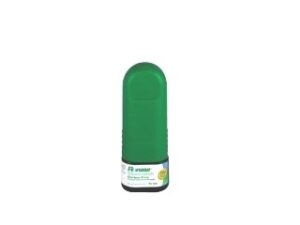
Rhinocort is a medicine used to help control symptoms caused by inflammation in the nose. It contains budesonide, a corticosteroid (anti-inflammatory) that works directly where the problem starts—inside the nasal passages. Rhinocort is commonly used for conditions such as allergic rhinitis and non-allergic rhinitis.
This page explains how Rhinocort works, how to use it safely and effectively, what to expect over time, and what to consider regarding other medicines and lifestyle factors.
| Product | Key details |
|---|---|
| Rhinocort | Nasal corticosteroid containing budesonide for inflammation in the nose. |
| Common uses | Allergic rhinitis (hay fever), non-allergic rhinitis, nasal inflammation symptoms. |
| How it helps | Reduces inflammation and swelling, helping relieve nasal blockage, sneezing, and runny nose. |
| Onset of benefit | Often begins within 24–48 hours; best effect may take several days. |
| Administration | Spray into the nose using correct technique; consistent daily use improves results. |
Basic product information
- Active ingredient: Budesonide
- Type of medicine: Intranasal corticosteroid (anti-inflammatory)
- Route of administration: Nose (spray)
- Who it may suit: People who need long-term control of nasal inflammation symptoms
- Availability in Australia: Rhinocort is available through Australian pharmacies and may be listed as an OTC or pharmacist-supported item depending on local product registration and formulation.
How Rhinocort works (mechanism of action)
Budesonide belongs to the corticosteroid family. When sprayed into the nose, it acts locally to reduce the inflammatory response. Specifically, it helps to:
- Decrease inflammatory mediators involved in allergic and non-allergic nasal inflammation
- Reduce swelling and irritation in the nasal lining
- Improve airflow by lessening nasal congestion
- Reduce symptoms such as sneezing, itching, runny nose, and a blocked nose
Because Rhinocort works by controlling inflammation rather than directly “stopping” a symptom instantly, regular use is usually important for best results.
Pharmacokinetics (how the body handles budesonide)
Intranasal budesonide is designed to act mainly in the nose. Some of the dose may be swallowed and absorbed through the gastrointestinal tract, and some may be absorbed through the nasal mucosa.
Absorption
- After intranasal use, budesonide is absorbed to a variable degree. The majority of the effect is local in the nasal tissues.
- Any portion swallowed contributes to systemic exposure, but levels are generally low for typical nasal use.
Distribution
Budesonide distributes in the body and binds to proteins in the blood. Systemic effects are usually limited when used as directed for nasal symptoms.
Metabolism
Budesonide is primarily metabolised by the liver enzyme CYP3A4. This is important when considering interactions with other medicines that affect CYP3A4.
Elimination
Metabolites are mainly cleared through the kidneys and through normal body elimination processes.
Typical use and timing
Rhinocort is typically used to control nasal inflammation associated with allergies or chronic nasal irritation. It is commonly used on a daily basis, especially when symptoms are persistent or seasonal.
When to start
- For seasonal allergies, starting before symptoms become intense may improve outcomes.
- For ongoing symptoms, regular use can provide steady control.
How quickly does it work?
Many people notice improvement within 24–48 hours, but the fullest benefit may take several days of consistent use. If you have severe congestion, it may take a little longer.
Best time of day
Rhinocort can be used at any time of day. Many people choose morning or evening routines. Use it consistently at the same time(s) daily as directed by the product instructions and your pharmacist/doctor.
Indications (what Rhinocort can be used for)
Rhinocort is used for conditions where inflammation in the nose causes symptoms. Common indications include:
- Allergic rhinitis (hay fever) — sneezing, itching, runny nose, and nasal blockage
- Non-allergic rhinitis — persistent nasal symptoms not caused by typical allergies
- Nasal inflammation symptoms — including congestion and irritation due to inflammatory processes
Your pharmacist can advise on whether Rhinocort is likely to be suitable for your symptoms and help differentiate between cold symptoms, allergies, sinus-related problems, and other nasal conditions.
Dosing (general information)
Dosing depends on the specific Rhinocort product strength, the patient’s age, and the condition being treated. Always follow the instructions on the packaging or the advice provided with your product.
If you’re unsure about the correct dose for your situation, ask a pharmacist before use.
Common dosing principles
- The dose is usually once daily or divided dosing depending on severity and product instructions.
- After symptom control, some patients may be advised to use the lowest effective dose.
- In children, dose adjustments must be consistent with age and product directions.
Do not increase the dose
If symptoms don’t improve after several days, it’s safer to discuss options with a pharmacist rather than increasing the spray frequency on your own.
Practical use tips (how to use Rhinocort effectively)
Correct spray technique improves the medicine’s contact with the nasal lining and reduces side effects such as irritation or a poor response.
Step-by-step guidance
- Gently blow your nose to clear mucus before spraying (if you can).
- Shake the bottle if the product instructions say to do so.
- Prime the pump if required (for example, if it’s new or not used for a while), following the product instructions.
- Use the correct head position: keep your head upright. Do not tilt far back.
- Insert the nozzle just inside one nostril, aiming slightly outward (toward the ear), not toward the centre of the nose.
- Press once while breathing in gently through your nose.
- Repeat for the other nostril if your dose requires it.
- Avoid sniffing hard immediately after spraying; a gentle inhale is enough.
- Wipe the nozzle after use and keep the cap on when not in use.
Common technique mistakes
- Spraying too far toward the middle can irritate the nasal septum.
- Sniffing hard can increase drainage into the throat.
- Not priming a new device may reduce dose delivery.
- Skipping doses makes it harder to achieve full control.
How to manage dryness and irritation
Some people experience mild nose dryness or irritation. Tips include:
- Use correct technique and avoid aiming too centrally.
- Stay well hydrated.
- Consider saline rinses or sprays (where appropriate) to maintain comfort—ask a pharmacist if unsure.
- If you develop persistent nosebleeds or significant irritation, stop and seek advice.
Food interactions
There are no well-known direct food interactions for budesonide nasal sprays. However, because some of the dose may be swallowed, general considerations include:
- If you take other oral medicines, swallowing can occur while using a nasal spray. In most cases this does not cause meaningful interaction, but you should still follow spacing advice if your pharmacist has given any.
- Taking other medicines with food or without food depends on those medicines specifically. Budesonide nasal spray generally does not require special timing with meals.
Alcohol and medicine interactions
Alcohol
There is no specific alcohol interaction that is expected with Rhinocort when used intranasally as directed. Still, if you feel light-headed, unwell, or have other medication-related effects, alcohol may worsen these symptoms. Consider using alcohol cautiously if you’re taking additional medicines for cold or allergy symptoms.
Important medicine interactions
Budesonide is metabolised by CYP3A4. Medicines that strongly inhibit CYP3A4 can raise systemic budesonide levels and potentially increase side effects. Examples include:
- Some antifungal medicines (azoles)
- Some antibiotics (for example, certain macrolides)
- Some HIV protease inhibitors
- Some other strong CYP3A4 inhibitors
Many people can still use Rhinocort safely, but dose adjustments or closer monitoring may be needed depending on the specific interacting medicine and overall risk.
Always tell your pharmacist about:
- All medicines you use (including sprays, eye drops, inhalers, tablets, and creams)
- Herbal products and supplements
- Recent courses of antibiotics or antifungals
- Any history of steroid-related side effects
Safety profile and side effects
Rhinocort is generally well tolerated when used at the recommended dose. Because it delivers medicine directly to the nose, systemic exposure is lower than with many oral corticosteroids, but side effects can still occur.
Common side effects
- Nose irritation or discomfort
- Dry nose
- Sneezing after spraying (sometimes)
- Mild nosebleeds (epistaxis)
- Headache
Less common but important effects
- Persistent nosebleeds
- Worsening nasal symptoms (if infection or another condition is present)
- Signs of allergy to the spray components
When to seek urgent medical advice
Seek urgent medical attention if you experience severe allergic reactions such as swelling of the face/lips, difficulty breathing, or widespread rash.
Also seek prompt advice if you have ongoing heavy bleeding from the nose, severe throat symptoms, or symptoms suggesting a significant infection.
Use in children and special populations
- Children: Dosage depends strongly on age and product strength. Use only as directed.
- Pregnancy and breastfeeding: Discuss with your pharmacist or doctor to weigh benefits and risks.
- Glaucoma or cataracts: Long-term steroid use can be relevant. Discuss your eye history.
- Active infections: Corticosteroids can sometimes affect how the body responds to infections. If you suspect a nasal infection (e.g., fever, severe facial pain, thick discharge), seek advice.
Practical “what to expect” guidance
- Consistency matters: Rhinocort works best when used regularly, not only when symptoms peak.
- Congestion may improve gradually: If your nose feels blocked, it may take several days for full relief.
- Don’t stop suddenly if symptoms return: Allergic and inflammatory conditions can come back when treatment is stopped. Your pharmacist can suggest a step-down plan if appropriate.
- Combine with avoidance strategies: For allergies, reducing exposure to triggers can improve control.
Alternative options (depending on symptoms)
The best treatment depends on whether your symptoms are primarily allergy-related, viral cold-related, sinus-related, or non-allergic. Alternatives that may be considered include:
Other nasal therapies
- Saline sprays/rinses: Can help clear mucus and soothe irritation.
- Other intranasal corticosteroids: Different products may suit different patients.
- Antihistamine nasal sprays: May help especially for sneezing and runny nose in allergic rhinitis.
Oral medicines for allergy symptoms
- Oral non-drowsy antihistamines (for some people, for allergy symptoms)
- Decongestants (generally for short periods only; can have side effects and interactions)
Barrier and trigger control
- Allergen reduction: regular cleaning, showering after outdoor exposure, and bedding protection
- Managing indoor irritants: dust mite reduction and avoiding smoke exposure
Your pharmacist can recommend the most suitable option or combination based on your symptoms, age, and medical history.
Australia: market and legal context (important notes)
In Australia, medicines are regulated by the Australian regulatory framework and listed according to the product’s registration status (for example, OTC or pharmacist-only categories). Availability may vary by brand, formulation, and whether it is supported by pharmacy advice.
Online pharmacies typically provide information to support safe selection, correct usage, and identification of when you may need additional professional advice.
If your symptoms are persistent, severe, or unusual, it is important to seek assessment so that the correct diagnosis is made—because not all nasal symptoms are caused by allergy or inflammation alone.
Recent guidance and best-practice expectations
Current best-practice guidance generally emphasises:
- Correct intranasal technique to improve effectiveness and reduce irritation.
- Regular daily use for controlling inflammation (particularly in allergic rhinitis).
- Assessment of treatment response after a reasonable trial period, and review if symptoms do not improve.
- Attention to side effects such as nosebleeds, especially with long-term use or if doses are high.
If you are using Rhinocort for an extended period, consider periodic check-ins with a pharmacist or doctor to ensure your dose remains appropriate and to review any ongoing nasal concerns.
Delivery and availability (online pharmacy)
Rhinocort is commonly available in Australia via pharmacies and online dispensaries. Delivery times can vary depending on location and stock availability.
- Availability: subject to pharmacy ordering and local supply
- Packaging: medicines are supplied in their original manufacturer packaging where possible
- Storage: store according to the label (typically at room temperature, protect from excess heat)
- Check the product: ensure you receive the correct strength and form
If you need help choosing the right Rhinocort product strength, message or speak with a pharmacist before purchase.
FAQ — Frequently asked questions
1) How long until Rhinocort starts working?
Many people notice improvement within 24–48 hours. For fuller benefit, it may take several days of consistent daily use.
2) Should I use Rhinocort every day?
For many people with allergies or ongoing nasal inflammation, yes—using it daily as directed provides the best control. If your symptoms are only occasional, discuss with a pharmacist whether daily use is still appropriate.
3) Can I stop when I feel better?
You may be able to reduce or stop if symptoms are controlled, but nasal inflammation can return. Ask a pharmacist about a step-down approach that fits your pattern of symptoms.
4) What should I do if I get nosebleeds?
Mild spotting can occur. To reduce risk, check your technique (aim slightly outward), avoid sniffing hard, and keep the nasal passages comfortable. If nosebleeds are persistent or heavy, seek advice promptly.
5) Can I use Rhinocort with other allergy medicines?
Often, yes—many people combine intranasal corticosteroids with other allergy symptom treatments. However, medicine interactions and duplicating steroid doses should be avoided. Ask a pharmacist to confirm what’s suitable for your current regimen.
6) Is Rhinocort safe for long-term use?
When used at the recommended dose, intranasal corticosteroids are commonly used long-term for chronic allergic or non-allergic rhinitis. Long-term use should still be reviewed periodically, especially if you experience frequent nosebleeds or other side effects.
7) Do I need to avoid certain foods or drinks?
No specific food restrictions are generally required. Alcohol is not expected to have a direct interaction with Rhinocort, but it may worsen overall symptoms in some people depending on what other medications they take.
8) What medicine interactions are most important?
Medicines that strongly affect CYP3A4 (such as some antifungals and certain antibiotics) may increase budesonide levels. Tell your pharmacist about all medicines you use to check for interactions.
9) Can I use Rhinocort if I have a cold?
Rhinocort may help if cold symptoms include nasal inflammation, but it won’t treat viral infections directly. If you develop high fever, worsening facial pain, or symptoms that don’t improve, seek advice—nasal congestion can have different causes.
10) How should I store Rhinocort?
Store the product according to the label instructions (typically at room temperature, away from heat and direct sunlight). Keep the cap on and maintain hygiene of the nozzle.
Summary
Rhinocort (budesonide) is an intranasal anti-inflammatory medicine that helps control symptoms of nasal inflammation, including allergic and non-allergic rhinitis. It works locally in the nose to reduce swelling and irritation, with noticeable improvement often within 24–48 hours and best results after several days of consistent use.
Using correct spray technique and following the recommended dosing instructions improves effectiveness and helps reduce side effects. If you have persistent symptoms, frequent nosebleeds, or concerns about interactions with other medicines, speak with a pharmacist for personalised advice.