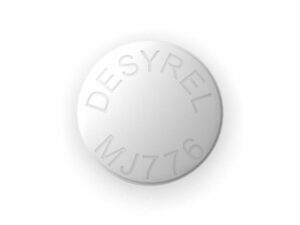

Tolterodine (Tolterodine Tartrate) – Patient Guide (Australia)
Tolterodine is a medicine used to treat symptoms associated with an overactive bladder. It works by relaxing certain bladder muscle activity, helping reduce unwanted urgency and frequent urination. This guide explains what Tolterodine does, how it’s used, what to expect, key safety information, and practical tips to get the best results.
Key Product Information
| Category | Details |
|---|---|
| Medicine | Tolterodine |
| Common formulation(s) in use | Tolterodine (often as tolterodine tartrate; immediate-release or modified-release forms may exist) |
| Therapeutic class | Antimuscarinic / anticholinergic for bladder overactivity |
| Typical target symptoms | Urgency, frequency, and urge incontinence |
| How it’s taken | Oral (by mouth), dosing depends on product strength and formulation |
| Common side effects | Dry mouth, constipation, blurred vision, headache, reduced sweating |
How Tolterodine Works (Mechanism of Action)
Tolterodine belongs to a group of medicines called antimuscarinics (also known as anticholinergics). These medicines block muscarinic receptors in the bladder, which are involved in involuntary bladder contractions.
- Decreases overactive bladder contractions that cause sudden urges to urinate.
- Helps increase bladder storage by reducing urgency and frequency.
- May also reduce urge incontinence (leakage associated with a strong, sudden need to urinate).
By improving bladder control, Tolterodine may help you spend longer periods between bathroom visits and reduce episodes of urgency-driven leakage.
Pharmacokinetics (Absorption, Distribution, Metabolism, Excretion)
Pharmacokinetics describes what the body does to a medicine. While individual responses vary, the following are general features of Tolterodine:
- Absorption: Tolterodine is absorbed after oral dosing. The extent of absorption can vary with formulation and individual factors.
- Distribution: It distributes through the body, including reaching the urinary tract.
- Metabolism: Tolterodine is metabolised primarily in the liver, involving the enzyme CYP2D6 (and to a lesser extent others). Some people are “fast” or “slow” metabolisers, which can affect exposure and side-effect risk.
- Active forms: Tolterodine can produce active metabolites, which may contribute to the overall effect.
- Excretion: Metabolites are eliminated mainly via urine and faeces.
In practical terms, this means that drug levels can differ between people, and interactions with other medicines that affect CYP enzymes may change the way Tolterodine behaves.
What Tolterodine Is Typically Used For
Tolterodine is used for the management of symptoms of overactive bladder, including:
- Urinary urgency (a sudden, hard-to-delay need to urinate)
- Increased urinary frequency (passing urine more often than usual)
- Urge urinary incontinence (leakage soon after urgency)
The medicine is usually considered when bladder training and lifestyle approaches are not sufficient, or alongside other non-drug strategies.
When You Should Take It (Timing & Routine)
Tolterodine timing depends on the specific formulation (for example, immediate-release vs modified-release). Follow the dosing schedule on your product label or healthcare instructions.
- Try to take it at the same time each day to maintain steady effect.
- Consistency matters: missing doses may reduce benefit.
- Give it time: some people notice improvement within days, but it can take up to several weeks to see full benefit.
Tip: Pair your dose with a routine habit (e.g., breakfast or evening meal) to reduce missed doses—unless your product instructions advise otherwise.
Food Interactions
Food can influence how some medicines are absorbed. For Tolterodine, the key practical point is to take it as directed for your specific product. In many cases, Tolterodine can be taken with or without food; however, your exact formulation instructions matter.
- Follow product directions: check whether your specific tablet/capsule recommends taking with food or on an empty stomach.
- Maintain consistency: take Tolterodine the same way each day (with food or without), unless advised otherwise.
If you’re unsure, consult your pharmacist. They can check whether your specific formulation has food-related guidance.
Alcohol and Medicine Interactions
Tolterodine has anticholinergic effects, which can sometimes worsen side effects such as dizziness, drowsiness, blurred vision, and dry mouth. Alcohol can increase the likelihood of these effects in some people.
- Alcohol: It’s generally best to limit alcohol and observe how your body responds, especially when you first start Tolterodine.
- Other medicines that can cause drowsiness: combining with sedating medicines may increase dizziness or impairment.
Important interactions: Tolterodine can interact with other medicines, particularly those affecting liver enzymes or bladder/anticholinergic activity.
- Medicines that increase anticholinergic effects (e.g., some allergy medicines, motion sickness tablets, other bladder antimuscarinics) may raise side-effect risk.
- CYP2D6 inhibitors may increase Tolterodine levels and side effects in some patients (e.g., certain antidepressants and other drugs).
- Other bladder medicines: combining therapies may change effectiveness or tolerability and should be medically reviewed.
Always tell your pharmacist or healthcare professional about all medicines you use, including over-the-counter products and supplements.
Indications (When Tolterodine Is Appropriate)
Tolterodine is generally indicated for overactive bladder symptoms such as urgency, frequency, and urge incontinence in adults. Suitability depends on your medical history, current symptoms, and risk factors.
- Common situation: persistent urgency/frequency despite bladder habits and lifestyle changes.
- Individual assessment: clinicians consider factors like bladder emptying, constipation risk, eye health, and cognitive risk.
If you have difficulty passing urine, significant bowel issues, glaucoma concerns, or neurologic conditions, Tolterodine may not be the right option—or may require careful monitoring.
Dosing (General Guidance)
Dosing depends on the exact Tolterodine product (strength and whether it’s immediate-release or modified-release). Use the dosing on the product label or the instructions provided by your healthcare professional.
- Start low, then adjust: Many regimens begin with a lower dose to improve tolerability.
- Response-based: dosing may be adjusted based on symptom improvement and side effects.
- Kidney/liver function: some patients may need dose adjustments if they have certain renal or hepatic impairments.
Do not exceed the recommended dose and do not change the schedule without advice. If you accidentally take more than directed, seek medical advice promptly—especially if you experience palpitations, severe dizziness, confusion, or urinary retention.
Safety Profile (Side Effects and Warnings)
Like all medicines, Tolterodine can cause side effects. Many are mild to moderate and improve as your body adjusts. However, some effects can become significant, particularly if you are sensitive to anticholinergic medicines.
Common Side Effects
- Dry mouth (very common)
- Constipation
- Blurred vision
- Headache
- Less sweating (may affect heat tolerance)
- Fatigue or mild dizziness in some people
Less Common but Important Effects
- Urinary retention (difficulty emptying the bladder)
- Worsening of glaucoma symptoms in susceptible individuals
- Confusion or cognitive changes (more likely with higher exposure or in older adults)
- Heart rhythm symptoms (rare; seek advice if you feel faint, have rapid irregular heartbeat, or severe palpitations)
Who Should Be Extra Careful
- People prone to constipation or bowel obstruction
- People with urinary retention risk or enlarged prostate symptoms
- People with glaucoma (especially narrow-angle glaucoma)
- People who have trouble emptying the bladder
- Older adults may be more sensitive to anticholinergic effects
If you experience severe side effects, stop and seek urgent medical advice. For example, trouble urinating, severe eye pain/vision changes, or marked confusion require timely assessment.
Practical Use Tips (Getting the Best Results)
1) Manage dry mouth
- Use sugar-free gum or lozenges.
- Drink water regularly (unless you’ve been instructed to limit fluids).
- Maintain good dental hygiene and consider saliva substitutes if recommended.
2) Prevent constipation
- Keep hydrated.
- Include fibre (fruits, vegetables, whole grains) in your diet.
- Stay active with gentle exercise where possible.
- If constipation becomes problematic, discuss safe options with your pharmacist.
3) Reduce bladder-related anxiety
- Try scheduled bathroom trips to reduce urgency episodes.
- Practice urge suppression techniques (e.g., slow breathing and pelvic floor relaxation) if taught by a continence nurse or physiotherapist.
4) Monitor your response
- Track urgency episodes, frequency, and any leakage for the first few weeks.
- Note any side effects so your healthcare professional can consider dose adjustments or a different option.
5) Be cautious with heat
- Because anticholinergic medicines may reduce sweating, take care in hot weather.
- Use shade, ventilation, and adequate fluids (as appropriate for your health conditions).
Alternative Options for Overactive Bladder
Tolterodine is one treatment option for overactive bladder symptoms. Alternatives may include other antimuscarinics or different medicine classes, depending on your symptoms and tolerance.
Other antimuscarinics (examples)
- Oxybutynin
- Solifenacin
- Darifenacin
- Fesoterodine
Beta-3 agonist option (different mechanism)
- Mirabegron is a beta-3 adrenergic agonist that may be considered in some patients, depending on health profile and side-effect preferences.
Non-medicine approaches
- Bladder training
- Pelvic floor muscle exercises (often with a physiotherapist or continence nurse)
- Fluid and caffeine adjustments
- Managing constipation (which can worsen bladder symptoms)
The best option depends on symptom pattern, medical history, and how well you tolerate side effects. If Tolterodine is not effective or is poorly tolerated, discuss alternatives with your healthcare professional.
Market and Legal Context for Australia
Medicines in Australia are regulated through the Therapeutic Goods Administration (TGA). Product availability, prescribing requirements, and dispensing models depend on the specific medicine’s classification and formulation.
- TGA regulation: Tolterodine products must meet Australian regulatory requirements for safety, quality, and performance.
- Classifications: Medicines may be available under different supply categories, depending on how they are authorised and packaged.
- Pharmacist involvement: Pharmacists play a key role in checking suitability, interactions, and correct use.
If you are purchasing through an online pharmacy, you can expect additional steps designed to support safe supply, including verification of medicine details and guidance on proper administration.
Recent Guidance and Ongoing Considerations
Overactive bladder treatment commonly involves a stepwise approach: start with behavioural strategies, then consider medicines, and review effectiveness and tolerability. Clinicians may reassess:
- Whether symptoms improve after an adequate trial
- The severity of anticholinergic side effects (especially dry mouth and constipation)
- Risk factors such as constipation, urinary retention, glaucoma, and cognitive vulnerability
- Potential interactions based on your other medicines
You may find that guidance encourages personalised treatment—choosing the lowest effective dose and switching if side effects outweigh benefits.
Delivery and Availability (Australia)
Online pharmacies in Australia may stock Tolterodine depending on demand, formulation, and current supply. Availability can vary between immediate-release and modified-release products.
- Dispatch times: typically depend on stock availability and order processing.
- Delivery: usually provided to metro and regional areas across Australia, with tracking where available.
- Packaging: medicines are supplied in tamper-evident packaging and should be stored as directed.
For the most accurate delivery timeframe, check the store’s product page and delivery information section. If a specific strength or modified-release form is unavailable, the pharmacy may offer an alternative option (subject to suitability).
Storage and Handling
- Store at room temperature, away from moisture and heat.
- Keep in the original packaging until use.
- Keep out of reach of children.
- Do not use after the expiry date.
FAQ – Tolterodine
1) How soon will Tolterodine start working?
Some people notice symptom improvement within the first few days. For others, full benefit can take several weeks. If there is little change after an appropriate trial, talk to a pharmacist or healthcare professional about reassessment.
2) What should I do if I forget a dose?
Take it when you remember if it’s close to the time of the next dose. If you’re near the next scheduled dose, skip the missed dose and continue as normal. Do not take a double dose to make up for the missed one.
3) Can I take Tolterodine with food?
In many cases, Tolterodine can be taken with or without food, but follow the instructions for your specific product (immediate-release vs modified-release). If unsure, ask your pharmacist.
4) Will Tolterodine affect my ability to drive?
Tolterodine may cause blurred vision or dizziness in some people. Avoid driving or operating machinery until you know how Tolterodine affects you.
5) Why am I getting dry mouth or constipation?
Those are common anticholinergic effects. You can often manage dry mouth with hydration and sugar-free oral care products, and reduce constipation with fibre, fluids, and activity. If symptoms are severe, seek advice.
6) Is it safe for older adults?
Older adults may be more sensitive to anticholinergic side effects. Suitability depends on health conditions, other medicines, and risk of cognitive effects or urinary retention. A clinician may recommend a lower dose or alternative therapy.
7) Can I drink alcohol while taking Tolterodine?
Alcohol may increase dizziness or impairment and can worsen side effects for some people. Limit alcohol and monitor how you respond. If you feel unwell or unusually drowsy, avoid alcohol and seek advice.
8) What drug interactions should I be aware of?
Tell your pharmacist about all medicines and supplements you take. Particular attention is needed for: other anticholinergic medicines, medicines that affect liver enzymes (including CYP2D6 inhibitors), and any medicine that can cause drowsiness or urinary retention.
9) What if Tolterodine doesn’t help?
Not everyone responds the same way. Your pharmacist or healthcare professional can review your symptoms, confirm correct use, assess side effects, and consider alternative medicines or non-drug strategies.
10) Are there situations where Tolterodine should be avoided?
It may not be suitable if you have certain conditions such as problematic urinary retention, certain types of glaucoma, or significant bowel obstruction risk. Your pharmacist can help determine suitability based on your history.
When to Seek Urgent Help
Seek urgent medical assistance if you experience signs of a serious allergic reaction (such as swelling of the face/lips, difficulty breathing), severe confusion, inability to urinate, severe eye pain/vision changes, fainting, or severe palpitations.
Remember: Tolterodine can be effective for overactive bladder symptoms, but it works best when taken correctly and monitored for side effects. If you have any concerns about interactions, dosing, or tolerability, speak with a pharmacist.