
Terazosin Hydrochloride (Australia) – Patient-Friendly Medicine Information
Terazosin hydrochloride is a medicine used to treat certain urinary and blood pressure conditions. It belongs to a group of medicines called alpha (α) blockers. By relaxing specific muscles in the body, terazosin can improve urine flow and may also help lower blood pressure.
This guide is designed to be clear and patient-friendly. It summarises how terazosin works, how it is typically used, common safety considerations, and practical tips for everyday use.
Basic product information
| Item | What it means for you |
|---|---|
| Generic name | Terazosin hydrochloride |
| Medicine type | Alpha-1 adrenergic receptor blocker (alpha blocker) |
| Common uses | Benign prostatic hyperplasia (BPH)/lower urinary tract symptoms; sometimes to support blood pressure control |
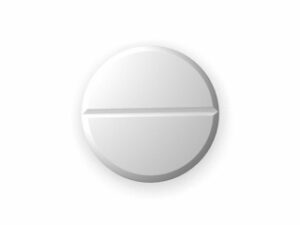
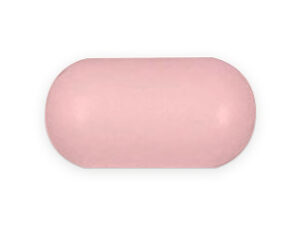
| Form | Oral tablets (strength varies by product) |
| How it is usually taken | Once daily, often starting with a low dose and increasing gradually |
Note: Always follow your clinician’s dosing instructions and the directions on the product label.
How terazosin works (mechanism of action)
Terazosin blocks alpha-1 receptors found mainly in smooth muscle. Two important areas affected are:
- The prostate and bladder neck: Relaxation of smooth muscle can reduce resistance to urine flow, helping symptoms such as weak stream, difficulty starting urination, and frequent urination.
- Blood vessels: Relaxation of blood vessel smooth muscle can lower systemic blood pressure.
Because it relaxes muscles and can dilate blood vessels, terazosin may cause dizziness, especially soon after starting or increasing the dose.
Pharmacokinetics (how the body handles terazosin)
Pharmacokinetics describes the journey of a medicine through the body: absorption, distribution, metabolism, and elimination.
- Absorption: Terazosin is absorbed after oral dosing. Taking it consistently as directed helps maintain predictable effects.
- Onset: Symptom improvement may start within hours, but meaningful changes for urinary symptoms and blood pressure may take days to weeks, depending on the condition and dose adjustment.
- Distribution: It distributes into body tissues; binding to proteins may occur.
- Metabolism: Terazosin is metabolised mainly in the liver.
- Elimination: It is eliminated from the body through metabolic pathways and excretion. The medicine has a duration of action that supports once-daily dosing for many people.
Kidney function: While kidney impairment is important to consider for overall safety, terazosin is primarily handled via liver metabolism. Your prescriber may still adjust dosing based on your overall health and other medicines.
Typical uses and indications
Terazosin is commonly used for the following conditions:
- Benign prostatic hyperplasia (BPH): Helps relieve lower urinary tract symptoms (LUTS) such as weak urine stream, difficulty starting urination, frequent urination (especially at night), and feeling of incomplete bladder emptying.
- Hypertension (high blood pressure): In some people, terazosin may be used as part of blood pressure management. Its role may be limited depending on clinical preference and other available therapies.
Your treatment plan depends on your symptoms, blood pressure readings, and any other medical conditions or medications you use.
When to take terazosin (timing)
Many people are advised to take terazosin once daily. The timing may be influenced by the dose and your risk of dizziness or low blood pressure.
Common practical approach:
- First dose or after a dose increase: It is common to take the first dose (and sometimes each new higher dose) at bedtime to reduce the chance of falling due to dizziness.
- Ongoing dosing: Many people can take it at the same time each day, usually in the evening if dizziness occurs.
Consistency matters: Try to take terazosin at about the same time each day. If you miss a dose, follow the instructions on the label or seek advice from your pharmacist.
Food interactions
Food can affect the absorption rate of some medicines. With terazosin, food may slightly influence how quickly you feel effects, but it does not usually eliminate its overall benefit.
Patient-friendly guidance:
- Choose a routine that is easy to maintain (e.g., with or without food at the same time each day).
- If you notice more dizziness on an empty stomach or when meals are skipped, consider taking it after food (unless your product instructions advise otherwise).
If you have a history of sensitivity to foods or digestive issues, discuss your routine with your pharmacist.
Alcohol and medicine interactions
Alcohol
Alcohol can increase the likelihood of low blood pressure and dizziness when taking medicines like terazosin.
- It’s best to limit alcohol until you know how terazosin affects you.
- Be especially cautious when starting or after a dose increase.
Other medicines (common interaction themes)
Terazosin can have additive effects on blood pressure when combined with other agents that lower blood pressure or affect the vascular system. Important interaction categories include:
- Other blood pressure-lowering medicines (e.g., ACE inhibitors, ARBs, beta-blockers, diuretics, calcium channel blockers): may increase risk of dizziness or hypotension.
- Other alpha blockers or medicines with similar effects: can further reduce blood pressure.
- Phosphodiesterase type 5 (PDE5) inhibitors used for erectile dysfunction (e.g., sildenafil, tadalafil, vardenafil): can increase the chance of symptomatic low blood pressure in some people, particularly if doses are not carefully timed or adjusted.
- Nitrates: combined use may increase risk of significant blood pressure lowering.
Always tell your pharmacist about all medicines you take, including over-the-counter products and supplements.
How dosing is usually done (typical dosing approach)
Dosing for terazosin is individualised. Many regimens involve starting low and increasing gradually to reduce adverse effects, particularly the risk of first-dose hypotension (a significant drop in blood pressure after the first dose).
Important: The exact starting dose and increase schedule can vary by product strength and your condition. Use your prescribed directions and product label.
Typical titration principles
- Start low: The first dose is often the lowest available dose.
- Increase gradually: Your clinician may increase the dose at intervals to improve symptom control while monitoring side effects.
- Once daily: Most people take terazosin once per day.
- Adjust for tolerability: If dizziness or low blood pressure occurs, the dose may be reduced or increased more slowly.
Dosing for BPH/LUTS (general overview)
For urinary symptoms from BPH, terazosin is usually titrated based on symptom response and tolerability. Many patients do not achieve full benefit immediately and require dose adjustments over time.
Dosing for blood pressure (general overview)
When used for hypertension, titration is guided by your blood pressure readings and the presence of side effects.
Missed dose tip: If you miss a dose, do not “double up.” Seek advice on what to do next, especially after missed doses early in treatment or following dose changes.
Safety profile and side effects
Terazosin is generally well tolerated when started carefully and increased gradually. However, as with all medicines, side effects can occur. Some are more likely at the beginning of treatment or after dose increases.
Common side effects
- Dizziness (especially when standing up)
- Headache
- Low blood pressure (including orthostatic hypotension—blood pressure drops on standing)
- Feeling tired or weak
- Swelling of the lower limbs (peripheral oedema)
Less common but important effects
- Fainting or near-fainting due to blood pressure drop
- Palpitations (awareness of heartbeat)
- Fluid retention in some people
- Breast tenderness/enlargement in rare cases
Seek urgent medical advice if you experience
- Severe dizziness, fainting, or falls
- Chest pain, severe shortness of breath, or signs of an allergic reaction such as facial swelling, rash, or difficulty breathing
Practical use tips (how to take terazosin safely)
- Be cautious when standing: Stand up slowly from sitting or lying down, especially during the first weeks.
- First-dose awareness: Dizziness is more likely after starting or increasing dose. Consider taking your dose at bedtime as directed.
- Stay hydrated: Dehydration can worsen dizziness and low blood pressure.
- Check your blood pressure if advised: If you monitor blood pressure at home, follow your plan and record readings—especially after dose changes.
- Tell other healthcare providers: Mention you take terazosin before any planned eye surgery or procedures (see below).
- Driving and machinery: Avoid driving or operating machinery if you feel dizzy.
Eye surgery warning (Intraoperative Floppy Iris Syndrome)
Alpha-1 blockers, including terazosin, have been associated with a complication during cataract and some other eye surgeries called Intraoperative Floppy Iris Syndrome (IFIS). This can make eye procedures more challenging.
Action: If you are taking terazosin and have a cataract surgery planned, tell your eye surgeon well in advance. They may adjust the surgical plan and discuss whether any medication changes are needed.
Alternative options for BPH/LUTS and/or blood pressure
Depending on your symptoms and medical history, other treatment options may include:
For BPH/LUTS (urinary symptoms)
- Other alpha blockers (e.g., tamsulosin, alfuzosin, doxazosin): similar symptom-relieving effect, sometimes with different side effect profiles.
- 5-alpha-reductase inhibitors (e.g., finasteride, dutasteride): reduce the size of the prostate over time; typically slower onset than alpha blockers.
- Combination therapy: In some patients, clinicians may use an alpha blocker plus a 5-alpha-reductase inhibitor for better long-term control.
- Non-medicine options: Lifestyle measures, bladder training, and certain procedures may be considered based on severity.
For blood pressure
- Many other medicines exist (such as ACE inhibitors, ARBs, calcium channel blockers, diuretics, and others), selected based on your health profile and side effects.
Important: Don’t switch or stop terazosin without medical advice. If you’re considering alternatives, discuss benefits and risks with your pharmacist or clinician.
Market and legal context for Australia
In Australia, medicines are regulated under the Therapeutic Goods Administration (TGA) and medicines may be subject to different scheduling rules (e.g., prescription-only or other categories). Availability through pharmacy services can differ depending on the product, strength, and local dispensing requirements.
Online pharmacies in Australia typically provide information about the correct use of medicines, delivery options, and secure dispensing processes that comply with Australian regulations.
Always verify product details: Brand names and available strengths can vary. Ensure the medication you receive matches the stated generic name and strength on your order and label.
Recent guidance and clinical considerations
In clinical practice, guidance for alpha blockers commonly emphasises:
- Starting with a low dose and gradual titration to reduce risk of dizziness and orthostatic hypotension.
- First-dose precautions such as considering bedtime dosing.
- Awareness for eye surgery due to the risk of IFIS during cataract procedures.
- Review of interacting medicines, including PDE5 inhibitors used for erectile dysfunction and other blood pressure-lowering therapies.
- Regular monitoring for blood pressure and symptom improvement, adjusting therapy as needed.
Recommendations can evolve as new safety data and clinical practice updates become available. Your pharmacist is a good source of current local product and safety information.
Delivery and availability (Australia)
Availability may vary by region and stock levels. Many online pharmacies in Australia can supply terazosin through established dispensing services.
Delivery considerations:
- Processing time: Orders typically require confirmation/dispensing before dispatch.
- Shipping speed: Delivery time depends on your location and chosen shipping method.
- Cold chain: Terazosin tablets generally do not require refrigeration.
To help ensure a smooth delivery, place your order early, check address details, and keep an eye on tracking information if it is provided.
FAQ – Frequently asked questions about terazosin
1) What conditions is terazosin used for?
Terazosin is used mainly to treat urinary symptoms related to benign prostatic hyperplasia (BPH). In some cases, it may also be used for blood pressure control.
2) How long does it take to work?
Some people notice effects on urinary symptoms within the first days, but it can take several weeks and dose adjustments to achieve the best benefit. Blood pressure effects may appear sooner, especially after starting or dose changes.
3) Why am I told to start on a low dose?
Starting low reduces the chance of significant dizziness or low blood pressure, which can be more common at the beginning of treatment or after increasing the dose.
4) Can I take terazosin with food?
Terazosin can usually be taken with or without food. If you notice dizziness, taking it with food may feel better for some people. Follow your label instructions or pharmacist advice.
5) What should I do if I feel dizzy after taking a dose?
Sit or lie down immediately. Avoid sudden standing. If dizziness is severe, you faint, or you feel unwell, seek medical advice promptly. Also contact your pharmacist to review your dosing schedule.
6) Can I drink alcohol while taking terazosin?
Alcohol may increase dizziness and the risk of low blood pressure. Limit alcohol and be cautious—especially when starting or after increasing your dose.
7) Is there an interaction with erectile dysfunction medicines?
Some erectile dysfunction medicines (PDE5 inhibitors) can lower blood pressure further when used with alpha blockers. Timing and dose adjustment may be important to reduce the risk of symptomatic hypotension. Discuss this with your pharmacist.
8) What about cataract surgery—should I stop terazosin?
Do not stop terazosin on your own. Inform your eye surgeon that you take terazosin before cataract surgery, as special precautions may be needed due to IFIS.
9) What if I miss a dose?
Check the instructions on your medicine label or ask your pharmacist for guidance. In general, do not take extra doses to “catch up,” particularly after missed doses early in treatment or after dose changes.
10) Who should be extra cautious with terazosin?
You may need extra monitoring if you have low blood pressure, are elderly/frail, take multiple blood pressure-lowering medicines, have significant cardiovascular conditions, or are starting therapy while also using interacting medications.
Summary
Terazosin hydrochloride is an alpha-1 blocker that helps relax smooth muscle in the prostate and bladder neck, improving urinary flow in BPH, and it can also lower blood pressure by relaxing blood vessels. Because it may cause dizziness—especially when starting or increasing the dose—careful titration and first-dose precautions (often taking at bedtime) are key. Always check interactions, limit alcohol, and inform healthcare providers about terazosin before eye surgery.
If you have questions about your specific dose, side effects, or interactions with other medicines, your pharmacist can help you understand how to use terazosin safely.