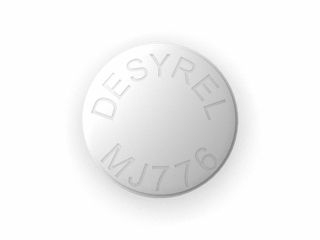


Ticlopidine (Ticlid® and other brands) — Patient-Friendly Guide (Australia)
This page provides clear, practical information about ticlopidine—a medicine used to help reduce the risk of certain blood clotting events. It explains how the medicine works, how it behaves in the body, when it is typically taken, what interactions to watch for, and important safety information. Always follow the directions provided with your medicine and discuss any concerns with a healthcare professional.
Note: Brand names may vary by supplier. In Australia, ticlopidine is an older antiplatelet medicine and may be used under specific clinical circumstances.
Basic product information
| Item | Details |
|---|---|
| Medicine name | Ticlopidine |
| Medicine type | Antiplatelet (inhibits blood clotting by reducing platelet activation) |
| Common purpose | Helps prevent arterial thrombosis (blood clots in arteries) in selected conditions |
| Dosage form | Usually oral tablets (strengths vary by brand) |
| How it’s taken | By mouth, typically 2 times daily (timing depends on your plan) |
| Availability | Availability can vary by brand and stock; suppliers may require ordering |
How ticlopidine works (mechanism of action)
Ticlopidine is an antiplatelet medicine. Platelets are blood cells that form clots to stop bleeding. In conditions where platelets are overly “sticky,” unwanted clots can form in arteries, potentially leading to events such as stroke or complications related to narrowed or blocked arteries.
Ticlopidine works by reducing platelet aggregation—meaning platelets are less likely to clump together and form a clot. It does this through effects on platelet function (particularly via pathways that involve the platelet activation process).
Because it targets platelet behaviour, ticlopidine can increase bleeding tendency in some people—this is why safety monitoring and correct use are important.
Pharmacokinetics (what the body does to ticlopidine)
Pharmacokinetics describes absorption, metabolism, and elimination—how your body handles the medicine.
Absorption
Ticlopidine is absorbed after oral dosing. Peak effects on platelet function may take some time to develop because ticlopidine is metabolised in the body.
Metabolism
Ticlopidine is extensively metabolised by the liver. It is important to consider liver health and any history of liver-related reactions when using antiplatelet medicines with hepatic metabolism.
Onset of action
Antiplatelet effects generally occur after dosing begins, but the full clinical effect may take days rather than hours.
Elimination
Metabolites are eliminated primarily via the body’s usual clearance routes (commonly through the kidneys). Your healthcare provider may adjust monitoring or consider other factors if you have impaired kidney function.
Special populations
- Older adults: may be more susceptible to bleeding, so monitoring and dose appropriateness matter.
- Liver impairment: use requires caution due to hepatic metabolism and rare serious blood and liver effects reported with this medicine class.
- Kidney impairment: clinicians may consider closer monitoring and individual risk/benefit.
Typical use (what ticlopidine is for)
Ticlopidine is used as an antiplatelet medicine to help prevent arterial thrombotic events in certain patients who are at risk. It may be considered when an antiplatelet effect is needed and for specific clinical situations where other options are unsuitable.
Your treatment plan should be tailored to your condition, medical history, and bleeding risk.
Indications (when ticlopidine may be used)
Indications can vary depending on jurisdiction, product availability, and clinical guidelines. Commonly, ticlopidine has been used for:
- Prevention of thrombotic events related to arterial disease (for example, after certain vascular events as determined by your clinician).
- Alternatives when other antiplatelet agents are not suitable (for example, based on tolerance, effectiveness, or specific patient factors).
If you are unsure why ticlopidine was chosen for you, ask your doctor or pharmacist. They can explain how it fits into your overall cardiovascular or vascular risk plan.
Dosing and timing
Dosing must be individual. The information below is general and should be confirmed against your specific medicine label and clinician instructions.
Common dosing pattern
- Typical adult schedule: often taken twice daily (e.g., morning and evening) with roughly equal spacing.
When to start
Start at the time and frequency specified for you. Antiplatelet effects develop over days, so consistent daily dosing is important.
Missed dose
- If you miss a dose, take it as soon as you remember on the same day.
- If it is close to the next dose, skip the missed dose and continue with your regular schedule.
- Do not double up to make up for a missed dose.
How long to take
The duration depends on your risk profile and the reason for treatment. Do not stop or change the medicine without advice.
Food interactions: can you take ticlopidine with meals?
Ticlopidine can usually be taken with or without food. However, practical consistency is important.
- Stomach comfort: if you experience nausea or stomach upset, taking it with food may help.
- Consistent routine: try to take each dose the same way day-to-day (with or without food) unless your clinician advises otherwise.
If your pharmacy label provides instructions (such as taking with food), follow those directions.
Alcohol interactions
Alcohol does not have a specific direct interaction with ticlopidine in the way some medicines do, but it can still affect your safety.
- Increased bleeding risk: alcohol can irritate the stomach lining and increase risk of bleeding, especially when combined with antiplatelet effects.
- Fall risk: alcohol may increase the likelihood of injuries, which can become more serious when bleeding risk is higher.
If you drink alcohol, consider limiting intake and seek medical advice for a personalised recommendation based on your bleeding risk and overall health.
Medicine interactions (important)
Ticlopidine may interact with other medicines that affect bleeding or liver function. Tell your pharmacist about all medicines you take, including over-the-counter products and supplements.
Common interaction concerns
- Other antiplatelet medicines: combining with medicines that also inhibit platelet function can increase bleeding risk.
- Anticoagulants (blood thinners): combining can substantially increase bleeding risk.
- Non-steroidal anti-inflammatory drugs (NSAIDs): such as ibuprofen or naproxen (used for pain or inflammation) may increase bleeding risk, especially with long-term or high-dose use.
- Aspirin: some combinations may be used under supervision, but bleeding risk can increase.
- Medicines that affect liver enzymes: because ticlopidine is metabolised in the liver, some drugs may affect its metabolism. Your clinician may consider this if you take multiple medications.
- Drugs associated with blood count changes: combining with other agents that affect blood cells may increase risk.
What to do
- Keep an up-to-date list of your medicines.
- Check with a pharmacist before starting new pain relief or cold/flu products.
- Seek advice if you are prescribed an additional blood-thinning or anti-inflammatory medicine.
Safety profile and side effects
Like all medicines, ticlopidine can cause side effects. Some are mild, but others require prompt medical attention. This medicine is associated with rare but serious blood and liver-related complications, which is why monitoring may be important.
Common side effects
- Digestive symptoms: nausea, diarrhoea, stomach discomfort
- Rash or skin reactions (in some people)
- Headache or dizziness
- Minor bruising or increased bleeding from cuts
Serious warning signs (seek medical help urgently)
Contact a healthcare professional or emergency services promptly if you experience any of the following:
- Unusual or heavy bleeding: bleeding that won’t stop, coughing/vomiting blood, black/tarry stools, blood in urine, or unexpected severe bruising
- Signs of infection or blood count problems: fever, persistent sore throat, mouth ulcers, or severe fatigue
- Symptoms that may suggest liver problems: yellowing of the skin or eyes (jaundice), dark urine, severe or persistent upper abdominal pain, or significant unexplained itching
- Severe allergic reactions: facial swelling, difficulty breathing, or widespread rash with swelling
Why monitoring may be recommended
Because ticlopidine can, in rare cases, affect blood cell counts and the liver, clinicians may arrange blood tests at intervals—especially during the early phase of treatment or if symptoms develop.
Bleeding precautions
- Use a soft toothbrush and be gentle when flossing.
- Avoid unnecessary injury where possible.
- Inform healthcare professionals (including dentists) that you take ticlopidine before procedures.
Practical use tips (making ticlopidine easier and safer to take)
- Set reminders: since it’s often taken twice daily, reminders can help you avoid missed doses.
- Take consistently: aim for similar times each day.
- Track bleeding symptoms: note any bruising, nosebleeds, bleeding gums, or unusual symptoms and tell your clinician.
- Know what “normal” looks like for you: if you suddenly experience a change in bleeding pattern, report it.
- Be cautious with pain medicines: ask your pharmacist what is safest for headaches, sprains, or fever.
- Carry medication info: consider keeping a card or note listing your medicines and allergies.
What to do before surgery or dental work
Because ticlopidine can increase bleeding risk, it’s important to plan ahead for procedures. Your clinician will advise whether and when to pause treatment. Do not stop on your own.
- Tell your dentist or surgeon that you’re taking ticlopidine.
- Allow enough time for planning—especially for planned surgery.
- Ask about bleeding management strategies.
Alternative options (other antiplatelet strategies)
If ticlopidine isn’t suitable, clinicians may consider other antiplatelet medicines or different approaches depending on your condition and risk factors. Alternatives may include:
- Aspirin (where appropriate)
- Clopidogrel
- Prasugrel (in select settings)
- Ticagrelor (in select settings)
- Combination strategies (for example, short-term dual antiplatelet therapy) when clinically indicated
Which option is best depends on your medical history, bleeding risk, the condition being treated, and other medicines you take. Discuss alternatives with your healthcare professional.
Market & legal context for Australia (what to expect when buying)
In Australia, access to medicines depends on their regulatory classification. Antiplatelet medicines are generally subject to health professional oversight, and supply may require appropriate identification and medication review processes.
- Online pharmacy availability: stock and brand supply can vary. Some products may be ordered in and delivered when available.
- Medication safety: reputable pharmacies will typically confirm that the medicine is appropriate for you based on provided details and local requirements.
- Information accuracy: always check the product strength, brand name, and directions on the package you receive.
If you’re looking specifically for ticlopidine, ask your pharmacy about current availability and expected delivery timelines.
Recent guidance and clinical monitoring (general update themes)
While recommendations evolve, recent clinical practice across antiplatelet therapy often emphasises:
- Individual bleeding risk assessment before choosing an antiplatelet regimen
- Appropriate duration for antiplatelet therapy based on the underlying condition
- Monitoring when using medicines with known rare but serious safety concerns
- Patient education about warning signs (unusual bleeding, infection, liver symptoms)
Your prescriber may schedule blood tests and follow-up visits—particularly during early therapy or if symptoms occur.
Delivery and availability (online pharmacy considerations)
Delivery availability varies by supplier and location. When ordering ticlopidine online, you can generally expect:
- Verification steps: pharmacies may confirm information to ensure safe supply.
- Packaging and labelling: your order should include clear dosing instructions and product information.
- Delivery timeframes: local delivery is often faster for in-stock items; special orders may take longer.
- Storage guidance: store tablets according to the label (commonly at room temperature away from moisture and heat).
If you need the medicine urgently, contact the pharmacy to confirm stock status and dispatch times.
Storage, handling, and disposal
- Store in a cool, dry place as directed on the packaging.
- Keep out of reach of children.
- Do not use if the expiry date has passed.
- Disposal: follow local guidance on medication disposal. Many pharmacies accept unused medicines for safe disposal.
FAQ
1. Is ticlopidine the same as aspirin?
No. Both can affect platelet function, but they work differently and are used in different clinical situations. Do not substitute one for the other without medical advice.
2. How quickly does ticlopidine start working?
Antiplatelet effects develop over time after starting. The full effect is not necessarily immediate; consistent daily dosing helps achieve intended benefits.
3. What should I do if I notice more bruising than usual?
Mild bruising can occur with antiplatelet medicines. However, if bruising is severe, spreading, or accompanied by other bleeding (gum bleeding, nosebleeds, blood in urine or stools), contact a healthcare professional promptly.
4. Can I take ticlopidine with food?
Usually yes. If it upsets your stomach, taking it with food may improve comfort. Try to take doses consistently each day.
5. Are there foods that interact with ticlopidine?
Food interactions are generally less prominent than medicine-to-medicine interactions. If your pharmacist advises specific dietary measures for your situation, follow those recommendations.
6. Can I drink alcohol while taking ticlopidine?
Alcohol may increase bleeding risk or irritate the stomach. If you choose to drink, keep it limited and seek advice if you have a history of ulcers, bleeding problems, or other risk factors.
7. What pain relief is safest?
Many over-the-counter pain medicines can increase bleeding risk when combined with antiplatelet therapy. Ask your pharmacist what is safest for you, especially if you regularly need pain relief.
8. Do I need blood tests?
Monitoring is often considered for medicines with rare but serious effects on blood counts and liver function. Your clinician will decide what tests are appropriate and when.
9. What are the emergency signs I shouldn’t ignore?
Seek urgent help if you have heavy or uncontrolled bleeding, signs of serious infection (such as fever with significant illness), jaundice (yellow skin/eyes), dark urine with other symptoms, or symptoms of a severe allergic reaction.
10. What if I’m scheduled for a procedure?
Tell your dentist or surgeon you’re taking ticlopidine. Treatment decisions for procedures should be made by your healthcare team, not by you alone.
Summary
Ticlopidine is an antiplatelet medicine used to reduce the risk of certain arterial clotting events. It works by decreasing platelet aggregation, which can help lower clot formation but may also increase bleeding risk. Because ticlopidine can rarely affect blood counts and the liver, appropriate monitoring and attention to warning signs are important. If you have questions about dosing timing, missed doses, interactions (especially with other blood-thinning medicines or NSAIDs), or safety concerns, speak with your pharmacist or clinician.