

Antabuse (Disulfiram) – Patient Guide (Australia)
Antabuse contains disulfiram, a medicine used to support treatment for people with alcohol dependence. It works by causing an unpleasant reaction when alcohol is consumed, helping reduce the urge to drink and reinforcing abstinence.
This guide explains what Antabuse is, how it works, how it’s taken, common interactions (especially with alcohol), and practical safety advice. It is written for people considering or currently using disulfiram and for carers/supporters who want to understand how to use it safely.
Quick Facts
- Active ingredient: Disulfiram
- Common brand: Antabuse
- How it helps: Creates an aversive reaction to alcohol by blocking alcohol breakdown
- Key warning: Even small amounts of alcohol can trigger flushing, nausea, vomiting and other symptoms
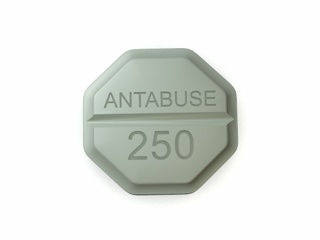
- Typical form: Tablet (strengths vary by product)
What is Antabuse?
Antabuse (disulfiram) is an alcohol-sensitising medicine. Unlike medicines that reduce cravings or withdrawal symptoms, disulfiram is designed to punish alcohol consumption indirectly, making drinking very uncomfortable and therefore less likely.
Disulfiram is most effective when used as part of a structured treatment plan that includes behavioural support, counselling and monitoring.
Indications (What Antabuse is used for)
In Australia, disulfiram is used to help treat alcohol dependence in people who are motivated to remain abstinent. It may be considered when:
- You have a goal of complete alcohol abstinence
- You understand and accept the risk of a disulfiram–alcohol reaction
- You have support to take tablets consistently and avoid alcohol-containing products
Disulfiram is generally not used as a stand-alone treatment. It is typically paired with ongoing care such as counselling and relapse prevention planning.
How Antabuse Works (Mechanism of Action)
Normally, the body breaks down alcohol (ethanol) in steps:
- Step 1: Ethanol is converted into acetaldehyde
- Step 2: Acetaldehyde is then converted into a less harmful substance by an enzyme called aldehyde dehydrogenase
Disulfiram works by inhibiting aldehyde dehydrogenase. When alcohol is consumed while taking disulfiram, acetaldehyde builds up in the body. This leads to the characteristic disulfiram–alcohol reaction, which may include intense flushing, nausea, vomiting, headache and low blood pressure.
Because the reaction is so unpleasant, disulfiram is intended to strongly discourage any alcohol intake.
Pharmacokinetics (How the Body Handles Disulfiram)
Pharmacokinetics describes how a medicine is absorbed, processed and eliminated.
Absorption
After oral dosing, disulfiram is absorbed from the gastrointestinal tract. Food may affect absorption, but the main priority is consistent dosing and avoiding alcohol exposure.
Metabolism and active components
Disulfiram is metabolised in the body to active metabolites that interfere with alcohol metabolism. The effects can persist because these metabolites may remain in the body for some time.
Onset and duration of effect
- Onset: The disulfiram–alcohol reaction risk can develop after starting therapy, particularly once drug levels are established.
- Persistence: The medicine’s effect can last after stopping—so alcohol should be avoided for a period even if doses are missed or discontinued.
Practical takeaway: Always treat disulfiram as an ongoing “alcohol blocker” while taking it and for the advised period after stopping. If you are unsure, ask your healthcare professional.
Typical Use and Treatment Approach
Antabuse is typically used with the following goals:
- Abstinence support: Helps prevent relapse by making alcohol consumption extremely unpleasant
- Accountability: Some people benefit from supervised or monitored dosing
- Relapse plan: Encourages structured relapse prevention strategies
It’s important to remember that disulfiram works only when alcohol is present. Avoiding alcohol entirely is essential.
How and When to Take Antabuse (Dosing & Timing)
Dosing should be individualised. Your clinician will decide the dose and schedule based on your medical history, liver function, and support system.
Common dosing pattern (general guidance)
Many treatment protocols involve a loading period followed by a maintenance dose. However, exact dosing depends on your situation and local product instructions.
- Initial period: Daily dosing may be used to achieve a sustained effect
- Maintenance: Once stable, a lower dose or reduced schedule may be used in some people
Timing tips
- Take at the same time each day to maintain consistent coverage.
- If you miss a dose, do not try to “double up.” Instead, follow the advice given by your healthcare professional or the product information.
- Plan ahead for situations where alcohol may be present (social events, cooking, workplace events, celebrations).
Important: Do not start Antabuse until you have discussed how long you should be alcohol-free beforehand. Starting while alcohol is still in the body may increase the risk of an intense reaction.
Alcohol and Food Interactions (Very Important)
Alcohol in any form
Avoid alcohol completely. Disulfiram can cause a reaction even with small amounts of alcohol.
Alcohol may be found in:
- Beer, wine, spirits and cocktails
- Alcopops and alcoholic “low alcohol” drinks
- Cooking wines, sauces, marinades and vinegars (check ingredients)
- Mouthwash and breath sprays that contain alcohol
- Aftershaves, perfumes or medicinal preparations that contain alcohol
- Some herbal products, tonics or “natural” liquids that contain alcohol
Food labels: In Australia, ingredients may list alcohol or include “ethanol,” “ethyl alcohol,” “spirit,” or “contains alcohol.” When in doubt, choose an alcohol-free alternative.
Food and drink timing
Meals do not “cancel out” the effect of disulfiram. Avoid alcohol-containing foods and beverages regardless of when you eat.
If you consume a product that unexpectedly contains alcohol and you develop symptoms (flushing, nausea, vomiting, sweating, dizziness), treat this as a possible disulfiram–alcohol reaction.
Disulfiram and Medicine Interactions
Disulfiram has important interactions. The most critical is any exposure to alcohol. Some medicines may also increase risks or affect disulfiram metabolism.
High-risk medicines/agents (examples)
- Medicines containing alcohol (e.g., certain cough syrups or elixirs)
- Products with ethanol as an excipient (ethanol is sometimes used in liquid formulations)
- Metronidazole (may increase risk of adverse reactions if used together)
- Some antidepressants and other centrally acting medicines (requires individual assessment)
Always check:
- The ingredient list for ethanol/alcohol
- Whether a product is a “liquid” medicine that may contain alcohol
- Any new medication, including antibiotics, antifungals, pain medicines, and herbal supplements
Dental and topical products
Alcohol-containing products used in the mouth or on the skin may pose risk:
- Mouthwash containing alcohol
- Some topical preparations that contain alcohol
Ask your pharmacist for alcohol-free alternatives where appropriate.
Signs of a Disulfiram–Alcohol Reaction
If alcohol is consumed while taking disulfiram, symptoms can occur within minutes to hours. The exact timing and intensity vary.
Common symptoms include:
- Facial flushing and warmth
- Nausea and vomiting
- Headache and throbbing
- Abdominal cramps
- Chest tightness or shortness of breath
- Dizziness, weakness
- Low blood pressure (may cause fainting)
- Palpitations
Seek urgent medical help if:
- You faint, have severe dizziness or confusion
- You have chest pain or severe shortness of breath
- You have persistent vomiting or cannot keep fluids down
- Symptoms are severe or rapidly worsening
Safety Profile and Precautions
Who needs extra caution?
Disulfiram may not be suitable for everyone. Extra care is needed if you have:
- Liver disease or abnormal liver function tests
- Heart disease or conditions associated with low blood pressure
- Diabetes (some people require monitoring because reactions can affect wellbeing)
- Neurological conditions or a history of nerve disorders
- Psychiatric conditions (ensure careful monitoring and support)
Common side effects
Side effects vary between individuals. Some may include:
- Sleepiness or tiredness
- Headache
- Metallic taste
- Nausea
- Skin rash
Serious adverse effects (seek medical advice promptly)
- Liver problems (symptoms may include yellowing of the skin/eyes, dark urine, persistent nausea, unusual fatigue)
- Severe rash or signs of allergy
- Severe mood or behaviour changes
- Neuropathy (tingling, numbness, burning pain in hands/feet)
Pregnancy and breastfeeding
If you are pregnant, planning pregnancy, or breastfeeding, discuss risks and benefits with a healthcare professional. Safety data and recommendations depend on individual circumstances.
Practical Use Tips (Getting the Best and Safest Results)
Before starting
- Be alcohol-free: Follow your clinician’s advice on how long you should be abstinent before starting.
- Tell your care team: Share all medicines and supplements, including mouthwashes and liquid products.
- Choose alcohol-free alternatives: Plan ahead for mouth care and personal care products.
During treatment
- Take tablets daily as instructed and don’t stop without advice.
- Check labels: Always read ingredients for sauces, vinegars, flavourings, tonics and cough remedies.
- Inform friends/family: Let supportive people know about the reaction risk so they can help you avoid accidental exposure.
- Keep an “interaction list”: Have a note of what to avoid (including alcohol-containing medicines/products).
If you accidentally consume alcohol
- Stop drinking immediately.
- Monitor symptoms closely.
- If symptoms are severe, call emergency services or seek urgent medical care.
- Contact a healthcare professional for advice—especially if any medicine was also involved.
Alternative Options
If disulfiram is not suitable, or if you prefer a different approach, there are other ways to support alcohol dependence. Availability and suitability depend on your medical history.
Common categories of alternatives
- Craving-reducing medicines (used to reduce urges and help maintain abstinence)
- Medicines that assist with withdrawal management (commonly in supervised settings)
- Psychological therapies and structured counselling (relapse prevention, motivational support)
- Peer support programs (community-based recovery support)
Your healthcare team can help compare options based on:
- Your goals (abstinence vs reduction)
- Any co-existing conditions (liver, heart, mental health)
- Previous responses to treatment
- Support and monitoring needs
Market & Legal Context for Australia (Overview)
In Australia, medicines are regulated by the Therapeutic Goods Administration (TGA). Products like Antabuse/disulfiram are supplied through the medicines regulatory and dispensing systems in line with scheduling, prescribing requirements and safety controls.
Pharmacies and healthcare services follow Australian standards for supply, labelling, consumer information, and patient safety. For online purchasing, delivery is generally available within Australia, subject to product availability and compliance requirements.
Recent guidance and safety updates: Local recommendations can change over time. Always rely on the latest information from your pharmacist or healthcare professional, and consult the product consumer medicines information (CMI) document provided with the medicine.
Delivery and Availability (Online Pharmacy)
Antabuse/disulfiram availability can vary by brand and strength. Our online pharmacy may offer:
- Secure packaging with temperature-appropriate handling (where relevant)
- Delivery within Australia where permitted
- Clear product labelling and consumer information sheets
Delivery times depend on location and stock levels. You can usually check estimated delivery at checkout. If the product is temporarily unavailable, the pharmacy may contact you with alternatives or restock timing.
Tip: Allow time for delivery if you are planning to start treatment. Do not begin without confirming the correct dosing schedule and alcohol-free start period with your healthcare professional.
FAQ – Antabuse (Disulfiram)
1) Can I drink alcohol while taking Antabuse?
No. Antabuse is intended to support abstinence by triggering an unpleasant reaction if alcohol is consumed. Avoid alcohol completely, including beverages and alcohol-containing foods and medicines.
2) What about “small” amounts of alcohol?
Even small amounts may cause symptoms. Alcohol can be present in some foods, sauces, vinegars, mouthwash and liquid medicines. Check ingredients carefully and choose alcohol-free alternatives whenever possible.
3) How long does the alcohol reaction last?
The duration varies with the amount of alcohol consumed, individual metabolism, and timing. Symptoms may last for several hours. Seek urgent medical help if symptoms are severe or not settling.
4) What if I accidentally use mouthwash containing alcohol?
Rinse and spit carefully and avoid swallowing. If you develop symptoms, contact a healthcare professional for advice. Prefer alcohol-free mouthwash during treatment.
5) Can I take Antabuse with other medicines?
Many medicines can be taken safely, but interactions can occur—particularly with products that contain alcohol or certain antibiotics. Tell your pharmacist about all medicines and supplements so they can check for interactions.
6) What side effects should I watch for?
Common effects may include tiredness, headache or nausea. Seek medical help promptly for signs of liver problems (jaundice, dark urine), severe rash, severe mood changes, or numbness/tingling in the hands/feet.
7) Do I need liver function monitoring?
Monitoring may be recommended, especially if you have known liver risk factors or develop symptoms suggesting liver issues. Ask your clinician for a monitoring plan.
8) Can I stop Antabuse suddenly?
Do not stop without advice. The body may retain active metabolites, and the alcohol reaction risk can persist for some time after stopping. Your clinician will advise on safe timing.
9) Is Antabuse the only medicine for alcohol dependence?
No. Alternatives exist, including medicines that reduce cravings or help manage withdrawal, plus counselling and structured support. Suitability depends on your goals and health profile.
10) How do I store Antabuse?
Store tablets as directed on the pack (typically at room temperature, in a dry place, and out of reach of children). Keep the packaging for reference.
Summary
Antabuse (disulfiram) supports alcohol abstinence by blocking the body’s ability to process alcohol normally. This causes an unpleasant reaction if alcohol is consumed, making drinking less likely. Because disulfiram interacts strongly with alcohol—including alcohol in foods, mouth products and some medicines—careful avoidance and label checking are essential.
If you are planning to start or already use Antabuse, discuss a clear plan with your healthcare professional, including safe start timing, monitoring needs, and what to do if accidental alcohol exposure occurs.
| Topic | What to Remember |
|---|---|
| Core purpose | Supports alcohol abstinence by causing a reaction if alcohol is consumed. |
| Mechanism | Inhibits aldehyde dehydrogenase → acetaldehyde accumulates → unpleasant symptoms. |
| Alcohol exposure | Avoid alcohol completely, including alcohol-containing foods, mouthwash and liquid medicines. |
| Timing | Follow the advised alcohol-free start period; effects may persist after stopping. |
| Major safety concern | Disulfiram–alcohol reaction (flushing, nausea/vomiting, dizziness, low blood pressure). |
| When to seek urgent care | Severe symptoms, fainting, chest pain, severe shortness of breath, or persistent vomiting. |