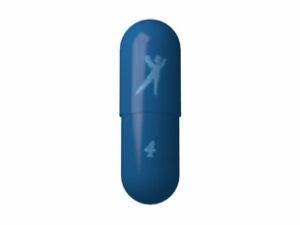
Detrol (Tolterodine) — Patient Information
Detrol is a medicine that contains tolterodine, used to treat symptoms of overactive bladder. It helps reduce unwanted bladder muscle contractions, which can lead to fewer episodes of urgency, increased frequency of urination, and urge incontinence.
This guide is designed to be easy to read and helpful. It summarises how Detrol works, typical use, timing, food and alcohol considerations, common safety points, and practical tips to get the most benefit. Always follow the directions given by your healthcare professional and the product label.
Quick product overview
| Category | Details |
|---|---|
| Active ingredient | Tolterodine |
| Medicine type | Antimuscarinic (anticholinergic) bladder relaxant |
| Common uses | Overactive bladder symptoms (urgency, frequency, urge incontinence) |
| How it’s taken | Typically by mouth, once or twice daily depending on the product formulation |
| Common effects you may notice | Reduced urgency and fewer trips to the toilet |
How Detrol works (mechanism of action)
Detrol (tolterodine) belongs to a group of medicines called antimuscarinics. These medicines block the action of acetylcholine on muscarinic receptors, which are involved in the bladder’s “overactivity.”
In overactive bladder, the bladder may contract too often or too strongly, causing:
- Urgency (a sudden, hard-to-delay need to urinate)
- Frequency (needing to pass urine more often than usual)
- Urge incontinence (leaking after a strong urge)
By reducing these contractions, tolterodine can make the bladder store urine more effectively and help you regain better bladder control.
Pharmacokinetics (how the body processes it)
Pharmacokinetics describes what happens after you take Detrol—absorption, distribution, metabolism, and elimination.
- Absorption: Tolterodine is absorbed after oral dosing. Peak levels typically occur within a few hours, depending on the formulation.
- Distribution: It distributes throughout the body and crosses into tissues including the urinary tract.
- Metabolism: Tolterodine is metabolised mainly in the liver, involving pathways including cytochrome P450 (notably CYP2D6 and related enzymes).
- Elimination: Metabolites are eliminated through the body, primarily via the kidneys and/or bile, depending on the metabolic route.
Why this matters: If you have liver or kidney impairment, your doctor may adjust the dose or choose a different approach to reduce the risk of side effects.
What it’s used for (indications)
Detrol is commonly used to treat symptoms of overactive bladder in adults, including:
- Urinary urgency
- Increased urinary frequency
- Urge incontinence
Your clinician will usually confirm that your symptoms fit overactive bladder and that other causes (for example, infection, uncontrolled diabetes, or certain medications) have been considered.
Typical dosing and timing
Important: Dosing depends on the specific Detrol product strength and whether it is an immediate-release or extended-release formulation. Always take it exactly as directed on your prescription label or product instructions.
Common dosing patterns (adults)
Clinicians may prescribe tolterodine in different dosing schedules. Typical regimens include:
- Immediate-release formulations: often taken twice daily
- Extended-release formulations: often taken once daily
When to take your dose
- Try to take it at the same time each day to maintain steady symptom control.
- If you take it twice daily, aim for an even spacing across the day (for example morning and evening).
- If taking a once-daily product, take it at a time that is easy to remember.
How soon will it work?
Some people notice improvement within the first days to a couple of weeks, while others may require several weeks to experience the full benefit. If your symptoms do not improve after an appropriate trial period, discuss this with your clinician—your dose or treatment plan may need adjustment.
Food interactions and taking with meals
Tolterodine can be taken with or without food. However, food may affect how some medicines absorb in the body.
General practical guidance:
- Choose a routine you can stick to (for example, with breakfast or after dinner).
- If you notice symptom control is inconsistent, speak with your pharmacist or clinician to check whether meal timing or formulation could be a factor.
Swallowing tips:
- Follow the specific product instructions for the exact tablet/capsule type.
- Some formulations must not be crushed or split—check the packaging or ask your pharmacist.
Alcohol considerations
Alcohol can worsen urinary symptoms for some people by increasing urine production and bladder irritation.
- If you drink alcohol, consider reducing intake and monitoring whether your urgency or frequency increases.
- Alcohol may also add to side effects such as dizziness or
If you experience troublesome side effects after combining alcohol and Detrol, it may be safer to avoid alcohol or discuss alternatives with your healthcare professional.
Medicine interactions (including prescription and over-the-counter medicines)
Detrol can interact with other medicines that affect muscarinic receptors, heart rhythm, or specific liver enzymes.
Medicines that may increase anticholinergic effects
Taking tolterodine with other anticholinergic medicines can increase the likelihood of side effects such as dry mouth, constipation, blurred vision, and confusion (especially in older adults).
- Some allergy medicines (antihistamines with anticholinergic effects)
- Some medicines for stomach cramps/spasms
- Other bladder antimuscarinics
- Some antidepressants and antipsychotics (depending on type)
Medicines affecting liver metabolism (CYP enzymes)
Because tolterodine is metabolised in the liver, medicines that strongly influence CYP enzymes may change tolterodine levels.
- Strong inhibitors of relevant enzymes may raise tolterodine levels, increasing side-effect risk.
- Inducers may lower tolterodine levels, potentially reducing effectiveness.
Your pharmacist can help check your current medicines (including supplements and “as needed” treatments) for potential interactions.
Heart rhythm considerations
Antimuscarinic medicines can, in some circumstances, affect the heart’s electrical activity. If you have a history of QT prolongation, heart rhythm disorders, or you take medicines known to affect QT, ask your clinician or pharmacist for personalised advice.
Other key points
- Be cautious with other bladder treatments used together, unless specifically advised.
- Inform your clinician about any medicines that cause constipation, urinary retention, or blurred vision.
Safety profile and side effects
Most people tolerate Detrol well, but antimuscarinics can cause predictable side effects due to reduced muscarinic activity throughout the body.
Common side effects
- Dry mouth
- Constipation
- Blurred vision
- Dizziness
- Headache
- Dry eyes or reduced tear production
Less common but important effects
- Urinary retention (difficulty passing urine)
- Confusion or drowsiness (more likely in older adults)
- Fast heartbeat or palpitations
- Worsening of glaucoma symptoms
Seek urgent medical help if
- There are signs of an allergic reaction (swelling of face/lips, difficulty breathing, rash)
- You develop severe constipation, severe abdominal pain, or inability to pass urine
- You experience fainting, severe dizziness, or significant palpitations
Who should be extra cautious?
Discuss risk carefully with a clinician before starting if you have:
- Glaucoma (especially narrow-angle glaucoma)
- Gastrointestinal obstruction or significant bowel problems
- Difficulty urinating or risk of urinary retention
- Significant liver or kidney impairment
- Concomitant medicines that increase side effects or interact
Practical tips for using Detrol effectively
Small changes can improve comfort and outcomes while on tolterodine.
Manage dry mouth
- Sip water regularly through the day.
- Choose sugar-free gum or lozenges if suitable for you.
- Maintain good oral hygiene.
Reduce constipation risk
- Increase dietary fibre and fluids where appropriate.
- Stay physically active if you can.
- If constipation occurs, talk to your pharmacist early rather than waiting.
Track bladder symptoms
A simple bladder diary for 3–7 days can help you and your clinician evaluate response. Record:
- Times you urinate
- Urgency severity (for example mild/moderate/severe)
- Any leaks (and circumstances)
- Fluid intake and alcohol/caffeine times
Use behavioural strategies alongside medication
- Bladder training (gradual timing adjustments)
- Avoid bladder irritants such as excess caffeine and carbonated drinks
- Consider pelvic floor exercises (particularly for urge incontinence)
Don’t stop abruptly without advice
If you have been taking Detrol regularly and your symptoms change, speak to your clinician. A plan may be needed to reassess symptoms and tolerability.
Alternative options for overactive bladder
Detrol (tolterodine) is one treatment option. Depending on your symptoms, medical history, and side-effect tolerance, your clinician may suggest alternatives.
Other antimuscarinic medicines
There are several other antimuscarinic agents used for overactive bladder. They differ in side-effect profile for some people. Examples may include:
- Oxybutynin
- Solifenacin
- Fesoterodine
- Darifenacin
Beta-3 agonists
Another class of medicines used for overactive bladder includes beta-3 adrenergic agonists, which relax the bladder muscle via a different pathway. Your clinician can advise if this is suitable.
Non-medicine options
- Pelvic floor physiotherapy
- Bladder training programs
- In selected cases: referral to urology/uro-gynaecology for further therapies
If Detrol is not effective or side effects are problematic, switching to another option may be beneficial. Always make changes with professional guidance.
Market and legal context for Australia
In Australia, medicines are regulated by the TGA (Therapeutic Goods Administration). Tolterodine products are supplied under Australian pharmaceutical standards and are typically used within established clinical guidelines for overactive bladder.
Access pathways can vary depending on:
- Your age and medical history
- The specific product strength and formulation
- Local prescribing and dispensing requirements
Online pharmacies in Australia typically provide safe ordering processes that may include identity checks and medicine supply compliance measures according to current laws and regulations. Always ensure you purchase from a reputable Australian supplier and follow delivery terms and product packaging instructions.
Recent guidance note: Overactive bladder care in Australia increasingly emphasises a combination approach—starting with behavioural strategies and considering medication options based on symptom severity, risk of side effects, and individual comorbidities. Clinicians may also consider newer treatment classes when antimuscarinics are not well tolerated.
Delivery and availability
Availability can depend on stock levels, the exact brand (for example, immediate-release vs extended-release), and the dose strength.
- Typical delivery: Delivery timelines vary by location and courier service.
- Packaging: Medicines are supplied in manufacturer packaging with clear dosing instructions and expiry details.
- Storage: Store as directed on the pack (often at room temperature, away from moisture and heat). Keep out of reach of children.
If you need this medicine urgently or are travelling, check estimated delivery times and confirm the correct product type and strength before placing an order.
FAQ about Detrol (Tolterodine)
1. Is Detrol the same as tolterodine?
Yes. Detrol is a brand name that contains tolterodine as the active ingredient. Different brands or generics may contain the same medicine, but formulations and strengths can vary.
2. How long does it take for Detrol to start working?
Some symptom improvement may occur within days to a couple of weeks. Full benefit may take longer, and the usual timeframe depends on the formulation and your individual response. If there’s no meaningful improvement after a reasonable trial period, consult your clinician.
3. Can I take Detrol every day?
Detrol is usually taken regularly as directed to control overactive bladder symptoms. If you miss a dose, don’t double up—follow the instructions provided by your pharmacist or the product label.
4. Will Detrol cure overactive bladder?
Detrol helps manage symptoms. Overactive bladder can be a long-term condition, and ongoing strategies (behavioural techniques and/or medication) may be needed.
5. What side effects should I watch for?
Common side effects include dry mouth, constipation, and blurred vision. Seek urgent help if you experience severe constipation, difficulty passing urine, fainting, or signs of an allergic reaction.
6. Can I drive or operate machinery?
Some people may experience dizziness or blurred vision. Until you know how you respond to Detrol, use caution when driving or using machinery.
7. Does food affect Detrol?
Detrol can generally be taken with or without food. If you find symptoms or side effects vary, consider taking it consistently at the same time each day and discuss adjustments with your pharmacist.
8. Can I drink alcohol while taking Detrol?
Alcohol may worsen urinary symptoms and may increase dizziness or sleepiness in some people. If you choose to drink, consider moderation and observe your symptoms.
9. What if I have glaucoma or bowel problems?
Antimuscarinic medicines may be unsuitable or require extra caution in certain conditions such as narrow-angle glaucoma or significant bowel obstruction/constipation. Speak to a clinician before use.
10. Are there alternatives if Detrol doesn’t suit me?
Yes. Alternatives include other antimuscarinic medicines, beta-3 agonists, and non-medicine strategies such as pelvic floor physiotherapy and bladder training.
Summary
Detrol (tolterodine) is an antimuscarinic medicine used to treat overactive bladder symptoms such as urgency, frequency, and urge incontinence. By calming overactive bladder contractions, it can help improve bladder control and quality of life. As with all anticholinergic medicines, side effects—particularly dry mouth and constipation—are important to monitor. Food timing is usually flexible, but alcohol may worsen urinary symptoms. If you experience concerning side effects or your symptoms are not improving, discuss options with your healthcare professional.