Detrol LA (Tolterodine) – Patient Information (Australia)
Detrol LA contains tolterodine, a medicine used to treat symptoms of an overactive bladder (OAB). It works by relaxing the bladder muscle to help reduce urgent, frequent urination and incontinence episodes.
This page is designed to be patient-friendly and general in nature. Always follow the instructions provided by your prescriber and the medicine label. If you have questions about whether Detrol LA is suitable for you, speak with a qualified health professional.
Basic product information
- Brand name: Detrol LA
- Active ingredient: Tolterodine
- Medicine type: Antimuscarinic / anticholinergic
- Formulation: Extended-release (LA = long-acting)
- How it’s taken: Usually once daily (capsules/tablets depending on local product presentation)
- Common use: Overactive bladder symptoms
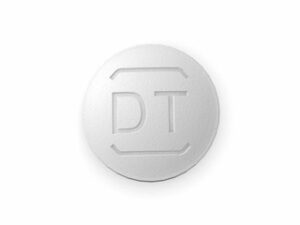
Note: Product appearance and strengths can vary. Check the pack for the exact strength and dosage form.
How Detrol LA works (mechanism of action)
Detrol LA is an antimuscarinic medication. It blocks muscarinic receptors in the bladder. These receptors normally stimulate bladder contractions. By blocking them, tolterodine:
- Reduces involuntary bladder contractions (often the cause of sudden urgency)
- Increases bladder capacity, helping you hold urine longer
- Decreases urgency and frequency of urination
- Helps reduce urge urinary incontinence (leakage with urgency)
It does not “cure” the underlying tendency to develop OAB symptoms, but it can significantly improve quality of life by reducing bothersome symptoms.
Typical use and indications
Detrol LA is typically used for symptoms of overactive bladder. In practical terms, it may be recommended for:
- Urgency (sudden, difficult-to-delay need to urinate)
- Urge urinary incontinence (leakage associated with urgency)
- Increased urinary frequency
It may be prescribed for adults when lifestyle adjustments and bladder training alone are not enough, or in combination with other strategies.
When to expect benefits and timing
Many people notice some improvement within the first several days, but the full effect may take longer. Common guidance is to allow 2–6 weeks to judge response, because symptom control can gradually improve as the medicine reaches steady effect.
- Usually taken once daily at about the same time each day.
- Take consistently to maintain symptom control.
- If symptoms worsen or you experience side effects, speak with a clinician before changing dose timing.
Dosing (general guidance)
Dosing must be individualised. The correct dose depends on factors such as kidney function, liver function, and interactions with other medicines.
In many countries, including Australia, tolterodine extended-release regimens commonly involve:
- Typical starting dose: once daily (often 2 mg to 4 mg LA depending on the product strength and patient factors)
- Adjustments: may be needed for renal impairment, hepatic impairment, or when interacting medicines raise tolterodine levels.
Important: Do not exceed the recommended dose on your prescription/label. If you miss a dose, take it when you remember unless it is close to the time of the next dose—then skip the missed dose. Do not take double the dose.
How to take:
- Swallow the extended-release tablet/capsule whole with water.
- Do not crush, split, or chew extended-release formulations.
- Follow the directions on your medicine label.
Food interactions and what to do
For tolterodine extended-release, food has little or no clinically important effect on the medicine’s action for most people.
- You can generally take Detrol LA with or without food.
- If you find it upsets your stomach, taking it with a light meal may help.
Tip: Choose a routine time that suits you and helps you remember (for example, morning after breakfast or evening after dinner).
Alcohol interactions
Alcohol does not have a simple “forbidden” interaction with tolterodine for everyone, but combining alcohol with antimuscarinic medicines can worsen side effects such as:
- Dizziness or light-headedness
- Drowsiness or impaired alertness in some individuals
- Dry mouth and thicker saliva (alcohol can worsen dehydration/dryness)
Practical advice: If you choose to drink alcohol, do so in moderation and monitor how you feel. Avoid driving or operating machinery if you feel affected.
Interactions with other medicines
Tolterodine can interact with other drugs that affect the bladder, acetylcholine pathways, or enzymes that metabolise tolterodine (notably CYP3A4/CYP2D6 pathways). Interactions may increase the risk of side effects such as dry mouth, constipation, blurred vision, or urinary retention.
Medicines that may increase anticholinergic effects
- Other antimuscarinic or anticholinergic medicines (e.g., some treatments for overactive bladder, certain allergy medicines, some nausea medicines, some antidepressants, and sleep aids)
- Tricyclic antidepressants (may worsen anticholinergic side effects)
- Some antipsychotics or antispasmodics (varies by agent)
Medicines that can change tolterodine levels
- CYP3A4 inhibitors may raise tolterodine concentrations (for example, some antifungals and some antibiotics). This can increase side effects.
- CYP2D6 inhibitors may also affect tolterodine exposure.
Medicines for constipation or urinary retention risk
- If you take other medicines that cause constipation, the combination may worsen constipation.
- If you have existing bladder emptying problems, interactions that further reduce bladder contractions may increase retention risk.
Always tell your pharmacist/clinician about all medicines and supplements you use, including “over-the-counter” products (such as cold/flu tablets, allergy medicines, and sleep remedies).
Pharmacokinetics (how the body handles tolterodine)
Pharmacokinetics describes how a medicine is absorbed, distributed, metabolised, and eliminated. While individual results vary, the following provides a general overview for tolterodine extended-release.
- Absorption: Tolterodine is absorbed after oral dosing. The LA formulation is designed to release the medicine gradually over the day.
- Distribution: Tolterodine is distributed throughout the body and can cross into tissues including the bladder.
- Metabolism: Tolterodine is metabolised primarily by liver enzymes, including pathways involving CYP3A4 and CYP2D6.
- Elimination: Metabolites and some unchanged drug are eliminated mainly via urine (with additional elimination through other routes depending on metabolism).
- Steady effect: Extended-release dosing supports more stable blood levels over 24 hours, supporting once-daily use.
In people with kidney impairment or liver impairment, drug clearance may be reduced, increasing exposure and side effect risk—hence dose adjustment may be needed.
Safety profile: side effects and who needs extra caution
Most people tolerate Detrol LA reasonably well, but because it has antimuscarinic effects, side effects related to reduced secretions and slower gut motility can occur.
Common side effects
- Dry mouth
- Constipation
- Blurred vision (sometimes)
- Dizziness
- Headache
- Decreased sweating or feeling warmer than usual (in some)
Less common but important side effects
- Urinary retention (difficulty passing urine), particularly in people with bladder outlet obstruction
- Confusion or cognitive changes, more likely in older adults or those sensitive to anticholinergic effects
- Severe constipation or abdominal pain
- Eye pain or worsening glaucoma symptoms (if you have narrow-angle glaucoma)
Seek urgent medical help if
- You cannot urinate at all
- You develop severe abdominal distension/pain with constipation
- There are signs of an eye emergency (severe eye pain, halos around lights, rapid vision changes)
- You experience severe allergic symptoms (swelling, difficulty breathing, hives)
Who should use extra caution
- Glaucoma, especially narrow-angle glaucoma
- Bladder outflow obstruction (for example, in certain prostate conditions)
- Severe constipation or bowel problems
- Myasthenia gravis or disorders where anticholinergic effects can be problematic
- Liver or kidney impairment
- Older adults who may be more prone to anticholinergic side effects
Practical use tips (to get the best results)
- Stay hydrated, but avoid excessive fluid intake late at night (unless advised). Dry mouth is common—sipping water regularly may help.
- Manage constipation early: include fibre in your diet, consider gentle physical activity, and discuss stool softeners/laxatives with a pharmacist if needed.
- Oral care for dry mouth: sugar-free gum/lozenges, frequent sips of water, and good dental hygiene.
- Be cautious in hot weather: reduced sweating may occur—dress lightly and seek shade.
- Driving and machinery: if you feel dizzy or have blurred vision, avoid driving until you feel normal.
- Bladder training remains helpful: even with medication, reducing bladder triggers and timing toileting can improve control.
Missed doses: take as directed when remembered; if close to the next dose, skip. Keep a consistent routine.
Alternative treatment options
Overactive bladder can be managed in different ways. Options may include medication alternatives and non-medicine approaches.
Non-medicine strategies
- Bladder training (gradually increasing time between voids)
- Scheduled voiding and urge suppression techniques
- Pelvic floor exercises (especially for urge incontinence)
- Reducing bladder irritants (for example, caffeine, alcohol, and spicy/acidic foods—individual triggers vary)
- Weight management if relevant
Medication alternatives
- Other antimuscarinics (e.g., oxybutynin, solifenacin, fesoterodine—availability depends on local prescribing and formulation)
- Mirabegron (a beta-3 adrenoceptor agonist) is sometimes considered, particularly when anticholinergic side effects are troublesome
Your clinician can help choose an option based on your medical history, side effect preferences, and interactions with other medicines.
Market and legal context in Australia
In Australia, availability and supply of medicines are governed by the Therapeutic Goods Administration (TGA) and related national medicine scheduling rules. The ability to purchase and how Detrol LA is supplied (including whether it requires an approved healthcare professional assessment) depends on the product’s regulatory classification and current Australian supply arrangements.
Online pharmacies must follow applicable Australian requirements, including identity verification and appropriate clinical checks where needed. Always ensure you are purchasing from a legitimate, registered pharmacy website.
For ongoing updates: guidance can evolve as new evidence and safety information becomes available.
Recent guidance and safety awareness
Over the past few years, clinicians have increasingly emphasised:
- Individualised benefit vs side effects (especially anticholinergic burden in older adults)
- Assessing bladder emptying risk (urinary retention and constipation)
- Reviewing medication interactions, particularly drugs that can increase antimuscarinic effects or tolterodine levels
- Monitoring response after starting treatment, with dose adjustments or switching if side effects outweigh benefits
If you experience bothersome adverse effects (particularly dry mouth, constipation, or blurred vision), speak with your clinician promptly—there may be strategies to improve tolerability or alternative options.
Delivery and availability (Australia)
Detrol LA availability can vary based on stock levels, strength, and local supply. When ordering online, you should expect standard pharmacy fulfilment times and possible delays during peak periods.
- Dispatch: Most registered pharmacies dispatch once your order is confirmed and processed.
- Shipping: Shipping time depends on your location and chosen delivery method.
- Cold chain: This medicine does not typically require cold storage (unless your pharmacy advises otherwise for your specific product).
Keep packaging and check the expiry date on arrival. If the product is damaged or the details don’t match your order, contact the pharmacy right away.
Frequently asked questions (FAQ)
1) What is Detrol LA used for?
Detrol LA (tolterodine) is used to treat symptoms of overactive bladder, such as urgency, increased frequency, and urge urinary incontinence.
2) How quickly does it work?
Some people notice improvement within days, but the full benefit may take 2–6 weeks. If there is no benefit after an appropriate trial, your clinician may review dose, adherence, and alternative options.
3) Can I take it with food?
Yes. Detrol LA can generally be taken with or without food. Choose a time that helps you remember and that suits your stomach.
4) Is it safe to drink alcohol while taking Detrol LA?
Moderate alcohol may be tolerated by many people, but it can worsen side effects like dizziness and dry mouth. Avoid drinking to the point you feel impaired, and do not drive if you feel affected.
5) What are the most common side effects?
Dry mouth and constipation are among the most common. Blurred vision, dizziness, and headache may also occur.
6) What should I do if I get constipation?
Increase dietary fibre, drink water regularly, stay physically active, and discuss options with a pharmacist. Seek medical advice if constipation becomes severe or painful.
7) Will Detrol LA cause urinary retention?
Urinary retention is uncommon but can occur, particularly in people with bladder outflow obstruction or those at higher risk. If you cannot urinate or have worsening difficulty, seek urgent medical advice.
8) Do I need to take it every day?
Yes, Detrol LA is usually taken once daily to maintain symptom control. Stopping suddenly may lead to return of symptoms.
9) What if I miss a dose?
Take the missed dose when you remember unless it is close to the next scheduled dose. Do not take a double dose.
10) What medicines should I avoid combining with it?
Tell your pharmacist/clinician about all medicines, especially other antimuscarinics/anticholinergics and drugs known to interact with tolterodine metabolism. Interaction risk is individual.
Quick reference: key points
| Category | What to know |
|---|---|
| Medicine | Detrol LA (tolterodine) – extended-release antimuscarinic |
| Used for | Overactive bladder symptoms (urgency, frequency, urge incontinence) |
| How it works | Blocks bladder muscarinic receptors to reduce involuntary contractions |
| Typical schedule | Once daily, at a consistent time |
| Food | Generally can be taken with or without food |
| Alcohol | May worsen dizziness and dry mouth; use moderation and monitor how you feel |
| Common side effects | Dry mouth, constipation, blurred vision, dizziness |
| Extra caution | Narrow-angle glaucoma, bladder outlet obstruction, constipation, kidney/liver impairment |
| When to seek help | Urinary retention, severe constipation, eye emergencies, severe allergy |
Remember: If your symptoms don’t improve, you experience troublesome side effects, or you have any concerns, contact a healthcare professional. Personal medical history matters when choosing and optimising treatment for overactive bladder.