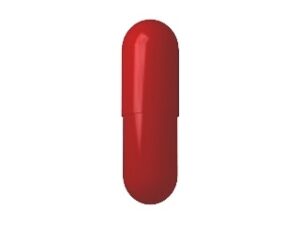
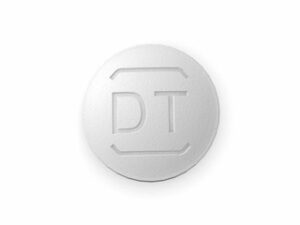
Depakote (Divalproex) — Patient-Friendly Medicine Information (Australia)
Depakote is a brand of divalproex, a medicine used to treat certain seizure disorders and mood conditions. This guide explains how Depakote works, how it’s used, what to watch for, and practical tips to help you take it safely and effectively in Australia.
Note: Medicines can affect people differently. Always follow the directions on your medicine label and the advice provided by your healthcare professional.
1. Basic product information
- Active ingredient: Divalproex (commonly available as divalproex sodium)
- Brand name: Depakote
- Medicine type: Antiepileptic (antiepileptic/anticonvulsant) and mood-stabilising medicine
- Common formulations: Tablets and sprinkles (exact availability may vary by supplier)
- How it’s used: Usually taken by mouth, often once or twice daily depending on the formulation
2. What Depakote does (mechanism of action)
Divalproex is converted in the body to valproate compounds. While the exact way it works is complex, Depakote is thought to help by:
- Increasing levels of gamma-aminobutyric acid (GABA): GABA is an inhibitory chemical messenger in the brain, helping to stabilise nerve activity.
- Modulating sodium channels: This can reduce abnormal electrical firing that contributes to seizures.
- Influencing neurotransmitter balance: It may alter signalling pathways related to mood and excitability.
- Effects on brain and immune signalling: These may contribute to its mood-stabilising properties in some conditions.
3. Pharmacokinetics (how the body handles it)
Pharmacokinetics describes absorption, distribution, metabolism and elimination. Understanding these concepts can help explain why timing, consistency, and dose adjustments matter.
- Absorption: Divalproex is absorbed after oral dosing. The formulation (e.g., delayed/extended release) can affect how quickly levels rise.
- Conversion and active forms: Divalproex is transformed into valproate (and related metabolites) that exert the therapeutic effect.
- Distribution: Valproate distributes throughout the body and can cross into the brain. It is highly protein bound (mainly to albumin), which means other medicines and health conditions can influence free levels.
- Metabolism: Primarily processed by the liver.
- Elimination: Excreted mostly via the kidneys as metabolites.
- Half-life: The “half-life” varies among individuals and formulations; this influences how often it’s taken.
Why this matters: Because Depakote is metabolised in the liver and protein binding can change, doctors may request blood tests (e.g., liver function and valproate levels) and monitor for side effects, especially after starting treatment or changing doses.
4. Typical uses in Australia
Depakote is used for conditions including:
- Epilepsy: Treatment of certain seizure types (e.g., some focal and generalised seizure disorders), depending on clinical scenario.
- Mood stabilisation: Used for bipolar disorder in selected patients, often for manic or mixed episodes as determined by a clinician.
- Migraine prevention: Valproate products may be used in some people for migraine prophylaxis where appropriate (availability and indications depend on local clinical guidance and product listing).
Important safety context: Valproate medicines are associated with significant risks in pregnancy, including risk of major congenital malformations and neurodevelopmental outcomes. Australian prescribing practices include strict assessment and risk minimisation measures for people who can become pregnant (see “Safety profile” below).
5. How to take Depakote: timing and consistency
Depakote is usually taken by mouth with a schedule that maintains stable drug levels.
- Follow your schedule: Take your dose at the same times each day.
- Do not skip suddenly: Abrupt stopping may increase seizure risk. Any dose changes should be made under medical guidance.
- With or without food: Many people tolerate Depakote better with food if it causes nausea.
- Swallowing tablets: Swallow tablets whole unless your specific product instructions allow splitting or special preparation.
- Sprinkles (if prescribed): If you have a formulation with sprinkles, follow the manufacturer’s instructions carefully (commonly mixed with soft food and swallowed without chewing).
Practical timing tips
- Set reminders: Consistency helps reduce “peak/trough” effects that may worsen side effects.
- Keep a routine: For twice-daily dosing, try to take doses about 12 hours apart.
- Plan for missed doses: If you miss a dose, take it when you remember unless it is close to the next dose. Do not double up—check your label or ask your pharmacist for advice.
6. Food interactions (what to know)
In general, food does not drastically change how valproate is absorbed, but it can affect how you feel after taking the medicine.
- Nausea or stomach upset: If you experience gastrointestinal discomfort, taking Depakote with food may help.
- Grapefruit and similar foods: There is no universal grapefruit rule for valproate, but some interactions may occur via liver metabolism pathways. If you have concerns, ask your pharmacist.
- Consistency is helpful: Try not to make sudden major dietary changes while your dose is being adjusted.
Tip: If you’re also taking other medicines with meal requirements (e.g., iron, some antibiotics, or thyroid medicines), ask your pharmacist how to space them for best effect.
7. Alcohol and medicine interactions
Alcohol
It’s generally recommended to avoid or minimise alcohol while taking Depakote.
- Increased side effects: Alcohol can worsen dizziness, drowsiness, and impaired coordination.
- Liver concerns: Both alcohol and valproate can stress the liver. Combining them may increase risk.
Other medicines (common interaction themes)
Depakote interacts with a number of medicines, including those that:
- Increase or decrease valproate levels (which may affect efficacy and side effects)
- Also affect the liver
- Increase bleeding risk
- Cause sedation (increasing drowsiness when combined)
Examples of medicines that may interact:
- Other antiepileptics (dose adjustments may be required)
- Carbapenem antibiotics (often advised against in combination due to risk of reduced valproate levels)
- Warfarin or other anticoagulants (may require closer monitoring)
- Aspirin or salicylates (may affect protein binding and valproate levels)
- Some antidepressants and antipsychotics (sedation and other effects may be additive)
- Hormonal medicines (some regimens may affect seizure control indirectly; discuss your complete list)
Best practice: Keep an up-to-date list of all medicines and supplements you take (including vitamins, herbal products, and occasional medicines). Share it with your pharmacist or prescriber before starting or stopping anything new.
8. Indications (when Depakote may be considered)
Depakote is indicated for specific conditions. Availability and the exact approved indications can vary depending on the product listing and clinical assessment.
In Australia, typical indications include:
- Seizure disorders (in select seizure types and treatment plans)
- Bipolar disorder (for mood stabilisation, such as manic episodes, depending on patient profile)
- Migraine prophylaxis in appropriate patients when other options are not suitable
Special note for pregnancy potential: Because of pregnancy-related risks with valproate, clinicians assess suitability carefully and may consider alternatives for people who are pregnant or could become pregnant. See “Safety profile” and “Alternative options.”
9. Dosing: what to expect
Dose depends on the condition being treated, your age, liver function, other medicines, and blood test results (if used). Many people start with a low dose and are gradually adjusted.
General principles
- Individualised: Not everyone needs the same dose.
- Titration: The dose is often increased gradually to reduce side effects.
- Monitoring: Your clinician may check valproate blood levels and liver function, especially early in treatment or after dose changes.
- Formulation differences: Different formulations can release medicine differently, affecting dosing schedules.
Typical dosing schedules: Many regimens involve once or twice daily dosing depending on formulation and clinical needs. Your label will specify the exact schedule for your product.
Common reasons doses may be adjusted
- Inadequate control of seizures or mood symptoms
- Side effects (e.g., sedation, tremor, nausea)
- Changes in other medications
- Abnormal liver tests or blood count changes
- Pregnancy planning or pregnancy (switching/alternative strategies may be considered)
10. Safety profile (key risks and monitoring)
Most medicines can cause side effects. Depakote has important potential risks, and monitoring is often part of safe use.
Common side effects
- Nausea or stomach upset
- Drowsiness, fatigue, dizziness
- Tremor
- Weight gain
- Hair thinning (in some people)
- Headache
Serious risks (seek urgent help if these occur)
- Liver problems: Severe fatigue, yellowing of the skin/eyes (jaundice), dark urine, unusual bruising, or severe abdominal pain.
- Pancreatitis: Severe upper abdominal pain, often with vomiting.
- Blood disorders: Unexplained bruising, bleeding, persistent fever, sore throat, or severe weakness.
- Allergic reactions: Rash, swelling, difficulty breathing.
- Severe confusion or unusual sleepiness: Especially if worsening quickly.
Pregnancy and contraception risk minimisation
Valproate medicines are known to carry higher risks when used during pregnancy. These risks include:
- Major congenital malformations (birth defects)
- Neurodevelopmental outcomes (potential learning and developmental impacts)
For people who are pregnant or could become pregnant, Australian guidance typically involves:
- Careful assessment of the benefit vs risk
- Consideration of alternatives where clinically appropriate
- Risk minimisation measures including education and specialist review
- Contraception planning if continuing valproate
If pregnancy is possible, discuss this promptly with a healthcare professional. Do not stop Depakote suddenly; switching needs medical planning.
Other caution areas
- Kidney and liver function: Monitoring may be required.
- Blood tests: Your doctor may check full blood count, liver function tests, and other parameters.
- Interaction sensitivity: Because valproate can affect protein binding and liver metabolism, interacting medicines can increase risk.
11. Practical use tips (making treatment easier)
- Keep your dose consistent: Try not to vary timing from day to day.
- Take with food if needed: Especially if you feel nauseated.
- Use medication reminders: Apps, blister packs, or alarms can help.
- Watch for early warning signs: Report unusual tiredness, yellowing of eyes/skin, bruising/bleeding, or persistent vomiting.
- Be careful with new medicines: Always check before starting antibiotics, pain medicines, or herbal products.
- Do not crush/alter tablets unless instructed: Follow your specific product instructions.
- Regular monitoring: Attend blood test appointments if scheduled.
12. Alternative options (discuss with your clinician)
Whether Depakote is the best option depends on your condition, response history, and personal risk factors (including pregnancy potential). Alternatives may include other antiepileptic or mood-stabilising medicines.
Possible alternatives for seizures or mood stabilisation
- Other antiepileptics (selection depends on seizure type and individual factors)
- Lithium and certain atypical antipsychotics for bipolar disorder in selected patients
- Lamotrigine for certain bipolar patterns (especially depressive episodes) in some cases
- Other migraine preventives may be considered depending on clinical history
Important: Do not change medicines on your own. Switching can require gradual dose adjustments to prevent symptom worsening or withdrawal effects.
13. Australian market and legal context (what this means for you)
In Australia, medicines are regulated under the Therapeutic Goods Act and related requirements. Medicines may be available through authorised supply channels and are subject to safety monitoring and labelling obligations.
Valproate-containing medicines are recognised as having important safety considerations, particularly regarding pregnancy risk. Australian regulatory and clinical frameworks promote risk minimisation measures, including:
- Clear labelling about risks and safe use
- Education for patients and prescribers
- Special caution for people who are pregnant or could become pregnant
For the most current product-specific requirements, consult your pharmacist or the latest Australian medicines information resources.
14. Recent guidance and safety updates
Guidance around valproate medicines can evolve based on emerging evidence and pharmacovigilance. Key themes in recent years have included:
- Greater emphasis on pregnancy prevention and risk minimisation for people who can become pregnant
- Regular re-evaluation of whether valproate remains the safest effective option
- More consistent monitoring for liver-related and blood-related side effects
If you’re unsure whether your personal risk category applies to you, ask your pharmacist or clinician to review your situation and the safety plan.
15. Delivery and availability (Australia)
Depakote/d eliverv availability can vary by supplier and the specific strength/formulation. Many pharmacies in Australia can supply valproate medicines subject to stock levels and dispensing processes.
- Availability: Depakote availability may depend on local supply and formulation.
- Delivery: Many online pharmacy services offer delivery to Australian addresses, with standard or express options depending on your location.
- Packaging: Medicines are typically supplied in manufacturer packaging with appropriate labels and consumer medicine information.
- Cold chain: Depakote does not generally require refrigeration, but store as directed on the label.
If a particular strength or form is out of stock, your pharmacy may offer alternatives or arrange restocking—always confirm the exact product you should receive.
16. Storage information
- Store: Follow the instructions on the label.
- Temperature: Keep at room temperature unless otherwise specified.
- Keep out of reach: Keep medicines away from children.
- Original packaging: Helps protect from light and provides dosing details.
- Do not use past expiry: Check expiry dates regularly.
17. Depakote FAQ
How long does Depakote take to start working?
Some effects may be noticed within days (e.g., sedation or mood changes), but full seizure or mood stabilisation can take weeks. The timeline depends on the condition, dose, and individual response. Dose titration also affects when benefits become clear.
Can I drink alcohol while taking Depakote?
It’s recommended to avoid or minimise alcohol. Alcohol can worsen drowsiness and may increase risk to the liver. If you want to drink, discuss with your pharmacist or clinician first.
Do I need blood tests while using Depakote?
Many people require periodic monitoring, especially early in treatment or after dose changes. Tests may include liver function and blood counts, and sometimes valproate levels—your clinician will advise what’s needed for your situation.
What should I do if I miss a dose?
Check the advice on your medicine label or ask your pharmacist. In general, take it when you remember unless it’s close to the next dose. Do not double up.
Is Depakote safe in pregnancy?
Valproate products carry significant risks when used in pregnancy, including congenital malformations and neurodevelopmental risks. If pregnancy is possible, discuss options promptly with a healthcare professional. Any changes should be planned carefully to avoid seizure relapse.
What are warning signs that require urgent attention?
Seek urgent medical help if you develop signs of liver trouble (jaundice, dark urine, severe fatigue), pancreatitis (severe abdominal pain with vomiting), significant bleeding/bruising, severe confusion, or a severe allergic reaction.
Will Depakote make me feel drowsy?
Drowsiness and dizziness can occur, especially when starting or after dose increases. Avoid driving or operating machinery until you know how Depakote affects you.
Can I take other medicines with Depakote?
Some medicines interact with valproate. Always tell your pharmacist about everything you take, including over-the-counter products, supplements, and herbal remedies.
Does food affect Depakote?
Food generally does not eliminate effectiveness, but taking it with food may improve nausea for some people. Try to keep routine consistent.
Quick reference table: key points
| Topic | What to know |
|---|---|
| Active ingredient | Divalproex (valproate compounds) |
| Main uses | Some seizure disorders; bipolar disorder mood stabilisation; selected migraine prevention |
| How it works | Increases inhibitory signalling (GABA) and modulates nerve excitability |
| Timing | Take at the same times daily; do not stop suddenly |
| Food | Often can be taken with or without food; food may reduce nausea |
| Alcohol | Avoid or minimise; may worsen drowsiness and increase liver stress |
| Monitoring | Often includes liver tests and possibly blood counts/valproate levels |
| Major safety issue | Important pregnancy-related risks; require careful risk minimisation |
| Seek urgent care for | Jaundice, severe abdominal pain/vomiting, unusual bleeding/bruising, severe confusion |
Remember: Depakote can be an effective medicine when used safely with monitoring and appropriate lifestyle choices. If you have questions about interactions, side effects, or suitability for your individual situation—especially if pregnancy is possible—speak to a healthcare professional or pharmacist.