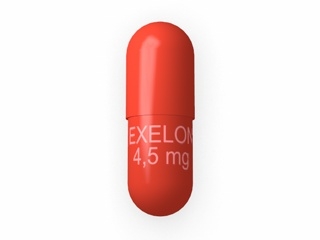

Exelon (Rivastigmine Tartrate) – Patient-Friendly Guide
Exelon contains rivastigmine tartrate. It is a medicine used to treat certain types of memory and thinking problems, most commonly Alzheimer’s disease and Parkinson’s disease dementia.
This page provides clear, practical information about how Exelon works, how it is taken, what to expect, and important safety considerations. It is designed for people in Australia and discusses general guidance, including interactions and day-to-day tips.
1. Basic product information
| Item | Details |
|---|---|
| Brand name | Exelon |
| Active ingredient | Rivastigmine tartrate |
| Common forms | Oral capsules / solution (availability may vary by product line) and Exelon transdermal patch (patches) |
| How it helps | Increases levels of chemicals involved in memory and thinking (cholinergic function) |
| Who it’s for | Adults with Alzheimer’s disease or Parkinson’s disease dementia |
Note: Exelon is typically used as part of a broader care plan that may include education, cognitive strategies, support for daily activities, and management of behavioural or motor symptoms (especially in Parkinson’s disease).
2. What Exelon does (mechanism of action)
Rivastigmine is a cholinesterase inhibitor. It works by reducing the breakdown of acetylcholine, a brain chemical involved in memory, learning, and attention.
It inhibits both:
- Acetylcholinesterase (breaks down acetylcholine)
- Butyrylcholinesterase (also breaks down acetylcholine)
By increasing acetylcholine activity, Exelon may help with cognitive symptoms and some aspects of day-to-day function. It does not cure the underlying disease, but it may help slow worsening for some people.
3. Pharmacokinetics (how the body handles rivastigmine)
Pharmacokinetics describes how a medicine is absorbed, processed, and removed from the body. In simple terms:
- Absorption: Exelon can be taken orally (capsule/solution) or delivered via skin patch. Absorption depends on the formulation.
- Distribution: Rivastigmine reaches the brain and other tissues.
- Metabolism: It is broken down mainly through enzymes in the body (including cholinesterase-related pathways).
- Elimination: Metabolites are cleared largely by the kidneys.
- Clinical implication: Because it is metabolised rapidly and has a short-lasting effect, dosing and patch schedule matter.
Your prescriber may start with a low dose and adjust slowly to reduce side effects such as nausea and dizziness.
4. Typical use in Australia
Exelon is commonly used for:
- Alzheimer’s disease (mild to moderate stages are typical, depending on local prescribing practices)
- Parkinson’s disease dementia
It may be used alongside other medicines for dementia-related symptoms. For people living with dementia, supportive care is also important: structured routines, familiar environments, and caregiver strategies.
5. When and how to take Exelon (timing)
Timing can influence side effects and comfort. The exact schedule depends on the formulation:
Oral Exelon (capsules / solution)
- Usually taken twice daily (commonly morning and evening), depending on the prescribed regimen.
- Many people find that taking it with meals or just after food helps reduce stomach upset.
Exelon transdermal patch
- Typically applied once daily.
- Patch placement matters—apply to clean, dry, hairless skin and rotate sites as instructed.
- Avoid placing the patch on skin that is irritated, broken, or affected by rash.
Practical tip: If you are switching between patches and oral forms, or changing dose strength, ask a pharmacist for clear instructions. Even small changes can affect tolerability.
6. Food interactions
Food does not usually create dangerous interactions, but meal timing can affect how comfortable you feel.
- For oral rivastigmine, taking it with food (or immediately after meals) often reduces side effects such as nausea, vomiting, and stomach cramps.
- For patches, food has less direct impact because the medicine is absorbed through the skin.
If you experience persistent nausea, your pharmacist may suggest adjusting timing with meals (for oral forms) or reviewing patch technique (for patches).
7. Alcohol and medicine interactions
There is no single “universal” rule that alcohol is always safe or unsafe with rivastigmine, but alcohol can worsen issues that are common with Exelon, such as:
- Dizziness or light-headedness
- Drowsiness or reduced alertness
- Stomach upset (nausea/indigestion)
To reduce risk, it is generally sensible to limit alcohol and avoid drinking if you notice symptoms after your dose. If alcohol use is part of your routine, discuss it with your healthcare professional.
Common medicine interaction considerations
Rivastigmine may interact with medicines that affect the nervous system and heart rate. Key interaction points include:
- Medicines that slow heart rate (e.g., some beta-blockers or other heart-rate lowering agents) may increase the chance of bradycardia (slow pulse), dizziness, or fainting.
- Other cholinergic or anticholinergic medicines may oppose effects or increase side effects.
- Gastrointestinal side effect risk: medicines that also irritate the stomach or cause nausea can add to discomfort.
- Anesthesia/surgery: cholinesterase inhibitors can affect responses during anaesthesia; make sure healthcare teams know you use Exelon.
Always tell your pharmacist or doctor about all medicines you take, including over-the-counter products and supplements.
8. Indications (what Exelon is used to treat)
Exelon is indicated for treatment of:
- Alzheimer’s disease dementia (commonly mild to moderate; exact stage and eligibility depends on clinical assessment)
- Parkinson’s disease dementia
In both conditions, Exelon is aimed at symptomatic improvement in cognition and daily functioning, and may help reduce decline for some people.
9. Dosing and how dose changes work
Dosing is individualised based on tolerability, symptom severity, and formulation. A common approach is to start low and increase gradually. This helps reduce gastrointestinal side effects.
General principles (patient-friendly)
- Start low to allow your body to adjust.
- Increase gradually if you tolerate the medicine well.
- If you have troublesome side effects (such as vomiting, severe nausea, or fainting), your prescriber may pause dose increases or reduce the dose.
- Dose adjustments often occur over weeks, not days.
Missed dose guidance (general)
- If you miss an oral dose, do not take double to catch up. Follow advice from your pharmacist for your specific regimen.
- If you miss a patch, remove it if appropriate and apply a new one according to your schedule or pharmacy advice.
Because instructions vary by regimen and formulation, refer to your medication label and written directions.
10. Safety profile and when to seek help
Like all medicines, Exelon can cause side effects. Many are more likely when starting treatment or increasing the dose.
Common side effects
- Nausea
- Vomiting
- Diarrhoea or stomach upset
- Loss of appetite
- Dizziness
- Headache
- Weight loss (can occur over time)
- Skin reactions at patch site (if using the transdermal patch), such as redness or irritation
Less common but important risks
- Slow heart rate (bradycardia), light-headedness, or fainting
- Falls related to dizziness
- Dehydration if vomiting/diarrhoea occurs
- Worsening of tremor or worsening of Parkinsonian symptoms in some people (monitor and report)
- Severe allergic reactions are rare but require urgent attention
When to get urgent medical help
Seek urgent help (call emergency services or contact a health service urgently) if you experience:
- Severe weakness, fainting, or a very slow pulse
- Severe or persistent vomiting/diarrhoea leading to dehydration
- Trouble breathing, swelling of the face/lips, or widespread rash
- Black/tarry stools or vomiting blood (possible serious bleeding—urgent assessment needed)
Who should take extra care
- People with a history of stomach ulcers or significant gastrointestinal problems
- People with heart conduction problems or a tendency to faint
- People who are underweight or prone to weight loss
- People who experience frequent dizziness or falls
11. Practical use tips for better comfort
Many of Exelon’s side effects relate to dose and stomach sensitivity. The following tips can improve day-to-day experience.
- Take oral Exelon with food (or just after meals) to reduce nausea.
- Stay hydrated, especially during the first weeks or after dose increases.
- Track side effects: keep a simple note of nausea, dizziness, appetite, and bowel changes. This can help your doctor decide whether to adjust dose.
- Move slowly from sitting/lying to standing to reduce dizziness and fall risk.
- Be careful with other “sedating” medicines (e.g., some sleep or anxiety medications) because dizziness can be amplified.
- For patches: rotate patch sites, avoid heat sources directly on the patch area, and keep skin clean and dry. If skin reaction occurs, do not simply “tough it out” without advice—ask a pharmacist.
- Weight monitoring: if appetite drops, discuss strategies to maintain nutrition.
If you ever stop Exelon for several days, restarting may require a dose re-titration plan. Speak with your healthcare professional before resuming.
12. Alternative options (if Exelon isn’t suitable)
Exelon is one option for dementia symptom management. Depending on diagnosis, stage, and tolerance, alternatives may include:
- Other cholinesterase inhibitors, such as donepezil or galantamine (choice depends on condition and individual response).
- Memantine, used in some moderate to severe dementia cases or as part of combination therapy in selected situations.
- Non-medicine supports: cognitive stimulation therapy, routine-based care, caregiver education, hearing/vision checks, and sleep management.
Not all alternatives are appropriate for all people. A clinician can guide you based on symptoms, comorbidities, and side effect history.
13. Market and legal context for Australia (overview)
In Australia, medicines like Exelon are regulated under the Therapeutic Goods Administration (TGA) framework and are supplied according to current legislation and prescribing requirements. Availability may vary by formulation (e.g., capsules versus patches) and strengths.
Pharmacy supply in Australia typically requires prescription-based dispensing for many dementia medicines, and medicines are provided in packaging that meets Australian labelling standards.
For the most accurate information for your area and product, check:
- Australian pharmacy listings and product packs
- Advice from your pharmacist regarding availability of the exact brand/formulation
- Current TGA safety communications where relevant
14. Recent guidance and monitoring (what to watch for)
Guidance for dementia medicines often focuses on:
- Careful dose titration to minimise nausea and vomiting
- Regular review of benefit and side effects (including weight, appetite, bowel habits, and dizziness/falls)
- Monitoring comorbidities, especially heart rate and gastrointestinal risk factors
- Caregiver involvement in administration, especially for patch use and adherence
If your symptoms change noticeably, if side effects become difficult to manage, or if you experience falls or fainting, seek prompt advice.
15. Delivery and availability (Australia)
Exelon availability in Australia depends on the specific formulation and strength. Online pharmacies may carry:
- Oral formulations (capsules or solution, depending on stock and brand line)
- Transdermal patches
Delivery timeframes vary based on location and stock levels. Reputable online pharmacies generally offer:
- Home delivery with tracking options
- Secure packaging to protect patches and medicines
- Discreet billing and delivery options where available
- Support from pharmacists via phone or messaging for dosing/administration questions
If a product is temporarily out of stock, the pharmacy can often suggest the nearest alternative option or help arrange restock.
16. FAQ
How long does Exelon take to start working?
Some people notice changes in alertness or day-to-day functioning within weeks, but benefits vary widely. Your clinician may assess progress over time and review the medicine regularly.
Will Exelon stop Alzheimer’s or Parkinson’s disease?
Exelon does not cure these conditions. It is used to treat symptoms and may help slow decline for some people. Treatment decisions are based on balance between benefit and side effects.
What should I do if I miss a dose?
Follow the instructions on your medicine label or from your pharmacist for your specific dosing schedule. In general, avoid doubling the dose to catch up. For patches, apply a new patch according to the recommended timing for your regimen.
Can Exelon be taken with food?
Yes. For oral forms, taking with food (or immediately after meals) often helps reduce nausea and stomach upset. Patch use is less dependent on meals because medicine is delivered through the skin.
Are there any dietary restrictions?
No special diet is routinely required. However, nausea or appetite changes may make it harder to eat. If appetite drops or weight decreases, discuss nutrition strategies with your healthcare professional.
What are the most common side effects?
The most common include nausea, vomiting, diarrhoea, loss of appetite, dizziness, and headache. Patch use may also cause skin reactions at the application site.
Should I avoid alcohol?
Alcohol may worsen dizziness or stomach upset. If you choose to drink, keep it limited and monitor how you feel. If alcohol tends to worsen symptoms, discuss alternatives with your healthcare professional.
Can Exelon cause falls?
Dizziness and light-headedness can occur, particularly early in treatment or after dose increases. Taking extra care when standing and monitoring for faintness can help reduce fall risk.
How should I apply Exelon patches?
Apply to clean, dry, hairless skin. Rotate between approved sites and avoid irritated areas. Keep the patch on for the required duration and follow your label instructions. If the skin becomes very irritated, contact your pharmacist for advice.
What medicines should I tell my pharmacist about?
Tell your pharmacist about:
- All prescription medicines
- Over-the-counter products
- Herbal supplements and vitamins
- Any medicines that affect heart rate or blood pressure
- Any medicines that cause drowsiness or dizziness
Is Exelon safe for everyone?
Exelon may not be suitable for all people, especially those with significant heart rhythm problems, certain gastrointestinal conditions, or a history of severe side effects. A clinician can assess suitability based on medical history and current medicines.
Key takeaways
- Exelon (rivastigmine tartrate) helps treat symptoms of Alzheimer’s disease and Parkinson’s disease dementia.
- It works by increasing acetylcholine through cholinesterase inhibition.
- Side effects are often most noticeable when starting or increasing dose; dose titration reduces this risk.
- For oral forms, take with food to reduce nausea.
- Report concerning symptoms such as fainting, severe vomiting/diarrhoea, or signs of allergy urgently.
For personalised advice about Exelon—including correct dosing, suitability, and how it fits with your other medicines—speak with a healthcare professional.