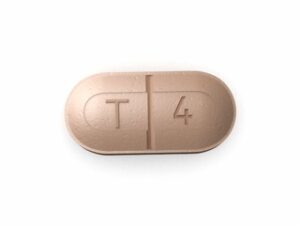

Actigall (Ursodeoxycholic acid) – Patient Guide (Australia)
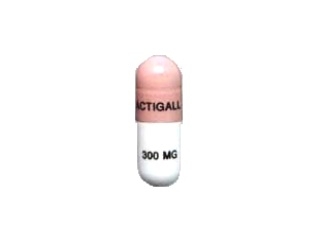
Actigall contains ursodeoxycholic acid (UDCA). It is used to treat certain bile-related liver and gallbladder conditions. This guide explains what the medicine does, how it works in the body, typical uses, how to take it, important food and medicine interactions, safety considerations, and what to expect in everyday use.
Key product information
| Feature | What to know |
|---|---|
| Active ingredient | Ursodeoxycholic acid (UDCA) |
| Brand example | Actigall |
| Medicine type | Bile acid / liver & bile therapy |
| Common forms | Oral capsules/tablets depending on local listing |
| How it works | Helps improve bile flow and reduces bile toxicity |
| Typical duration | Often months to long-term use for chronic conditions |
Note: Availability, strengths, and brand formulations can vary. Always check the package for the exact dose and instructions provided for the product you purchase.
How Actigall works (mechanism of action)
Ursodeoxycholic acid is a naturally occurring bile acid used in specific liver and gallbladder disorders. It helps in several ways:
- Improves bile composition: UDCA shifts the bile acid pool toward a less toxic profile, which can be easier on liver cells and bile ducts.
- Reduces bile-related injury: It may decrease harmful effects of “overly aggressive” bile acids on the lining of bile ducts and the liver.
- Supports bile flow: UDCA can help promote more effective bile secretion (sometimes described as a “choleretic” effect).
- Cell-protective actions: It may stabilise cell membranes and influence inflammatory and cell-death pathways involved in cholestatic (bile-flow) conditions.
Because these effects are gradual, symptom improvement and blood test changes typically occur over weeks to months (and sometimes longer), depending on the condition being treated.
Pharmacokinetics: what the body does with UDCA
Pharmacokinetics describes how the body absorbs, distributes, metabolises, and eliminates a medicine. While individual responses vary, the general pattern for UDCA is:
- Absorption: UDCA is absorbed from the gastrointestinal tract after oral dosing.
- Distribution: It circulates and is taken up by the liver for bile-related processing.
- Metabolism: UDCA is transformed in the body and gut, including by intestinal bacteria, into other bile acid metabolites.
- Excretion: UDCA and its metabolites are largely excreted into bile, then leave the body through the digestive tract.
In certain liver or bile duct disorders, bile acid handling can be altered. Your clinician may monitor liver function tests and adjust the plan based on response and tolerability.
Typical uses in clinical practice
Actigall/UDCA is commonly used for bile-related liver and gallbladder conditions such as:
- Primary biliary cholangitis (PBC): A chronic autoimmune disease affecting small bile ducts in the liver.
- Cholestatic liver diseases: In some cases, UDCA is used when bile flow is reduced and bile duct injury is present.
- Gallstone dissolution (cholesterol gallstones): In selected patients with certain non-calcified gallstones and a functioning gallbladder, UDCA may help dissolve cholesterol-rich stones over time.
Important: Not all gallstones respond. For example, pigment stones and heavily calcified stones generally do not dissolve well with UDCA. Imaging results and clinical factors guide whether UDCA is suitable.
When to take Actigall (timing and routine)
The timing of doses depends on the prescribed schedule and the condition being treated. In general:
- Take at the same times each day to maintain steady medicine levels.
- With food or after food is often recommended to support tolerability and absorption. Follow your specific label instructions.
- Swallow whole with water unless your medicine instructions state otherwise.
- Missed dose: If you miss a dose, take it as soon as you remember unless it’s close to the next dose. Do not take a double dose.
If your regimen involves multiple daily doses, your pharmacist can help you set reminders and plan a schedule around meals.
Food interactions and dietary considerations
UDCA is a bile acid used to affect bile flow and bile composition. Certain dietary patterns may influence symptoms and digestive comfort.
- Take with meals if advised: Many people find UDCA is easier on the stomach when taken with food.
- High-fat meals: Because bile is involved in fat digestion, very high-fat meals may worsen bloating or discomfort in some people with cholestasis. Eating smaller, lower-fat meals can be helpful for comfort.
- Consistency matters: Aim for a stable routine in meal timing and composition while you establish your tolerance and monitoring routine.
General liver-healthy nutrition tips: For chronic liver conditions, health professionals often recommend maintaining a balanced diet, avoiding unnecessary supplements, and limiting alcohol (see below). Your clinician may also advise on fat-soluble vitamins if you have malabsorption or significant cholestasis.
Alcohol interactions
Actigall helps manage bile-related liver conditions but does not “cancel out” the potential harm of alcohol. In general:
- Best approach: Minimise or avoid alcohol, especially if you have liver inflammation or cholestatic disease.
- Why it matters: Alcohol can worsen liver stress and may interfere with recovery and long-term liver function.
- Discuss your situation: The safest alcohol plan depends on your diagnosis, liver blood test results, and overall health.
If you have questions about occasional drinks, it’s worth asking your pharmacist or treating clinician for guidance tailored to your condition.
Medicine interactions (what to tell your pharmacist)
Certain medicines can reduce UDCA absorption or affect bile acid activity. Always review your full list of medicines, including herbal supplements and over-the-counter products.
Common interaction categories
- Bile acid sequestrants (used to lower cholesterol): Drugs such as cholestyramine, colestipol, or colesevelam can bind bile acids in the gut and may reduce UDCA effectiveness. Your pharmacist may recommend separating doses by several hours if UDCA is still appropriate.
- Antacids and bile-affecting agents: Some products that alter stomach environment or bind substances may affect absorption. Check specific product ingredients.
- Other liver-metabolised medicines: While UDCA is not a typical major enzyme inducer, any changes in liver function can influence how other medicines are handled. Monitoring may be required.
Herbal and supplement caution
Natural products and supplements can affect the liver. If you take or plan to take supplements, share them with your healthcare team. Examples include some “liver cleanse” products, high-dose green tea extract, or multi-ingredient herbal blends.
Tip: Keep an updated medication list (including dose and timing) to speed up interaction checks when you reorder online.
Indications: who Actigall is for
“Indication” means the specific medical conditions a medicine is used to treat. Actigall/UDCA is used for:
- Primary biliary cholangitis (PBC): Often long-term treatment to improve liver biochemistry and slow disease progression.
- Some cholestatic conditions: Depending on diagnosis and severity.
- Certain cholesterol gallstones: In selected individuals when stones are suitable and the gallbladder is functioning.
Your clinician will confirm suitability based on tests such as blood liver markers, imaging (ultrasound/CT), and clinical history.
Dosing: how Actigall is commonly prescribed
Dosing is individualised. The correct dose depends on the condition, body weight (in some protocols), and treatment goals, as well as how you respond on blood tests.
General dosing principles
- Follow your prescribed label: Use only the strength and number of capsules/tablets directed.
- Long-term adherence matters: For chronic cholestatic liver disease, treatment often continues for the long term.
- Regular monitoring: Liver blood tests and symptoms guide ongoing use.
Examples of dosing approaches (illustrative)
Because exact dosing must match your prescribed product and indication, the following is a general guide only:
- PBC: UDCA dosing is commonly weight-based and taken in divided doses across the day.
- Gallstone dissolution: UDCA is usually taken daily, sometimes divided, for months to years if appropriate.
Always confirm your exact dose with the product label or the clinician who arranged your treatment. Your pharmacist can also help calculate divided doses if you provide the prescription instructions.
Safety profile: side effects and when to seek help
Most people tolerate UDCA well. However, like all medicines, Actigall can cause side effects.
Common side effects
- Loose stools or diarrhoea
- Stomach discomfort, nausea, or abdominal pain
- Flatulence (gas)
- Mild headache (less common)
Less common but important considerations
- Allergic reactions: Seek urgent help if you experience swelling of the face/lips, trouble breathing, severe rash, or hives.
- Worsening liver symptoms: Contact a healthcare professional promptly if you notice increasing jaundice, severe fatigue, persistent right upper abdominal pain, fever, or dark urine.
- Persistent diarrhoea: If diarrhoea continues, dehydration can occur. Seek advice for dose review and supportive care.
Who should use extra caution?
- People with advanced liver disease: Monitoring may be more frequent.
- People with medication interactions: Particularly those using bile acid sequestrants or other bile-binding agents.
- Pregnancy/breastfeeding: Discuss benefits and risks with your healthcare team. Individual circumstances vary.
- Children: Only use under appropriate paediatric guidance.
Seek medical attention immediately for severe allergic symptoms or signs of serious worsening illness.
Practical use tips for everyday success
- Use a daily routine: Take Actigall at the same times each day. Linking it to breakfast and dinner can help.
- Keep it consistent with meals: If your label recommends taking with food, follow this for best tolerability.
- Track symptoms and lab results: If you have PBC or another cholestatic condition, clinicians typically track liver enzymes and markers over time.
- Manage gastrointestinal side effects: If you experience loose stools, avoid sudden dietary changes and report persistent symptoms to your pharmacist or clinician.
- Don’t stop suddenly: For chronic conditions, stopping UDCA can lead to loss of benefit. If you’re considering stopping, discuss first.
- Update your medication list: Re-check interactions when you start new medicines, including cholesterol-lowering agents.
Alternatives to Actigall (ursodeoxycholic acid)
Alternative options depend on the condition being treated:
- For PBC: Other treatments may be considered if UDCA response is incomplete (for example, add-on therapies may be used as guided by specialist care).
- For cholesterol gallstones: Options can include endoscopic/surgical approaches depending on suitability and symptoms.
- Supportive care: Symptom relief for itching, managing fat-soluble vitamin deficiencies, and lifestyle measures may be recommended alongside bile therapies.
Important: Alternatives must be chosen based on diagnosis, imaging results, liver function tests, and overall risk profile. Discuss options with a healthcare professional.
Market and legal context in Australia
In Australia, medicines are regulated by the Therapeutic Goods Administration (TGA). Product availability, supply classification, and pharmacy requirements are determined by Australian regulatory frameworks. For online ordering, compliant pharmacies follow Australian guidelines for safe supply, including identity and prescription workflow where applicable, storage requirements, and medication counselling.
Label directions and TGA-approved product information are the authoritative source for indications, dosing instructions, and safety warnings for the specific product strength you receive.
Recent guidance and clinical practice updates: Over recent years, clinical guidelines for cholestatic liver diseases like PBC have continued to emphasise early and sustained UDCA treatment where appropriate, with specialist review of treatment response using lab markers. If response is suboptimal, clinicians may consider additional or alternative strategies in line with updated guidance. Always follow the most current advice from treating specialists.
Delivery and availability (online pharmacy in Australia)
Actigall/UDCA may be available via Australian pharmacy supply chains and online ordering services, subject to stock levels and product listing. When purchasing online, you can typically expect:
- Home delivery within Australia (availability and timeframes vary by supplier and location).
- Secure packaging to protect capsules/tablets.
- Clear label instructions and product information included with your order.
Tip: If you need a specific strength or form, check the listing carefully and contact customer support if you’re unsure. For long-term conditions, planning refills can help avoid missed doses.
FAQ – Frequently asked questions
1) What is Actigall used for?
Actigall (ursodeoxycholic acid) is used for certain bile-related liver and gallbladder conditions, most commonly primary biliary cholangitis (PBC) and, in selected patients, cholesterol gallstones that are suitable for dissolution.
2) How long does it take to work?
UDCA’s effects are gradual. For chronic cholestatic conditions, clinicians often see improvements in blood test results over weeks to months. For gallstone dissolution, it may take many months and depends on stone type and size.
3) How should I take Actigall?
Take Actigall exactly as directed on your product label. Many people take it with meals to support tolerability. Use the same daily times and do not double doses if you miss one.
4) Can I take Actigall with food?
Yes—many instructions recommend taking it with meals or after food. If you experience stomach upset, taking it with food may help. Follow your specific label instructions.
5) Are there food interactions I should worry about?
There are no universal restrictions for all foods, but a very high-fat diet may worsen digestive discomfort in some people with cholestasis. Eating smaller, balanced meals can improve comfort.
6) Can I drink alcohol while taking Actigall?
It’s generally best to minimise or avoid alcohol, especially if you have liver disease. Alcohol can add extra stress to the liver. Discuss what’s safe for your specific diagnosis and test results.
7) What medicines may interact with Actigall?
Certain drugs that bind bile acids (for example, some cholesterol-lowering bile acid sequestrants) may reduce UDCA effectiveness. Always review your full medicine list with your pharmacist, including over-the-counter products and supplements.
8) What side effects are possible?
Common side effects include loose stools/diarrhoea, abdominal discomfort, and gas. Seek urgent help for signs of allergy, and contact a healthcare professional if you experience worsening jaundice or persistent severe symptoms.
9) What if I miss a dose?
If you forget a dose, take it when you remember unless it’s close to the next scheduled dose. Do not take a double dose.
10) Are there alternatives if Actigall doesn’t work well enough?
Depending on your condition, your clinician may consider alternative or add-on therapies, supportive measures, or procedural options (for gallstones). The best option depends on your diagnosis, imaging, and response to treatment.
When to get further advice
If you have questions about dosing, interactions, side effects, or whether Actigall is appropriate for your diagnosis, speak with a healthcare professional. If you develop severe allergic symptoms or signs of serious illness (such as rapidly worsening jaundice or severe abdominal pain with fever), seek urgent medical care.
Remember: Always follow the instructions on your medicine packaging and the latest advice from your healthcare team.