
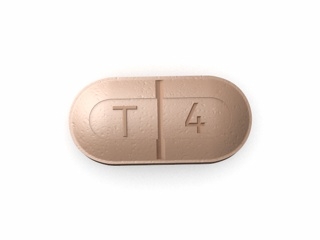


Levothroid (Levothyroxine) – Patient Guide (Australia)
Levothroid contains levothyroxine, a medicine used to treat thyroid hormone deficiency. It is commonly prescribed to help replace the hormone your body needs to work normally. If you take Levothroid as directed, it can support energy, metabolism, heart function, and normal growth and development.
This guide explains how Levothroid works, when to take it, important interactions (including food, alcohol, and other medicines), and practical tips to help you get the best results.
Key product information
- Medicine name: Levothroid
- Active ingredient: Levothyroxine (usually supplied as sodium levothyroxine)
- What it does: Replaces thyroid hormone (T4), which your body converts to active T3
- Common conditions treated: Hypothyroidism and related thyroid conditions
- Form: Oral tablets (strengths vary by product availability)
- Monitoring: Usually based on blood tests such as TSH and free T4
How Levothroid works (mechanism of action)
Levothroid provides levothyroxine (T4), which is the main hormone produced by the thyroid gland. After you swallow a tablet, levothyroxine is absorbed and travels in the bloodstream. Your body then converts T4 into the more active hormone T3 in tissues such as the liver, brain, and muscle.
Levothyroxine helps restore normal thyroid hormone levels, which can improve symptoms and reduce complications of hypothyroidism.
What normal thyroid hormone supports:
- Metabolism of fats, carbohydrates, and proteins
- Normal body temperature and energy use
- Heart rate and cardiovascular function
- Brain development and cognitive function
- Normal digestive and muscle function
What Levothroid is used for (indications)
Levothroid is used to treat or manage conditions where thyroid hormone levels are low or where thyroid hormone is used to support thyroid-related care. Common uses include:
- Primary hypothyroidism: When the thyroid gland does not make enough hormone
- Post-thyroidectomy hypothyroidism: After surgery to remove the thyroid
- Congenital hypothyroidism: Thyroid hormone deficiency present from birth (dose is carefully adjusted)
- Central hypothyroidism: Due to pituitary or hypothalamic causes (usually assessed with free T4 rather than TSH alone)
- Thyroid hormone replacement after radioiodine treatment: For some thyroid conditions
- Adjunctive use for thyroid disorders where thyroid-stimulating hormone suppression is needed: Your clinician may prescribe a specific dosing plan based on your condition and risk profile
Pharmacokinetics (how the body handles the medicine)
Understanding the pharmacokinetics can help explain why timing and consistency matter.
| Topic | What to know |
|---|---|
| Absorption | Levothyroxine is absorbed mainly in the small intestine. Absorption can be reduced by food and certain substances. |
| Bioavailability | Varies between individuals and can be affected by gut health and interactions. |
| Peak levels | Blood levels typically rise after dosing, with variability depending on stomach contents and timing. |
| Distribution | Levothyroxine binds extensively to blood proteins, especially thyroid-binding globulin. |
| Metabolism | T4 is converted to T3 in peripheral tissues; both hormones are further metabolised and cleared. |
| Half-life | Levothyroxine has a long half-life, meaning stable dosing is achieved over time and missed doses may not cause immediate changes. |
| Elimination | Metabolites are eliminated mainly via the liver/bile and kidneys. |
Typical dosing approach (and why monitoring matters)
Dose requirements vary based on your age, weight, thyroid condition, and other medical factors. Most people require gradual adjustments to reach target thyroid hormone levels.
Important: Do not adjust your dose unless your prescriber advises. Regular blood tests help confirm whether your dose is correct.
General dosing principles (overview)
- Adults: Often start with a dose appropriate to body weight and clinical scenario, then adjust based on blood results.
- Older adults or people with heart disease: Doses may be started lower and increased gradually to reduce the risk of side effects.
- Children: Dosing is tailored to age and weight, with careful monitoring.
- Pregnancy: Dose needs may change quickly; early monitoring is commonly required to maintain adequate thyroid hormone levels.
Common strengths and how tablets are taken
Levothroid comes in different tablet strengths depending on what is supplied in Australia. Your pharmacist can confirm the exact strength you have. The number of tablets per day depends on your prescribed dose.
When and how to take Levothroid (timing guidance)
Levothyroxine works best when taken consistently. The most common approach is to take it on an empty stomach to improve absorption.
Typical timing options
- Morning (most common): Take your Levothroid tablet in the morning with water, at least 30–60 minutes before breakfast.
- Bedtime alternative (for some people): If you cannot reliably take it in the morning, your clinician may recommend taking it at least 3–4 hours after the last meal (with a consistent schedule).
Practical tips for consistent use
- Choose one routine (morning or bedtime) and stick to it as much as possible.
- Take the tablet with water only (unless your clinician instructs otherwise).
- Do not crush or chew tablets unless advised by your pharmacist (tablet formulations may vary).
- If you miss a dose, take it when you remember unless it is close to the next dose—ask your pharmacist for advice specific to your schedule.
Food interactions and absorption tips
Food can affect how much levothyroxine your body absorbs. To reduce variability:
- Avoid taking Levothroid with breakfast, coffee, or milk. If you take it with or just before food, absorption may be lower.
- Maintain a consistent routine. If you change your eating schedule, discuss it with your clinician.
- High-fibre diets may affect absorption in some people. You do not necessarily need to avoid fibre, but keep your diet consistent and monitor results.
Some people also take supplements that can interfere with absorption (see “Other medicine interactions” below). Spacing is often the simplest fix.
Alcohol and medicine interactions
Alcohol
Moderate alcohol intake is not generally known to directly reduce levothyroxine absorption in the same way food does. However, alcohol may indirectly affect thyroid function, liver metabolism, sleep, and adherence to medication routines.
- If you drink alcohol, take your Levothroid at the recommended time consistently.
- If you have liver disease or heavy alcohol use, ask a clinician or pharmacist for personal guidance and monitoring advice.
Other medicines
Some medicines can lower levothyroxine absorption, change thyroid-binding proteins, or affect metabolism and test results. Always keep your healthcare team informed about:
- Prescription medicines
- Over-the-counter products
- Herbal supplements and “natural” products
Common interaction categories include:
- Iron supplements and multivitamins containing iron: May reduce absorption. Often separated by several hours.
- Calcium supplements: May reduce absorption. Consider spacing doses.
- Antacids and some acid-reducing medicines: May alter absorption.
- Bile acid sequestrants: Can interfere with absorption.
- Cholestyramine or cholestyramine-like medicines: May reduce levothyroxine absorption.
- Sucralfate: May reduce absorption.
- Some diabetes medicines and other therapies: May influence thyroid lab interpretation or metabolism in certain cases.
- Estrogen therapy (including some hormone therapies): Can increase thyroid-binding globulin, which may require dose adjustments.
- Glucocorticoids and some anti-seizure medicines: Can affect thyroid hormone metabolism.
Spacing strategy (general): If you take supplements such as iron or calcium, it is often helpful to separate them from Levothroid. Your pharmacist can advise an appropriate schedule based on what you take.
Safety profile and when to seek help
Levothyroxine is generally well tolerated when the dose is correct. The main safety concern is too much thyroid hormone (over-replacement), which can lead to symptoms of hyperthyroidism. Less commonly, too little may leave hypothyroidism untreated.
Common signs of too high a dose (possible over-replacement)
- Fast heartbeat or palpitations
- Tremor, anxiety, or feeling “on edge”
- Heat intolerance or sweating
- Unintentional weight loss
- Insomnia
- Increased appetite
- Worsening heart conditions (e.g., angina, arrhythmias)
Common signs of too low a dose (possible under-replacement)
- Ongoing tiredness, lethargy
- Cold intolerance
- Constipation
- Dry skin, hair thinning
- Weight gain
- Depressed mood
Seek urgent medical help if
- You experience severe chest pain, fainting, or severe shortness of breath
- You have a rapid irregular heartbeat or symptoms of a serious allergic reaction (e.g., swelling of lips/face, difficulty breathing, widespread rash)
Special populations
- Pregnancy: Adequate thyroid hormone is important for both maternal health and fetal development. Doses may need frequent review early in pregnancy.
- Heart disease or older age: Dose changes may be slower to reduce cardiac strain.
- People with osteoporosis risk: Excess thyroid hormone may affect bone density over time.
Practical “how to use” tips
- Be consistent: Take Levothroid the same way every day (same time, with water, and with similar meals routines).
- Set reminders: A phone alarm can help reduce missed doses.
- Use one product as advised: Switching between brands or formulations may affect thyroid levels in some patients. If a switch occurs, monitoring may be needed.
- Review new medicines promptly: If you start iron, calcium, antacids, or other new therapies, check interactions.
- Don’t stop suddenly: Thyroid hormone deficiency can return. Always discuss changes with your pharmacist or clinician.
Blood test timing: Your clinician will advise when to repeat TSH and free T4 after dose changes. Because levothyroxine has a long half-life, it typically takes time for levels to stabilise.
Alternative options for hypothyroidism
Depending on your situation, your clinician may consider other thyroid hormone preparations. Options can include:
- Other levothyroxine brands or strengths: Different formulations may be available; ensure consistency and monitor if switching.
- Combination therapy: Some patients ask about liothyronine (T3) or combinations. This is not suitable for everyone and should be discussed with a clinician.
- Natural desiccated thyroid: Not commonly preferred in modern guidelines for routine use, but may be discussed in select circumstances. Product strength can be less predictable.
If you are considering an alternative due to side effects or absorption concerns, bring your current medication list and thyroid test history to your pharmacist or clinician.
Levothroid and recent guidance (Australia context)
In Australia, thyroid hormone management commonly follows evidence-based principles:
- Use levothyroxine as the standard replacement therapy for most people with hypothyroidism.
- Individualise dosing and adjust based on blood tests (TSH and free T4, depending on the cause).
- Check adherence and interactions before increasing dose if thyroid tests do not improve.
- Ensure consistency in the product and timing of administration to minimise fluctuations.
- Increase monitoring during pregnancy and after major changes in medication regimen.
Clinical recommendations can evolve as new evidence becomes available. If you have your thyroid levels monitored regularly, that helps ensure your treatment remains aligned with current best practice.
Market and legal context for Australia
Levothroid (levothyroxine) is an established medicine used widely in Australia for thyroid hormone replacement. The specific supply and prescribing status can vary depending on the product and strength, and pharmacy rules may apply.
For online pharmacy purchasing, Australian medicines are generally supplied according to applicable regulations. Your pharmacy will typically:
- Confirm product identity and strength
- Provide dosage and safety advice
- Check for potential interactions where relevant information is available
- Ensure your order complies with relevant Australian requirements for supply
Delivery, availability, and what to expect
Availability of specific Levothroid tablet strengths may vary by supplier and stock levels. When you order online, you can generally expect:
- Delivery options depending on your address and shipping schedule
- Tracking where offered
- Packaging that protects tablets during transit
- Careful handling in line with product storage requirements
Storage: Follow the storage instructions on the pack. In general, keep tablets in a cool, dry place and protect from excessive heat and moisture.
If you have urgent timing needs: Check delivery estimates before ordering, and speak to your pharmacy if you’re close to running out.
FAQ – Levothroid (Levothyroxine)
1) What does Levothroid treat?
Levothroid treats thyroid hormone deficiency (hypothyroidism) and is used in thyroid-related management where replacement or TSH suppression is needed, depending on your condition.
2) When should I take Levothroid?
Most people take Levothroid in the morning with water on an empty stomach, at least 30–60 minutes before breakfast. Another option is at bedtime, at least 3–4 hours after your last meal, but consistency is key.
3) Can I take Levothroid with coffee or milk?
It’s best to take Levothroid with water only. Coffee and milk can reduce absorption in some people. Aim for consistent timing away from food and drinks other than water.
4) How long will it take to feel better?
Many people notice symptom improvements over weeks, but the exact timing varies. Thyroid blood tests may take time to stabilise after any dose change.
5) What blood tests are used to monitor treatment?
Typically, TSH and free T4 are monitored. In some conditions (for example, central hypothyroidism), free T4 may be especially important.
6) If my dose is changed, when will I need repeat blood tests?
Your clinician will advise based on your situation. Because levothyroxine has a long duration of action, repeat testing is usually scheduled after sufficient time for levels to stabilise.
7) What if I miss a dose?
If you miss a dose, take it when you remember unless it’s close to your next dose. Because individual schedules vary, ask your pharmacist for advice tailored to your dosing routine.
8) Can I take iron or calcium with Levothroid?
Iron and calcium can interfere with absorption. Often, they should be separated from Levothroid by several hours. Your pharmacist can recommend the best spacing for your regimen.
9) Are there foods I should avoid?
There are no universal “forbidden” foods, but absorption can be affected by timing and consistency. Take Levothroid away from meals and keep dietary patterns stable, especially around fibre intake.
10) Can I drink alcohol while taking Levothroid?
Moderate alcohol intake is generally not a direct interaction, but it may affect overall health and adherence. Take Levothroid at the recommended time and follow medical advice if you have liver disease or other conditions.
11) What side effects should I watch for?
If your dose is too high, you may experience palpitations, anxiety, tremor, insomnia, or heat intolerance. If too low, you may continue to feel tired or cold. Contact a clinician if symptoms are persistent or severe.
12) Is it okay to switch between brands?
Switching may affect thyroid levels in some people. If a change happens, it’s often prudent to recheck thyroid function after a period or as advised.
13) Is Levothroid safe for pregnancy?
Thyroid hormone levels are important during pregnancy. Many people need dose adjustments, so early and regular monitoring is typically recommended. Discuss your situation promptly with your healthcare team.
Summary
Levothroid (levothyroxine) helps replace thyroid hormone and supports normal body function. To get the best results, take it consistently on an empty stomach as directed, avoid interfering substances close to dosing (especially iron and calcium), and keep up with regular blood tests. If you experience symptoms suggesting your dose may be too high or too low, or if you start new medicines or supplements, contact your pharmacist or clinician for advice.