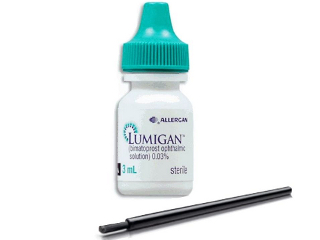
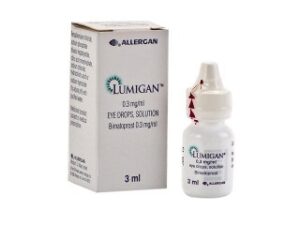
Lumigan + Applicators (Bimatoprost) – Patient Guide (Australia)
Lumigan + Applicators is an eye medicine that contains bimatoprost. It is used to help lower intraocular pressure (IOP)—the pressure inside the eye. Lowering IOP can help reduce the risk of damage associated with glaucoma and related conditions.
This guide explains how Lumigan + Applicators works, how it is used, possible side effects, interactions, and practical tips for safe, effective treatment in Australia.
1. Basic product information
- Active ingredient: Bimatoprost
- Brand: Lumigan + Applicators
- Medicinal form: Eye drops (solution) provided with dosing applicators
- Strength: Commonly supplied as 0.3 mg/mL bimatoprost solution (confirm exact strength on your pack)
- Route of administration: Ophthalmic (into the eye)
- Therapeutic class: Prostaglandin analogue (often described as a prostaglandin receptor agonist)
- What it treats: Elevated IOP in conditions such as glaucoma or ocular hypertension
Note: Eye conditions and treatment plans vary. Always follow the instructions provided with your specific product and from your eye care professional.
2. How Lumigan + Applicators works (mechanism of action)
Bimatoprost helps lower IOP mainly by increasing fluid outflow from the eye. It improves the drainage of aqueous humour (the fluid that nourishes the eye), which can reduce pressure inside the eye.
Although the exact biological pathways are complex, bimatoprost is thought to act by:
- Modulating receptors involved in eye fluid regulation
- Enhancing outflow through drainage pathways
- Supporting a sustained reduction in eye pressure with once-daily use
3. Pharmacokinetics (what the body does with bimatoprost)
Pharmacokinetics describes how a medicine is absorbed, distributed, metabolised, and eliminated.
- Absorption: Bimatoprost is administered as an eye drop and is absorbed through eye tissues.
- Distribution: It primarily acts locally in the eye; only small systemic exposure occurs in most users.
- Metabolism: Bimatoprost undergoes metabolic breakdown in the body.
- Elimination: Metabolites and small amounts of active drug are eliminated mainly via renal (kidney) and other routes.
In general, because the medicine is applied to the eye, systemic levels are usually low. However, side effects can still occur, and it’s important to use it exactly as directed.
4. Typical uses and indications
Lumigan + Applicators is used to help manage conditions where reducing intraocular pressure is beneficial. It may be prescribed in:
- Open-angle glaucoma
- Ocular hypertension (raised IOP without diagnosed glaucoma)
- Other glaucomatous conditions as determined by an eye specialist
Reducing IOP can help slow or prevent optic nerve damage associated with glaucoma.
5. Dosing and timing (how to use it correctly)
Important: Use Lumigan exactly as instructed on your product packaging or by your eye care professional. Dosing may vary depending on your eye condition and whether you use other eye medicines.
Typical dose
- Once daily in the affected eye(s).
- Commonly administered as a drop in the evening (often at the same time each day).
Recommended timing
Bimatoprost is frequently used in the evening because many patients experience the best IOP reduction with once-daily dosing at that time. If you miss a dose, follow your clinician’s advice or check the pack instructions.
- Try to administer at the same time every day.
- Do not use more than once daily unless directed.
How to apply Lumigan + Applicators (practical step-by-step)
- Wash your hands thoroughly.
- Check the applicator packaging and ensure the solution is clear.
- Using a mirror can help you aim accurately.
- Gently pull down the lower eyelid to form a small pocket.
- Apply the recommended dose into the conjunctival sac (the lower eyelid pocket).
- Release your eyelid and close your eye.
- For 1–2 minutes, consider gentle pressure at the inner corner of the eye (punctum occlusion). This may reduce drainage into the nose/throat.
- Do not blink excessively and avoid touching the drop tip/applicator to the eye.
- Replace the cap and wash your hands again.
If you use other eye drops
- Wait at least 5–10 minutes between different eye medications unless your doctor advises otherwise.
- Use them in the order your clinician recommends (many people use bimatoprost last).
6. Food interactions
Because Lumigan + Applicators is applied to the eye, food interactions are unlikely. No specific interactions with food are generally expected.
However, if you’re taking other medicines for eye or general health conditions, always review interactions with your pharmacist or doctor.
7. Alcohol and medicine interactions
Alcohol
There are no well-established direct alcohol interactions with bimatoprost eye drops. Still, alcohol can affect overall wellbeing and may worsen dry eyes or irritation in some people. If you notice eye discomfort after alcohol, consider reducing intake and discuss concerns with your healthcare professional.
Medicine interactions
Although systemic exposure is low, it’s still important to consider interactions:
- Other eye drops: Using multiple eye drops may increase the chance of irritation or inconsistent dosing if timing is not managed.
- Prostaglandin-containing medicines: Combining with other prostaglandin analogues may increase the risk of side effects (for example, changes around the eye). Do not combine without medical advice.
- Contact lens products and lubricants: Use caution with products that may contain preservatives. Ask your pharmacist if you have frequent irritation.
- Systemic medicines: Significant interactions are not commonly expected, but always tell your clinician about all medicines you use (including tablets, supplements, herbal products, and eye products).
Tip: Keep a list of your medicines and show it to your pharmacist or optometrist during medication reviews.
8. Safety profile and side effects
Like all medicines, Lumigan + Applicators can cause side effects. Many are mild and relate to the eyes or surrounding tissues. If you experience severe symptoms, stop and seek medical advice promptly.
Common side effects
- Eye redness or irritation
- Itching or a burning sensation
- Dry eyes
- Watery eyes
- Feelings of grittiness or discomfort
- Headache (occasionally)
Notable potential effects (around the eye)
Prostaglandin analogues can sometimes cause changes such as:
- Changes in eyelash appearance (longer, thicker lashes) and/or increased lash growth
- Increased pigmentation of the eyelid skin and/or iris (usually gradual)
- Periorbital skin darkening (around the eyes), reported in some users
These changes are typically not dangerous, but they can be distressing. Discuss any noticeable changes with your eye care professional, particularly if they progress rapidly.
Less common but serious side effects
Seek urgent medical attention if you develop:
- Severe eye pain
- Significant vision changes
- Marked swelling of the eye or eyelids
- Eye discharge with worsening redness (possible infection)
- Symptoms of inflammation inside the eye (e.g., light sensitivity, worsening pain)
If you are at higher risk (for example, history of eye inflammation), your clinician may monitor you more closely.
9. Practical use tips (make the most of your treatment)
- Use it daily: IOP control depends on consistent use. Missing doses may reduce effectiveness.
- Don’t share your medicine: Keep it for your own prescribed condition and packaging.
- Avoid contamination: Keep the applicator tip away from the eye, lashes, and fingers.
- Contact lenses: If you wear contact lenses, remove them before applying the drop and wait before reinserting (often after at least 15 minutes—follow your clinician or product advice). Many preservative systems can irritate lenses.
- Watch for irritation: If you get redness or discomfort, gentle lid hygiene and artificial tears (compatible with your regimen) may help—but ask your pharmacist before adding new drops.
- Be careful during treatment changes: Switching between products with bimatoprost or switching prostaglandin analogues should be managed by an eye professional.
- Keep follow-up appointments: Pressure checks are important. Don’t stop medication if symptoms improve.
10. Alternative options
Depending on your diagnosis, response, and tolerance, your eye specialist may consider alternative medications or combination therapies. Alternatives to bimatoprost may include:
- Other prostaglandin analogues (similar class; different formulations may have different tolerability)
- Beta-blocker eye drops (reduce production of aqueous humour)
- Alpha-adrenergic agonists
- Carbonic anhydrase inhibitors
- Combination eye drops that include bimatoprost with another active ingredient
- Laser or surgical options (for some patients where medication alone is insufficient)
Choosing an alternative depends on your IOP levels, eye surface health (e.g., dry eye), medical history, and what side effects you experience.
11. Market and legal context for Australia
In Australia, eye medicines are supplied through regulated channels and must meet Australian regulatory requirements. Availability and exact pack format may vary by pharmacy and supplier.
Key points for Australian customers:
- Regulatory approval: Bimatoprost eye drops must be evaluated and approved for use in Australia.
- Pharmacy supply: Most glaucoma medications are supplied under appropriate pharmacy systems and medication counselling.
- Product authenticity: Buy from reputable Australian pharmacies to reduce the risk of counterfeit or expired products.
- Patient counselling: Eye medicines often require correct timing, technique, and follow-up monitoring.
For the most current local information, consult an Australian pharmacist, GP, or optometrist, or check product information documents available via official channels.
12. Recent guidance and monitoring (what to expect)
Ongoing clinical practice in glaucoma management emphasises:
- Regular IOP monitoring and assessment of optic nerve/visual field status
- Adherence support to maintain consistent pressure lowering
- Eye surface health management (dryness and irritation) to improve tolerability
- Review of side effects at follow-up visits
- Device and dosing technique checks—especially when using applicators or changing packaging
Your eye care professional may ask about symptoms (redness, irritation, light sensitivity) and may check iris/eyelid pigmentation over time.
13. Delivery and availability (online pharmacy information)
At an online pharmacy in Australia, Lumigan + Applicators may be delivered to eligible locations subject to state/territory requirements and standard shipping terms.
When ordering, please consider:
- Pack size and applicator count: Different pack sizes may be available.
- Expiry dates: Choose items with sufficient shelf life when possible.
- Storage: Store according to the label instructions (commonly at room temperature; protect from excessive heat).
- Delivery timeframes: Times vary by courier and location.
If you have urgent symptoms, do not wait for delivery—seek medical advice promptly.
14. FAQ (Frequently asked questions)
1) What is Lumigan + Applicators used for?
It is used to help lower intraocular pressure in conditions such as open-angle glaucoma and ocular hypertension.
2) How fast does it work?
Many people experience IOP reduction within hours to days, but maximum effect may take longer. Keep using it daily and attend follow-up appointments to measure effectiveness.
3) Why do I apply it in the evening?
Once-daily bimatoprost is commonly prescribed in the evening for consistent pressure control. Follow your specific instructions even if your routine differs.
4) What if I miss a dose?
Use the dose as soon as you remember unless it is close to your next scheduled dose. Do not use double doses. If you’re unsure, ask your pharmacist for advice based on your schedule.
5) Can I stop using Lumigan once my eyes feel better?
No. Glaucoma and ocular hypertension are often chronic. Even if you feel well, pressure may still be high. Stopping can increase IOP and risk optic nerve damage.
6) Will it change my eyelashes?
Some people notice longer, thicker, or darker eyelashes. Eyelid pigmentation can also occur. If you find changes unacceptable or notice unusual symptoms, discuss them with your eye care professional.
7) Can I wear contact lenses?
You may be able to, but lenses often need to be removed before applying the drop and replaced after a waiting period. Ask your pharmacist/optometrist and check the product instructions.
8) What should I do if my eye becomes very red or painful?
Mild redness or irritation can occur. However, severe pain, vision changes, marked swelling, or discharge should be assessed urgently by a healthcare professional.
9) Are there food interactions?
Because it is an eye drop, food interactions are unlikely.
10) Are there interactions with alcohol?
No specific direct interaction is commonly reported, but alcohol can worsen dry eye symptoms in some people. If you notice problems, reduce intake and speak to a clinician.
11) Can I use Lumigan with other eye drops?
Often yes, but spacing doses correctly is important. Wait between different eye medicines and follow your clinician’s order of use.
12) Are there alternatives if I can’t tolerate bimatoprost?
Yes. Your clinician may recommend a different class (or a different prostaglandin analogue) or consider other treatments depending on your response and side effects.
15. Summary
Lumigan + Applicators (bimatoprost) is a once-daily eye medicine used to lower intraocular pressure and support the management of glaucoma and ocular hypertension. It works by enhancing fluid outflow from the eye. Most side effects are mild and related to the eye surface, redness, or irritation; however, changes in eyelash growth and pigmentation may occur over time.
For best results, apply it consistently (typically in the evening), use correct technique, allow time between different eye drops, and attend scheduled eye checks. If you experience severe pain, vision changes, or significant inflammation, seek medical advice promptly.
Always read the product packaging and follow instructions provided with your specific medicine.