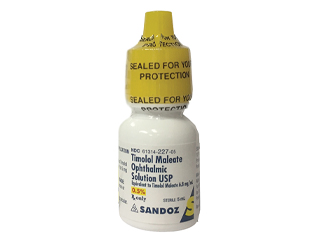
Timoptic (Timolol Maleate) – Patient-Friendly Guide (Australia)
Timoptic is a brand of timolol maleate, a medicine commonly used to lower pressure inside the eye. It belongs to a group of medicines called beta-blockers and is used in eye conditions where reducing intraocular pressure helps protect vision.
This guide explains how Timoptic works, how it’s used, what to expect, and important safety information. It is written to be helpful for patients across Australia.
Quick product information
| Feature | Details |
|---|---|
| Medicine | Timoptic (timolol maleate) eye drops |
| Medicine type | Beta-blocker for the eye (reduces intraocular pressure) |
| Common use | Ocular hypertension and glaucoma/ocular hypertension conditions |
| Typical route | Eye drops (topical ophthalmic use) |
| How it works | Reduces fluid (aqueous humour) production and helps lower eye pressure |
| Key precautions | Asthma/COPD, slow heart rate, certain heart rhythm problems, and some eye conditions |
How Timoptic works (mechanism of action)
Timoptic contains timolol maleate, which acts as a non-selective beta-adrenergic blocker.
In the eye, timolol helps lower intraocular pressure (IOP) mainly by:
- Reducing production of aqueous humour (the fluid inside the eye), and
- To a lesser extent, improving fluid outflow dynamics depending on the eye condition.
By lowering IOP, Timoptic can help reduce the risk of optic nerve damage associated with glaucoma and ocular hypertension.
Pharmacokinetics (how your body handles it)
Because Timoptic is used as an eye drop, only a portion of the medicine stays in the eye. Some is absorbed through the eye tissues and can enter the bloodstream.
- Ocular absorption: Timolol can be absorbed through the cornea and conjunctival tissues.
- Systemic absorption: Some of the drop drains through the tear ducts into the nose/throat and can be absorbed into the bloodstream.
- Distribution: Timolol may reach systemic circulation and act on beta receptors elsewhere in the body.
- Metabolism: Timolol is metabolised primarily by the liver.
- Elimination: metabolites are excreted mainly via the kidneys.
Important: Even though Timoptic is applied to the eye, systemic side effects (such as effects on heart rate or breathing) can occur, especially in sensitive people.
What Timoptic is used for (typical use and indications)
Timoptic is used to lower eye pressure in conditions such as:
- Glaucoma (including open-angle glaucoma),
- Ocular hypertension (increased eye pressure without diagnosed glaucoma),
- Other clinician-determined cases where lowering IOP is needed.
Timoptic may be used when eye pressure needs to be controlled to help protect the optic nerve and reduce the risk of progressive vision loss.
How to use Timoptic (dosing and timing)
General timing guidance: Many timolol eye drop regimens are taken , depending on the strength and the treatment plan recommended by your clinician.
Typical approach:
- Use the drop at the same times each day to maintain consistent pressure control.
- If you are prescribed once daily, use it about the same time each day (often morning or evening).
- If you are prescribed twice daily, separate doses by about 12 hours.
Step-by-step practical use tips (recommended for best results):
- Wash your hands.
- Shake the bottle if your specific product instructions say to (many timolol products are solutions, but follow the label).
- Use good lighting. Tilt your head back and gently pull down the lower eyelid to form a small “pocket”.
- Apply the drop into the pocket without touching your eye with the dropper tip.
- Close your eye gently.
- Reduce drainage with nasolacrimal occlusion: press a finger gently on the inner corner of the eye (near the nose) for 1–2 minutes. This can reduce systemic absorption.
- Wipe away excess. Use a clean tissue if liquid leaks out.
Important: If you miss a dose, do not double up. Take the next dose at your usual time unless your clinician or pharmacist has advised otherwise.
Timing with other eye medicines
If you use more than one eye medicine (for example, lubricating drops, prostaglandin analogues, or other pressure-lowering drops), timing matters to avoid dilution and washout.
- Allow at least 5–10 minutes between different eye drops (unless your clinician advises another interval).
- Eye ointments are usually applied last because they can coat the eye surface and slow absorption of drops.
Food interactions
Because Timoptic is applied to the eye, food interactions are unlikely. There are no common direct food-drug interactions expected with topical ophthalmic timolol.
However, your overall medication regimen matters. If you take medicines that affect heart rate or breathing, discuss them with a pharmacist or clinician.
Alcohol interactions and considerations
Alcohol is not known to have a specific direct interaction with timolol eye drops. That said, alcohol can sometimes worsen dizziness, fatigue, or low blood pressure symptoms—potential side effects that may occur in some individuals on beta-blockers.
- If you notice dizziness, faintness, or unusual tiredness after using Timoptic, avoid alcohol until you understand how you respond.
- Seek advice if symptoms are persistent or severe.
Medicine interactions (important safety information)
Because some Timoptic can be absorbed systemically, interactions similar to those seen with beta-blocker tablets can occur.
Tell your healthcare professional if you take any of the following:
- Other beta-blockers (eye drops or tablets), which can add to heart rate effects.
- Medicines that slow the heart, such as some calcium channel blockers (e.g., verapamil or diltiazem) or other anti-arrhythmics.
- Medicines for irregular heartbeat or rhythm control.
- Diabetes medicines: beta-blockers can potentially mask warning symptoms of low blood sugar (like palpitations).
- Medicines for asthma or breathing problems: timolol may worsen breathing in susceptible people.
Asthma/COPD warning: Timoptic may cause or worsen bronchospasm, particularly in people with asthma or certain chronic lung diseases. Discuss your history of breathing conditions before starting.
It’s also wise to let your pharmacist know about any recent medication changes, including “as needed” medicines.
Safety profile: side effects and what to watch for
Most people tolerate Timoptic well. Side effects can include eye-related effects and, less commonly, effects elsewhere in the body.
Common or expected eye-related effects
- Stinging or burning
- Dry eyes or irritation
- Watery eyes
- Redness or mild discomfort
Possible systemic (whole-body) side effects
Because some timolol can enter the bloodstream, systemic effects—while not common—can occur:
- Slower heart rate (bradycardia)
- Dizziness or light-headedness
- Low blood pressure
- Shortness of breath or wheezing (especially in asthma/COPD)
- Fatigue
Serious side effects – seek urgent medical advice
- Severe breathing difficulty, wheezing, or swelling
- Fainting, marked dizziness, or very slow pulse
- Sudden vision changes or severe eye pain
Other safety considerations
- Contact lenses: If you wear contact lenses, remove them before applying drops (follow product instructions). Reinsert after a suitable interval, commonly around 15 minutes (ask your pharmacist if unsure).
- Driving and machinery: Eye drops can cause temporary blur or discomfort. Use caution until your vision settles.
- Allergy: Stop use and seek advice if you develop symptoms of allergy (swelling, rash, or worsening redness).
Practical use tips for better results
- Consistency is key: Timoptic works best when used reliably at the prescribed times.
- Correct drop technique: Avoid touching the eye with the dropper tip and aim for the lower eyelid pocket.
- Nasolacrimal occlusion: Press the inner corner of your eye gently for 1–2 minutes after dosing to reduce systemic absorption.
- Keep track: Use a reminder (phone alarm or calendar) to avoid missed doses.
- Don’t stop early: Even if symptoms improve (often there are no symptoms with high eye pressure), continue treatment unless your clinician advises otherwise.
- Regular eye checks: Your eye pressure needs monitoring, and treatment may be adjusted.
What to expect when starting Timoptic
Many patients notice no immediate change, because glaucoma/ocular hypertension is often symptom-free. However, eye pressure reduction can begin after dosing.
- Your clinician may check IOP shortly after starting and then periodically.
- If multiple drops are used, your regimen may be adjusted based on response.
- If you experience discomfort or side effects, inform your healthcare professional—alternatives may be available.
Alternative options (if Timoptic is not suitable)
If Timoptic doesn’t control eye pressure well or causes side effects, other medication options may be considered. Alternatives depend on your diagnosis, IOP targets, and health history.
Common classes used for lowering intraocular pressure
- Prostaglandin analogues (e.g., latanoprost, travoprost, bimatoprost): often once nightly.
- Carbonic anhydrase inhibitors (e.g., dorzolamide, brinzolamide): often multiple daily dosing.
- Alpha-agonists (e.g., brimonidine): may be used in some cases.
- Other beta-blocker drops: sometimes different formulations are tried.
- Combination drops: used when two medicines are required in one product.
If you’re considering alternatives, discuss with your clinician or pharmacist—especially if you have asthma, slow heart rate, or other cardiovascular conditions.
Market and legal context in Australia
In Australia, eye medicines like Timoptic are regulated and supplied through appropriate pharmacy channels. Availability and dispensing arrangements may vary depending on the product strength and local prescribing/dispensing requirements.
To ensure safe use:
- Confirm you have the correct strength and formulation for your condition.
- Check the packaging for expiry date and storage instructions.
- Ask a pharmacist if you’re unsure whether the product you received is appropriate for you.
Recent guidance note: Ophthalmology care in Australia generally emphasises regular eye pressure monitoring, adherence to drops, and careful assessment of systemic risks (such as respiratory and cardiac conditions) when using beta-blocker eye drops. Your treating clinician may adjust therapy based on current practice standards.
Delivery and availability (online pharmacy)
Timoptic may be available through authorised online pharmacy services in Australia depending on stock levels, product format (e.g., specific strengths), and supplier availability.
- Processing times: Orders are typically processed within standard business hours (varies by pharmacy).
- Shipping: Delivery timelines depend on your location and chosen shipping option.
- Cold-chain: Eye drops like timolol typically do not require refrigeration unless the specific manufacturer instructions state otherwise.
- Packaging: Medicines should arrive in secure, tamper-evident packaging.
If you need help checking availability or confirming the correct product strength, you can contact the pharmacy’s customer support.
Frequently Asked Questions (FAQ)
1. What is Timoptic used for?
Timoptic (timolol maleate) eye drops are used to lower intraocular pressure in glaucoma and ocular hypertension conditions to help protect vision.
2. How fast does Timoptic work?
IOP-lowering effects can begin after dosing, but the exact speed and degree of response varies. Your clinician may measure eye pressure after you start and then continue monitoring over time.
3. Will Timoptic cure glaucoma?
Timoptic helps manage glaucoma by lowering eye pressure. It usually does not “cure” the condition, and ongoing treatment and monitoring are typically needed.
4. If I feel fine, should I still keep using it?
Yes. Many eye pressure conditions have few or no symptoms. If Timoptic is part of your treatment plan, regular use is important for long-term eye health.
5. Can I stop Timoptic if my eye pressure improves?
Do not stop suddenly unless advised by your clinician. Treatment changes are based on eye pressure measurements and optic nerve/field monitoring.
6. What should I do if I miss a dose?
Use it as soon as you remember unless it’s close to your next dose. Do not double up. If you’re unsure, ask your pharmacist for advice.
7. How do I use Timoptic with other eye drops?
Use them at least 5–10 minutes apart. If you use an ointment, use it last. This helps prevent one drop from washing out another.
8. Can I wear contact lenses while using Timoptic?
Follow the product instructions. Many eye drops require you to remove contact lenses before applying and wait before reinserting. Ask your pharmacist if you’re unsure.
9. Is it safe for people with asthma or breathing problems?
Timolol may worsen breathing in susceptible individuals. If you have asthma, COPD, or a history of wheezing, discuss it with your clinician before using Timoptic.
10. Can Timoptic affect my heart rate?
Because some timolol can be absorbed into the bloodstream, it can sometimes slow heart rate or affect circulation. Seek medical advice if you notice faintness, significant dizziness, or an unusually slow pulse.
11. Are there food or alcohol interactions?
Food interactions are unlikely. Alcohol does not have a specific known direct interaction, but it may worsen dizziness or fatigue in some people. Use caution if you notice side effects.
12. What if I get stinging or redness after applying?
Mild stinging or irritation can occur. If symptoms are persistent, worsening, or accompanied by severe pain or vision changes, contact a healthcare professional promptly.
Need more help?
If you have questions about how to use Timoptic correctly, how to combine it with other eye drops, or concerns about side effects, speak with a pharmacist or your eye care professional. Proper technique and consistent use can make a meaningful difference to eye pressure control.