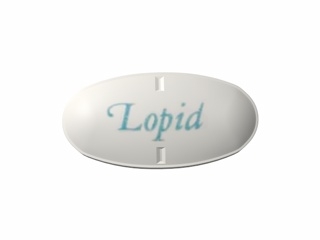
Lopid (Gemfibrozil) — Patient Information (Australia)
Lopid is a medicine containing gemfibrozil. It is used to help manage certain types of abnormal blood fats (lipids), particularly when triglyceride levels are high. This page explains what Lopid does, how it works, how it’s usually taken, important safety information, and practical tips for patients. It is written for people in Australia and uses general consumer-friendly guidance.
Note: Always follow the instructions provided by your healthcare professional and the information on the product label. If you are unsure about your suitability or how to take Lopid with your other medicines, ask a pharmacist.
Basic product information
- Medicine name: Lopid
- Active ingredient: Gemfibrozil
- Common purpose: Treatment of high triglycerides and mixed dyslipidaemia (depending on your individual risk profile)
- How it is taken: By mouth, usually as tablets
- Availability in Australia: May be supplied through pharmacies and licensed medicine providers; availability can vary by brand supply and local distribution
What are lipids and why do they matter?
Blood lipids (fats) include:
- Triglycerides — a common type of fat in the bloodstream, rising with excess sugar/alcohol and certain medical conditions.
- Cholesterol — includes LDL (“bad” cholesterol) and HDL (“good” cholesterol).
Having very high triglycerides increases the risk of pancreatitis (inflammation of the pancreas). Managing triglycerides is particularly important when levels are severely elevated.
Mechanism of action (how Lopid works)
Gemfibrozil belongs to the class of medicines called fibrates. It works mainly by reducing triglycerides and helping improve parts of the lipid profile.
Key mechanisms include:
- Decreases triglyceride production in the liver (affects how fats are processed).
- Increases clearance of triglyceride-rich particles from the blood.
- Changes lipid metabolism in ways that can also modestly increase HDL (“good” cholesterol).
For many patients, Lopid is most valuable when triglycerides are high, and lifestyle measures alone are not enough.
Pharmacokinetics (how the body handles gemfibrozil)
Pharmacokinetics describes absorption, distribution, metabolism, and elimination.
- Absorption: Gemfibrozil is absorbed after oral administration. Taking it with food can help improve tolerability and may influence absorption.
- Distribution: It circulates in the bloodstream and distributes into body tissues.
- Metabolism: The liver plays an important role in breaking down gemfibrozil. Metabolic pathways can contribute to interaction potential with other medicines.
- Elimination: Mostly via metabolism and excretion. The dosing schedule is designed to maintain effective levels.
Practical takeaway: Consistency with dosing time and food guidance matters to reduce side effects and maintain lipid-lowering effects.
Typical indications (when Lopid is used)
Lopid is used in appropriate patients for lipid disorders, particularly:
- High triglycerides (hypertriglyceridaemia), especially when triglycerides are significantly elevated.
- Mixed dyslipidaemia in selected cases, depending on overall cardiovascular risk and other lipid results.
Lopid is generally used as part of a broader plan that includes:
- Dietary changes
- Weight management if applicable
- Regular physical activity
- Control of diabetes and other contributing conditions
Dosing and timing
Dosing should be individualised. The usual adult regimen depends on the lipid problem being treated and your overall health profile.
Common dosing approach (general information):
- Typical dose: Often taken as twice daily with meals (for many patients this means morning and evening doses).
- With food: Taking gemfibrozil with meals can help reduce stomach-related side effects and support consistent use.
How to take it:
- Swallow tablets with water.
- Take at the times your pharmacist or healthcare professional recommends.
- If you miss a dose, take it when you remember unless it is close to the next dose. Don’t take a double dose to make up for a missed one.
Monitoring: Lipids and relevant safety tests may be checked regularly (for example, liver tests and kidney function), especially during the first months and after dose changes.
Food interactions (what to eat and what to avoid)
Taking Lopid with food:
- Many patients are advised to take gemfibrozil with meals.
- Food can improve tolerability, and some people find it reduces nausea or stomach discomfort.
Diet matters for triglycerides:
- Limit alcohol: alcohol can raise triglycerides in some people.
- Reduce sugar and refined carbohydrates: high intake can increase triglycerides.
- Choose healthy fats: aim for unsaturated fats (e.g., olive oil, nuts, fish) instead of high saturated fat intake.
- Manage calories and weight if overweight.
Key message: Even the best medication works best alongside a triglyceride-friendly diet.
Alcohol interactions
Alcohol and gemfibrozil are not always directly incompatible for everyone, but alcohol may significantly affect triglyceride levels and can contribute to liver strain. Because of the relationship between alcohol and triglycerides—and the importance of liver health with lipid medicines—patients are generally advised to:
- Use alcohol cautiously or minimise intake.
- Avoid binge drinking.
- Be extra careful if you have a history of pancreatitis, high triglycerides, or liver disease.
If you drink alcohol regularly, discuss this with your pharmacist or doctor before starting or continuing Lopid.
Medicine interactions (important safety information)
Lopid can interact with other medicines. Some interactions are serious because they can increase the risk of side effects such as muscle damage or affect liver function.
Be especially careful with:
- Statins (cholesterol-lowering medicines) — risk of muscle-related problems may increase when combined with certain fibrates. Your prescriber will decide whether the combination is appropriate for you.
- Repaglinide (used for type 2 diabetes) — may increase repaglinide levels, affecting blood sugar.
- Warfarin and other blood thinners — gemfibrozil may increase bleeding risk by affecting warfarin levels; close monitoring of clotting tests is often required.
- Some cholesterol absorption inhibitors or bile acid–related medicines — combinations may change lipid results; timing and choice matter.
- Immunosuppressants or other medicines metabolised by the liver — interaction potential may exist.
Always tell your pharmacist about:
- All prescription and over-the-counter medicines
- Herbal products and supplements
- Recent or planned changes in your medicines
Practical warning symptoms for muscle injury: Seek medical advice promptly if you experience unexplained muscle pain, weakness, or dark/tea-coloured urine.
Safety profile and side effects
Like all medicines, Lopid can cause side effects. Many people tolerate gemfibrozil well, but it’s important to know what to watch for.
Common side effects
- Stomach upset (nausea, indigestion, abdominal discomfort)
- Diarrhoea or changes in bowel habits
- Headache
- Mild skin reactions in some people
Serious (seek urgent advice)
Stop and seek medical help urgently if you have symptoms that may indicate a serious reaction, such as:
- Allergic reactions (swelling of face/lips, severe rash, difficulty breathing)
- Muscle injury (severe muscle pain, weakness, fever, dark urine)
- Liver problems (yellowing of skin/eyes, severe fatigue, dark urine, persistent nausea/vomiting)
- Signs of pancreatitis (severe upper abdominal pain, vomiting)
Special safety considerations
- Gallbladder issues: Fibrates can increase the risk of gallstones in some people. Seek advice if you develop severe right upper abdominal pain.
- Kidney and liver function: Your healthcare professional may adjust monitoring based on kidney and liver health.
- Diabetes: If you have diabetes, monitor blood sugar more carefully when starting lipid medicines, especially in combination with diabetes medicines.
Practical use tips (making treatment easier)
- Take it at the same times each day to help you remember and to maintain steady exposure.
- Pair with meals as advised to reduce stomach upset.
- Keep your diet consistent—especially if triglycerides are the main target.
- Do not stop suddenly without discussion; lipid results can change.
- Attend monitoring appointments for blood tests and follow-up lipid panels.
Lifestyle still matters: If you smoke, prioritise quitting. If you have diabetes or high blood pressure, keep them well controlled. These steps improve cardiovascular outcomes alongside triglyceride management.
Alternative options
Depending on your lipid profile and risk factors, your healthcare professional may consider other lipid-lowering strategies. Options may include:
- Statins (commonly used for LDL cholesterol and cardiovascular risk reduction)
- Other fibrates (e.g., fenofibrate) in selected patients
- Omega-3 fatty acids (for triglyceride lowering in appropriate cases)
- Niacin in particular situations (availability and suitability varies)
- Combination therapy where benefits outweigh risks
Your best option depends on the pattern of your lipid results, medical history, and medicine interactions.
Market and legal context for Australia
In Australia, lipid medicines are regulated through the national medicines framework. Lopid and gemfibrozil are available through authorised supply channels such as pharmacies. Availability can depend on brand stocking and local distribution. Patients are encouraged to:
- Purchase medicines only from reputable Australian pharmacies or licensed suppliers.
- Check that the product label matches the intended medicine (gemfibrozil/Lopid) and strength.
- Store medicines as directed on the packaging (typically at controlled room temperature, away from moisture and heat).
Important: Medicine supply policies, prescribing/dispensing requirements, and eligibility can change. For the most current information, consult your pharmacist or check resources from Australian health authorities.
Recent guidance (general clinical context)
Across many health systems, guidance emphasises:
- Lifestyle-first management for dyslipidaemia (diet, exercise, weight, limiting alcohol).
- Triglyceride-focused care when levels are very high to reduce the risk of pancreatitis.
- Careful review of drug interactions, particularly combinations that increase risk of muscle injury.
- Regular monitoring of lipids and safety parameters for people taking lipid medicines.
Your healthcare professional may update your plan based on your latest blood results, risk factors, and any changes to interacting medicines.
Delivery and availability (online pharmacy)
Online pharmacies in Australia typically offer:
- Home delivery to eligible addresses (within Australia)
- Secure packaging to protect tablets during transit
- Tracking updates depending on courier arrangements
Availability may vary: Some suppliers may have immediate stock, while others may take extra time if the product is not on hand. If Lopid is temporarily unavailable, your pharmacist can discuss the closest suitable alternative.
Storage on arrival: Keep the product in its original packaging and store it as directed. Keep out of reach of children.
FAQ
1) What is Lopid used for?
Lopid (gemfibrozil) is used to treat certain lipid disorders, especially high triglycerides. It may also be used in selected cases of mixed dyslipidaemia depending on your lipid results and overall risk.
2) How soon will I notice the effect?
Lipid changes often begin after starting treatment, but the full effect is usually assessed with blood tests at follow-up intervals recommended by your healthcare professional. Timing can vary based on your starting triglyceride levels and adherence to diet and medicine.
3) Should I take Lopid with food?
It is commonly recommended to take gemfibrozil with meals. Follow your product label instructions or professional advice for your specific regimen.
4) Can I drink alcohol while taking Lopid?
Alcohol may worsen triglycerides and may add strain to the body’s systems involved in lipid metabolism. Many patients are advised to keep alcohol to a minimum and avoid binge drinking. Ask your pharmacist if you have high triglycerides or liver concerns.
5) What medicines commonly interact with gemfibrozil?
Gemfibrozil can interact with several medicines, including some used for cholesterol (notably statins), diabetes (e.g., repaglinide), and blood thinning (e.g., warfarin). Always provide your full medication list to your pharmacist.
6) Are there any warning signs I should watch for?
Seek urgent help if you experience symptoms of:
- Muscle injury (severe muscle pain/weakness, dark urine)
- Liver problems (yellow skin/eyes, dark urine, severe fatigue)
- Allergic reaction (swelling, severe rash, breathing difficulty)
- Pancreatitis (severe upper abdominal pain, vomiting)
7) What if I miss a dose?
Take it when you remember unless it’s close to the next dose. Do not take double doses to make up for a missed tablet. If you’re unsure, ask your pharmacist.
8) Can I stop Lopid if my cholesterol or triglycerides improve?
Lipid medicines often need to be continued long term to maintain benefits. Stopping may allow lipid levels to rise again. Discuss any changes with your healthcare professional.
9) What lifestyle changes work best with Lopid?
For triglycerides, consider:
- Reducing sugar and refined carbohydrates
- Limiting alcohol
- Maintaining a healthy weight
- Regular physical activity
- Managing diabetes and other conditions that affect lipids
10) Are there alternatives to Lopid?
Depending on your lipid pattern, alternatives may include statins, other fibrates, omega-3 fatty acids, or tailored combination therapy. Your pharmacist or doctor can help choose the safest option for your situation.
Summary
Lopid (gemfibrozil) is a fibrate medicine used to help manage high triglycerides and certain lipid disorders. It works by influencing lipid metabolism, aiming to reduce triglyceride levels and improve parts of the lipid profile. Taking it consistently—often with meals—alongside a triglyceride-friendly diet and other lifestyle changes can improve outcomes.
Because Lopid can interact with other medicines (including some common cardiovascular and diabetes medicines), and because it has potential serious side effects in rare cases, it’s important to use it with appropriate monitoring and careful medication review.
If you have questions about whether Lopid is suitable for you, what to take alongside it, or how to manage side effects, speak with a pharmacist.
| Category | Information |
|---|---|
| Active ingredient | Gemfibrozil |
| Medicine class | Fibrate |
| Main role | Lower triglycerides; helps improve selected lipid levels |
| How to take | Typically with meals; dosing schedule depends on your plan |
| Key lifestyle focus | Diet, weight, exercise, and limiting alcohol (especially for triglycerides) |
| Important safety notes | Possible muscle/liver side effects; interactions with certain medicines |