
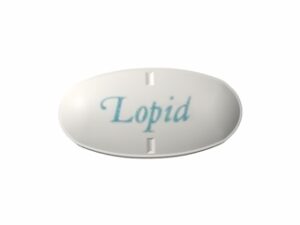
Gemfibrozil (Australia) — Patient-Friendly Medicine Guide
Gemfibrozil is a medicine used to improve blood lipid levels, particularly triglycerides. It belongs to a group of medicines known as fibrates. If you’ve been advised to use gemfibrozil, this guide explains how it works, how it’s taken, key safety points, and what to consider with food, alcohol, and other medicines—written in clear, practical language for use in Australia.
Note: The information below is general. Your clinician/pharmacist may tailor advice to your personal situation.
Basic product information
| Category | Details |
|---|---|
| Generic name | Gemfibrozil |
| Medicine type | Fibrate (lipid-modifying medicine) |
| Common purpose | Lower triglycerides; can help improve HDL/LDL in selected people |
| How it’s taken | Oral tablets/capsules (form depends on product brand) |
| Common dosing pattern | Often twice daily before meals (specific instructions vary by product/plan) |
| Availability in Australia | Typically supplied through pharmacies; availability may vary by brand and supply |
How gemfibrozil works (mechanism of action)
Gemfibrozil mainly works by changing how your liver processes fats (lipids). It:
- Reduces triglyceride production in the liver
- Increases breakdown of triglyceride-rich particles by affecting enzymes involved in fat metabolism
- Improves lipid balance by typically increasing HDL (good cholesterol) and decreasing triglycerides (effects on LDL can be variable)
These actions help lower triglyceride levels and can support overall cardiovascular risk management when combined with lifestyle measures.
Pharmacokinetics (what the body does with gemfibrozil)
Pharmacokinetics describes absorption, distribution, metabolism, and elimination—how your body handles the medicine.
- Absorption: Gemfibrozil is absorbed after oral dosing. Taking it at consistent times helps maintain steady effects.
- Distribution: It distributes throughout the body, including binding to plasma proteins.
- Metabolism: Gemfibrozil is metabolised in the liver.
- Elimination: Metabolites are eliminated primarily through the kidneys.
- Half-life: It has a half-life that supports commonly twice-daily dosing (exact timing should follow your prescribed instructions).
Kidney or liver impairment: Dose and monitoring may require adjustment if you have kidney disease or liver problems. Always follow your clinician’s plan.
Typical use in Australia
Gemfibrozil is used to manage lipid disorders—most notably when triglycerides are high. High triglycerides can increase the risk of pancreatitis in some people, so lowering levels is important.
In practice, gemfibrozil is usually considered when:
- Your triglyceride level remains high despite lifestyle measures
- Your overall lipid profile indicates a need for fibrate therapy
- Other treatment options are unsuitable or not effective for you
Lifestyle still matters: Diet, weight management, exercise, reducing alcohol intake, and addressing blood sugar (if you have diabetes) are essential alongside medicine.
Indications (when gemfibrozil is used)
Gemfibrozil is indicated to treat certain lipid abnormalities, particularly:
- High triglycerides (hypertriglyceridaemia)
- Mixed dyslipidaemia in selected patients where triglycerides and other lipid measures warrant fibrate therapy
- To reduce the risk of pancreatitis associated with severe hypertriglyceridaemia
Your prescriber will base the decision on your blood lipid results, health history, and risk factors.
How to take gemfibrozil (timing and dosing)
Follow your specific written instructions from your clinician and the label on your product pack. The sections below describe common guidance patterns.
Typical timing
- Take before meals (often before breakfast and before dinner), because this can improve absorption and support consistent effect.
- Try to take at the same times each day to maintain stable blood levels.
Typical dosing (general information)
Many patients are prescribed gemfibrozil twice daily. The exact strength and dose depend on your product and treatment plan.
- Common regimen: 600 mg twice daily (before meals) is a frequently used approach
- Do not change dose without medical advice—dose adjustments may be needed for kidney function or interactions with other medicines
If you miss a dose
- Take it as soon as you remember if it’s close to the next scheduled dose, and then continue as usual.
- If it’s nearly time for your next dose, skip the missed dose and take the next one.
- Do not double up to make up for a missed dose.
Duration of use
Lipid-lowering medicine often needs to be taken long term to maintain triglyceride control. Monitoring is typically done with blood tests to check response and safety.
Food interactions and what to consider
Gemfibrozil is usually taken before meals. In general, follow these practical points:
- Take before breakfast and dinner (or as directed by your prescription/instructions).
- If you have a variable eating schedule, aim for consistency—missing meals can affect how you take the tablet.
- Try to maintain a lipid-lowering diet: less refined carbohydrate and saturated fat, more vegetables and whole foods, and appropriate portions.
Dietary carbohydrates and alcohol: Both can raise triglycerides. If you have high triglycerides, reducing sugar and alcohol can significantly improve results.
Alcohol interactions
Alcohol can significantly affect triglyceride levels. While gemfibrozil does treat triglycerides, alcohol intake may:
- Increase triglycerides in some people
- Increase risk of pancreatitis if triglycerides become very high
- Worsen liver strain in those with liver conditions
Practical advice: If you drink alcohol, discuss a safe level with your clinician. Many patients with high triglycerides are advised to limit or avoid alcohol.
Medicine interactions (important safety information)
Gemfibrozil has important interactions—especially with medicines that affect muscle health or are processed through similar metabolic pathways.
Medicines that can increase muscle injury risk
One of the most important issues is increased risk of muscle damage (myopathy/rhabdomyolysis) when gemfibrozil is combined with certain cholesterol-lowering medicines, particularly:
- Statins (e.g., simvastatin, atorvastatin, rosuvastatin, pravastatin)
Why this matters: Combining fibrates with statins can raise exposure to statins and increase risk of muscle-related side effects.
Action: If you are taking a statin, ensure your prescriber knows. Do not start or stop statins without guidance.
Blood-thinning medicines (anticoagulants)
- Warfarin and similar medicines: gemfibrozil may affect bleeding risk by influencing the body’s handling of anticoagulants.
Regular monitoring (e.g., INR) may be required if you are on warfarin.
Other lipid-lowering medicines
- Other fibrates: combination therapy is generally avoided unless specifically directed.
- Ezetimibe or bile acid resins: combinations may be considered, but need individual assessment.
Diabetes medicines
If you take medicines for diabetes (such as insulin or oral glucose-lowering medicines), gemfibrozil may influence blood sugar control. You may require extra monitoring—especially early in treatment or after dose changes.
Immunosuppressants and other medicines
Some medicines may interact via liver metabolism pathways. Examples include certain:
- Immunosuppressants (used after transplant)
- Antibiotics/antifungals (some types)
- Medicines for heart rhythm
What to do: Provide your full current medicine list to your pharmacist when starting gemfibrozil. Include prescription, over-the-counter medicines, vitamins, and herbal products.
Safety profile and side effects
Most people tolerate gemfibrozil, but like all medicines, it can cause side effects. Some are mild; others require urgent attention.
Common or less serious side effects
- Gastrointestinal upset (e.g., nausea, indigestion, abdominal discomfort)
- Headache
- Changes in appetite
- Skin reactions (uncommon)
Serious side effects (seek medical help urgently)
Stop and seek urgent medical advice if you develop:
- Signs of muscle injury: severe muscle pain, tenderness, weakness, or dark/tea-coloured urine—especially if you are also on a statin or have kidney problems
- Severe abdominal pain (possible pancreatitis or gallbladder issues)
- Yellowing of skin/eyes (jaundice), dark urine, or severe fatigue (possible liver problems)
- Allergic reaction: swelling of face/lips, difficulty breathing, widespread rash
Ongoing monitoring
Your clinician may arrange blood tests and checkups such as:
- Lipid panel to monitor triglyceride response
- Liver function tests before and during treatment
- Kidney function if there are risk factors for kidney disease
- Monitoring for muscle symptoms if you have higher risk (e.g., drug combinations)
Practical use tips (getting the best results safely)
- Take it before meals and keep a consistent schedule.
- Use a medication reminder (phone alarm or pill organiser) to reduce missed doses.
- Follow a triglyceride-lowering diet: limit sugary foods and refined carbohydrates; reduce saturated fat; include fibre-rich foods.
- Limit alcohol (often strongly advised with high triglycerides).
- Track your results: attend follow-up blood tests so dosing can be reviewed.
- Know warning signs for muscle pain and liver problems, and act quickly if they occur.
- Keep an updated medicine list and show it to any healthcare professional you see.
Alternative options (depending on your lipid profile)
Lipid management is individual. Alternatives may include:
- Other fibrates (e.g., fenofibrate) — sometimes preferred based on interaction profile or patient factors
- Statins — often used for cardiovascular risk reduction, particularly when LDL cholesterol is the main concern
- Omega-3 fatty acids (prescription-strength in some cases) — can lower triglycerides
- Ezetimibe — primarily lowers LDL cholesterol
- Lifestyle-only approach when appropriate (diet, exercise, weight management, reducing alcohol, improving blood sugar)
What’s best for you depends on whether your main issue is triglycerides, LDL cholesterol, overall cardiovascular risk, kidney/liver health, and potential drug interactions.
Australia market and legal context
In Australia, the supply of medicines depends on their classification under the Australian regulatory framework and schedule listings. Some lipid-modifying medicines require restrictions on who can prescribe and how they are supplied. Pharmacy dispensing must follow Australian requirements.
Brand availability: Gemfibrozil may be supplied under one or more brand names depending on current products on the market. Availability may change over time due to manufacturing or supply issues.
Quality and regulation: Medicines sold in Australia are subject to quality controls and must comply with the relevant standards.
Guideline focus: Australian clinicians generally prioritise overall cardiovascular risk management, triglyceride reduction to prevent complications, and careful selection of therapy based on patient risk and tolerability.
Recent guidance and monitoring emphasis (what clinicians commonly focus on)
Over recent years, clinical practice has increasingly emphasised:
- Careful assessment of drug interactions, particularly with statins and anticoagulants
- Monitoring liver function and being alert to muscle symptoms
- Individualised treatment based on triglyceride levels, risk factors, and response to lifestyle changes
- Patient education so people know when to seek help (e.g., muscle pain, dark urine, jaundice)
Your healthcare team may adjust therapy based on your latest blood tests and tolerance.
Delivery and availability (online pharmacy guidance)
When ordering gemfibrozil online in Australia, availability depends on stock and the specific brand/strength you require. To help ensure a smooth delivery experience:
- Check the product strength (and brand if relevant) against your medication list.
- Confirm your address details are correct for delivery.
- Allow processing time (pharmacy verification and packing).
- Plan ahead for repeat supplies to avoid running out.
Delivery times: Delivery estimates vary by location and courier service. Your order confirmation page typically provides an expected timeframe.
Cold chain: Gemfibrozil tablets/capsules are not usually temperature-sensitive, but always store as directed on the pack and follow any specific instructions provided.
Safety checklist before starting or continuing gemfibrozil
Before using gemfibrozil, it helps to review the following:
- Are you taking a statin or have you recently changed lipid medicines?
- Do you take warfarin (or other anticoagulants)?
- Do you have kidney disease or liver disease?
- Have you ever had muscle problems with lipid medicines?
- Do you have a history of gallstones or pancreatitis?
- Do you drink alcohol regularly?
Your pharmacist can help you check interactions when you place an order.
FAQ — Frequently asked questions
1) What is gemfibrozil used for?
Gemfibrozil is used to treat high triglycerides (and sometimes mixed lipid disorders) to help reduce the risk of triglyceride-related complications and to improve overall lipid levels.
2) When should I take gemfibrozil?
It is commonly taken before meals, often twice daily. Follow your label instructions for exact timing (e.g., before breakfast and dinner).
3) Can I take gemfibrozil with food?
Gemfibrozil is generally recommended before meals. If you regularly eat at different times, discuss a practical schedule with your pharmacist to maintain correct dosing.
4) What should I avoid while taking gemfibrozil?
Important things to avoid or limit include:
- Alcohol (can worsen triglycerides and increase risk of complications)
- Unapproved combinations, especially with statins and certain blood thinners
5) What are the warning signs of serious side effects?
Seek urgent medical attention if you have:
- Severe muscle pain/weakness or dark urine
- Severe abdominal pain
- Jaundice (yellow skin/eyes) or dark urine
- Signs of allergy such as swelling or difficulty breathing
6) How long does it take to work?
Lipid changes can be seen after starting therapy, but the exact timeframe varies. Your clinician typically checks blood tests after an interval to assess response and safety.
7) Can I stop gemfibrozil once my blood tests improve?
Lipid-lowering therapy often needs ongoing use to maintain triglyceride control. Do not stop without medical advice—your levels may rise again.
8) Does gemfibrozil affect cholesterol or triglycerides differently?
Gemfibrozil is particularly effective at lowering triglycerides. It may also improve HDL and has variable effects on LDL. Your lipid panel will show how your body responds.
9) Is gemfibrozil safe for everyone?
Not everyone can safely use gemfibrozil. People with certain liver or kidney conditions, those on interacting medicines, or those with higher risk of muscle injury may require alternative treatment or extra monitoring.
10) How should I store gemfibrozil?
Store tablets/capsules as directed on the pack (typically in a cool, dry place). Keep out of sight and reach of children.
Key takeaways
- Gemfibrozil is a fibrate medicine used to treat high triglycerides.
- It’s commonly taken before meals and often on a twice-daily schedule.
- Be especially cautious about drug interactions, particularly with statins and anticoagulants.
- Alcohol can worsen triglycerides—limit or avoid if advised.
- Watch for serious symptoms such as muscle pain, jaundice, or severe abdominal pain.
If you’d like, share your current medicine list (including statins, warfarin, and diabetes medicines) and your most recent triglyceride result, and your pharmacist can help you check likely interaction risks and provide ordering-ready guidance.