

Ursodiol (Ursodeoxycholic Acid) – Patient-Friendly Guide (Australia)
Ursodiol is the brand name commonly used for ursodeoxycholic acid (UDCA), a bile acid used to treat certain liver and gallbladder conditions. It works by changing the composition and behaviour of bile, which can help dissolve cholesterol gallstones and improve some forms of bile flow problems.
This guide explains what Ursodiol is, how it works, how to take it safely, and what to expect. It is written for general information to support conversations with healthcare professionals.
Basic product information
| Item | Details |
|---|---|
| Generic name | Ursodeoxycholic acid (UDCA) |
| Common brand | Ursodiol (varies by manufacturer) |
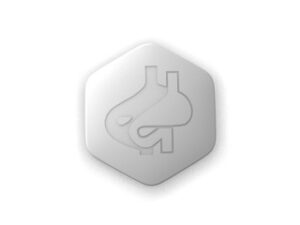
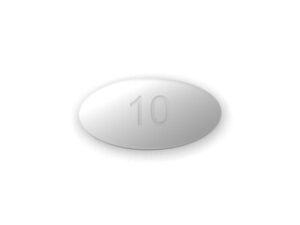
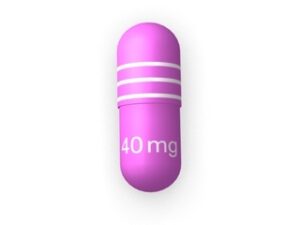
| Typical form | Oral capsules or tablets |
| What it does | Helps reduce toxic bile effects and may dissolve cholesterol gallstones |
| Common conditions treated | Primary biliary cholangitis (PBC), selected gallstone conditions, and some cholestatic disorders (depending on clinical context) |
Note: Brand strength and excipients (inactive ingredients) can differ between products. Always check the label and follow the dosing instructions provided with your medicine.
How Ursodiol works (mechanism of action)
Ursodeoxycholic acid is a naturally occurring bile acid in small amounts in the human body. When taken as medication, it can:
- Improve bile composition: UDCA becomes a larger component of bile, which can make bile less damaging to bile duct cells.
- Protect the liver and bile ducts: It helps reduce “cholestatic” (bile-flow-related) injury by improving the way bile acids interact with cell membranes.
- Promote healthier cholesterol handling: UDCA can reduce cholesterol saturation of bile, which may slow the growth of cholesterol gallstones and help dissolve them in selected cases.
- Support bile flow: By influencing bile acid transport and signalling pathways, UDCA can assist with bile flow and biochemical improvements in certain cholestatic diseases.
In practical terms, Ursodiol is not a “pain reliever” and it doesn’t provide immediate relief of gallbladder symptoms. It aims to change the underlying bile chemistry over time.
Pharmacokinetics (how the body processes Ursodiol)
Pharmacokinetics describes what happens to UDCA in the body—absorption, distribution, metabolism, and excretion.
- Absorption: UDCA is absorbed in the small intestine after oral administration.
- Distribution: Once absorbed, it travels in the body largely through the bloodstream to the liver and bile system.
- Metabolism: UDCA can be metabolised by the liver and gut bacteria into other bile acids.
- Biliary excretion: It is excreted into bile and then returns to the digestive tract where some fraction is reabsorbed (enterohepatic circulation).
- Onset of effect: Improvements in blood tests for cholestatic liver diseases may take weeks to months; gallstone dissolution typically takes months to a year or longer.
Because UDCA recycles through the bile–intestine loop, dosing consistency and time matter—small changes can influence overall exposure.
Typical uses (indications)
Ursodiol is used for selected liver and gallbladder conditions. The best-fit indication depends on your diagnosis, gallstone characteristics, liver function, and overall clinical picture.
Common clinical indications
- Primary biliary cholangitis (PBC): UDCA is a cornerstone medicine for improving liver biochemistry and slowing disease progression in many patients.
- Cholesterol gallstones: In certain people with non-calcified cholesterol stones, UDCA may help dissolve gallstones. Not all gallstones dissolve; stone type and gallbladder function are important.
- Other cholestatic liver disorders: In some circumstances, UDCA may be considered to support bile flow or improve liver tests, based on specialist assessment.
Important: UDCA is generally most effective for cholesterol-based stones and is less effective for pigment stones or fully calcified stones.
When to take Ursodiol (timing and routine)
Taking UDCA at the same times each day helps maintain steady bile acid levels.
- General timing: Many dosing regimens are taken once or twice daily depending on the product strength and intended total daily dose.
- Consistency: Take it at roughly the same times each day to support consistent effects.
- Missed dose: If you miss a dose, take it when you remember unless it’s close to the next scheduled dose. Don’t double up.
Practical tip for adherence
- Consider setting a daily reminder on your phone or using a pill organiser.
- If you’re prescribed multiple tablets/capsules per day, prepare a schedule in advance to reduce missed doses.
Food interactions (what to know)
UDCA can be affected by food, primarily because bile acid release and gut activity change after meals. While food does not usually “cancel” UDCA, it can influence absorption.
- Take with consistency: Many people are advised to take UDCA with meals or at least at the same relationship to meals each day.
- If you feel stomach discomfort: Taking with food can reduce nausea or indigestion for some patients.
- Avoid sudden routine changes: If you regularly take UDCA with meals, try not to switch to taking it on an empty stomach without guidance.
If your prescriber or pharmacist has given specific instructions (for example, “take with food” or “take after meals”), follow those instructions.
Alcohol and medicine interactions
Alcohol: If you take Ursodiol for a liver-related condition, it is generally wise to limit alcohol because alcohol can worsen liver health and increase the need for careful monitoring.
- Increased liver strain: Alcohol may raise liver enzyme levels and complicate interpretation of your blood tests.
- Personalised advice: Your safest alcohol level depends on your diagnosis, liver function, and overall treatment plan—ask your clinician for guidance.
Medicine interactions (important examples): Several medicines can interact with bile acids or affect their absorption. The most clinically relevant include:
- Bile acid sequestrants (used for cholesterol): Examples include colestyramine or colestipol. These can bind bile acids and reduce UDCA absorption. If used together, dosing is often separated by several hours.
- Medicines that alter cholesterol absorption or gut bile acids: Some lipid-lowering and gut-active medicines may change bile chemistry.
- Other liver-metabolised medicines: UDCA is not known for many direct metabolic interactions, but liver status matters. If you take multiple medicines (including herbal products), review them with a pharmacist.
Always check: Tell your pharmacist about all medicines you take—prescription, over-the-counter, vitamins, and herbal products.
Dosing (typical dosing guidance)
Dosing should be individualised based on the condition being treated, your body weight (in some regimens), liver and gallbladder status, and tolerance.
Typical dosing patterns
- Primary biliary cholangitis (PBC): Common UDCA dosing used in practice is based on weight (often around 13–15 mg/kg/day in divided doses). The exact dose should come from your healthcare plan.
- Gallstone dissolution: Dosing regimens vary. Treatment duration is usually long, and not all stone types respond.
How to take your prescribed dose:
- Swallow capsules/tablets whole with water.
- If your regimen is twice daily, split the total daily dose evenly between morning and evening (unless otherwise instructed).
- If you experience side effects, do not change the dose on your own—discuss with your pharmacist or doctor.
What if symptoms worsen? While UDCA aims to treat the underlying condition, if you develop new or worsening pain, fever, jaundice (yellow skin/eyes), or severe nausea/vomiting, seek medical advice promptly.
Safety profile (side effects and precautions)
Ursodiol is generally well tolerated, but like all medicines it can cause side effects. Most side effects are mild and may improve as your body adjusts.
Common side effects
- Gastrointestinal discomfort (e.g., nausea, diarrhoea, stomach upset)
- Soft stools or changes in bowel habits
Less common but important effects
- Worsening of gallstone symptoms in the setting of gallstone treatment (for example, biliary colic). This is not always predictable.
- Allergic reactions (rare): rash, itching, swelling, dizziness, or difficulty breathing.
When to get urgent help
Seek urgent medical care if you have:
- Swelling of the face/lips, trouble breathing, or widespread hives
- Severe abdominal pain, fever, persistent vomiting
- Yellowing of skin/eyes (jaundice) that is new or rapidly worsening
Precautions
- Gallbladder obstruction: UDCA may not be appropriate if bile drainage is obstructed.
- Severe liver impairment: Dosing and monitoring may need specialist oversight.
- Pregnancy and breastfeeding: Safety information should be reviewed with your healthcare professional based on your condition.
- Children: Use in paediatrics should follow clinical guidance.
Practical use tips (making treatment easier)
- Keep a simple routine: Link your dose to a regular meal time and set reminders.
- Track symptoms and tests: If you have PBC or another cholestatic condition, periodic liver function blood tests are commonly used to monitor response.
- Stay hydrated and manage diet gently: If you experience diarrhoea or stomach upset, speak to your pharmacist. Avoid abrupt dietary extremes.
- Avoid “quick fixes”: UDCA is a long-term treatment for many indications. Discontinuing early may reduce the benefit.
- Don’t skip monitoring: For liver conditions, routine review of enzymes and bilirubin (and sometimes imaging) is important.
Alternative options
Alternatives depend heavily on the condition being treated. Below are common categories of options that clinicians may consider.
For primary biliary cholangitis (PBC)
- Other bile-flow–supporting therapies: UDCA is usually first-line. Some patients who respond incompletely may be considered for additional therapies (specialist decision).
- Supportive care: Managing itching, vitamin deficiencies, and bone health can be important parts of overall treatment.
For gallstones
- Surgical options: Many people choose cholecystectomy (gallbladder removal), especially if stones cause recurrent symptoms.
- Endoscopic or other approaches: Used selectively depending on stone location and complications.
- Other medical approaches: Some centres use additional bile-related medications in specific scenarios; suitability depends on imaging findings.
Discuss options: The best alternative depends on whether your condition is PBC, gallstone disease, or another bile problem, and on ultrasound/scan results.
Market and legal context in Australia (overview)
In Australia, medicines are supplied under the national regulatory and scheduling framework administered by the Therapeutic Goods Administration (TGA). Availability, prescribing requirements, and supply routes can differ depending on:
- Whether the medicine is listed on the Australian Register of Therapeutic Goods
- The product’s formulation and strength
- The medicine’s scheduling classification (for example, pharmacist-only vs prescription-only categories)
- Clinical appropriateness and monitoring needs
Online pharmacies typically operate within Australian laws and policies for medicine supply, which may require identity verification and confirmation of product suitability. Some medicines may require you to provide documentation or complete a health screening process before dispatch.
Note: Policies can change, so your chosen pharmacy’s website will state the current ordering and supply requirements.
Recent guidance and monitoring (what patients often ask about)
For conditions such as PBC, international and national guidance commonly emphasises:
- Early initiation of UDCA where appropriate
- Regular monitoring of liver biochemistry to assess response
- Review of treatment effectiveness after an initial period (often within the first year, depending on specialist practice)
- Assessment of complications such as fat-soluble vitamin deficiencies and bone health
In gallstone treatment, guidance often focuses on:
- Selecting the right type of stones (cholesterol, non-calcified)
- Imaging confirmation before and during treatment
- Managing expectations about the time required for dissolution
If you are unsure what “success” looks like for your specific condition, ask your treating team about the goals and monitoring schedule.
Delivery and availability (online pharmacy)
Availability depends on stock levels and the specific formulation you choose. When ordering online in Australia, most pharmacies provide information about:
- Delivery options (standard, express, or scheduled delivery)
- Dispatch times (for example, orders processed within a business day)
- Cold-chain requirements (UDCA products typically do not require refrigeration)
- Tracking and delivery updates
Packaging and privacy: Medicines are usually shipped in discreet packaging and include product information in line with Australian labelling requirements.
Plan ahead: If your condition requires long-term therapy, consider ordering in advance of running out—especially if you need follow-up monitoring.
FAQ about Ursodiol
1) How long does it take for Ursodiol to work?
It depends on your diagnosis. For liver-related bile flow problems, blood test improvements may take weeks to months. For cholesterol gallstone dissolution, treatment often needs months to a year or more. Your clinician may use follow-up tests and imaging to guide whether treatment is working.
2) Can I stop Ursodiol once I feel better?
In many conditions (especially chronic liver disorders), symptoms can improve without fully resolving the underlying issue. Stopping early may reduce effectiveness or lead to relapse. Discuss stopping or changing treatment with your healthcare professional.
3) What if I miss a dose?
Take it when you remember unless it’s nearly time for your next dose. Do not take a double dose to make up for a missed one.
4) Are there foods I should avoid?
There are no universal “forbidden” foods for Ursodiol, but taking it consistently in relation to meals is helpful. If you experience stomach upset, taking with food may help. If your pharmacist gave specific dietary advice (e.g., for gallstone management), follow that guidance.
5) Does alcohol affect Ursodiol?
Alcohol doesn’t usually directly “cancel” UDCA, but it can worsen liver health and complicate monitoring in people being treated for liver conditions. If you drink alcohol, talk to your clinician about a safe amount for your situation.
6) Can I take other medicines at the same time?
Some medicines can interfere with bile acid absorption, such as bile acid sequestrants. It’s important to review your full medicine list, including over-the-counter products and herbal supplements, with a pharmacist.
7) What side effects should I watch for?
Common effects include stomach upset and diarrhoea. Seek urgent medical care for signs of allergy (rash, swelling, breathing difficulty) or severe symptoms such as intense abdominal pain, fever, or rapidly worsening jaundice.
8) Is Ursodiol safe during pregnancy or breastfeeding?
Safety depends on your individual situation and the condition being treated. Discuss risks and benefits with a healthcare professional.
9) How should Ursodiol be stored?
Store as directed on the pack (typically at room temperature, away from moisture and heat). Keep out of reach of children.
10) Can Ursodiol be used for any gallstones?
No. UDCA is generally most effective for cholesterol gallstones that meet certain imaging criteria. Calcified stones or pigment stones may not dissolve.
Summary
Ursodiol (ursodeoxycholic acid) is an oral medicine used to treat specific bile and gallbladder conditions, including primary biliary cholangitis and selected cholesterol gallstones. It works by improving bile composition and reducing bile-related injury. While it is often well tolerated, it requires consistent long-term use and appropriate monitoring—particularly for liver conditions.
If you have questions about your suitability, dose timing, interactions, or expected treatment goals, speak with a qualified healthcare professional or pharmacist before starting or changing therapy.