
Xeloda (Capecitabine) — Patient-Friendly Guide (Australia)
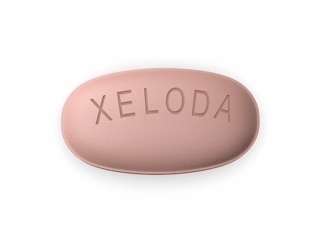
Xeloda is the brand name for capecitabine, an anti-cancer medicine used in specific cancers. This guide explains what Xeloda is, how it works, how it is typically taken, key safety information, and practical tips for use in Australia. It also covers interactions, food timing, delivery and availability, and frequently asked questions.
1) Basic product information
| Product | What it is | Common presentation |
|---|---|---|
| Xeloda | Capecitabine (an oral chemotherapy medicine) | Tablets in different strengths (strength depends on local supply) |
Xeloda is designed to be taken by mouth and is commonly used in combination with other cancer treatments or in certain settings on its own, depending on the cancer type and stage.
2) What Xeloda is used for (typical indications)
Xeloda is used to treat cancers where it has proven benefit. The exact choice depends on your diagnosis, previous treatments, and overall health. In Australia, capecitabine is used for example in:
- Breast cancer (including certain HER2-negative settings), often in combination with other therapies depending on the situation.
- Colorectal cancer (including adjuvant treatment after surgery and metastatic settings in selected patients).
- Gastric and gastro-oesophageal junction cancers in some treatment regimens.
Your treating oncology team will specify the most appropriate regimen and schedule. (Because cancer care depends on many factors, the list above is general information rather than a guarantee of use for every patient.)
3) Mechanism of action (how it works)
Capecitabine is a prodrug—meaning it is converted in the body into the active drug that attacks cancer cells. The process is designed to help the active compound concentrate more in tumour tissue than in normal tissue.
In brief:
- Capecitabine is converted through a series of steps to 5-fluorouracil (5-FU).
- 5-FU disrupts DNA and RNA production in rapidly dividing cancer cells.
- It can also interfere with cancer cell growth signals.
Because it affects fast-growing cells, some healthy cells that divide quickly (like those in the gut and skin) can also be affected. This is one reason side effects such as diarrhoea and hand-foot syndrome can occur.
4) Pharmacokinetics (what happens to the medicine in the body)
Pharmacokinetics describes how the body absorbs, distributes, metabolises, and eliminates a medicine. For capecitabine:
- Absorption: Capecitabine is absorbed from the gastrointestinal tract after oral dosing.
- Activation: The drug undergoes metabolism to become 5-FU primarily through enzymes active in tissues.
- Distribution: The active metabolite effect occurs throughout the body, including tumour tissue.
- Elimination: Metabolites are eliminated mainly via the kidneys.
- Kidney function matters: Because elimination involves renal pathways, kidney impairment can increase exposure to the drug and raise side-effect risk.
If you have kidney disease, your oncology team may adjust your dose or monitor you more closely.
5) Timing and schedule: how Xeloda is commonly taken
Xeloda is typically taken in cycles (for example, a period of treatment followed by a rest period). The exact number of days per cycle and the length of each cycle depends on the cancer type and regimen.
Common practical pattern (general):
- Oral dosing is often twice daily (morning and evening) on scheduled days.
- Tablets are taken for a set number of days, followed by a break.
Always follow the dosing plan provided by your healthcare team. Schedules can differ widely between regimens.
How to take it (general patient tips)
- Consistency: Take doses at approximately the same times each day.
- Swallow tablets whole with water.
- Do not change dose without medical advice (even if you feel unwell).
- Missed dose: If you miss a dose, do not double up. Contact your healthcare team/pharmacy for advice on what to do next.
6) Food interactions: what to know
Food timing can affect how much of the medicine is absorbed. For capecitabine:
- Take Xeloda after a meal (commonly after breakfast and after dinner).
- Avoid taking it on an empty stomach, unless your clinician specifically instructs otherwise.
If you have swallowing difficulties or significant appetite issues, discuss this with your oncology team so they can advise on practical strategies.
7) Alcohol and medicine interactions
Alcohol
There is no single universal “safe” amount of alcohol during chemotherapy because tolerance and risks vary by person. Alcohol can worsen side effects such as nausea, fatigue, diarrhoea, and dehydration, and it may stress the liver. Many patients are advised to limit or avoid alcohol during treatment.
Other medicines and interactions
Capecitabine can interact with several medications. Tell your healthcare team about all medicines you use, including prescription medicines, over-the-counter products, vitamins, herbal supplements, and “natural” remedies.
Important interaction categories include:
- Warfarin or other vitamin K antagonists (blood thinners): can increase bleeding risk (or alter INR).
- Phenytoin: may have altered levels.
- Leucovorin (folinic acid) and other 5-FU-related regimens: may change toxicity risk.
- Allopurinol: may affect metabolism and toxicity.
- Vaccines: some live vaccines may not be recommended during cancer treatment.
- Kidney-affecting medicines: drugs that affect renal function can influence exposure.
If you take blood thinners, diabetes medicines, or anti-nausea medicines, ask your pharmacist to review your interaction list.
8) Dosing guidance (how doses are determined)
The prescribed dose of Xeloda is based on body surface area (BSA) and on treatment regimen. It may also be adjusted based on:
- your cancer type and treatment plan
- your kidney function
- blood counts and prior treatment tolerance
- side effects such as diarrhoea or hand-foot syndrome
Because dosing is individualised, avoid “guessing” a dose using general information. The dosing table below is not a personal dosing instruction—use it only to understand how clinicians think about dosing.
| Factor | Why it matters |
|---|---|
| Body surface area (BSA) | Used to calculate a precise dose for chemotherapy exposure. |
| Kidney function | Impaired kidneys may increase drug exposure and risk of side effects. |
| Treatment tolerance | Reactions like diarrhoea, low blood counts, or hand-foot syndrome can require dose reductions or delays. |
| Combination therapy | When used with other agents, dose schedules may differ to manage overall toxicity. |
Dose adjustments during side effects
Many patients can continue treatment with supportive care, but some require temporary dose delays or reductions. Common reasons include significant diarrhoea, infection, severe mouth sores, low blood counts, or moderate to severe hand-foot syndrome.
If you develop symptoms, contact your oncology team promptly so they can advise on treatment interruption or supportive measures.
9) Safety profile: common and serious side effects
Like all anti-cancer medicines, Xeloda can cause side effects. Not everyone experiences them, and the severity varies. Treatment teams aim to balance cancer control with safety.
Common side effects
- Diarrhoea (can sometimes be serious)
- Nausea and/or vomiting
- Fatigue
- Loss of appetite
- Abdominal discomfort
- Hand-foot syndrome (palmar-plantar erythrodysesthesia): redness, swelling, pain, tingling, or peeling of palms/soles
- Mouth sores (stomatitis)
- Skin changes
- Low blood counts (leading to increased infection risk)
- Hair thinning is less common than with some other chemotherapies, but changes can occur
Serious side effects—seek urgent medical help
Contact urgent care or your healthcare team immediately if you experience:
- Signs of infection: fever, chills, or feeling very unwell
- Severe diarrhoea or diarrhoea with dehydration
- Severe mouth sores or inability to eat/drink
- Severe hand-foot syndrome (painful blistering, difficulty walking or using hands)
- Breathing difficulties, chest pain, or swelling of face/lips
- Unusual bruising or bleeding
10) Practical use tips (day-to-day support)
Managing diarrhoea
- Start diarrhoea management early—ask your oncology team what to use at the first signs.
- Maintain hydration (small frequent sips can help).
- Avoid alcohol and spicy, greasy, or high-fibre foods if they worsen symptoms.
- Keep track of how many times you pass stool and report changes promptly.
Preventing or reducing hand-foot syndrome
- Keep hands and feet moisturised with appropriate creams.
- Avoid friction and heat (tight shoes, hot baths, vigorous scrubbing).
- Protect from pressure where possible (comfortable footwear, padded gloves/footwear during chores).
- Report early symptoms like tingling, redness, or soreness so your team can advise.
Nausea and appetite
- Use anti-nausea medicines exactly as prescribed by your clinician.
- Consider smaller meals and bland foods if appetite is low.
- Hydrate regularly, especially if you experience vomiting or diarrhoea.
Skin and oral care
- Use gentle skin care products (avoid harsh soaps, strong fragrances, and abrasive exfoliation).
- For mouth sores, ask about recommended mouth rinses and good oral hygiene routines.
Monitoring and keeping records
- Attend planned blood tests to monitor blood counts and organ function.
- Keep a symptom diary (diarrhoea frequency, temperature, hand-foot symptoms, fatigue).
- Record any new medicines or supplements you start.
11) Alternative options (if appropriate)
Treatment alternatives depend on the cancer type, stage, biomarkers, prior therapy, and patient preferences. In general, oncologists may consider other chemotherapy agents, targeted therapies, immunotherapies, radiotherapy, or combinations.
- Other oral or intravenous fluoropyrimidines: for some regimens, similar drugs may be chosen based on efficacy and tolerability.
- Different chemotherapy backbones: combinations may use different agents to reduce specific toxicities.
- Targeted therapy: may be an option in cancers with certain genetic or protein targets.
- Immunotherapy: may be used depending on tumour characteristics and prior treatments.
- Supportive care adjustments: sometimes supportive medications and dose changes enable continued use of capecitabine.
Discuss alternatives with your oncology team; switching options should be personalised and time-sensitive.
12) Market and legal context for Australia
In Australia, cancer medicines are provided under regulatory frameworks and prescribing requirements. Availability, listing, and dispensing processes can vary by product and by the program used (for example, hospital supply versus community supply).
On online pharmacy websites, medicines are typically supplied only in accordance with Australian healthcare laws and relevant state/territory requirements, including appropriate checks for patient safety and suitability.
If you’re unsure about supply options, eligibility for subsidised access, or how dispensing works in your area, a qualified pharmacist can help.
13) Recent guidance and treatment updates (how to stay current)
Cancer treatment guidance can change as new clinical evidence emerges. To stay safe and up to date:
- Follow advice from your oncology team regarding dose modifications and supportive care.
- Ask whether your regimen aligns with current protocols for your cancer type.
- Report side effects early to reduce the risk of needing major treatment interruptions.
- For the most recent information, refer to official Australian health sources and your treating facility’s protocols.
This page provides general educational information and does not replace personalised clinical guidance.
14) Delivery and availability (online pharmacy overview)
Availability of Xeloda can depend on stock levels, tablet strength, and dispensing requirements. When ordering online, most Australian pharmacies aim to:
- confirm product strength and quantity before dispatch
- package medicines securely and follow cold-chain requirements if applicable (capecitabine tablets generally do not require refrigeration)
- deliver to your nominated address using an appropriate courier service
- provide tracking and estimated delivery times
Delivery times vary by location. If you need medication urgently due to an upcoming cycle date, contact customer support so they can help coordinate supply.
15) Storage and handling
- Store tablets at room temperature according to the product label.
- Keep in the original container to protect from moisture and to ensure correct identification.
- Keep out of reach of children.
- Do not use tablets after the expiry date on the packaging.
16) FAQ — Frequently asked questions
Is Xeloda chemotherapy?
Yes. Xeloda (capecitabine) is an oral chemotherapy medicine used to treat certain cancers.
How quickly will I notice side effects?
Side effects can begin within days of starting treatment, but timing varies. Some effects (like nausea or fatigue) may appear early, while others (like hand-foot syndrome) may develop later. Report symptoms early rather than waiting.
What should I do if I miss a dose?
Do not double up. Contact your oncology team or pharmacist promptly for guidance based on your treatment schedule. They can advise what to do for your specific cycle plan.
Can I take Xeloda with food?
Generally, capecitabine is taken after meals to improve tolerability and absorption. Follow your specific regimen instructions.
Can I drink alcohol while taking Xeloda?
Many patients are advised to avoid or strongly limit alcohol during treatment because it can worsen nausea, diarrhoea, dehydration, and fatigue. Ask your healthcare team for personalised advice.
Are there foods I should avoid?
There is no single universal diet restriction, but during treatment it can help to avoid foods that worsen diarrhoea or nausea. Your oncology dietitian can provide tailored nutrition advice, especially if you are experiencing symptoms.
How is Xeloda dose adjusted?
Doses may be reduced, delayed, or adjusted based on blood counts, kidney function, and the severity of side effects. Dose adjustments are common in chemotherapy and are intended to keep treatment safe.
Can I take other medicines like paracetamol?
Paracetamol is often used for pain or fever, but you should still confirm suitability with a pharmacist, especially if you have liver disease or are taking multiple medicines. Always inform your healthcare team about everything you take.
What infections should I watch for?
If you develop fever or feel suddenly unwell, contact your medical team urgently. Chemotherapy can lower white blood cell counts, which can make infections more serious.
Does Xeloda cause hair loss?
Hair thinning can occur, but it is less common with capecitabine than with some intravenous chemotherapy regimens. Individual experiences vary.
17) When to seek help urgently
Seek urgent medical attention if you have any of the following while taking capecitabine:
- Fever or signs of infection
- Severe diarrhoea, inability to keep fluids down, or signs of dehydration
- Severe mouth sores or inability to eat/drink
- Severe hand-foot syndrome (painful swelling, blisters, or trouble walking/using hands)
- Unusual bleeding, severe bruising, or shortness of breath
If you are unsure, it is safer to contact your healthcare team or pharmacist for advice.
Note: This information is intended for education and does not replace guidance from your oncology team or pharmacist. Always follow the instructions given for your specific treatment plan.