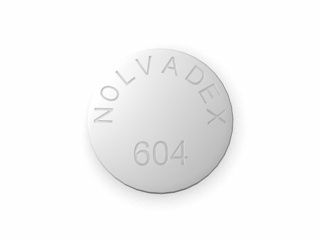

Nolvadex (Tamoxifen) – Patient-Friendly Guide (Australia)
Nolvadex is a brand of tamoxifen, a medicine used to treat and help prevent certain hormone-related cancers. Many people know tamoxifen for its role in breast cancer care, especially where the cancer is estrogen receptor positive (ER+). This guide explains how Nolvadex works, how it’s taken, what to expect, and important safety information.
This information is designed to be clear and practical. If anything here doesn’t match your personal situation, follow your clinician’s advice and the information provided with your medicine.
Basic product information
- Active ingredient: Tamoxifen (commonly available as tamoxifen citrate)
- Brand example: Nolvadex
- Medicine type: Selective oestrogen receptor modulator (SERM)
- Common forms: Oral tablets (strengths vary by product/market)
- How it’s taken: By mouth
What Nolvadex is used for
Nolvadex is used in several situations where breast cancer or related conditions involve estrogen. Use depends on the exact diagnosis, tumour characteristics, and stage of disease.
Indications (typical uses)
- Treatment of hormone receptor–positive breast cancer in many settings, including early disease and advanced/metastatic disease.
- Adjuvant (after initial treatment) therapy to reduce the risk of cancer recurrence in appropriate patients.
- Prevention of certain breast cancers in specific high-risk groups (where recommended by guidelines and clinician assessment).
- Management of ductal carcinoma in situ (DCIS) in selected cases, as part of an overall plan.
Your treatment plan may also involve surgery, chemotherapy, radiotherapy, or other hormone therapies.
How Nolvadex works (mechanism of action)
Tamoxifen works by binding to the oestrogen receptor in different tissues. Because it behaves differently in different organs, it is called a Selective Oestrogen Receptor Modulator (SERM).
- In breast tissue (and some tumour cells): Nolvadex blocks oestrogen’s ability to stimulate cancer growth.
- In other tissues (e.g., some bone and uterine effects): it can have partial oestrogen-like effects. This tissue-dependent activity explains both benefits and some side effects.
Pharmacokinetics (how your body handles tamoxifen)
Pharmacokinetics describes how the body absorbs, distributes, metabolises, and eliminates tamoxifen. Understanding this helps explain why timing and consistency matter.
Absorption
Tamoxifen is absorbed after oral dosing. Absorption may vary between individuals. Taking the tablet at the same time each day can help maintain steady exposure patterns.
Distribution
Tamoxifen and its metabolites distribute throughout the body. It is highly bound to plasma proteins.
Metabolism
Tamoxifen is extensively metabolised in the liver. A key metabolite is endoxifen, which contributes substantially to tamoxifen’s therapeutic effects. Liver enzyme activity (including enzymes affected by other medicines) can influence effectiveness.
Elimination
Tamoxifen and its metabolites are eliminated more slowly than many medicines. This long time course supports the need for regular daily dosing and patience for full effects.
Typical dosing and timing
Dosing depends on your indication, tumour characteristics, overall treatment strategy, and how you tolerate the medicine. Many adult regimens use a once-daily oral dose, but your dose may be different.
Common adult dosing patterns (general guidance)
- Once daily dosing is common.
- Some regimens may use different tablet strengths or split timing depending on the total daily dose prescribed.
Take it at the same time each day. If you miss a dose, take it when you remember unless it’s close to the next dose. Don’t double up to make up for a missed tablet—follow the instructions from your pharmacy or medicine leaflet.
When will you notice effects?
In cancer care, tamoxifen works over time. For adjuvant (prevention/recurrence reduction) use, benefit is assessed over months and years rather than days. For advanced cancer, clinicians monitor response with imaging and symptoms.
Food interactions: can you take Nolvadex with meals?
Nolvadex can generally be taken with or without food. Food doesn’t typically “cancel out” tamoxifen’s activity, so you can choose what suits your stomach.
Practical tips for taking with food
- If you feel nausea, try taking the tablet after a meal.
- Stay consistent: if you prefer to take it with breakfast, keep doing that unless advised otherwise.
- Discuss any long-term gastrointestinal changes with your clinician, as this can affect tolerability.
Alcohol and medicine interactions
There is no single universal rule that forbids alcohol for everyone on tamoxifen, but alcohol can worsen side effects and may impact liver metabolism. If you drink alcohol, it’s wise to keep intake moderate and monitor how you feel.
Potential concerns
- Liver health: Because tamoxifen is metabolised in the liver, heavy alcohol consumption may increase strain.
- Side effects: Alcohol can worsen hot flushes, fatigue, mood changes, and dizziness in some people.
- Drug interactions: Alcohol may interact indirectly by affecting enzymes or liver function.
If you have liver disease or elevated liver enzymes, ask your clinician or pharmacist for personalised advice on alcohol.
Medicine interactions (important)
Tamoxifen effectiveness can be influenced by other medicines, particularly those that affect liver enzymes. Some drugs may reduce the formation of active metabolites, potentially lowering tamoxifen benefit.
Medicines that commonly matter
The list below highlights interaction categories. Your pharmacist can check your specific medicines.
- Some antidepressants (especially certain SSRIs/SNRIs) may interact through enzyme pathways.
- Some antifungal medicines and antibiotics can affect metabolism.
- Rifampicin (and some other enzyme-inducing medicines) can reduce tamoxifen exposure.
- Herbal products, particularly St John’s wort (Hypericum perforatum), can interact and are often discouraged.
- Blood thinners: tamoxifen may alter clot risk and bleeding risk depending on the combination. Always check before starting or changing anticoagulants.
Always tell your pharmacist about:
- All prescription medicines
- Over-the-counter products
- Herbal supplements
- Vitamin preparations
- Any recent medication changes
Safety profile and side effects
Like all medicines, Nolvadex can cause side effects. Many are manageable, and serious risks are uncommon but important. The best outcome often comes from balancing benefit with careful monitoring.
Common side effects
- Hot flushes
- Vaginal dryness or discharge
- Menstrual changes (in people who menstruate)
- Skin changes (e.g., rash)
- Nausea or mild gastrointestinal upset
- Fatigue
- Headache or dizziness
- Changes in mood in some people
Less common but serious risks (seek urgent care if symptoms occur)
- Blood clots (thromboembolism): symptoms can include sudden shortness of breath, chest pain, coughing blood, one-sided leg swelling or pain.
- Stroke or transient stroke-like symptoms: face drooping, arm weakness, speech difficulty, sudden severe headache, or sudden vision changes.
- Endometrial changes (uterine lining) and uterine bleeding: report abnormal vaginal bleeding, spotting, pelvic pain, or unusual discharge promptly.
- Eye problems: vision changes, blurred vision, or new eye pain should be assessed promptly.
- Liver effects: yellowing of eyes/skin (jaundice), dark urine, severe abdominal pain—seek medical advice quickly.
Who may need extra monitoring?
- People with a history of blood clots
- People with uterine or endometrial issues
- People with liver disease
- Those who smoke or have other clot risk factors
If you are unsure whether a symptom might be related to Nolvadex, it’s safest to contact your clinician or pharmacist.
Practical use tips
How to take Nolvadex
- Consistency matters: take at the same time daily.
- Don’t stop suddenly: benefit depends on ongoing use over time unless advised.
- Manage side effects early: hot flushes and vaginal symptoms often improve with appropriate strategies.
- Keep follow-up appointments: monitoring may include symptom review, imaging, and occasional blood tests depending on your case.
Managing hot flushes
- Wear light layers and keep your environment cool.
- Limit known triggers (some people find spicy food, caffeine, alcohol, and stress worsen symptoms).
- Discuss supportive options with your clinician (there are non-hormonal approaches that may be considered).
Vaginal dryness and comfort
- Use moisturisers or lubricants designed for vaginal comfort.
- Report new bleeding or pelvic pain promptly.
- Seek advice before using products that contain hormones.
Adherence and reminders
To help avoid missed doses, consider:
- Setting a daily phone alarm
- Using a pill organiser
- Keeping tablets in a visible, consistent location
Alternative options to Nolvadex (tamoxifen)
Alternatives depend on your cancer type, menopausal status, stage of disease, and previous treatments. Your clinician may recommend different hormone therapies or other anti-cancer treatments.
Common alternative hormone-related therapies (examples)
- Aromatase inhibitors (often used in postmenopausal patients in certain settings)
- Other SERMs (less commonly used depending on indication)
- Other targeted treatments combined with endocrine therapy for specific tumour profiles
If you’re considering switching due to side effects, discuss risks and benefits with your clinician rather than stopping on your own.
Market and legal context for Australia
In Australia, tamoxifen-containing products like Nolvadex are supplied under the medicines scheduling system and are subject to standard safety requirements. Availability and supply processes may vary between manufacturers and pharmacies.
For online pharmacy purchasing, suppliers must follow Australian rules for dispensing and delivery, including identity verification and appropriate documentation where required. Your order process may include a brief review to confirm eligibility and safety checks with your selected medicines.
Always rely on information from your pharmacist and the product packaging/consumer medicine information (CMI) for your specific tamoxifen product.
Recent guidance and monitoring (general)
Clinical practice in breast cancer continues to evolve as researchers refine who benefits most from endocrine therapy and how to manage side effects. In general, monitoring focuses on:
- Ongoing assessment of recurrence risk and response to treatment
- Management of common adverse effects (e.g., hot flushes, vaginal symptoms)
- Vigilance for serious adverse events (clots, uterine bleeding, liver issues, vision changes)
- Review of interacting medicines, especially antidepressants and enzyme inducers
If you’re concerned about clot risk or uterine bleeding, discuss it promptly—early assessment can be important.
Delivery and availability
Online pharmacies in Australia may offer delivery across many regions, subject to local regulations and supplier stock. Delivery timeframes can vary depending on:
- Product availability from the dispensing pharmacy or supplier
- Where you’re located (metro vs. regional areas)
- Order processing and cut-off times
- Whether additional safety checks or documentation are needed
What to expect when ordering
- Safety and dispensing checks during processing
- Packaging that protects tablets from damage and maintains integrity
- Tracking information where offered
- Storage guidance for home use
If you need your medicine urgently or have travel plans, contact the pharmacy early to confirm dispatch timelines.
Storage and handling
- Store tablets as directed on the pack (often at controlled room temperature).
- Keep out of sight and reach of children.
- Keep in the original container to protect from moisture/light as directed.
- Do not use after the expiry date.
When to contact a clinician urgently
Seek urgent medical help if you experience signs that may indicate a serious adverse reaction:
- Symptoms of blood clots (chest pain, shortness of breath, coughing blood, one-leg swelling/pain)
- Sudden weakness or speech/vision difficulties
- Unusual or persistent vaginal bleeding (especially new or heavy bleeding)
- Severe abdominal pain, yellow eyes/skin, or dark urine
- Sudden vision changes
FAQ – Nolvadex (Tamoxifen)
1) What is Nolvadex used for?
Nolvadex (tamoxifen) is used primarily for hormone receptor–related breast cancer treatment and to help reduce recurrence risk in appropriate patients. It can also be used in certain prevention or early disease settings based on clinical assessment.
2) How do I take Nolvadex?
Take your tablet by mouth once daily (or as directed by your dosing schedule). Try to take it at the same time each day. It can usually be taken with or without food.
3) What should I do if I miss a dose?
Take it as soon as you remember unless it’s close to your next dose. Do not double the dose. If you’re unsure, ask your pharmacist for advice based on your timing.
4) Can I take Nolvadex with food?
Yes. Many people can take tamoxifen with or without meals. If nausea occurs, taking it after food may help.
5) Are there interactions with antidepressants?
Some antidepressants can interact with tamoxifen metabolism. Always tell your pharmacist about all medicines you take so they can check compatibility and advise safer options.
6) Is it safe to drink alcohol while taking tamoxifen?
Moderate alcohol may be acceptable for some people, but heavy alcohol use can affect liver function and may worsen side effects. If you have liver problems, clot risk, or significant side effects, ask your clinician or pharmacist for personalised guidance.
7) What are common side effects?
Common side effects include hot flushes, vaginal dryness/discharge, nausea, fatigue, and mood changes in some people. Many side effects can be managed with supportive strategies.
8) What serious side effects should I watch for?
Seek urgent medical attention for signs of blood clots (chest pain, shortness of breath, one-leg swelling), stroke-like symptoms, abnormal uterine bleeding or pelvic pain, severe liver-related symptoms (jaundice/dark urine), or sudden vision changes.
9) How long do people take tamoxifen?
Treatment duration varies by indication and risk profile. In many breast cancer settings, tamoxifen is taken for years as part of a long-term plan. Follow your clinician’s schedule.
10) Are there alternatives if I can’t tolerate Nolvadex?
Alternatives depend on your situation and may include other endocrine therapies (such as aromatase inhibitors) or different treatment combinations. Don’t stop without discussing with your clinician.
Summary
Nolvadex (tamoxifen) is a SERM medicine commonly used for estrogen receptor–related breast cancer care and recurrence risk reduction. It works by blocking oestrogen activity in breast tumour tissue while behaving differently across other organs. Because tamoxifen has important interactions and potential serious side effects, safe use includes consistent daily dosing, awareness of symptoms that require urgent attention, and careful checking of other medicines (including some antidepressants and herbal products).
If you have questions about taking Nolvadex, managing side effects, or checking medicine interactions, speak with your pharmacist—they can help you use your medicine as safely and effectively as possible.
| Topic | Key point |
|---|---|
| Active ingredient | Tamoxifen |
| Medicine type | Selective oestrogen receptor modulator (SERM) |
| Main use | Breast cancer treatment and recurrence risk reduction (hormone receptor related) |
| How it works | Blocks oestrogen receptors in breast tumour tissue |
| Timing | Usually once daily; take at the same time each day |
| With food | Generally can be taken with or without food |
| Alcohol | Moderation is sensible; heavy use may worsen liver strain and side effects |
| Important interactions | Some antidepressants, enzyme-inducing medicines, and herbal products (e.g., St John’s wort) |
| Serious symptoms | Clot symptoms, abnormal uterine bleeding, vision changes, severe liver symptoms |