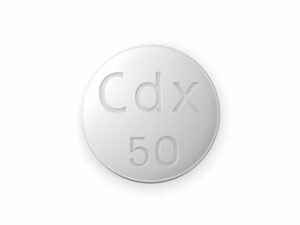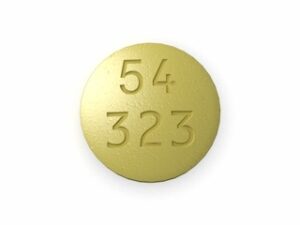


Aromasin (Exemestane) – Patient-Friendly Guide (Australia)
Aromasin is the brand name for exemestane, a medicine used to treat certain hormone-dependent breast cancers. This guide explains what Aromasin does, how it works, how it’s usually taken, and what to consider for safety and daily life. It’s written to be easy to understand and includes practical tips for using the medicine effectively.
1) Basic product information
- Medicine name: Aromasin
- Active ingredient: Exemestane
- Medicine type: Aromatase inhibitor (steroidal)
- Common forms: Oral tablets (strengths may vary by local supply)
- Who it’s for: Typically postmenopausal women with specific types of hormone receptor–positive breast cancer (details below)
- Australia availability: Commonly supplied through registered pharmacies; availability may vary by strength and manufacturer
Please note: Brand availability and pack sizes can differ. Your pharmacist can confirm the exact product you’re receiving.
2) How Aromasin works (mechanism of action)
Aromasin (exemestane) belongs to a group of medicines called aromatase inhibitors. Aromatase is an enzyme that helps produce oestrogen in the body by converting hormones (androgens) into oestrogen, mainly in tissues such as fat and muscle.
In hormone receptor–positive breast cancer, cancer cells can use oestrogen to grow and survive. Exemestane works by reducing oestrogen levels, thereby helping to slow or prevent cancer progression.
- Exemestane is a steroidal aromatase inhibitor.
- It reduces oestrogen production by blocking aromatase activity.
- As oestrogen decreases, the “fuel” for oestrogen-sensitive tumour cells is reduced.
3) Pharmacokinetics (how the body processes it)
Pharmacokinetics describes what happens to a medicine after it’s taken—absorption, distribution, metabolism, and elimination. Understanding this can help explain dosing consistency and food effects.
- Absorption: Exemestane is absorbed after oral administration.
- Food effects: Taking it with food can improve absorption. Many patients are advised to take it after a meal.
- Metabolism: It is metabolised mainly in the liver (including pathways such as CYP3A4).
- Elimination: Metabolites are cleared primarily via the kidneys and bile/feces pathways.
Because metabolism involves liver enzymes, drug interactions can be important (see below).
4) Typical use in Australia (indications)
In Australia, Aromasin (exemestane) is used for oestrogen receptor–positive breast cancer in appropriate patients. It is commonly used in postmenopausal women in the following settings:
- Early breast cancer: as adjuvant therapy (after primary treatment) to reduce recurrence risk, often after tamoxifen or as part of a specific treatment plan.
- Advanced (metastatic) breast cancer: for hormone-responsive disease to help control progression.
- After progression on other endocrine therapies: your oncology team may choose exemestane when cancer has progressed on prior hormone treatment.
Exact eligibility depends on menopausal status, tumour characteristics (such as oestrogen receptor and progesterone receptor status), and prior therapies. Your clinician will determine whether Aromasin is appropriate.
5) Dosing – typical schedules and timing
Aromasin is usually taken as a once-daily oral dose. The most commonly used regimen for eligible patients is:
| Use | Typical dose | How often | Best timing |
|---|---|---|---|
| Most common regimens for breast cancer treatment | Exemestane (usually 25 mg tablet) | Once daily | After a meal (commonly after breakfast or dinner) |
Important: Always follow the exact instructions provided with your product and by your healthcare team. If you miss a dose, it’s generally recommended to take it when you remember unless it’s close to the next dose; do not double up. If you’re unsure, ask your pharmacist.
Practical timing tips
- Choose a consistent time each day to build routine.
- Take with food (this can support absorption).
- If you experience morning nausea or reflux, taking it after dinner may feel more comfortable.
- Use a phone reminder or pill organiser to reduce missed doses.
6) Food interactions and absorption
Food can affect how well Aromasin is absorbed. Many patients are advised to take exemestane after meals rather than on an empty stomach.
- With food: often improves absorption and may reduce variability between doses.
- Without food: may lead to lower or less consistent absorption in some people.
There are no special “avoidance foods” universally required. However, good hydration, maintaining a balanced diet, and managing side effects (like nausea) can help you stay on track with treatment.
7) Alcohol and medicine interactions
Alcohol
Moderate alcohol use may not directly “cancel out” Aromasin. However, alcohol can worsen some side effects (such as fatigue, dizziness, nausea, sleep disturbance) and can affect how well you feel day-to-day.
- If you choose to drink alcohol, consider limiting intake and monitor how you feel.
- Avoid heavy drinking, especially if you’re experiencing nausea, weakness, or low energy.
- If you have liver disease or elevated liver enzymes, discuss alcohol use with your doctor.
Medicine interactions (important)
Because exemestane is metabolised by liver enzymes (including CYP3A4), certain medicines can change its levels. This may affect effectiveness and side-effect risk.
- Enzyme inducers (may reduce exemestane levels): some medicines used for seizures (anti-epileptics), certain tuberculosis medicines, and other enzyme-inducing agents.
- Strong enzyme inhibitors (may increase exemestane levels): some antifungals and certain antiviral medicines.
- Herbal products: St John’s wort (Hypericum perforatum) may affect hormone-sensitive treatments by altering metabolism. It’s generally best avoided unless your healthcare team says otherwise.
- Other hormone therapies: Combining with other endocrine agents may not be appropriate unless specifically directed.
Tell your pharmacist about all medicines you take, including:
- Prescription medicines
- Over-the-counter products (cold/flu remedies, pain relief)
- Herbal supplements
- Vitamins or “natural” products
8) Safety profile – common and serious side effects
Like all medicines, Aromasin can cause side effects. Not everyone will experience them, and many can be managed with supportive care.
Common side effects
- Hot flushes (sometimes similar to symptoms of menopause)
- Joint stiffness or aches (arthralgia)
- Fatigue
- Headache
- Nausea or reduced appetite
- Sleep disturbances
- Vaginal dryness or discomfort
Bone health considerations
Aromatase inhibitors can reduce oestrogen levels, which may lead to bone thinning (osteopenia/osteoporosis) and increased fracture risk over time. Your clinician may monitor bone density and recommend calcium/vitamin D or other strategies.
Less common but important side effects
- Liver function changes: your doctor may check blood tests if needed.
- High cholesterol may occur in some patients.
- Swelling or changes in blood pressure (uncommon).
Seek urgent medical attention if you experience
- Signs of a serious allergic reaction: swelling of face/lips, trouble breathing, severe rash
- Severe, persistent abdominal pain or yellowing of the skin/eyes (possible liver issues)
- Chest pain, fainting, or sudden shortness of breath
9) Safety and practical use tips
Bone and exercise
- Ask about bone density testing (for example, DEXA scans) if not already planned.
- Engage in weight-bearing and resistance exercise where safe (your physiotherapist or doctor can advise).
- Ensure adequate calcium and vitamin D through diet and/or supplements as recommended by your clinician.
Managing joint symptoms
- Gentle stretching and regular movement can reduce stiffness.
- Warm showers, heat packs, or physiotherapy may help.
- If pain becomes significant, discuss with your clinician—there are options for supportive care.
Hot flushes and sleep
- Keep your bedroom cool and consider breathable bedding.
- Avoid triggers like hot drinks, spicy foods, and overheating when possible.
- Relaxation techniques and paced breathing may help.
Swallowing and missed doses
- Swallow the tablet with water—don’t crush or chew unless instructed.
- If you miss a dose, take it as soon as you remember unless it’s close to the next dose.
- Do not take two doses at once to “catch up.”
Pregnancy and fertility considerations
Aromatase inhibitors are not intended for use during pregnancy. If there’s any chance of pregnancy, discuss contraception needs with your healthcare professional promptly.
10) Alternative options (what else might be used)
The endocrine treatment of breast cancer may involve different classes of medicines. Depending on your situation, your healthcare team might consider one of the following categories:
- Other aromatase inhibitors:
- Anastrozole
- Letrozole
- Selective oestrogen receptor modulators:
- Tamoxifen
- Selective oestrogen receptor downregulators:
- Fulvestrant (commonly given by injection)
- Oestrogen receptor–targeted therapies (depending on tumour subtype and prior treatments): options may include CDK4/6 inhibitors or other targeted agents, as directed by oncology specialists.
If Aromasin doesn’t suit you due to side effects or interactions, alternatives may be considered. Always discuss changes with your clinician; don’t stop or switch without medical advice.
11) Market and legal context for Australia
In Australia, breast cancer medicines such as exemestane are supplied in line with TGA (Therapeutic Goods Administration) requirements and pharmacy regulations. Medicines may be available only through appropriate channels, depending on classification and local dispensing rules.
Availability on pharmacy websites can differ based on supply arrangements, stock levels, and product strength. A registered pharmacy will follow required verification processes and provide appropriate counselling where needed.
For the most up-to-date information about listing and reimbursement (if relevant to you), you can ask your pharmacist or check official resources.
12) Recent guidance and monitoring considerations
Treatment recommendations for hormone receptor–positive breast cancer can evolve as new evidence emerges. Clinicians in Australia may update practice based on:
- Published clinical trial results
- Updated oncology guidelines
- Safety monitoring recommendations (for example, bone health and cardiovascular risk management)
Common monitoring for patients on aromatase inhibitors may include:
- Assessment of side effects (joints, hot flushes, sleep)
- Bone density monitoring and fracture risk evaluation
- Routine blood tests where appropriate (e.g., liver function, cholesterol)
If you haven’t been scheduled for bone density checks or you have new symptoms, speak to your healthcare team.
13) Delivery and availability (online pharmacy)
When ordering online from an Australian pharmacy, delivery times and availability can vary by region and current stock. The most reliable approach is to:
- Check the product strength and pack size listed
- Confirm whether the item is in-stock or on back order
- Review delivery estimates at checkout
For temperature-sensitive considerations: standard tablet storage generally applies (store at room temperature as per package instructions). If your pharmacy provides handling guidance, follow it.
If you need your medicine quickly (for example, you’re close to running out), contact customer support so they can check the fastest shipping options.
14) Frequently Asked Questions (FAQ)
How should I take Aromasin?
Aromasin is commonly taken once daily and is often advised to be taken after a meal. Try to take it at the same time each day. Use a pill organiser or reminder to improve consistency.
What should I do if I miss a dose?
Take it when you remember if it’s not too close to the next dose. If the next dose is near, skip the missed dose. Do not take two doses at once. If you’re unsure, ask your pharmacist.
Can I take Aromasin with food?
Yes. Taking it after food is often recommended because it can improve absorption. If you normally forget, choose a mealtime that suits your routine (for example, after breakfast or dinner).
Is it safe to drink alcohol while using Aromasin?
Moderate alcohol may not directly interact with exemestane in a major way, but alcohol can worsen side effects like fatigue, nausea, and dizziness. If you drink, consider limiting amounts and watch how you feel. If you have liver concerns, discuss alcohol with your clinician.
What medicines can interact with Aromasin?
Interactions can occur with medicines that affect liver enzymes (including CYP3A4). This includes some antifungals, certain antivirals, some seizure medicines, and herbal products such as St John’s wort. Always tell your pharmacist about all medicines and supplements you take.
What side effects are most common?
Common side effects include hot flushes, joint pain or stiffness, fatigue, headache, nausea, sleep changes, and vaginal dryness. Bone thinning can also occur over time, so bone monitoring is important.
Will Aromasin cause early menopause symptoms?
Aromasin reduces oestrogen levels, so it can produce symptoms similar to menopause (such as hot flushes and vaginal dryness), even in patients who may already be postmenopausal. If symptoms affect your quality of life, speak to your healthcare team—supportive treatments may help.
Does Aromasin affect bones?
Yes. Reduced oestrogen can weaken bones, increasing fracture risk. Your doctor may recommend bone density testing, lifestyle measures, and calcium/vitamin D or other bone-protective treatment depending on your risk profile.
When will I know if Aromasin is working?
Aromasin is used to help reduce cancer recurrence risk and control hormone-sensitive disease. Effects can be monitored through follow-up appointments, scans, and blood tests as directed by your oncology team.
Can I switch to another aromatase inhibitor if side effects happen?
Sometimes clinicians may switch between aromatase inhibitors or change endocrine therapy if side effects are difficult to manage or if there are interaction issues. Do not change therapy without discussing it with your doctor.
How long is Aromasin taken?
Treatment duration depends on your cancer stage, prior therapies, and your overall plan. Some patients take it for several years; others take it for a shorter course or until disease progression, as directed by oncology.
Summary
Aromasin (exemestane) is a steroidal aromatase inhibitor used in hormone receptor–positive breast cancer, particularly in postmenopausal patients. By lowering oestrogen levels, it helps reduce the stimulation of cancer cells that rely on oestrogen to grow. Many patients take it once daily after food, and staying consistent with timing can support absorption. Common side effects include hot flushes and joint symptoms, while long-term use may affect bone health—so monitoring and lifestyle support are key. If you have questions about interactions, side effects, or how to manage day-to-day changes, your pharmacist and healthcare team can help.